Local Folk Festivals (Volksfeste) in Germany
So, you've been in Germany for a while, maybe you've ticked off Oktoberfest, or perhaps you've even braved a major Christmas market. But let me tell you, there's a whole other layer of German culture that truly comes alive in the smaller, more intimate settings: the local folk festivals, or Volksfeste. It's easy to feel a bit overwhelmed when you first encounter them – they're not always advertised in English, the customs can seem a bit quirky, and sometimes you just stumble upon one by accident. But trust me, diving into a local Volksfest is one of the most rewarding ways to experience the real Germany, far beyond the tourist brochures. This guide is here to demystify these wonderful community celebrations and help you embrace their unique charm.
Disclosure: This post may contain affiliate links. We may earn a commission at no extra cost to you if you make a purchase through these links. Read full disclosure.
What Exactly is a "Volksfest" Anyway?
The term Volksfest literally translates to "people's festival," and that's exactly what it is at its core: a celebration for the community, by the community. While the global reputation of Germany often brings to mind the massive beer tents of Oktoberfest, Volksfeste encompass a far broader and more diverse range of local events that often have centuries of history behind them. Think of them as the heart and soul of German towns and villages, offering a genuine glimpse into regional traditions, culinary delights, and a deep-seated sense of communal togetherness.
More Than Just Beer and Rides
It’s true, many Volksfeste feature fairground rides, carousels, and yes, plenty of beer (or wine, depending on the region!), but to reduce them to just that would be a disservice. These festivals are often rooted in historical events, religious holidays, or agricultural cycles. For example, a Kirchweih (church consecration festival), also known as Kirmes or Kerwe in different regions, celebrates the anniversary of a local church's dedication and is often one of the oldest traditions in a village, sometimes dating back to the Middle Ages. Alongside the funfair attractions, you'll find traditional dances, parades, and specific regional dishes that have been enjoyed for generations. It’s a multi-sensory experience that goes far beyond a simple funfair. You'll hear distinct local dialects, see traditional clothing (sometimes), and witness customs unique to that particular area.
The Local Flavor and Community Spirit
What truly sets a Volksfest apart from a large, commercial event is its undeniable local flavor. These aren't just big business; they are vital social gatherings that foster a strong sense of community. Imagine a small town where everyone knows everyone, and the annual Volksfest is the highlight of their social calendar. Neighbors catch up, families bring their children to enjoy the rides, and local clubs (Vereine) often play a significant role, running food stalls or organizing activities. This creates an incredibly welcoming atmosphere, even if you’re an outsider. While it might seem intimidating to step into such a tight-knit community, Germans generally appreciate it when foreigners show interest in their local traditions. You’ll often find people eager to share a story, explain a custom, or simply raise a glass with you. It’s a chance to see beyond the stereotypes and experience the warmth of German hospitality. This sense of belonging is what many expats crave, and a Volksfest can be a fantastic entry point into local life and even help with Making Friends in Germany: Social Tips for Expats.
The Seasonal Calendar of German Volksfeste
Germany’s Volksfeste aren't confined to a single season; they ebb and flow with the rhythm of the year, offering unique celebrations from the first bloom of spring to the depths of winter. Each season brings its own set of traditions, tastes, and atmosphere, providing a continuous cycle of discovery for those willing to explore.
Spring Awakening: Frühlingsfeste and Maypoles
As the grey German winter finally gives way to budding trees and longer days, the country bursts into life with Frühlingsfeste (Spring Festivals). These are often cheerful affairs, marking the end of the cold and the promise of warmer weather. Think smaller versions of Oktoberfest, with beer tents, fairground rides, and plenty of regional food, but usually less crowded and with a distinctly lighter, more optimistic mood. Cities like Stuttgart, Munich, and Hanover host larger Frühlingsfeste, but almost every town will have its own version.
One of the most iconic spring traditions is the Maibaumaufstellen, or Maypole raising. Typically held on April 30th or May 1st, this ancient custom involves erecting a tall, decorated tree trunk in the town square. Each village often has a beautifully carved and painted pole, adorned with emblems representing local trades and crafts. The event is often accompanied by brass bands, traditional dances, and of course, beer and food. It’s a wonderful spectacle of community effort and local pride, and truly a snapshot of Festivals, Holidays, and Traditions in Germany.
Summer Delights: Schützenfeste and Wine Festivals
Summer in Germany is prime time for outdoor celebrations, and Schützenfeste (Shooting Festivals) are a quintessential part of this season, particularly in northern and western Germany. These festivals, some with origins dating back to the Middle Ages as citizen militias, involve shooting competitions, parades, and the crowning of a "Schützenkönig" (Shooting King or Queen). While the shooting aspect remains, the festivals themselves are vibrant community events with fairgrounds, live music, and plenty of opportunities for revelry. They can last for several days and are a fantastic way to witness enduring local traditions.
Further south, especially along the Rhine, Moselle, and other river valleys, summer gives way to delightful Weinfeste (Wine Festivals). These are often held directly in the vineyards or charming wine-producing villages. Here, the focus shifts from beer to the local grape harvest, with winemakers showcasing their latest vintages alongside traditional food pairings. You’ll find stalls selling everything from Federweißer (young, partially fermented wine) to crisp Rieslings, often accompanied by Zwiebelkuchen (onion tart). The atmosphere is usually more relaxed and sophisticated than a beer festival, perfect for enjoying the warm evenings. For those interested in Beer, Wine, and German Drinking Culture, these festivals offer a fantastic deep dive into German wine traditions.
Autumn Traditions: Harvest Festivals and Kir(ch)messen
As the leaves turn golden and the air grows crisp, autumn brings a bounty of harvest festivals and the ubiquitous Kirchweih or Kirmes. These celebrations are deeply tied to the agricultural cycle and often feature parades with decorated farm machinery, displays of local produce, and hearty seasonal food. It’s a time to celebrate a successful harvest and give thanks.
The Kirchweih (often shortened to Kirmes or Kerwe depending on the dialect and region) is particularly prevalent in autumn. These festivals celebrate the consecration day of the local church and combine religious roots with secular fun. They typically feature fairground rides, traditional market stalls, and a lively atmosphere. In some regions, like Bavaria, the Kirchweih has its own specific culinary traditions, such as Kirchweihnudeln (fried dough pastries) or Kirchweihgans (roast goose). These are often less about mass tourism and more about local families gathering, which means you get a much more authentic experience.
Winter Warmers: Smaller Christmas Markets and More
While the major Christmas markets grab most of the headlines in winter, smaller, local Volksfeste still dot the calendar. These might include more intimate Weihnachtsmärkte (Christmas Markets) in smaller towns, often focusing on handmade crafts and local delicacies rather than mass-produced items. You'll find carol singing, local choirs, and a truly magical, almost fairytale-like atmosphere.
Beyond Christmas, you might encounter winter Jahrmärkte (annual markets) which are essentially smaller, traditional fairs held in colder months, offering a chance to enjoy warm drinks, hearty food, and perhaps a few bundled-up rides. These are generally cozier and less sprawling than their summer counterparts but offer a unique charm that helps combat the long, dark evenings.
Navigating Your First Volksfest: Tips for Expats and Tourists
Stepping into a local Volksfest can feel like entering a vibrant, slightly chaotic, yet utterly charming new world. Don't worry, even for seasoned expats, it can take a moment to get your bearings. But with a few pointers, you'll be blending in and enjoying the festivities like a local in no time.
Essential German Phrases and Etiquette
While many Germans, especially younger generations, speak excellent English, a local Volksfest is the perfect place to practice your German and show you're making an effort. Even a few key phrases can go a long way. Start with "Hallo" (Hello) or "Grüß Gott" in Bavaria, and "Danke schön" (Thank you very much). If you’re buying something, "Ich hätte gerne ein Bier/eine Bratwurst, bitte" (I'd like a beer/sausage, please) will serve you well. Don't forget a friendly "Prost!" when clinking glasses.
In terms of etiquette, Germans appreciate politeness and order, even amidst the festive chaos. Generally, you form a queue at food and drink stalls, and it's customary to wait your turn. When entering a beer tent, it's polite to greet those already seated at a shared table, often with a simple nod or a "Hallo." Personal space is respected, so avoid overly boisterous behavior or pushing your way through crowds. Locals will appreciate you immersing yourself respectfully in their customs. For more general guidance, check out German Etiquette and Social Life for Visitors.
Food, Drink, and Fun: What to Expect
Oh, the food! German Volksfeste are a paradise for anyone who loves hearty, traditional fare. You’ll almost certainly find Bratwurst (grilled sausage) in various regional iterations – from the thin Nürnberg Rostbratwurst to the thick Thüringer Bratwurst. Pair it with a dollop of mustard and a fresh bun, and you’re golden. Other popular snacks include Pommes (fries), Reibekuchen (potato pancakes, often served with applesauce), Backfisch (fried fish), and sweet treats like Zuckerwatte (cotton candy) or gebrannte Mandeln (caramelized almonds). For a deeper dive, consider exploring German Food Culture: Eating and Drinking as a Visitor.
And, of course, the drinks. Beer is a staple at most Volksfeste, often from local breweries. If you're at a wine festival, you'll be sampling local wines, sometimes directly from the producer. In autumn, Federweißer (young wine) is a must-try. For non-alcoholic options, Apfelschorle (apple juice mixed with sparkling water) or various lemonades are always available.
Beyond food and drink, prepare for classic fairground fun. There will be carousels, bumper cars, and often a Ferris wheel offering great views of the town. Many festivals also feature games where you can win prizes, from dart throwing to shooting galleries. Embrace the childlike joy of it all!
Practicalities: Cash, Transport, and Accommodation
Here’s where a bit of expat wisdom comes in handy. While Germany is slowly embracing card payments, many smaller Volksfest stalls, particularly in rural areas, will still be cash-only. Always carry enough Euros with you to avoid frantically searching for an ATM (Geldautomat) in the middle of a bustling crowd. For more on this, our guide on Cash vs Card in Germany: What Visitors Should Know is invaluable.
Getting to and from a Volksfest might require some planning. If it’s in a small village, public transport might be limited, especially late at night. Check bus schedules (you can usually find them via Google Maps or the local transport authority website) or consider carpooling with friends. For larger towns, trains and local public transport (like S-Bahn or U-Bahn) are usually excellent. Websites like Omio can be useful for planning train or bus travel to these towns, especially if you're venturing further afield. Remember that Public Transport Tickets and Passes: Navigating German Transit Systems can vary by region.
If you plan on fully immersing yourself, especially at multi-day events, booking accommodation in advance is a good idea, particularly in smaller towns where options might be limited. Websites like Booking.com are your best bet for finding hotels or guesthouses (Pensionen) nearby.
Beyond the Big Names: Discovering Regional Volksfeste
While Oktoberfest and Cannstatter Wasen are famous for a reason, the true magic of German Volksfeste often lies in the lesser-known, regional celebrations. These are the festivals where traditions are most deeply entrenched, and the local community spirit shines brightest. They offer a unique opportunity to connect with Germany on a more intimate level.
Hidden Gems and Unique Traditions
Germany is a patchwork of distinct regions, each with its own history, dialect, and customs, and their Volksfeste reflect this rich diversity. For instance, in the Rhineland, Kirmes festivals are often accompanied by unique parades featuring local figures or giant puppets, and specific Kirmes dishes like Waffeln mit Kirschen (waffles with cherries). In Franconia, a Bergkirchweih (mountain church consecration festival) involves beer cellars built into hillsides, offering a distinctively earthy atmosphere different from a flat fairground.
One delightful example is the "Wurstmarkt" in Bad Dürkheim, one of the world's largest wine festivals, not a beer fest! It’s a centuries-old tradition celebrating local wines with enormous wooden wine barrels you can sit in, local food, and a lively atmosphere. Then there's the "Bremer Freimarkt" in Bremen, dating back to 1035, which is one of Germany’s oldest and largest public festivals, blending a traditional market with a huge funfair. These aren't just scaled-down versions of larger festivals; they are events with their own character, rituals, and local folklore. They are often less commercialized, allowing for a more authentic and often more affordable experience.
How to Find Local Festivals Near You
Finding these hidden gems can sometimes be a bit of an adventure in itself, especially if your German isn't quite fluent yet. Large-scale events are usually well-advertised, but local Volksfeste might only be promoted through local newspapers, community notice boards, or town websites.
Here are a few tips:
- Local Tourist Information Offices (Touristeninformation): This is your best friend. Pop into the local tourist office of any town you're visiting or living near. They often have brochures or a calendar of local events.
- Town Websites: Most German towns and cities have official websites (e.g.,
stadtname.de). Look for sections like "Veranstaltungen" (Events), "Feste" (Festivals), or "Termine" (Dates). - Local Newspapers: Even if you can't read the whole thing, scanning local newspapers (or their online versions) for keywords like "Volksfest," "Kirmes," "Weinfest," or "Frühlingsfest" can yield results.
- Online Event Calendars: Larger regional event platforms might list them, but often smaller events stay local. However, platforms like GetYourGuide might feature tours or activities around specific regional festivals, offering an easier way for visitors to discover and experience them without too much linguistic effort.
- Word of Mouth: Don't underestimate the power of asking locals! Your German colleagues, neighbors, or even the friendly barista might be happy to share information about upcoming Feste in their area.
By actively seeking out these local festivals, you’re not just attending an event; you’re embarking on a journey of cultural discovery that will deepen your understanding and appreciation of Germany far beyond the well-trodden tourist paths.
Making the Most of the Experience: Embrace the Gemütlichkeit
Once you've found your Volksfest and ventured in, the key to truly enjoying it is to embrace the atmosphere. Germans have a wonderful concept called Gemütlichkeit, which roughly translates to coziness, comfort, and a feeling of warmth and belonging. This is what Volksfeste are all about, and it's contagious if you let it be.
Family-Friendly Fun and Activities
One of the most striking aspects of German Volksfeste is how incredibly family-oriented they are. These aren't just adult drinking parties; they are multi-generational affairs where children, parents, and grandparents all find something to enjoy. You’ll see toddlers on carousels, teenagers on thrilling rides, and families sharing meals together. The atmosphere is generally lively but safe, making them perfect for a family outing. Many festivals will have dedicated areas or specific times for children’s activities.
If you have kids, it’s an excellent opportunity for them to experience German culture in a fun, accessible way. They can try traditional sweets, enjoy the rides, and simply soak in the joyous ambiance. It’s also a fantastic way to meet other families and perhaps bridge some cultural gaps. For parents, understanding Children’s Healthcare: Pediatricians and Routine Check-ups (U-Untersuchungen) is essential, but at a Volksfest, it's all about letting loose and enjoying quality time together.
Cultural Immersion: From Traditional Dress to Local Music
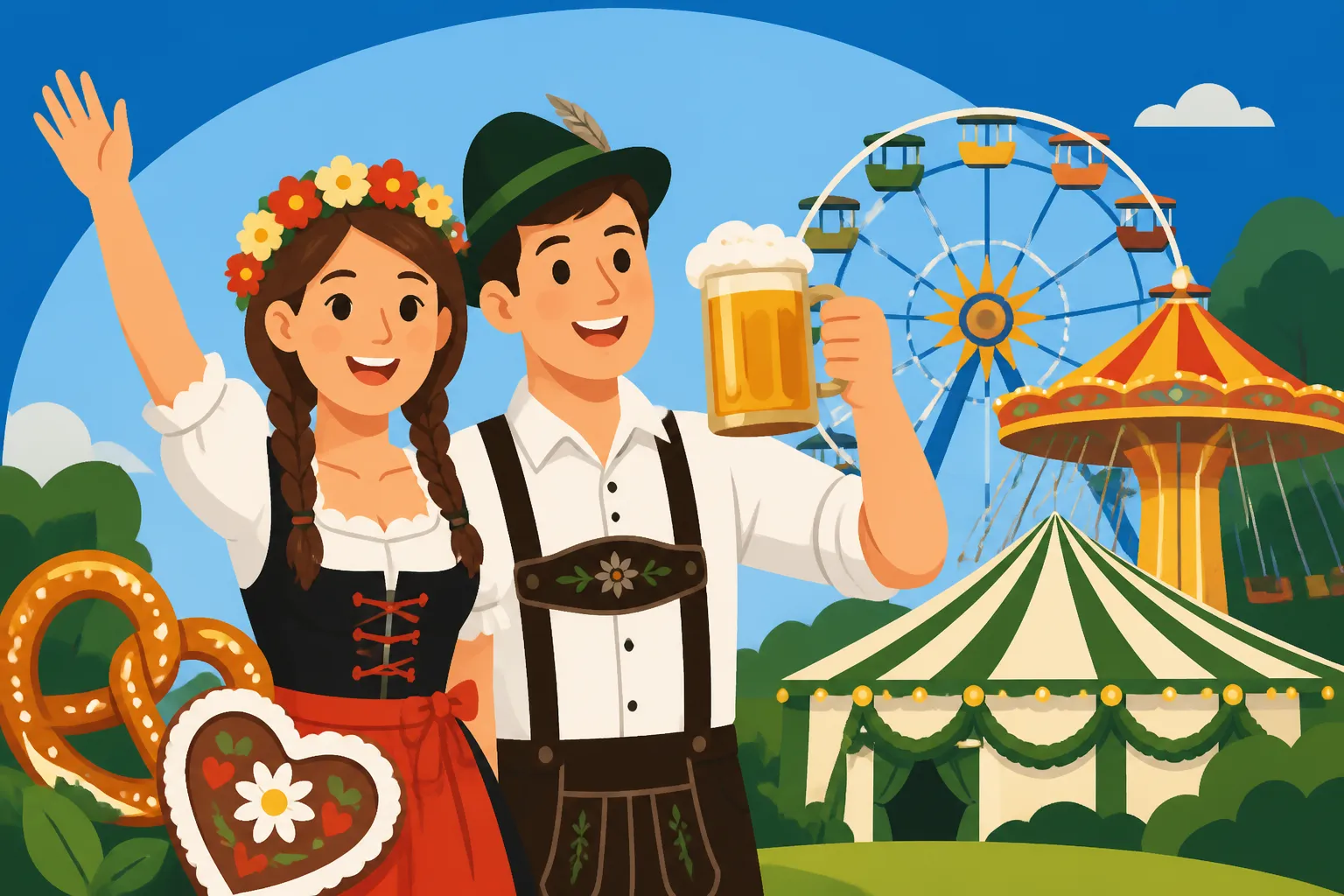
While it’s not always expected for everyone to wear traditional Tracht (like Lederhosen or Dirndl) to a local Volksfest, you will often see many locals, especially in Bavaria and Baden-Württemberg, proudly donning their regional attire. This isn’t a fancy dress party; it's a genuine expression of cultural heritage. If you're feeling adventurous and want to truly immerse yourself, investing in some quality Tracht can be a fun way to participate, but never feel pressured. Your enthusiasm and respect for the traditions are what truly matter.
The music at a Volksfest is another vital element of cultural immersion. While some larger ones might have modern music, smaller festivals often feature traditional Blasmusik (brass band music) playing lively polkas, waltzes, and folk tunes. This music is often deeply ingrained in German cultural identity, and it’s infectious. You’ll see people tapping their feet, singing along, and even spontaneously dancing. It's an auditory journey into the heart of German tradition. Don't be shy about clapping along or even attempting a dance if the mood strikes you. It’s all part of the Gemütlichkeit!
By engaging with the food, music, traditions, and the people themselves, you'll find that Volksfeste offer a truly unique and heartwarming cultural experience that goes far beyond what any guidebook can teach you.
Here’s a quick overview of some common Volksfest types and what to expect:
| Volksfest Type | Typical Season | Main Focus | Common Region(s) | Key Experience |
|---|---|---|---|---|
| Frühlingsfest | Spring | Celebrating the arrival of spring, funfair, beer | Nationwide | Lighter atmosphere, family-friendly rides, seasonal food. |
| Maibaumfest | Spring (May 1) | Raising a Maypole, traditional dances, community | Bavaria, Baden-Württemberg, parts of Rhineland | Witnessing ancient customs, local pride, brass bands. |
| Schützenfest | Summer | Shooting competitions, parades, community celebration | North Rhine-Westphalia, Lower Saxony, Northern Germany | Historical traditions, marching bands, lively beer tents. |
| Weinfest | Summer/Autumn | Celebrating local wine harvest, tastings, food | Rhine, Moselle, Franconia, Baden | Elegant atmosphere, wine sampling, regional wine pairings. |
| Kirchweih/Kirmes | Autumn | Church consecration anniversary, funfair, market | Bavaria, Franconia, Rhineland, Hesse | Deep-rooted local traditions, specific regional dishes. |
| Jahrmarkt | Year-round | Annual market, often with fairground rides, goods | Nationwide | Traditional market stalls, crafts, simple funfair. |
Disclaimer
Please note that while this guide provides general information about local folk festivals in Germany, specific details such as dates, activities, and local customs can vary greatly from one region or even village to another. We always recommend checking local official sources or tourist information for the most accurate and up-to-date information before planning your visit. Enjoy exploring the wonderful world of German Volksfeste!