How to Find a Weekly Market (Wochenmarkt) in Germany
Ah, the German weekly market, or Wochenmarkt! If you're anything like I was when I first moved to Germany, the sheer thought of navigating a new country's food shopping system can feel like climbing Mount Everest in flip-flops. You're probably used to the convenience of a giant supermarket, perhaps even 24/7 shopping back home, and then you arrive here, and suddenly everything closes early, and Sundays are for… well, definitely not shopping. But let me tell you, discovering the Wochenmarkt is one of those quintessential German experiences that truly makes you feel like you've arrived. This guide will help you unravel the magic of these markets and ensure you find the freshest produce, connect with local vendors, and immerse yourself in a vibrant piece of German culture.
What Exactly is a "Wochenmarkt" and Why You'll Love It
The Wochenmarkt is far more than just a place to buy groceries; it's a living, breathing tradition that anchors many German towns and cities. Imagine a central square, often bustling with activity, filled with colorful stalls overflowing with fresh, seasonal produce, artisanal cheeses, crusty bread, fragrant flowers, and so much more. It's a stark contrast to the often sterile environment of a modern supermarket, and that's precisely its charm. For expats and tourists alike, it's an opportunity to experience Germany through its local flavors and community spirit.
Disclosure: This post may contain affiliate links. We may earn a commission at no extra cost to you if you make a purchase through these links. Read full disclosure.
When I first stumbled upon a Wochenmarkt in my little town near Frankfurt, I was immediately struck by the lively atmosphere. The chatter of people, the calls of vendors, the vibrant colors of the fruits and vegetables – it was a feast for the senses. I remember thinking, "This is what I've been missing!" It validates that feeling of being overwhelmed by endless supermarket aisles, knowing that here, you're directly connecting with the source. These markets are a testament to Germany's commitment to quality, seasonality, and local commerce. They're a social hub, a place to meet friends, grab a coffee, and simply soak in the local vibe.
More Than Just Groceries: The Market Experience
The beauty of a Wochenmarkt lies in its holistic experience. It’s not just about ticking items off your shopping list; it’s about engaging with the food you eat and the community around you. You’ll find farmers proudly displaying their harvest, often straight from their fields just a few kilometers away. This means the produce is incredibly fresh, often organic (though you'd have to ask to be sure, or look for specific Bio-Siegel), and reflects the current season. Forget tasteless tomatoes in winter – here, you'll be guided by what nature provides.
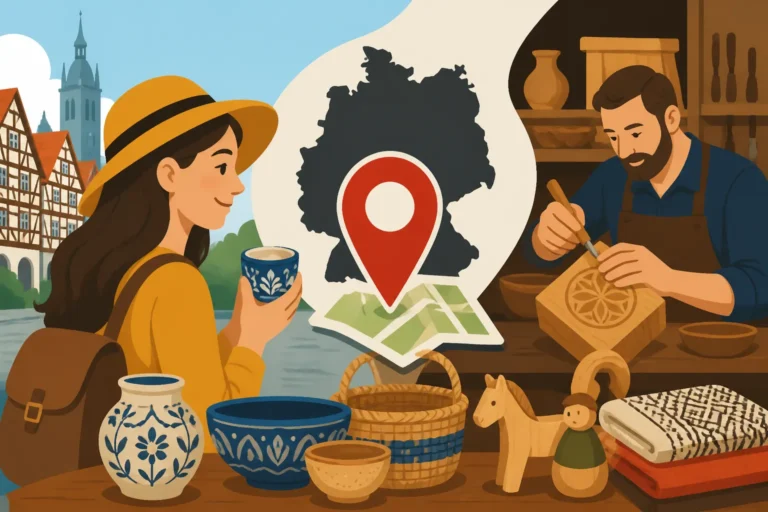
Beyond the fruits and vegetables, you'll discover a treasure trove of regional specialties. Think artisanal cheeses from local dairies, freshly baked bread still warm from the oven, homemade jams, honey, and often a butcher selling high-quality meats and sausages. In larger cities, you might even find international food stalls, adding a wonderful multicultural flavor to the traditional German offerings. I've often picked up a fantastic locally-made pesto or a unique spice blend that I wouldn't find anywhere else. Sometimes, there are small craft stalls selling handmade jewelry, pottery, or textiles, making it a perfect spot to find a unique souvenir or gift. This vibrant tapestry of offerings makes the Wochenmarkt an indispensable part of German daily life.
Your Go-To Strategies for Finding a Weekly Market
Finding your local Wochenmarkt might seem like a secret handshake at first, especially if your German isn't quite fluent yet. But trust me, once you know where to look, they're everywhere! It's less about a single, centralized database and more about tapping into local knowledge and a few key online resources. Unlike the more commercial shopping experiences, these markets thrive on local presence, so your search strategy needs to reflect that community-centric approach.
The good news is, Germany is a country that appreciates order and information, even for something as charmingly rustic as a farmers' market. You just need to know which doors to knock on, metaphorically speaking. Don't be shy about asking around; Germans, while sometimes perceived as reserved, are usually very happy to share useful local information, especially if it helps you enjoy their culture.
Local Knowledge and Online Resources
One of the best ways to find a Wochenmarkt is to simply ask a local. If you've managed to make friends in Germany, they'll likely know exactly when and where their local market pops up. Your neighbors, the friendly person at the Bäckerei (bakery), or even colleagues at work are excellent sources. Just ask, "Wo ist der Wochenmarkt hier?" (Where is the weekly market here?) or "Wann ist Wochenmarkt in [city/town name]?" They'll usually point you in the right direction and might even share a pro tip or two.
For a more structured approach, your first digital stop should always be the official website of your local city or town (the Gemeinde or Stadtverwaltung). Most German municipalities have a section, often under "Tourism," "Leisure," or "Shopping," that lists the weekly markets, their locations, and operating hours. For example, a quick search for "Wochenmarkt Berlin" or "Wochenmarkt München" will yield official listings from the respective city councils. These sites are generally reliable and up-to-date. Sometimes these are tucked away, so be prepared to do a bit of digging, but the information is usually there.
Beyond official websites, there are a few larger online platforms and apps that try to consolidate market information, though they might not cover every tiny village. Websites like Marktstammdatenbank.de or general regional tourism sites can be good starting points. While brands like Omio are fantastic for planning your train journeys to visit markets in other cities, and Booking.com helps you find accommodation near a vibrant market square, for the day-to-day market finding, local municipal sites are usually best. Don't forget to check local event calendars, which often highlight special markets or seasonal events.
Timing and Location: When and Where to Go
Weekly markets, as the name suggests, don't operate daily. They typically set up shop on specific days of the week, often Tuesdays, Thursdays, or Saturdays, and sometimes a smaller one on Fridays. The hours are usually morning to early afternoon, often from around 8:00 AM to 1:00 PM or 2:00 PM. Weekends, especially Saturdays, tend to be the busiest and most vibrant. It’s a good idea to arrive earlier in the morning for the best selection, though going a bit later can sometimes snag you a deal as vendors try to clear their remaining stock before packing up.
The location is almost invariably a central public square. Look for the Marktplatz (market square), Rathausplatz (town hall square), or a prominent square in the old town (Altstadt). These are historical gathering places, and the tradition of the market has endured there for centuries. For instance, in Cologne, you’ll find several markets, with the one at Neumarkt being particularly popular. In Hamburg, there are numerous neighborhood markets like the Isemarkt, famous for being under a viaduct. Knowing these common location types will give you a good idea of where to start looking even before you consult a website. Be aware that during major public holidays or festivals, the market might be moved or canceled, so always double-check if your visit coincides with one of Germany's many public holidays.
Essential Tips for Your First Wochenmarkt Visit
Alright, you’ve found a Wochenmarkt, picked your day, and you’re ready to dive in. Fantastic! But before you go, a few insider tips can make your first experience smooth and enjoyable. This isn't your average grocery run, and embracing the distinct German market culture will truly enhance your visit. Remember, it's about engagement and appreciating the small differences that make German life so unique.
When I first started going to the Wochenmarkt, I made a few rookie mistakes, like showing up empty-handed or trying to pay with a large bill for a €2 purchase. Learning these unwritten rules makes you feel less like a tourist and more like a local, which is always the goal, right?
Navigating the Market Like a Pro
First and foremost: bring cash! While card payments are slowly becoming more common in Germany, especially with newer vendors or larger stalls, many Wochenmarkt sellers still operate on a cash-only basis. Even if they accept cards, smaller purchases are often preferred in cash. Have a good mix of small bills (€5, €10, €20) and coins to make transactions easy. You don’t want to be that person holding up the line while the vendor searches for change for your €50 note for a bunch of carrots. Remember, using cash vs. card in Germany is a subtle but important cultural point, especially in more traditional settings.
Next, bring your own bags. Germans are generally very environmentally conscious, and bringing reusable bags (Stoffbeutel or Einkaufstasche) is not just good for the planet, it’s standard practice. Many vendors won't automatically offer you a bag, or they might charge a small fee. Having a few sturdy bags, maybe even a basket or a wheeled shopping trolley (Einkaufstrolley), will make carrying your fresh bounty much easier.
Consider how you'll get there. Public transport is often the easiest way to reach central market squares. Germany has an excellent transportation system, and many city markets are conveniently located near bus, tram, or U-Bahn stops. If you're driving, parking can be a challenge in busy city centers, especially on market days. Plan ahead by looking up nearby parking garages or consider leaving your car at home.
What to Buy and How to Engage
When it comes to what to buy, prioritize seasonal and regional produce. This is where the Wochenmarkt truly shines. Don't be afraid to ask, "Was ist saisonal?" (What's in season?) or "Woher kommen die Produkte?" (Where do the products come from?). Vendors are usually delighted to share this information and often have excellent recommendations. Buying what’s in season ensures the freshest taste and supports local farmers, which is a win-win. Take a look at the stall, see what looks vibrant and appealing. Often, you can buy smaller quantities of things too, which is great for trying new ingredients without committing to a whole kilo.
Don't be shy about engaging with the vendors. A friendly "Guten Morgen" and a smile go a long way. If your German is limited, pointing and using simple phrases like "Ich hätte gerne…" (I would like…) or "Wie viel kostet das?" (How much does that cost?) are perfectly acceptable. Many vendors, especially in larger cities, might even speak a little English, and they appreciate the effort. Asking for a taste of cheese or a particular fruit is sometimes possible, just ask politely. For example, at a cheese stall, you might say, "Darf ich mal probieren?" (May I try some?). This interaction is part of the charm and connection of market shopping.
Look out for special regional products that you might not find in regular supermarkets. This could be specific types of bread, unique sausages like Thüringer Rostbratwurst or Bratwurst depending on your region, or unusual varieties of fruits and vegetables. Often, the quality of these goods far surpasses what you'd find elsewhere, justifying a slightly higher price point. If you’re visiting a specific region, check out guides like Bavaria for Travelers for regional food specialties you might encounter.
Here's a quick cheat sheet for your market visit:
| Tip Category | What to Remember | Why It Matters |
|---|---|---|
| Payment | Bring cash (small bills & coins). | Many vendors are cash-only, speeds up transactions. |
| Bags | Bring reusable shopping bags. | Environmentally friendly and expected; vendors may not provide bags. |
| Timing | Arrive earlier for best selection, later for potential deals. | Freshness and variety are best in the morning. |
| Language | Learn a few basic German phrases; don't be afraid to point. | Shows respect, helps with communication, and many vendors appreciate the effort. |
| Engagement | Be friendly, ask questions about produce origins/seasonality. | Builds connection, gets recommendations, enhances the experience. |
| Transport | Plan public transport routes; parking can be tricky. | Markets are usually central, making public transport ideal. |
| Exploration | Walk around first, compare prices, look for unique regional specialties. | Helps you find the best quality and value before committing. |
| Produce Quality | Focus on seasonal and regional goods for the best taste and freshness. | This is the main advantage over supermarkets. |
The Wochenmarkt is truly one of the joys of living in or visiting Germany. It's a chance to slow down, connect with the roots of German culture, and enjoy truly fresh food. So grab your bags, some cash, and a sense of adventure, and go explore!
Disclaimer
The information provided in this guide is intended for general informational purposes only and does not constitute professional advice. While we strive to keep the content accurate and up-to-date, market schedules, vendor offerings, and local regulations can change. Always verify current information with official local sources or inquire directly at the market. Personal experiences and recommendations are subjective.