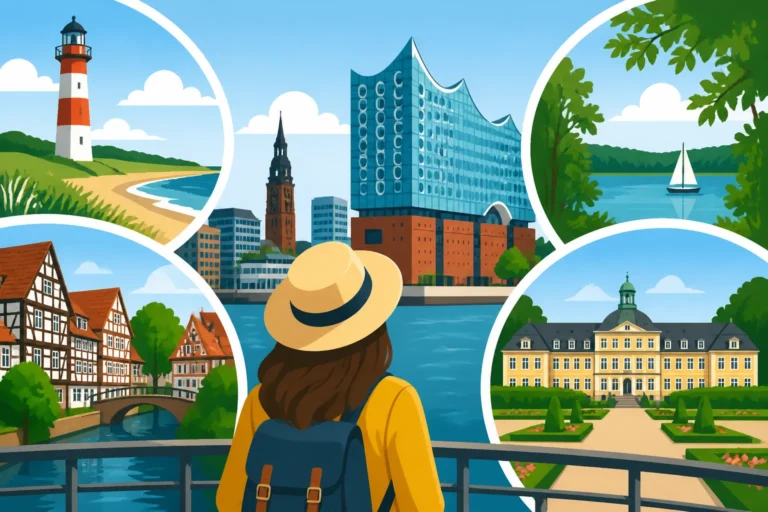
Summer on the Baltic: Why Coastal Rates Spike in July and August
Oh, the German Baltic Sea coast in July and August! It’s truly a magical place, but if you’ve ever tried to book a spontaneous summer getaway there, you’ve likely stared at those sky-high accommodation prices with wide-eyed disbelief. It’s a common frustration for expats and tourists alike, wondering why a simple week by the sea costs an arm and a leg during those specific months. This guide will peel back the layers, explaining precisely why coastal rates spike so dramatically and, more importantly, how you can navigate this seasonal price surge to still enjoy Germany's beautiful northern shores, especially by leveraging tools like Booking.com.
Disclosure: This post may contain affiliate links. We may earn a commission at no extra cost to you if you make a purchase through these links. Read full disclosure.
The Irresistible Allure of the Baltic Sea in Summer
Let's be honest, there's a reason everyone flocks to the Baltic Sea (Ostsee) when the mercury rises. It's not just a casual preference; it's a deep-seated cultural phenomenon driven by perfect conditions and a tradition that spans generations.
Perfect Weather and Pristine Beaches
When summer hits Germany, many of us are desperate for sun, sand, and relief from the heat. The Baltic Sea delivers this in spades. July and August typically offer the warmest temperatures, with long, bright days that seem to stretch on forever. The water, while never exactly tropical, becomes perfectly inviting for a dip, and the gentle waves are ideal for families with children. Imagine waking up to a cool sea breeze, spending your days lounging on the fine, white sand of beaches like those in Timmendorfer Strand or Binz, and then enjoying a sunset stroll along the pier. This idyllic picture is precisely what draws millions, making the demand for accommodation skyrocket.
The clean air, the soothing sound of the waves, and the sheer natural beauty of the coastline are unparalleled. It’s a chance to truly unwind and disconnect from the hustle and bustle of city life. For many Germans, and increasingly for expats, it's the quintessential summer escape, a tradition etched into the national psyche.
Activities Galore: Family Fun, Water Sports, and Cultural Events
Beyond the simple pleasure of the beach, the Baltic Sea coast transforms into a vibrant hub of activity during the summer months. Resorts like Warnemünde, Usedom, and Fehmarn come alive with options for every taste. Families find endless entertainment, from building sandcastles to exploring playgrounds and amusement parks. Water sports enthusiasts can indulge in sailing, windsurfing, kitesurfing, or stand-up paddleboarding, often with rental services and lessons readily available right on the beach.
Evenings are just as lively, with beachfront festivals, open-air concerts, and local markets showcasing regional crafts and delicacies. Many towns host weekly events, from lantern parades to fireworks displays, adding to the festive atmosphere. There’s a palpable energy that draws people in, creating a powerful pull that translates directly into increased demand for every available room, apartment, or campsite. The sheer volume of things to do, whether it’s a quiet walk through a nature reserve or a bustling evening at a pier concert, cements its status as the summer destination.
The "Sommerfrische" Tradition: Germany's Summer Holiday Culture
To truly grasp the pricing phenomenon, you need to understand the concept of "Sommerfrische" or "Sommerurlaub" in Germany. This isn't just a vacation; it's a deeply ingrained cultural ritual. For decades, German families have marked their calendars for their annual summer trip to the Ostsee, often returning to the same beloved spots year after year. Schools are out, industries often slow down, and it's the designated time for families to reconnect and recharge.
This tradition creates a predictable, concentrated period of demand. Think of it like a national pilgrimage to the coast. This isn't unique to Germany; many European countries have similar patterns. What it means for you, the traveler, is that hotels, guesthouses, and vacation rentals know that their July and August calendars will be fully booked, almost regardless of price, because this is the time when everyone takes their primary holiday. The sense of urgency and expectation among locals to secure their preferred spot is intense, and this drives booking behavior months, sometimes even a year, in advance.
Understanding the Economics of Supply and Demand on the Coast
At its core, the spike in prices is a classic case of supply and demand, intensified by the unique characteristics of coastal tourism. It’s not about greed (though some might feel that way when looking at the bills!), but about market forces at play.
Peak Season = Peak Prices: When Demand Outstrips Supply
The simplest explanation is that when everyone wants to be in the same place at the same time, the cost of being there goes up. July and August represent the absolute peak season for the Baltic Sea. This isn’t a secret; it’s widely known, and businesses adjust their pricing accordingly. Accommodation providers, from luxury hotels to small family-run Pensionen and private apartment rentals, operate on a seasonal model. They know that these two months are when they will make the bulk of their annual revenue.
During peak season, demand far outstrips the available supply. Websites like Booking.com show properties getting snapped up quickly, and the few remaining options command premium prices. This isn't just about hotels; it extends to everything from ice cream prices on the promenade to boat rentals and even restaurant reservations. The sheer volume of visitors creates an economic environment where higher prices are not only tolerated but expected by the market. If you’re trying to book a week in August, you’re competing with hundreds of thousands of other eager holidaymakers.
Limited Accommodation Capacity
Unlike a major city where new hotels can constantly be built or existing structures repurposed, coastal towns have natural limitations. There's only so much beachfront property, only so many quaint village houses, and often strict building regulations designed to preserve the character and environment of these beloved areas. This means the overall number of available beds is relatively fixed.
When you factor in that many properties are vacation homes owned by individuals who may use them themselves for part of the summer, or rent them out for specific, long-term periods, the truly available short-term rental market shrinks even further. This scarcity, combined with the concentrated demand, creates a bottleneck that inevitably pushes prices skyward. You can see this effect vividly on Booking.com when you search for popular dates – the availability dwindles rapidly, and only the highest-priced options remain.
Operational Costs and Seasonal Staffing
It's also worth remembering the financial realities faced by businesses in these seasonal locations. Running a hotel, restaurant, or rental agency on the coast isn't cheap, especially when much of their income is generated within a narrow window. They have significant operational costs, including maintenance for saltwater environments, property taxes, and the general wear and tear from constant use.
Furthermore, a large portion of the workforce in these areas is seasonal. Attracting and retaining staff for just a few months, often from other regions or countries, means offering competitive wages, housing, and benefits. These higher labor costs, alongside increased energy consumption (think air conditioning in peak heat, extra laundry, etc.), need to be absorbed. These costs are naturally factored into the pricing during the high-demand periods to ensure profitability throughout the entire year, including the quieter, less lucrative shoulder and off-seasons.
Strategies to Navigate High Summer Prices on the Baltic Coast
So, does this mean a summer trip to the German Baltic Sea is out of reach? Absolutely not! It just means you need to be smart and strategic in your planning. Here are some seasoned expat tips for scoring a great deal.
The Power of Early Booking
This is, hands down, your most effective strategy. If you know you want to experience the Baltic Sea in July or August, start looking for accommodation as early as possible. We're talking 6-12 months in advance, seriously! Many of the most desirable vacation rentals, especially those popular for families or larger groups, are booked up an entire year ahead. Hotels often release their rooms many months in advance too.
By booking early, you get access to a wider selection of properties and, crucially, better rates. The closer you get to the peak season, the fewer options will be left, and the prices for those remaining will reflect their scarcity. Platforms like Booking.com are your best friend here, as they allow you to filter by availability months in advance and sometimes offer "early bird" discounts. Being proactive can save you hundreds of euros and guarantee you the spot you truly want.
Exploring Shoulder Seasons: Late May to Mid-June or Early September
If your schedule allows, consider shifting your travel dates to the "shoulder seasons." This typically means late May to mid-June or the first two to three weeks of September. The weather during these periods can still be absolutely gorgeous, often with plenty of sunshine and pleasant temperatures. The water might be a tad cooler in early June or late September, but it's still perfectly swimmable for many.
The huge advantage? Significantly fewer crowds and noticeably lower prices. You’ll find better deals on accommodation, and the beaches, promenades, and restaurants will be far less hectic. Many of the attractions and activities are still fully operational, especially in June and early September. You still get the Baltic Sea experience, but without the intense competition and price gouging of high summer. This is often the sweet spot for those who prefer a more relaxed atmosphere and better value for their money. Discover more about Visiting Germany in Summer: Festivals and Long Days to plan around these times.
Consider Less-Known Gems
While the popular resorts like Sylt, Rügen, Usedom, and Timmendorfer Strand are undeniably beautiful, they also command the highest prices. Germany's Baltic coast is vast, and there are many charming, slightly less-famous towns and villages that offer similar natural beauty and a more authentic, relaxed vibe.
Look into places like Zingst, Prerow, or smaller communities on the Darß peninsula. Even towns just slightly inland, a short drive from the beach, can offer much more affordable accommodation options. You might not be directly on the beachfront, but a quick bike ride or bus trip could get you there, and your wallet will thank you. Use the map view on Booking.com to scout out areas slightly off the main tourist drag – you might uncover a fantastic, budget-friendly find. Don't forget to check out The Baltic and North Sea Coasts for Visitors for more hidden treasures.
Flexible Dates and Longer Stays
Sometimes, being flexible with your arrival and departure days can unlock better prices. Mid-week stays (Tuesday to Thursday) are often cheaper than weekend nights. If you can, try to avoid Saturday-to-Saturday bookings, which are standard for many vacation rentals, as they are in highest demand.
Additionally, some properties, especially vacation apartments or Ferienwohnungen, offer weekly rates that might make a longer stay more cost-effective per night than a shorter one. If you’re planning a two-week trip, sometimes combining a full week at one location with a full week at another, or extending your stay slightly, can trigger better pricing tiers. It's always worth playing around with the dates on Booking.com's flexible search options to see what gems appear.
Making the Most of Your Baltic Summer Getaway with Booking.com
Now that you understand the "why" and "how" of Baltic Sea pricing, let's talk about the "what." Booking.com isn't just a website; it's a powerful tool that, when used strategically, can unlock your dream summer escape even amidst peak season challenges.
Utilizing Booking.com's Features for Smart Booking
Booking.com excels because of its robust search and filtering capabilities. When planning your Baltic adventure, especially in July and August, these features become invaluable:
- Advanced Filters: Don't just search for "Baltic Sea." Use filters for your specific needs: "beachfront," "family-friendly," "pets allowed," "with kitchen," "parking included." This helps narrow down suitable options quickly.
- Price Range: Set a realistic budget. While it might feel disheartening, seeing results within your desired price range, even if limited, is better than being overwhelmed by out-of-budget choices.
- Guest Reviews: This is gold. Always read recent reviews to get a true sense of the property, its location, and the host. Especially in peak season, you want to know if previous guests found the value acceptable for the price.
- "Free Cancellation" Options: Many properties on Booking.com offer free cancellation up to a certain date. This is a lifesaver. You can book early to secure a good price and location, and then continue looking for even better deals or adjust your plans without penalty. Just make sure you understand the terms for each booking!
- Deals and Discounts: Keep an eye out for "Genius Discounts" or other seasonal promotions. Sometimes properties will offer last-minute deals if they haven't filled their rooms, but this is a much riskier strategy for peak summer. Booking early is still king for general availability, but occasional deals pop up.
Beyond Hotels: Exploring Different Accommodation Types
While hotels are great, the Baltic Sea coast offers a diverse range of accommodation types, and Booking.com lists many of them. Expanding your search beyond traditional hotels can open up more affordable or unique options:
- Apartments (Ferienwohnungen): These are incredibly popular in Germany and offer more space, a kitchen (saving you money on eating out), and a home-away-from-home feel. They're perfect for families or longer stays.
- Guesthouses (Pensionen): Often smaller, family-run establishments that provide a more personal touch and can sometimes be more budget-friendly than larger hotels. They might not have all the amenities, but they offer charm and local insights.
- Holiday Parks/Resorts (Ferienparks): These are fantastic for families, offering a range of self-catering bungalows or apartments, often with shared facilities like pools, playgrounds, and entertainment programs. They can offer great value, especially if you book well in advance.
- Camping/Glamping: For the adventurous, many coastal areas have excellent campsites. While Booking.com might not list all of them, it's worth checking for unique glamping options or mobile homes within holiday parks.
Considering Accommodation in Germany: Hotels, Pensionen, and Hostels can help you understand the nuances of each type.
Securing the Best Value: Tips for a Satisfying Stay
Even with higher prices, you can still ensure you get excellent value for your money and have a fantastic Baltic Sea experience.
- Location, Location, Location: Decide what's most important to you. Is it direct beach access, proximity to restaurants, or a quiet retreat? Filter for this. A slightly cheaper option a 15-minute walk from the beach might be better value than an overpriced beachfront room if you don't plan to spend all day on the sand.
- Amenities Check: Carefully review what's included in the price. Does it include breakfast? Parking? Wi-Fi? Sometimes a slightly more expensive room that includes these "extras" ends up being better value than a cheaper room where you pay for everything separately.
- Read the Fine Print: Especially with vacation rentals, understand cleaning fees, tourist taxes (Kurtaxe), and any other potential hidden costs. Booking.com usually makes these clear, but it's always good to double-check.
- Factor in Transportation: If you choose a location slightly further afield, consider the cost and convenience of getting to the main attractions. Is there good public transport? Do you have a car? Will you be using Deutsche Bahn Guide: Using Trains for City and Long-Distance Travel or driving your own vehicle? These can impact your overall budget.
- Local Experiences: Once you've secured your stay, look into local activities that are free or low-cost. Beach walks, cycling along coastal paths, exploring nature reserves, or simply enjoying a picnic on the beach can make your trip memorable without breaking the bank. For budgeting tips, check out Cost of Living in Germany: Budgeting Guide for Expats.
By combining an understanding of why prices spike with savvy booking strategies, particularly using a versatile platform like Booking.com, your dream summer on the Baltic Sea is absolutely within reach. Don't let the initial sticker shock deter you – a bit of planning goes a long way!
Peak Season vs. Shoulder Season: A Quick Comparison
To help you visualize your options, here’s a breakdown of what to expect when choosing between the absolute peak of summer and the slightly quieter, more budget-friendly shoulder seasons on Germany's Baltic coast.
| Feature | Peak Season (July-August) | Shoulder Season (Late May-June, Early Sept.) |
|---|---|---|
| Accommodation Prices | Highest | Moderate to Lower (often 15-30% less) |
| Crowds | Very high, especially on popular beaches and towns | Moderate, fewer people, especially on weekdays |
| Weather | Warmest, highest chance of consistent sun, pleasant water | Still warm, good sun, but slightly cooler water/evenings |
| Availability | Very limited, requires booking 6-12 months in advance | Good, more choice, can sometimes find last-minute deals |
| Atmosphere | Lively, festive, bustling with events and activities | Relaxed, calmer, most attractions still open |
| Family Friendliness | Excellent, lots of kids' programs | Still great, but perhaps fewer organized kids' activities |
| Water Sports | All services fully operational | Most services operational, some may have reduced hours in Sept. |
Ultimately, the best time to visit depends on your priorities and flexibility.
Disclaimer
This article is for general informational purposes only and does not constitute professional advice. Laws, prices and regulations vary by location and change over time. Consult a qualified professional for guidance on your specific situation.