Skiing in Germany: Resorts and Season Basics
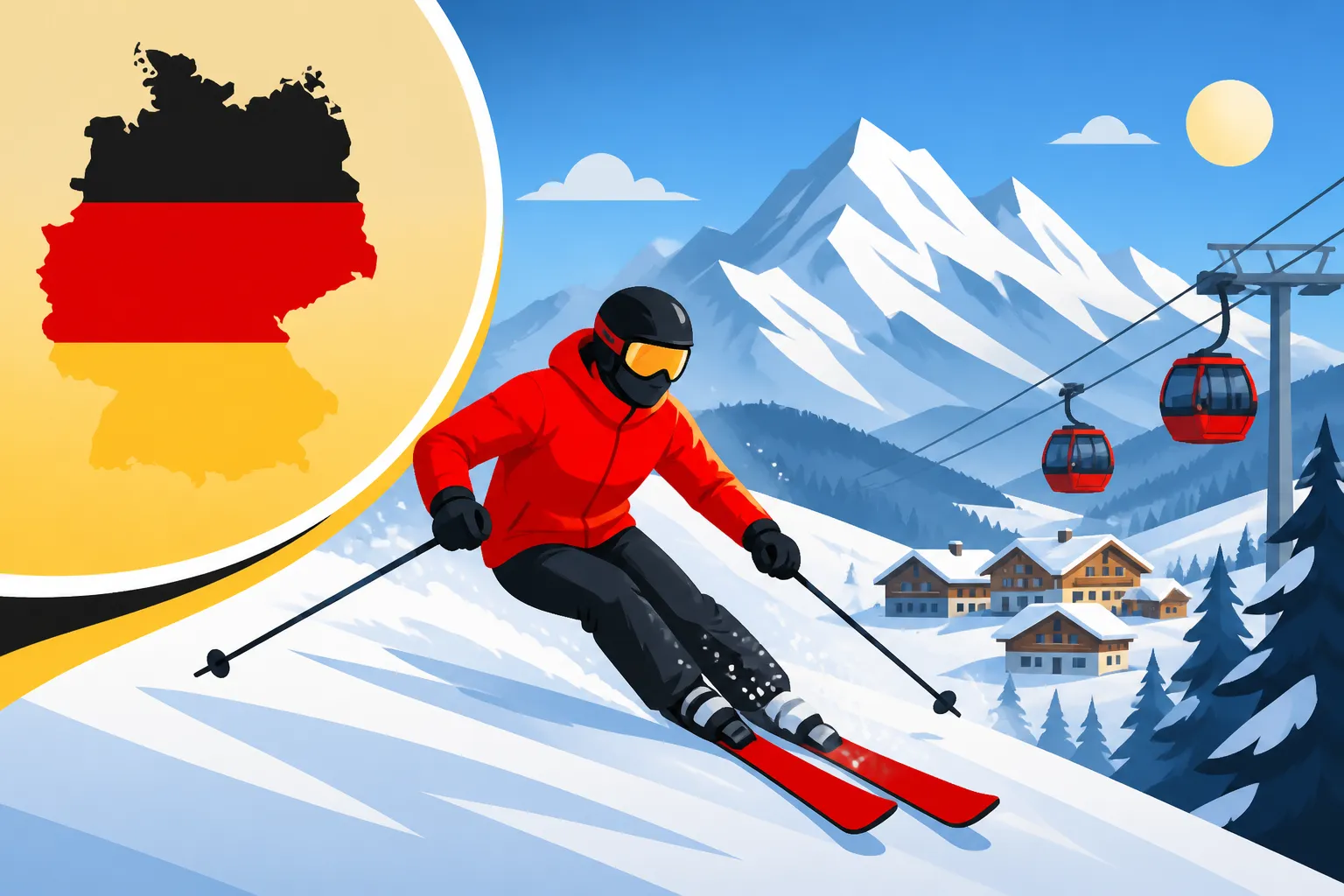
Alright, my fellow expats and travel enthusiasts, so you've found yourself in Germany, perhaps enjoying the bustling cities or the serene countryside, but have you ever considered strapping on some skis and hitting the slopes right here? Many newcomers, and even some long-term residents, are surprised to learn that Germany boasts a fantastic, albeit often overlooked, skiing scene that rivals some of its more famous Alpine neighbors. This guide is all about giving you the inside scoop on where to go, when to go, and how to make the most of your German skiing adventure, without the usual headaches of navigating a new system.
Disclosure: This post may contain affiliate links. We may earn a commission at no extra cost to you if you make a purchase through these links. Read full disclosure.
Germany's Surprisingly Diverse Ski Landscape: More Than Just the Alps
When most people think of skiing in Germany, their minds immediately jump to Bavaria, and for good reason! The majestic Bavarian Alps are indeed the crown jewel of German skiing, offering breathtaking scenery and slopes for all abilities. But trust me, as someone who's explored a fair bit of this country, there's a whole lot more to discover beyond the famous southern peaks. Germany's ski regions are more varied than you might expect, from high-altitude glaciers to charming, forested low mountain ranges, each with its own unique flavor and appeal.
The Majestic Bavarian Alps: Iconic Destinations
Okay, let's be real, the Bavarian Alps are where it's at for that classic, postcard-perfect Alpine experience. This is where Germany truly flexes its snowy muscles, offering some seriously impressive terrain and infrastructure. You'll find yourself amidst towering peaks, often capped with pristine white, and a distinct Bavarian charm that is utterly infectious.
One of the most famous destinations, and for good reason, is Garmisch-Partenkirchen. This isn't just a pretty town; it's a dual-purpose Olympic host city that offers access to the mighty Zugspitze, Germany's highest mountain. The views from up there are simply unparalleled – on a clear day, you feel like you can see forever, across Germany, Austria, and even into Italy. The Zugspitze glacier offers reliable snow conditions often stretching into spring, making it a great option for early or late-season skiing. Down in the valleys around Garmisch, you'll find classic resorts like Garmisch Classic (Hausberg, Kreuzeck, Alpspitze) which offer a fantastic mix of blue, red, and black runs. It’s a great place for families, but also has some more challenging pistes if you’re looking to push yourself. Another popular spot in the region is Berchtesgaden, nestled in the southeastern corner of Bavaria. Here, you have smaller, more intimate ski areas like Jenner, offering stunning views over the Königssee, and Hochschwarzeck, which is perfect for beginners and families looking for a more relaxed atmosphere. It's not about the sheer size here, but the utterly charming, authentic Bavarian experience. For more on this stunning region, check out our guide on The German Alps: Garmisch, Zugspitze, and Berchtesgaden.
Beyond Bavaria: Exploring Other German Ski Regions
Now, for those of you who might find Bavaria a bit too crowded or perhaps a little out of the way, Germany has some fantastic, often less-hyped, ski regions that are absolutely worth exploring. These areas might not boast the dizzying heights of the Alps, but they offer charm, excellent family-friendly options, and often more budget-friendly prices.
Head north, into the central highlands, and you'll discover the Harz Mountains. This region, straddling Lower Saxony and Saxony-Anhalt, is a hidden gem for winter sports enthusiasts from northern Germany. While the mountains aren't as high, places like Braunlage and Wurmberg offer a decent network of slopes, modern lifts, and even some cross-country skiing trails. It’s a wonderfully accessible option for a weekend trip if you're living in, say, Hanover or Berlin. The atmosphere is generally more relaxed, and it’s especially good for beginners or those just looking to enjoy the winter scenery. Further west, in North Rhine-Westphalia, lies the Sauerland region. Often dubbed "Winterberg," after its most prominent resort, this area is incredibly popular with Dutch and Belgian visitors, as well as those from the Rhine-Ruhr area. Winterberg itself is a bustling resort with a good selection of slopes, snow parks, and even a bobsled track. It also makes heavy use of snow-making equipment, which is a lifesaver when natural snowfall is sparse. It's compact, well-organized, and offers a fun, lively experience, especially for those looking for short, accessible ski getaways. While the slopes might not challenge expert skiers for days on end, they're perfect for a quick fix or for improving your technique.
Navigating the German Ski Season: When to Go for the Best Experience
Like anywhere, timing is everything when it comes to planning a ski trip in Germany. The season can vary quite a bit depending on the altitude and the specific resort, but generally, you'll find the slopes open for a good chunk of the winter. Understanding the nuances of the season, from peak times to the quieter shoulder months, can really make a difference to your experience, whether you're chasing fresh powder or looking for a bargain.
Peak Season vs. Shoulder Months: Timing Your Trip
The main German ski season typically kicks off in mid-December and runs through to early March, with some high-altitude resorts in the Alps staying open even longer, often into April or even early May, thanks to glacier skiing.
Peak Season in Germany generally revolves around the Christmas holidays, New Year's, and the school holidays in February and early March. If you're planning a trip during these times, expect bustling resorts, crowded slopes, and higher prices for accommodation and lift passes. The atmosphere, however, is electric – think festive lights, busy aprés-ski bars, and a general buzz of excitement. If you're after guaranteed snow and a lively vibe, this is your window. Just remember to book everything well in advance, from your flights or train tickets (check out Omio for cross-border travel deals and Deutsche Bahn for domestic routes!) to your hotel or Airbnb. Finding last-minute deals during these periods can be incredibly challenging, and often, you'll pay a premium.
For those who prefer a more relaxed experience, the shoulder months are your best bet. January, after the New Year's rush and before the main February school holidays, can offer fantastic conditions with fewer crowds. The temperatures are usually at their coldest, meaning good snow preservation, and you might even snag some better deals on lodging. Similarly, late March and early April can be glorious, especially in the higher Alpine resorts. You'll often find warmer temperatures, sunnier skies, and still plenty of snow, especially on north-facing slopes or glacier areas. The days are longer, making for more pleasant skiing, and the aprés-ski can feel more like a sun-drenched terrace party. The crowds thin out considerably, and prices tend to drop. If you're flexible with your dates and don't mind potentially softer snow in the afternoons, a spring ski trip can be truly magical.
Weather Realities and Snowfall Expectations
Germany's weather can be, shall we say, a bit unpredictable. While the Alps are generally reliable for snowfall, especially from January onwards, other lower mountain ranges rely more heavily on specific weather patterns. In recent years, resorts have heavily invested in snow-making equipment, which is fantastic news for consistent conditions. Even if there hasn't been a huge natural dump, many resorts can still offer a good number of open pistes.
In the Bavarian Alps, heavy snowfall is common during the winter months, often leading to deep powder days that dreams are made of. However, it can also mean whiteout conditions at higher altitudes or sudden thaws if warm fronts move in. Always keep an eye on the local weather forecast and snow reports before you head out. Websites like Bergfex.com or the resorts' own sites are excellent resources. For our friends in the Harz or Sauerland, natural snow can be more variable. These regions might experience periods of heavy snow, but mild spells can quickly reduce coverage. This is where the artificial snow-making capability really shines, ensuring that runs remain open as much as possible. It means you can still enjoy skiing even if it's not a classic "winter wonderland" outside your window. Layering is key for German winter sports – expect anything from crisp, sunny days that require sunscreen to cloudy, blustery conditions that demand warm, waterproof gear. Preparing for a range of conditions will make your trip much more enjoyable. For general guidance on how to deal with the German climate, you might want to look at Weather in Germany: Seasonal Guide and How to Prepare.
Discovering Germany's Top Ski Resorts: Slopes for Every Skier
Germany offers a surprisingly diverse range of ski resorts, catering to everyone from those taking their very first tentative slides to seasoned pros seeking a challenge. What I love about the German approach is the emphasis on family-friendliness and accessibility, but don't let that fool you into thinking there's no serious skiing to be found.
Family-Friendly Resorts and Beginner Slopes
If you're new to skiing or have little ones in tow, Germany is a fantastic place to learn and build confidence. Many resorts have dedicated children's areas, excellent ski schools, and gentle nursery slopes that are perfect for finding your balance.
Feldberg in the Black Forest is a prime example. While not as high as the Alps, it's the highest mountain in Baden-Württemberg and offers lovely, wide, gentle slopes ideal for beginners and families. The ski schools are well-regarded, and the overall atmosphere is welcoming and less intimidating than some of the larger Alpine resorts. Plus, the Black Forest itself is just stunning, offering other delights if you fancy a break from the slopes. Another excellent choice is Brauneck-Wegscheid, near Lenggries in Upper Bavaria. It's a bit of a local secret, often overshadowed by its flashier neighbors, but it's a gem for families. There are dedicated beginner areas, gentle blue runs, and the ski instructors are often incredibly patient and encouraging. The relatively shorter travel time from Munich makes it a popular spot for quick day trips with kids, avoiding long journeys. These resorts understand that a successful family ski trip often hinges on ease of access, good amenities, and a patient approach to teaching, and they deliver.
Intermediate and Expert Terrain: Finding Your Challenge
For those with more experience, Germany still has plenty to offer, from challenging red runs to steep black pistes, and even some off-piste opportunities (always with a guide and proper safety gear, of course!).
Back in Garmisch-Partenkirchen, the Kandahar Downhill course on the Garmisch Classic mountain is legendary. It's one of the most challenging downhill races on the FIS Alpine Ski World Cup circuit and provides a serious thrill for expert skiers when it's open to the public. Even if you don't tackle the whole thing, the sheer speed and gradient on parts of it are exhilarating. For intermediate skiers, the red runs on the Kreuzeck and Alpspitze areas offer fantastic cruising. Over on the Zugspitze glacier, while known for its guaranteed snow, you'll also find some more challenging red runs and even opportunities for freeriding in designated areas. The wide-open spaces and varied terrain can keep an experienced skier entertained for days. Elsewhere, some resorts might offer marked "ski routes" (Skirouten) which are unpisted but avalanche-controlled, providing a taste of off-piste without full backcountry risks. Always check local conditions and respect warning signs.
The Vibrant Aprés-Ski and Off-Piste Fun
Let's be honest, for many, skiing is only half the fun – the aprés-ski is just as important! Germany might not have the raucous reputation of Austrian aprés-ski, but it certainly knows how to have a good time. After a day on the slopes, nothing beats a warm drink and some hearty food.
In resorts like Garmisch-Partenkirchen and Winterberg, you'll find plenty of lively huts (Hütten) and bars right on the slopes or at the base stations. Picture yourself sipping a Glühwein or Jagertee, listening to German pop music, and chatting with fellow skiers. The atmosphere is generally convivial and relaxed, a perfect way to unwind. Many places offer live music or DJs, especially on weekends. Beyond the immediate aprés-ski, German ski towns often have charming pedestrian zones with shops, restaurants, and cafes. You can explore local crafts, enjoy a traditional Bavarian meal, or simply take a stroll. Many resorts also offer alternative winter activities like tobogganing runs (Rodelbahnen), ice skating rinks, or winter hiking trails. In places like Garmisch, you can even experience romantic horse-drawn sleigh rides through snowy landscapes, which is just delightful. To get a feel for the local vibe, you could check out our post on German Culture & Etiquette: A Guide to Social Life and Customs.
Practical Planning for Your German Ski Adventure: Logistics Made Easy
Planning a ski trip in a new country can feel a bit daunting, but honestly, Germany has a very efficient system. With a little foresight, you can organize a fantastic ski holiday without too much stress. From finding the right bed for the night to figuring out how to get to the slopes, I've got you covered.
Finding Your Perfect Stay: From Cozy Guesthouses to Hotels
Accommodation options in German ski resorts are plentiful and varied, suiting different budgets and preferences. You'll find everything from traditional guesthouses (Pensionen), which often offer a very personal touch and delicious local breakfasts, to modern hotels, self-catering apartments, and even a few luxurious spa resorts.
For a true local experience, consider a Ferienwohnung (holiday apartment) or a Pension. These are particularly good for families or groups, offering more space and the option to self-cater, which can significantly cut down costs. Many of these smaller establishments are run by families who have lived in the area for generations, providing invaluable local tips. If you prefer more amenities, larger hotels usually come with restaurants, bars, and sometimes even wellness facilities like saunas (which, by the way, are a huge part of German culture!). I highly recommend using platforms like Booking.com to browse and compare options. You can filter by price, location (e.g., proximity to ski lifts), and amenities. Remember, as with all popular destinations, booking well in advance, especially for peak season, is absolutely crucial. You might also find local tourist office websites helpful, as they often list smaller, independently run accommodations that might not be on the bigger platforms. For general tips on finding a place to stay, our guide on Accommodation in Germany: Hotels, Pensionen, and Hostels can be quite useful.
Getting to the Mountains: Transport Solutions
Germany's excellent transport infrastructure makes getting to the ski resorts surprisingly straightforward, even without a car.
By Train: The Deutsche Bahn (DB) train network is incredibly efficient and reaches many ski regions. For instance, Garmisch-Partenkirchen has its own train station, making it easily accessible from major cities like Munich. Many other resorts, while perhaps not having a station right in town, will have good bus connections from the nearest train hub. Traveling by train allows you to relax, enjoy the scenery, and avoid the stress of winter driving. You can check schedules and book tickets via the DB website or the Omio app, which is fantastic for comparing train, bus, and even flight options across Europe. Consider a Bayern-Ticket for regional travel in Bavaria if you're planning day trips! For more details on train travel, see our article on Deutsche Bahn Guide: Using Trains for City and Long-Distance Travel.
By Car: If you prefer the flexibility of driving, renting a car can be a great option, especially if you're traveling with family or a lot of gear. Major airports and cities have numerous car rental agencies. Just be sure to specifically request winter tires (obligatory in winter conditions) and potentially snow chains if you're heading to higher altitudes or anticipate heavy snowfall. Driving on German roads, including the famous Autobahn, is generally smooth, but winter conditions in the mountains demand caution. You might find our guide to Renting a Car and Driving on the Autobahn helpful here.
By Bus: For some routes or from certain cities, long-distance buses like FlixBus can offer a very cost-effective way to reach ski regions, though they might take longer than trains.
Gear, Lessons, and Lift Passes: Essential Preparations
Sorting out your equipment, lessons, and lift passes before or immediately upon arrival will save you precious slope time and potential headaches.
Equipment Rental: Unless you're a seasoned skier with your own gear, renting is almost always the way to go. Most resorts have multiple ski rental shops (Skiverleih) where you can rent skis, boots, poles, and helmets for a day or a week. Prices are competitive, and the equipment is usually well-maintained and up-to-date. Often, you can book online in advance, which can save time upon arrival and sometimes even secure a small discount. For beginners, it's often included as part of a package with lessons.
Ski Lessons: For anyone new to skiing or looking to improve, ski lessons are a fantastic investment. German ski schools (Skischulen) are professional, with certified instructors, many of whom speak English. Group lessons are more economical, while private lessons offer personalized attention. Again, booking in advance, especially for kids' lessons during peak weeks, is highly recommended. Many resorts partner with booking platforms like GetYourGuide for lessons and other activities, making it easy to see what's available and secure your spot.
Lift Passes (Skipass): This is your ticket to the slopes! Lift pass prices vary significantly by resort, duration, and age group. Multi-day passes are almost always cheaper per day than single-day tickets. Some regions, like the Zugspitze area, offer combined passes that cover multiple mountains. You can usually buy these at the ticket office at the base of the lifts or sometimes online. Keep an eye out for family discounts or early bird specials.
Budgeting Your Ski Trip: Understanding Costs and Saving Smart
Skiing, let's face it, isn't always the cheapest hobby. However, Germany offers options that can be surprisingly affordable, especially compared to some of its pricier Alpine neighbors. Knowing where your money will go and how to save a few euros can make your German ski trip much more enjoyable. For a general understanding of financial planning in Germany, refer to Cost of Living in Germany: Budgeting Guide for Expats.
A Breakdown of Typical Ski Expenses
When planning your budget, here’s a rough idea of what you can expect to spend:
| Expense Category | Typical Daily Cost (EUR) | Notes |
|---|---|---|
| Lift Pass | 40 – 65 | Varies by resort, age, and duration (multi-day passes save money). |
| Equipment Rental | 25 – 45 | Skis, boots, poles, helmet. Often cheaper for multi-day rentals. |
| Ski Lessons | 40 – 70 (group) | Per day for a group lesson. Private lessons are significantly more expensive. |
| Accommodation | 50 – 150+ | Per person, per night. Varies wildly by type, location, and season. |
| Food & Drink | 30 – 70+ | Lunch on the mountain is pricier; self-catering or local eateries save money. |
| Travel | Varies | Depends on distance, mode (train, car, bus), and how far in advance you book. |
Lift passes will likely be your biggest daily expenditure on the mountain. A single day pass in a major resort like Garmisch-Partenkirchen can be around €50-65 for an adult. Prices often drop slightly per day if you buy a pass for three, five, or seven days. Equipment rental for a full set (skis, boots, poles, helmet) usually ranges from €25-45 per day, with discounts for longer periods. Ski lessons, especially group lessons, are a great value, typically costing €40-70 for a full-day group session. Accommodation is the wildcard – a cozy Pension or Ferienwohnung might be €50-80 per person per night, while a fancy hotel could be €150 or more. Food and drink add up. A Germknödel and a Radler on the slopes might cost €15-20, while a proper dinner in town could be €25-40 per person.
Smart Ways to Save Money on Your German Ski Holiday
There are definitely ways to enjoy German skiing without breaking the bank. As a veteran expat, I've picked up a few tricks over the years!
Firstly, travel during the shoulder season. As mentioned earlier, January (after New Year's) and late March/early April offer significantly reduced prices for accommodation and often lift passes, and fewer crowds are an added bonus. Secondly, consider smaller, lesser-known resorts. While Garmisch is fantastic, places like Oberjoch or resorts in the Harz Mountains generally have lower overall costs, from lift tickets to meals. You might not get the same extensive piste network, but the charm and savings often make up for it.
Thirdly, self-catering accommodation can be a huge money-saver. Booking a Ferienwohnung with a kitchen allows you to prepare your own breakfasts and some dinners, drastically cutting down on restaurant bills. Stock up at a local supermarket, and pack some snacks for the slopes! Fourthly, bring your own small items. Things like gloves, hats, goggles, and even a small thermos for tea or coffee can be surprisingly expensive to buy or replace at a resort. If you plan to ski regularly, investing in your own basic gear is a good long-term saving. Lastly, look for package deals. Sometimes, booking accommodation and lift passes together through a local tourist office or specific resort website can offer a better rate than booking them separately. Keep an eye on regional promotions, especially from local tour operators or even supermarkets that sometimes offer discounted ski day tickets.
| Money-Saving Tip | How it Helps |
|---|---|
| Travel Shoulder Season | Lower prices for accommodation, lift passes, and fewer crowds. |
| Choose Smaller Resorts | Generally lower costs for everything compared to major Alpine destinations. |
| Self-Catering Accommodation | Saves money on meals by cooking your own food. |
| Pack Smartly | Avoid buying expensive essentials like gloves/goggles at resort prices. |
| Look for Package Deals | Bundling lift passes and lodging can sometimes offer discounts. |
| Utilize Public Transport | Cheaper than car rental/fuel, especially with multi-person day tickets. |
So there you have it! Germany's ski scene is waiting for you, full of fantastic slopes, cozy mountain huts, and that undeniable German efficiency that makes everything run smoothly. Whether you're carving up fresh powder in the Alps or enjoying a leisurely family run in a lower mountain range, you're in for a treat. Don't let the lack of immediate Alpine towering peaks fool you; Germany offers a delightful and authentic winter sports experience that is truly its own. So, what are you waiting for? Time to plan your snowy escape!
Disclaimer
Please note that all information provided in this guide is for general informational purposes only and may be subject to change. Ski resort conditions, prices, opening hours, and regulations can vary based on season, weather, and local management decisions. Always check the latest information directly with the ski resorts, transport providers, and official tourism bodies before making travel plans. Safety on the slopes is paramount; always adhere to local rules and advice.