Travelling Germany on a Budget: A Two-Week Route Priced Out
Oh, the romantic notion of backpacking through Europe on a shoestring budget! Germany often gets a bad rap for being expensive, especially when compared to its eastern and southern European neighbors. Many expats and tourists come here, expecting to spend a fortune, only to be pleasantly surprised – or utterly overwhelmed if they don't know where to look. Let me tell you, navigating Germany on a budget is absolutely doable, but it requires a bit of insider knowledge and smart planning. This guide is all about helping you explore the rich history, vibrant culture, and stunning landscapes of Germany for two glorious weeks, all while keeping a close eye on your wallet. We're talking real costs, practical tips, and a day-by-day route, complete with the best ways to get around and save cash, making your journey unforgettable without needing to win the lottery.
Disclosure: This post may contain affiliate links. We may earn a commission at no extra cost to you if you make a purchase through these links. Read full disclosure.
Why Germany is a Budget Traveler's Dream (Yes, Really!)
Forget what you think you know about Germany being a land of exorbitant prices. While cities like Munich and Frankfurt can certainly burn a hole in your pocket if you're not careful, the vast majority of the country offers incredible value. The trick is to understand where to save, what to prioritize, and how to leverage the fantastic infrastructure here. As an expat who's been here a while, I've seen countless newcomers fall for the "Germany is expensive" myth, only to realize that with a few savvy moves, it's one of the most budget-friendly Western European nations for travel.
Unpacking the Myth of Expensive Germany
It’s true, certain things in Germany can feel pricey, like a fancy dinner in a tourist hotspot or some brand-name electronics. However, the everyday costs for things like public transport, groceries, and even many cultural attractions are surprisingly reasonable, especially when you compare them to places like France, the UK, or the Nordic countries. The public transport system, for instance, is incredibly efficient, extensive, and relatively affordable, particularly with special passes. Forget about needing an expensive taxi everywhere; Germany's cities are wonderfully walkable, and their public transport networks are second to none. Plus, many of the best experiences—like wandering through historic Altstädte (old towns), hiking in the gorgeous national parks, or enjoying a picnic by a river—are completely free.
Moreover, the quality you get for your money is consistently high. Whether it’s a perfectly baked pretzel from a local bakery or a clean, comfortable hostel bed, you rarely feel short-changed. The infrastructure is robust, services are reliable, and you can generally trust that what you pay for will meet or exceed your expectations. It's a country that offers a high standard of living, and that often trickles down to a high standard of travel experience, even for budget travelers.
Smart Spending: Where Your Euro Goes Furthest
The key to a budget trip in Germany lies in strategic spending. Your biggest savings will come from transportation, accommodation, and food. For transport, avoid last-minute train tickets at all costs. Germany's national rail provider, Deutsche Bahn, offers great deals if you book well in advance, but if you're spontaneous, prices can skyrocket. This is where tools like Omio become indispensable. Omio lets you compare train, bus, and even flight options side-by-side, helping you find the cheapest and fastest way to get from A to B. It’s like having a local travel agent in your pocket, showing you all the possibilities, including those fantastic long-distance buses (like FlixBus) that are often a fraction of the price of trains.
When it comes to accommodation, hostels aren't just for teenagers anymore. Many offer private rooms that are cleaner and more comfortable than budget hotels, often with shared kitchens to save on food costs. Supermarkets like Aldi, Lidl, and Rewe are your best friends for affordable meals, snacks, and drinks. Forget daily restaurant visits; embrace the Döner Kebab, the bakery, and picnic lunches. By being smart about these three pillars of travel, you’ll unlock significant savings that allow you to truly experience Germany without constant financial stress.
Your Two-Week Budget Itinerary: The "Deutschland Discovery" Route
This two-week itinerary is designed to give you a taste of Germany's diverse regions, from the bustling north to the picturesque south, all while keeping costs in check. We'll focus on efficient travel between cities and plenty of free or low-cost activities. This isn't a race; it's an immersive journey crafted for the budget-conscious explorer.
Week 1: Northern Charms & Cultural Hotspots
We kick off in the dynamic capital, Berlin, before heading to the vibrant port city of Hamburg, and then exploring the historic city of Leipzig.
Days 1-4: Berlin – History, Culture, and Street Art (Est. Daily Spend: €45-60)
- Accommodation (3 nights): €25-40/night for a hostel dorm, or €50-70 for a budget hotel/private room.
- Transport (within Berlin): €9 for a day pass (Tageskarte) or rely on walking/cycling.
- Food: €15-20 (supermarket breakfast, Döner Kebab lunch, budget dinner/picnic).
- Activities: Many museums offer free days/hours, or consider a Berlin WelcomeCard for discounts. Free walking tours (tip-based) are excellent for getting oriented. Check out the Reichstag (book in advance for free entry), Brandenburg Gate, East Side Gallery, and a stroll through Tiergarten.
Berlin is a treasure trove of history, art, and vibrant nightlife, much of which can be enjoyed without spending a fortune. Start your exploration with a free walking tour to get an overview of the main sights like the Brandenburg Gate and the Reichstag. Remember to book your Reichstag visit well in advance online to secure your free entry and skip the queues. The East Side Gallery, a long stretch of the Berlin Wall covered in murals, is completely free and profoundly moving. For museum lovers, look into specific days or evenings when entry might be free or discounted. The Pergamon Museum is fantastic, but paid. Consider smaller, free galleries or the Memorial to the Murdered Jews of Europe. Dining in Berlin can be very budget-friendly; grab a Currywurst, a delicious Vietnamese sandwich, or a Döner Kebab for a cheap and filling meal. Supermarkets like Lidl or Aldi are perfect for stocking up on breakfast items and picnic supplies.
Travel Berlin to Hamburg:
- Cost: €10-25 by long-distance bus (e.g., FlixBus) booked via Omio, or €20-40 by train booked in advance.
- Time: Approx. 2.5-3 hours. Using Omio to compare options here is key to finding the best deal.
Days 4-6: Hamburg – Maritime Marvels (Est. Daily Spend: €50-65)
- Accommodation (2 nights): €28-45/night for a hostel, or €60-80 for a budget hotel.
- Transport (within Hamburg): €8 for a day pass or utilize walking.
- Food: €18-25 (Fish market snack, hearty German lunch, budget dinner).
- Activities: Stroll through Speicherstadt and HafenCity (UNESCO sites, free), visit the Elbphilharmonie Plaza (free, but book ahead), enjoy the Reeperbahn at night (window shopping, cheap drinks), visit the Sunday morning Fish Market for free entertainment and cheap eats.
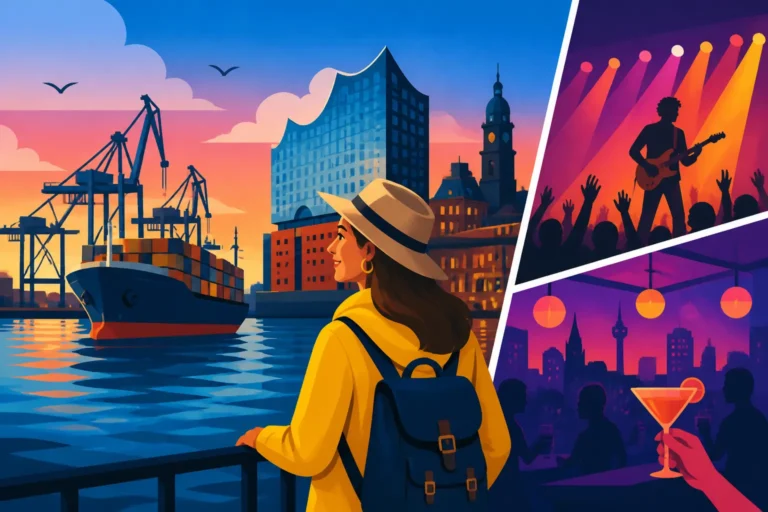
Hamburg, Germany's second-largest city, offers a different flavor with its bustling port and impressive brick warehouses. Your first stop should be the historic Speicherstadt, a UNESCO World Heritage site, and the modern HafenCity district. Wandering these areas, admiring the architecture and canals, costs nothing. Don't miss the free Elbphilharmonie Plaza for stunning panoramic views over the harbor – just make sure to reserve your slot online in advance. For a unique (and free) experience, head to the St. Pauli Fish Market on a Sunday morning for chaotic fun and cheap breakfast rolls. The vibrant Reeperbahn district in the evening is fun for people-watching, even if you just grab a beer at a local bar rather than hitting expensive clubs.
Travel Hamburg to Leipzig:
- Cost: €15-30 by long-distance bus or €25-50 by train (booking well in advance through Omio is vital).
- Time: Approx. 3-4 hours.
Days 6-8: Leipzig – The Renaissance City (Est. Daily Spend: €40-55)
- Accommodation (2 nights): €20-35/night for a hostel, or €45-65 for a budget hotel.
- Transport (within Leipzig): Walk mostly, maybe a €5 short tram ticket.
- Food: €15-20 (bakery breakfast, cafeteria lunch, affordable dinner).
- Activities: Explore the historic city center, visit St. Thomas Church (free), wander through the Old Town Hall and Augustusplatz.
Leipzig, often called "Hypezig" for its burgeoning creative scene, is a fantastic city for budget travelers, offering a rich history and vibrant atmosphere at a lower cost than Berlin or Hamburg. Spend your time exploring the beautiful city center on foot. Visit St. Thomas Church, where Johann Sebastian Bach worked for nearly 30 years and where his tomb lies (free entry, but donations are welcome). The Old Town Hall, Augustusplatz, and the Mädler Passage (with Auerbachs Keller, a famous historic restaurant) are all great for strolling and soaking in the atmosphere without spending a cent. Leipzig also has many parks and green spaces perfect for a picnic. Look for student-friendly eateries or university cafeterias (Mensa) for incredibly affordable and hearty meals.
Week 2: Southern Delights & Alpine Views
Our second week takes us south to the stunning Dresden, then through the charming Nuremberg, and finally to the Bavarian capital, Munich.
Travel Leipzig to Dresden:
- Cost: €8-20 by long-distance bus or train via Omio.
- Time: Approx. 1.5-2 hours. This is a quick and cheap hop.
Days 8-10: Dresden – Baroque Beauty (Est. Daily Spend: €45-60)
- Accommodation (2 nights): €25-40/night for a hostel, or €55-75 for a budget hotel.
- Transport (within Dresden): Walk most places, maybe a single tram ticket for longer distances.
- Food: €15-20 (supermarket, cheap café, budget German meal).
- Activities: Frauenkirche (free to enter, climb tower for a fee), Zwinger Palace (courtyards free, museums paid), Brühl's Terrace, Albertinum.
Dresden, often dubbed the "Florence on the Elbe," is famous for its stunning Baroque architecture, much of which has been meticulously rebuilt after wartime destruction. The city center is compact and easily explored on foot. Marvel at the Frauenkirche (Church of Our Lady) from the outside, or step inside for free. The Zwinger Palace's magnificent courtyards and gardens are also free to wander. Brühl's Terrace, known as the "Balcony of Europe," offers lovely views over the Elbe River and is perfect for a leisurely stroll. For a cultural fix without the price tag, many smaller galleries or parts of the Albertinum museum can be appreciated from the outside. Dresden also has plenty of bakeries and budget eateries for inexpensive meals.
Travel Dresden to Nuremberg:
- Cost: €15-35 by long-distance bus or €30-60 by train (again, Omio will help you find the best value).
- Time: Approx. 4-5 hours.
Days 10-12: Nuremberg – Medieval Charm & WWII History (Est. Daily Spend: €45-60)
- Accommodation (2 nights): €25-40/night for a hostel, or €50-70 for a budget hotel.
- Transport (within Nuremberg): Primarily walking.
- Food: €15-20 (Nuremberg sausages, market snacks, picnic).
- Activities: Imperial Castle (exterior/grounds free, museum paid), Old Town stroll, Documentation Center Nazi Party Rally Grounds (paid, but important), Albrecht Dürer's House (paid).
Nuremberg offers a captivating blend of medieval history and poignant 20th-century narratives. Begin by exploring the picturesque Old Town on foot, soaking in the atmosphere of the Hauptmarkt (main market square) and its beautiful Frauenkirche (Church of Our Lady). The Imperial Castle (Kaiserburg) dominates the skyline, and while touring the interior has a fee, exploring the grounds and enjoying the panoramic views over the city is completely free. For a sobering yet crucial historical experience, visit the Documentation Centre Nazi Party Rally Grounds. While entry is paid, it provides invaluable insight into a dark chapter of history. Enjoy the famous Nuremberg Rostbratwürste (small grilled sausages) from a street vendor for an authentic and budget-friendly meal.
Travel Nuremberg to Munich:
- Cost: €10-25 by long-distance bus or €20-45 by train (Omio is your friend for comparing these options).
- Time: Approx. 1.5-2 hours.
Days 12-14: Munich – Bavarian Capital & Alpine Gateway (Est. Daily Spend: €55-75)
- Accommodation (2 nights): €30-50/night for a hostel, or €70-90 for a budget hotel. Munich is generally more expensive.
- Transport (within Munich): €9 for a day pass or targeted tickets.
- Food: €20-30 (Weißwurst breakfast, Viktualienmarkt snacks, beer garden meal).
- Activities: Marienplatz and Glockenspiel (free), English Garden (free, surf wave), Viktualienmarkt (free to browse), Hofbräuhaus (free to enter, buy a drink).
Munich, the capital of Bavaria, is a stunning city, though it can be a bit pricier. However, there are still plenty of ways to enjoy it on a budget. Start at Marienplatz to see the iconic Neues Rathaus (New Town Hall) and its famous Glockenspiel performance (check times!). Then, wander over to the vast English Garden, one of the world's largest urban parks, where you can watch surfers on the Eisbach wave, sunbathe, or just relax. This is a perfect spot for a picnic. The bustling Viktualienmarkt is free to explore and offers a feast for the senses, though buying food there can add up. For an authentic experience, visit the legendary Hofbräuhaus; entry is free, and you can soak in the atmosphere, perhaps sharing a single large beer (Maß) rather than buying rounds. Consider a day trip to the Alps if time and budget allow, but even just enjoying the city's green spaces and charming streets is wonderful. When planning your route from Nuremberg, remember to use Omio to look at various train and bus combinations to find the most cost-effective solution, especially for a slightly pricier city like Munich.
Crushing Transport Costs: Your Biggest Ally is Smart Booking
Transportation is often one of the largest expenses for travelers in Germany. Luckily, the country boasts an excellent, well-connected network, and with a bit of savvy, you can keep your travel costs surprisingly low. This is precisely where our hero, Omio, comes into play, making it incredibly easy to compare and secure the best deals across different modes of transport.
The Deutschland-Ticket: Your Golden Ticket (Almost)
For truly extensive travel within a single month, the Deutschland-Ticket (often called the 49-Euro-Ticket) is an absolute game-changer. For a flat fee of €49 per month, you get unlimited travel on all local and regional public transport throughout Germany. This includes all city trams, U-Bahns (subways), S-Bahns (commuter trains), and regional trains (RE, RB, S-Bahn lines) but not long-distance ICE, IC, or EC trains. If your two-week trip aligns perfectly with this monthly pass, it could save you a significant amount, especially if you plan multiple stops within a shorter period or want to do many day trips.
However, a crucial point: it's a subscription service. You buy it for a month, and it auto-renews. You must cancel it before the 10th of the preceding month if you don't want it for the next. This requires careful planning. For a specific two-week trip, you'd need to weigh if buying it for a full month (even if you only use it for two weeks) is cheaper than individual tickets for your planned route. Sometimes, a combination of regional train day passes for specific regions or a flexible pass offered by Deutsche Bahn might be better. Always calculate!
Leveraging Long-Distance Buses (FlixBus) and Regional Trains
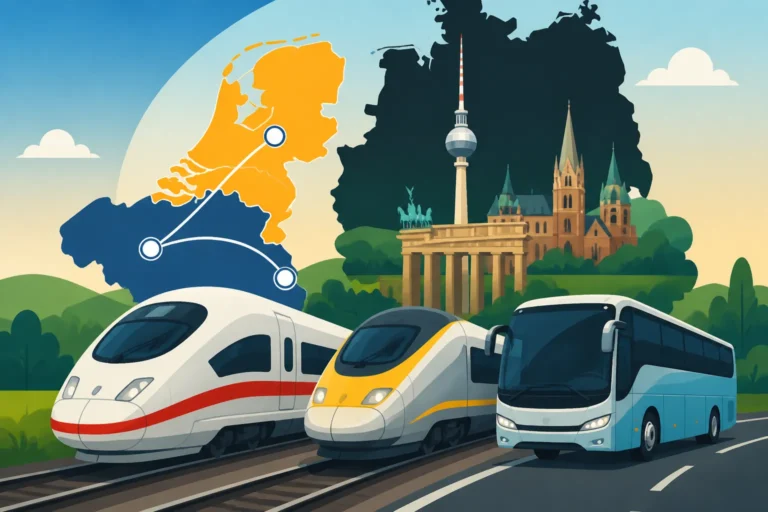
For inter-city travel, especially between our planned stops like Berlin to Hamburg or Nuremberg to Munich, long-distance buses are often the cheapest option. FlixBus is the dominant player in Germany, offering comfortable coaches with Wi-Fi and power outlets. Booking a FlixBus ticket well in advance through Omio can yield incredibly low prices, sometimes as little as €5-10 for a journey that a train might charge €40-60 for. The trade-off is often a slightly longer travel time and fewer direct routes to smaller towns, but for big city hops, they are unbeatable for value.
When buses aren't ideal, or you prefer the train, regional trains are your next best friend. While not as fast as ICE trains, they are generally cheaper and are covered by the Deutschland-Ticket if you decide to get one. For specific routes not covered by the 49-Euro-Ticket, look for Saver Fares (Sparpreis) or Super Saver Fares (Super Sparpreis) on Deutsche Bahn's website or, even easier, directly through Omio. These fares are limited in quantity and sell out quickly, so booking them several weeks or even months in advance is essential. A great tool like Omio helps you see all these options at a glance – train times, bus times, and their respective prices, allowing you to pick the perfect balance for your budget. You can literally punch in "Berlin to Hamburg" on Omio and see Deutsche Bahn's ICE, regional trains, and FlixBus all laid out, often with the estimated journey duration and price. It simplifies what can otherwise be a confusing booking process, especially if your German isn't quite up to snuff for navigating various transport provider websites.
The Omio Advantage: Comparing and Booking Smart
Seriously, if you're traveling Germany on a budget, Omio is going to be one of your most valuable travel companions. What makes it so brilliant is its ability to aggregate travel information from multiple providers—Deutsche Bahn (trains), FlixBus (buses), and even local flight options if you need them—all in one user-friendly interface. This means you don't have to jump between five different websites, trying to figure out which option is cheapest or fastest.
Imagine you're in Leipzig and need to get to Dresden. You open Omio, type in your origin and destination, and voilà! It shows you all the available trains (ICE, regional), their prices, and journey times, right alongside the bus options. It highlights the cheapest fares, sometimes even prompting you if a different travel day might offer a better deal. It's incredibly intuitive, especially for non-German speakers, cutting through the potential confusion of German booking portals. Plus, with Omio, you can book everything directly within the app or website, receive your tickets digitally, and keep all your travel plans neatly organized in one place. This convenience, combined with its money-saving comparison features, makes it a non-negotiable tool for budget-conscious explorers in Germany.
Here's a quick look at typical one-way travel costs for our route when booking reasonably in advance (prices are estimates and fluctuate):
| Route | Mode of Transport | Approx. Time | Approx. Cost (EUR) | Booking Tip |
|---|---|---|---|---|
| Berlin to Hamburg | Bus (FlixBus) | 2h 50min | 10-25 | Book well in advance via Omio |
| Train (DB) | 1h 45min | 20-40 (Sparpreis) | Book 3-4 weeks ahead via Omio | |
| Hamburg to Leipzig | Bus (FlixBus) | 3h 40min | 15-30 | Flexible dates on Omio for best deals |
| Train (DB) | 3h 0min | 25-50 (Sparpreis) | Avoid peak hours | |
| Leipzig to Dresden | Bus (FlixBus) | 1h 40min | 8-20 | Quick hop, usually affordable |
| Train (DB) | 1h 50min | 12-25 (Regional) | Deutschland-Ticket applicable | |
| Dresden to Nuremberg | Bus (FlixBus) | 4h 30min | 15-35 | Long journey, bus often significantly cheaper |
| Train (DB) | 4h 0min | 30-60 (Sparpreis) | Direct ICE often available | |
| Nuremberg to Munich | Bus (FlixBus) | 1h 50min | 10-25 | Frequent connections, good value |
| Train (DB) | 1h 0min | 20-45 (Sparpreis) | Fast, but Sparpreis essential |
Accommodation Hacks: Sleeping Soundly Without Breaking the Bank
After a long day of sightseeing, a comfortable and affordable place to rest your head is paramount. Germany has a fantastic range of budget accommodation options that go far beyond just chain hotels, offering both character and cost-effectiveness. The key is knowing where to look and being flexible with your booking.
Hostels, Guesthouses, and Alternative Stays
Gone are the days when hostels were solely for fresh-out-of-high-school backpackers. Modern German hostels, especially in major cities, are often clean, well-maintained, and offer a variety of room types, including private single or double rooms with en-suite bathrooms. They're not just about saving money on a dorm bed anymore; they're also fantastic places to meet other travelers and often have communal kitchens where you can prepare your own meals, significantly cutting down on food expenses. Look for reputable chains like A&O Hostels, Generator Hostels, or Meininger Hotels, which often straddle the line between hostel and budget hotel, providing great value. Many independent hostels also offer unique experiences and excellent amenities.
Beyond traditional hostels, consider family-run Pensionen (guesthouses) in smaller towns or slightly outside city centers. These often provide a more personal touch and can be very reasonably priced, sometimes even including a simple breakfast. Another fantastic option, especially for solo travelers or couples who enjoy a local experience, is Airbnb. While prices can vary, you can often find private rooms in shared apartments for less than a hotel, giving you access to a kitchen and a local host who can offer insider tips. Keep an eye out for discounts on longer stays.
Budget-Friendly Booking Strategies
The golden rule for budget accommodation in Germany is: book in advance. This is particularly true for popular cities like Berlin, Hamburg, or Munich, and especially during peak season (summer, Christmas market season, Oktoberfest). Last-minute bookings almost always mean higher prices and fewer choices. Websites like Booking.com, Hostelworld, and, of course, Airbnb are your go-to platforms. Always compare prices across different sites, as sometimes one might have a special deal.
Another smart strategy is to be flexible with your travel dates. Mid-week stays are almost always cheaper than weekends. If your itinerary allows, try to schedule your visits to more expensive cities like Munich during the week. Also, don't be afraid to look slightly outside the absolute city center. German public transport is so efficient that staying a few tram stops away from the main attractions can significantly reduce your nightly rate without adding much inconvenience. A short ride on a local bus or tram, which is likely covered by your Deutschland-Ticket if you have one, is a small price to pay for substantial savings on accommodation. For example, in Berlin, staying in areas like Neukölln or Wedding might be cheaper than Mitte or Prenzlauer Berg, but still well-connected.
Fueling Your Adventures: Eating Well on the Cheap
Let's be honest, trying local cuisine is one of the joys of travel. But "local cuisine" doesn't have to mean Michelin-star dining every night. Germany offers a fantastic range of delicious and incredibly affordable food options, perfect for budget travelers. You can eat incredibly well and authentically without spending a fortune.
Supermarket Savvy & Street Food Delights
This is where your budget really breathes easy. Germany's supermarkets are a treasure trove for affordable and high-quality food. Chains like Aldi, Lidl, Rewe, Edeka, and Netto are ubiquitous. Head there for breakfast items (fresh rolls, cheese, cold cuts, yogurt), ingredients for a packed lunch (sandwiches, fruit), and even ready-made salads or microwaveable meals. You can easily get a delicious breakfast for €3-5, and a hearty lunch for a similar price. Combine this with staying in a hostel or Airbnb with a kitchen, and you can cook several dinners for the price of one restaurant meal. Don't forget the amazing variety of bread (Brot) and pretzels (Brezeln) from local bakeries – a cheap and satisfying snack!
And then there's German street food. The Döner Kebab, a legacy of Germany's Turkish community, is a must-try and typically costs €5-7. It's filling, flavorful, and available on almost every corner. Currywurst, a grilled sausage smothered in curry ketchup, is another iconic and cheap street food, especially popular in Berlin. Look for local Imbiss (snack bar) stands for these and other quick bites like Bratwurst (grilled sausage) or Pommes (fries). These are perfect for lunch or a casual dinner and provide an authentic taste of German fast food culture. Exploring local markets like Munich's Viktualienmarkt or various Wochenmärkte (weekly markets) can also yield delicious and often cheaper snacks, fresh produce, and unique regional treats. Just remember to bring your own reusable shopping bag; Germany is big on German Recycling System Explained: How to Sort Trash and Recycle Properly and reducing waste.
Navigating Restaurant Costs and Tipping Culture
While you won't be eating out every night, you'll definitely want to experience a traditional German restaurant or a cozy Gasthaus at least a few times. To keep costs down, look for Mittagsangebote (lunch specials) which often offer a reduced price for the same dishes served in the evening. Many smaller, family-run restaurants, especially outside the absolute tourist core, will have more reasonable prices. A typical hearty German meal (like Schnitzel or Goulash with sides) can range from €12-20 in a casual eatery. Instead of ordering drinks, stick to tap water if available or a single beer, which is often cheaper than a soft drink.
Regarding Tipping in Germany: When, Where, and How Much, it's customary to round up the bill or add 5-10% for good service, but it's not mandatory. For example, if your bill is €18.50, you might say "Make it 20" ("Machen Sie 20 Euro draus"). This is different from the US, where 15-20% is expected. By being aware of these nuances, you can avoid over-tipping and save a few euros here and there. Remember, a major part of German Food Culture: Eating and Drinking as a Visitor is enjoying the simple, hearty pleasures, so don't feel pressured to always choose the most expensive option on the menu.
Budgeting Beyond the Basics: Hidden Costs & Saving Strategies
Beyond the big-ticket items like transport and accommodation, there are always smaller expenses that add up. Being mindful of these and knowing how to find free or cheap entertainment can make a significant difference to your overall budget. Germany, for all its bureaucratic reputation, is also full of free fun!
Free Activities and Affordable Entertainment
Germany excels at offering fantastic free activities. Many of its stunning cathedrals and churches, like the Cologne Cathedral or Berlin's Berliner Dom, are free to enter (though some charge for tower climbs or special exhibits). The vast majority of its beautiful parks and gardens are also free, offering endless opportunities for picnics, strolls, or simply relaxing. Think Berlin's Tiergarten, Munich's English Garden, or Hamburg's Planten un Blomen. Historic old towns (Altstädte) in cities like Nuremberg, Dresden, and Leipzig are perfect for hours of exploration on foot, soaking in the architecture and atmosphere without spending a cent. Many cities also offer free walking tours (tip-based, so a small token of appreciation is customary).
Look out for free public events like open-air concerts, street festivals, or farmers' markets. These are common, especially in summer. In winter, even just wandering through a Christmas market is a magical experience, and while you might be tempted by a Glühwein, simply soaking in the festive atmosphere is free. Many smaller museums have free entry, or special free days/hours; always check their websites in advance. Even in cities with higher Cost of Living in Germany: Budgeting Guide for Expats, you can often find surprising free gems.
Avoiding Tourist Traps and Unnecessary Expenses
One of the easiest ways to blow your budget is falling into tourist traps. These often involve overpriced souvenir shops, restaurants right on main squares with inflated menus, or unnecessary "experience" tickets that offer little value. Be wary of street performers who demand specific amounts, or overly aggressive vendors. A good rule of thumb is if a restaurant menu is only in English and features pictures of food, it's probably aimed at tourists and will be more expensive. Look for menus in German, or a mix of both, and check prices slightly off the main thoroughfare.
Another often overlooked cost is cash withdrawals. While Germany is still quite a Using Cash vs Card in Germany: Is Germany Going Cashless? society, with many smaller businesses preferring cash, ATMs can charge fees, especially if you use a foreign card. Try to withdraw larger amounts less frequently from major bank ATMs (look for Sparkasse, Deutsche Bank, Commerzbank) to minimize fees. Better yet, consider a travel-friendly debit card that offers fee-free international withdrawals. Always opt to be charged in EUR, not your home currency, if the ATM gives you the option – this avoids unfavorable dynamic currency conversion rates.
Finally, while having a data plan is super helpful, avoid expensive roaming charges. Get a local SIM card (Lidl Connect, Vodafone, Telekom, O2 all offer prepaid options) as soon as you arrive, or an eSIM if your phone supports it. For planning your adventures, using Omio on Wi-Fi to book your transport for the next leg of your journey means you're not burning through mobile data unnecessarily when you could be comparing options for How to Buy Deutsche Bahn Tickets and Save Money from your hostel.
Disclaimer
This article is for general informational purposes only and does not constitute professional advice. Laws, prices and regulations vary by location and change over time. Consult a qualified professional for guidance on your specific situation.