Germany’s National Parks Worth Visiting
Living in Germany, it's easy to get swept up in the bustling city life, the endless paperwork, or the pursuit of the perfect Dönerteller. But if you're anything like I was when I first arrived, you might be overlooking one of Germany's most incredible treasures: its stunning national parks. Far from the bureaucratic hurdles of daily expat life, these natural havens offer a much-needed escape, a chance to breathe deeply and reconnect with nature, all while exploring a side of Germany many visitors (and even some locals!) never see. This guide is your ticket to discovering these wild, protected landscapes, offering practical advice and a peek into the breathtaking beauty that awaits.
Disclosure: This post may contain affiliate links. We may earn a commission at no extra cost to you if you make a purchase through these links. Read full disclosure.
Why Explore Germany's National Parks?
When you first land in Germany, your mind is probably filled with visions of medieval castles, vibrant Christmas markets, or the sheer engineering marvel of the Autobahn. And rightly so, those are all fantastic! But beyond the urban sprawls and the well-trodden tourist paths lies a Germany dedicated to preserving its unique natural heritage. It's a revelation to discover just how diverse and wild these protected areas are, especially if you're used to thinking of Germany as densely populated.
Beyond the Cities: A Different Side of Germany
We expats often find ourselves tethered to city life, perhaps out of necessity for work or simply because that’s where the established expat communities thrive. We navigate the public transport, learn to decipher the recycling system, and maybe even brave a Bürgeramt appointment or two. But the truth is, Germany's natural landscapes offer a profound contrast and a vital counterpoint to the structured urban experience. Imagine swapping the rumble of the S-Bahn for the rustle of leaves, the constant hum of city traffic for the distant call of a hawk, or the endless concrete for ancient forests and glistening lakes.
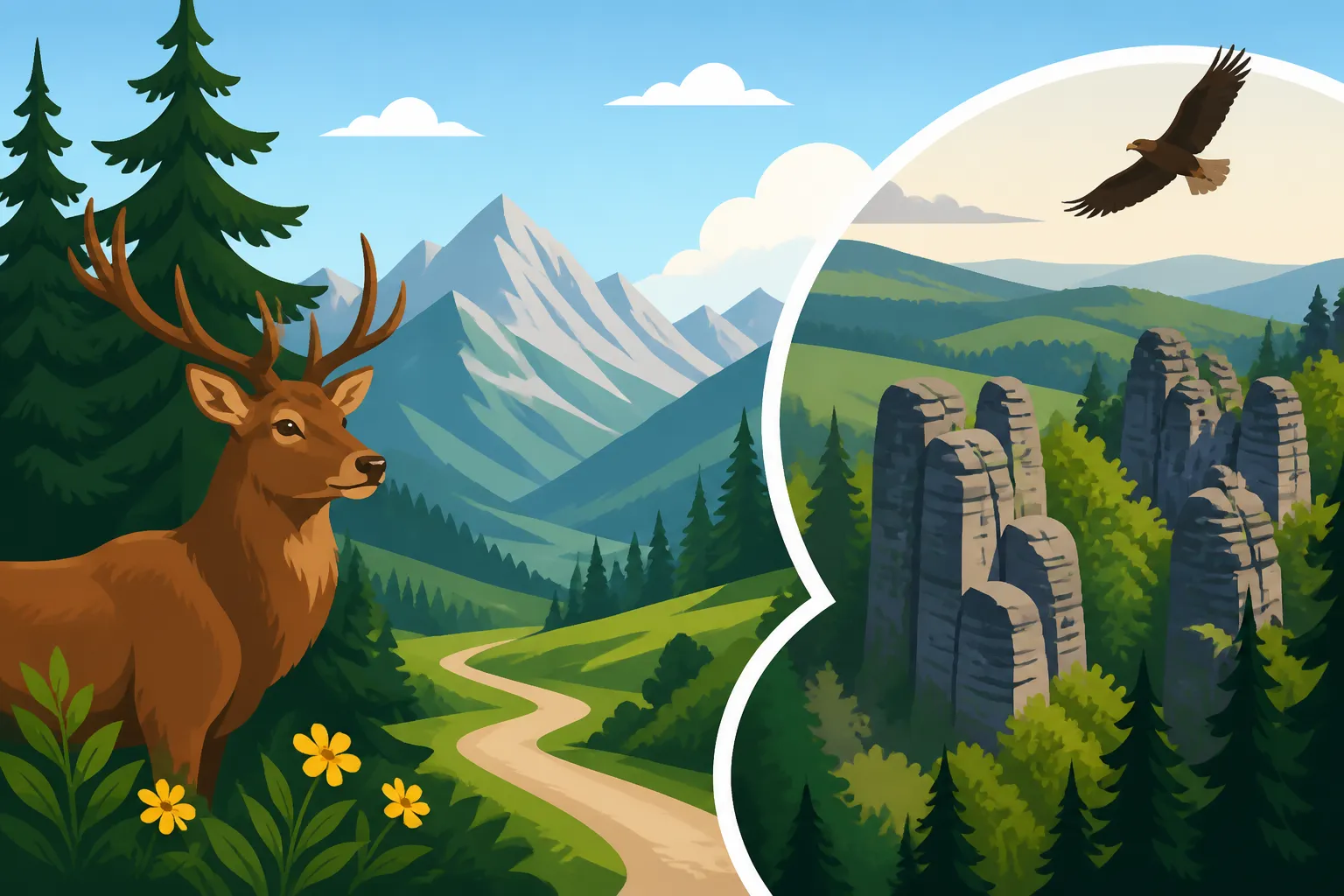
These national parks are not just patches of green; they are vast, protected ecosystems that showcase Germany's incredible biodiversity. From the dramatic white cliffs of the Baltic Sea to the towering peaks of the Bavarian Alps, and from the mystical, ancient forests of the Harz to the sprawling wetlands of the Lower Oder Valley, each park tells a unique ecological story. It’s a chance to see a more untamed, raw Germany, a place where nature reigns supreme. This offers a different kind of cultural immersion, too, as you observe the deep German respect for nature (Naturverbundenheit) firsthand. Getting out there gives you a new perspective on your adopted home, reminding you that there’s so much more to Germany than its efficient systems and delicious bread.
The Importance of Conservation and What it Means for You
Germany takes its environmental protection seriously, and the national parks are prime examples of this commitment. These aren't just pretty places for a hike; they are core zones where nature is allowed to develop largely undisturbed by human intervention. The idea behind them is "Natur Natur sein lassen" – letting nature be nature. This approach means that while you’re absolutely welcome to visit and explore, there are often strict rules in place to protect sensitive habitats and wildlife.
For us as visitors, this translates into a few key things: marked trails are there for a reason, staying on them protects fragile ecosystems. You’ll often find signs explaining the importance of the flora and fauna, urging you not to pick plants or disturb animals. Littering is an absolute no-go, and drones are typically forbidden to protect wildlife. While these rules might feel a bit restrictive at first glance, they ensure that these incredible landscapes remain pristine for generations to come. It’s a small price to pay for the privilege of experiencing truly wild nature in a country as developed as Germany. Understanding this conservation ethos helps you appreciate the parks even more, knowing that your visit contributes to their preservation, rather than their degradation. Plus, the fresh air and tranquility are unparalleled – a perfect antidote to expat stress!
Coastal Wonders: National Parks of the North
When you think of Germany, a coastline might not be the first thing that springs to mind, but the northern reaches boast some truly spectacular national parks, shaped by the raw power of the sea and ancient geological forces.
Schleswig-Holstein Wadden Sea National Park: A UNESCO Gem
Imagine a landscape that changes dramatically with the tides, revealing vast expanses of mudflats teeming with life. That's the Schleswig-Holstein Wadden Sea National Park for you, a truly unique ecosystem that's part of the larger Wadden Sea, a UNESCO World Heritage site stretching across Germany, the Netherlands, and Denmark. This isn't your typical forest or mountain park; it's a dynamic intertidal zone that serves as one of the most important resting and feeding grounds for migratory birds in the world.
Visiting here feels like stepping onto another planet. When the tide is out, you can literally walk on the seabed – a truly surreal experience, though always with a guide for safety against the swiftly returning tides. The sheer number of birds that stop here, especially during migration season, is astounding. You'll see avocets, dunlins, geese, and countless other species, making it a birdwatcher's paradise. But it's not just birds; the mudflats are home to unique marine life like lugworms, crabs, and tiny snails, all forming a crucial part of the food web. There are numerous visitor centers along the coast, such as those in Husum or Tönning, that offer guided tours and educational exhibits. You can combine a visit with a trip to one of the picturesque North Frisian Islands like Sylt or Föhr, many of which are partially within the park boundaries. It's an incredibly refreshing and humbling experience, a reminder of the subtle yet powerful forces of nature.
Jasmund National Park: White Cliffs and Ancient Forests
Over on the Baltic Sea coast, on the island of Rügen, you'll find Jasmund National Park, famous for its dramatic Königsstuhl ("King's Chair") white chalk cliffs. This park offers a completely different coastal experience compared to the Wadden Sea. Here, ancient beech forests, some of which are UNESCO-listed as primeval beech forests of Europe, cling precariously to the cliffs, dropping sharply into the turquoise waters below.
The main attraction, the Königsstuhl, is a truly iconic landmark. You can view it from various platforms, and there’s a fantastic Königsstuhl National Park Centre that provides insights into the geology, flora, and fauna of the area. Walking through the beech forests, especially during spring when the forest floor is carpeted with wild garlic (Bärlauch), or in autumn with its vibrant colors, is an incredibly peaceful experience. The paths are well-maintained, offering stunning views of the sea and the cliffs through gaps in the trees. Be aware that parts of the cliff face are prone to erosion, so always stick to marked paths for your safety. It’s a perfect spot for a refreshing day trip, maybe combined with exploring other parts of Rügen. Just imagine the photographs you'll get with those brilliant white cliffs against the deep blue sea!
Mountainous Majesty: Parks in the South
When you picture Germany's dramatic landscapes, the south often comes to mind first, with its iconic alpine scenery. Germany's southern national parks deliver on this promise, offering breathtaking mountain vistas and ancient forests.
Berchtesgaden National Park: Alpine Paradise
Nestled in the very southeastern corner of Bavaria, bordering Austria, lies Berchtesgaden National Park, Germany's only high-alpine national park. This place is pure postcard material, a true alpine paradise of towering peaks, crystal-clear lakes, and lush valleys. It’s rugged, wild, and absolutely stunning, often feeling more like Austria or Switzerland than the Germany many expats know.
The centerpiece of the park is the Königsee, often called Germany's most beautiful lake. Its deep emerald waters are hemmed in by sheer rock faces, resembling a Norwegian fjord. The only way to truly experience Königsee is by taking an electric boat, which silently glides across the lake to St. Bartholomä, a historic pilgrimage church with its distinctive red onion domes, or further to Salet, where you can then hike to the stunning Obersee. The boat ride itself is an experience, with an acoustic demonstration of the "echo of the Königsee." Beyond the lake, the park offers countless hiking opportunities, from gentle walks to challenging multi-day treks up peaks like the Watzmann. You can explore alpine meadows dotted with wildflowers, watch for chamois and ibex, and breathe in some of the freshest air imaginable. It's a fantastic destination if you're looking for some serious nature therapy, and there are many smaller, family-run guesthouses on Booking.com nearby for a cozy stay. Remember, the weather can change quickly in the mountains, so always be prepared with appropriate gear for Hiking in Germany: The Black Forest, Alps, and Beyond.
Bavarian Forest National Park: Germany's Oldest
Moving further east along the border with the Czech Republic, you'll find the Bavarian Forest National Park (Nationalpark Bayerischer Wald), which proudly holds the title of Germany's oldest national park, established in 1970. This park, along with its Czech counterpart Šumava National Park, forms the largest contiguous forest area in Central Europe. What makes it truly special is its dedication to wilderness – "Urwald von morgen" (the primeval forest of tomorrow) is the motto here. Large areas are left to their own devices, meaning fallen trees are not cleared, allowing nature's cycle to unfold untouched.
This means you’ll see firsthand how a forest regenerates and thrives without human interference. The landscape is a mix of dense spruce and beech forests, high moorlands, and glacial lakes (like Rachelsee). The Treetop Walk (Baumwipfelpfad) in Neuschönau offers a fantastic, accessible way to experience the forest from a unique perspective, culminating in an impressive egg-shaped observation tower. There are also animal enclosures where you can observe species like lynx, bears, and wolves in near-natural habitats. The park provides excellent infrastructure for visitors, including well-marked hiking trails, cycling routes, and educational paths. It's a profound experience to witness nature's resilience and wild beauty in this ancient forest, a true testament to Germany's commitment to conservation.
Central Germany's Hidden Green Havens
While the coasts and the Alps might grab the headlines, Germany's central regions are home to national parks that offer equally captivating, yet often more understated, natural beauty. These parks are perfect for a weekend escape if you live in one of the central German cities.
Harz National Park: Mystical Forests and Brocken Peak
The Harz Mountains, steeped in folklore and fairy tales, host the Harz National Park, a land of mystical spruce forests, high moorlands, and granite rock formations. Its most famous landmark is the Brocken, the highest peak in Northern Germany, shrouded in legend as a meeting place for witches on Walpurgis Night. Even if you're not into witchcraft, the panoramic views from the summit are certainly magical.
The park is a hiker's paradise, with a vast network of well-marked trails, including sections of the Harzer Hexenstieg (Harz Witches' Trail). You can hike to the top of the Brocken, or if you prefer a more nostalgic journey, take the historic Harz Narrow Gauge Railway (Harzer Schmalspurbahnen) right to the summit – a delightful experience, especially in winter when the landscape is covered in snow. The diverse habitats support a variety of wildlife, including the elusive European wildcat, which is slowly making a comeback. The "Urwald" areas, where deadwood is left to decay, create a unique atmosphere, fostering rich biodiversity. It's a wonderful place to feel completely immersed in nature, away from the hustle and bustle. Getting to the Harz is relatively easy via train, with towns like Wernigerode or Goslar acting as great gateways to the park. Consider checking Omio for train schedules and tickets to get there efficiently.
Müritz National Park: Land of a Thousand Lakes
In the northeastern state of Mecklenburg-Vorpommern lies Müritz National Park, a watery wonderland often referred to as the "land of a thousand lakes." It's dominated by vast forests, fens, and, of course, countless lakes, with the Müritz itself being Germany's second-largest lake. This park is a dream for anyone who loves water activities, birdwatching, or simply paddling through serene landscapes.
The park is a haven for white-tailed eagles, ospreys, and cranes, especially during their migratory periods, making it an incredible spot for bird photographers and enthusiasts. You can explore the park's expansive network of cycling and hiking trails, many of which offer stunning views over the lakes and through ancient beech forests. Canoeing or kayaking through the labyrinthine waterways is an unforgettable experience, allowing you to get up close with nature. The "Red Bridge" (Rote Brücke) near Waren (Müritz) is a popular starting point for many hiking trails and offers a great overview of the landscape. There are several small towns and villages around the park that offer charming accommodations, perfect for a peaceful retreat. Imagine waking up to the sound of birds and the gentle lapping of water – pure bliss!
Riverine Landscapes and Unique Ecosystems
Beyond the mountains and coasts, Germany also protects vital riverine landscapes and unique ecosystems that are crucial for biodiversity and offer distinct natural experiences.
Lower Oder Valley National Park: Floodplains and Birdlife
Along the German-Polish border in Brandenburg, the Lower Oder Valley National Park (Nationalpark Unteres Odertal) stands as Germany's only floodplain national park. This incredible landscape is characterized by its annual flooding, which creates a dynamic mosaic of wetlands, meadows, and riverine forests, making it a critical habitat for an astonishing array of birdlife.
If you visit in late winter or early spring, you’ll witness a spectacle as thousands upon thousands of migratory birds, including cranes, geese, and various duck species, descend upon the flooded plains. It’s a truly humbling experience to see such vast numbers of wild birds in one place. The park is less about dramatic vistas and more about subtle beauty and ecological significance. There are observation towers and hides strategically placed for birdwatching. Cycling along the Oder-Neisse Cycle Path, which runs through the park, is a fantastic way to explore, offering ever-changing views of the river and floodplains. The small, charming town of Criewen is home to a visitor center that can provide maps and information on current conditions and bird sightings. It’s a testament to the importance of preserving these vital wetland habitats, and a reminder of the intricate connections between land and water.
Eifel National Park: Wild Forests and Volcanic Legacy
In western Germany, not far from the Belgian border, you'll find Eifel National Park. This park protects a fascinating landscape shaped by ancient volcanic activity, now blanketed by wild, deciduous forests, deep valleys, and shimmering lakes (Maare) formed in volcanic craters. It’s an easy escape for those living in cities like Cologne or Düsseldorf.
The Eifel is known for its "Wildnis-Trail," a multi-day hiking path that takes you deep into the park's wildest areas. The park's goal is to become a true "Urwald" (primeval forest), and you can already see this process underway as fallen trees are left to decompose, enriching the soil and providing habitat for countless insects and fungi. Keep an eye out for the wildcat, which thrives in these protected forests. During spring, the valleys are carpeted with wild narcissus, creating a breathtaking floral display. You can also visit the Vogelsang IP historical site within the park, which offers a unique blend of nature and history. The Eifel region also has numerous small, picturesque villages, making it a great area to explore on a weekend trip. You can find tours on GetYourGuide that highlight the geological wonders or the best hiking routes, offering an organized way to experience the park's beauty.
Practical Tips for Visiting German National Parks
So, you're inspired to ditch the city for some fresh air! That's fantastic. But like all things in Germany, a little planning goes a long way.
Planning Your Trip: Accommodation, Transport, and Guides
Getting to Germany's national parks can vary quite a bit. Many are accessible by public transport, though often require a combination of trains and local buses. For instance, you can reach the gateways to Berchtesgaden National Park via train, though having a car gives you more flexibility to explore various trailheads. Similarly, the Harz National Park is well-served by regional trains, and you can even take the steam railway to the Brocken summit. For other parks like Müritz or the Lower Oder Valley, a car often makes exploration much easier, allowing you to hop between different entry points and visitor centers.
If you're relying on public transport, check the Deutsche Bahn website (bahn.de) or apps like Omio well in advance, as local bus services might be less frequent, especially on weekends or during off-peak seasons. For accommodation, options range from cozy guesthouses and B&Bs in nearby towns to campsites within or bordering the parks. Websites like Booking.com are invaluable for finding suitable places to stay, from quaint pensions to larger hotels. Remember that popular areas like Berchtesgaden can get booked up, especially during peak hiking season or holidays, so plan ahead. If you prefer a more structured experience or want to learn from local experts, consider looking for guided tours on platforms like GetYourGuide, especially for unique experiences like Wadden Sea mudflat walks.
Respecting Nature: Rules and Regulations for Visitors
As I mentioned earlier, German national parks are serious about conservation, and that means rules. These aren't there to spoil your fun, but to protect the incredible ecosystems you've come to see.
Here's a quick rundown of what to keep in mind:
- Stay on Marked Paths: This is probably the most important rule. Going off-trail can disturb wildlife, damage sensitive vegetation, and can even be dangerous in certain areas (like near cliffs or in boggy regions).
- No Littering: Pack it in, pack it out. Leave no trace. This goes without saying, but always take all your rubbish with you.
- No Drones: Drones are generally prohibited in national parks to avoid disturbing wildlife and to preserve the peace for other visitors.
- No Open Fires: For obvious reasons, campfires are usually forbidden outside of designated camping areas, if those even exist within the park boundaries.
- Dogs: Dogs are generally welcome on a leash on most trails, but check specific park regulations as some areas might be off-limits to protect ground-nesting birds or other sensitive species.
- Quiet Hours: Especially in areas where you might encounter wildlife, try to keep noise levels down. Enjoy the sounds of nature instead!
- Wild Camping: Generally not allowed. Look for designated campsites or official accommodation outside the park.
By following these simple guidelines, you contribute directly to the preservation of these magnificent places.
When to Go: Seasonal Highlights and Best Times to Visit
Each national park offers a different experience depending on the season, so timing your visit can greatly enhance your trip.
| National Park | Best Time to Visit | Highlights |
|---|---|---|
| Schleswig-Holstein Wadden Sea | Spring (bird migration), Summer (mudflat walks) | Birdwatching, guided mudflat walks, coastal breeze, island hopping. |
| Jasmund National Park | Spring (wild garlic), Summer (swimming), Autumn | White chalk cliffs, ancient beech forests (UNESCO), stunning sea views, autumn colors. |
| Berchtesgaden National Park | Summer (hiking), Autumn (colors, fewer crowds) | Königsee electric boat tours, alpine hiking, Obersee, Watzmann views, clear mountain air. |
| Bavarian Forest National Park | Spring (forest awakening), Summer (hiking), Autumn | Treetop Walk, animal enclosures, primeval forest experience, vibrant autumn foliage. |
| Harz National Park | Summer (hiking), Autumn (colors), Winter (snow) | Brocken summit (steam train or hike), mystical forests, wildcats, Walpurgis Night legends, winter wonderland. |
| Müritz National Park | Spring/Autumn (bird migration), Summer (watersports) | Birdwatching (eagles, cranes), cycling, canoeing, lake views, serene natural beauty. |
| Lower Oder Valley National Park | Late Winter/Early Spring (bird migration) | Thousands of migratory birds, vast floodplains, cycling along the Oder, unique wetland ecosystem. |
| Eifel National Park | Spring (wild narcissus), Summer (hiking) | Wildnis-Trail, volcanic lakes (Maare), wildcats, vibrant spring wildflowers. |
For example, if you're keen on seeing the famous wild narcissus bloom in Eifel, aim for April or early May. If birdwatching is your passion, the Wadden Sea or Lower Oder Valley are spectacular during spring and autumn migration periods. And if you dream of snow-covered landscapes and cozy warmth, the Harz and Berchtesgaden are truly magical in winter, offering a completely different atmosphere from their summer vibrancy. Visiting Germany in Summer: Festivals and Long Days is great for longer hiking days and warmer temperatures, while Visiting Germany in Winter: Christmas Markets and Snow can offer a unique quietude.
So, next time you're feeling a bit overwhelmed by German bureaucracy or just craving a break from city life, remember these incredible national parks. They offer a chance to reset, to be awed by nature, and to discover yet another beautiful, complex facet of your adopted home. Happy exploring!
Disclaimer
This guide provides general information about Germany's national parks for expats and tourists. While we strive to offer accurate and up-to-date advice, regulations, accessibility, and conditions within national parks can change. Always check the official website of the specific national park you plan to visit for the most current information on opening times, rules, trail closures, and any local advisories before planning your trip. Remember to prioritize your safety and respect the natural environment.