Family Travel in Germany: Kid-Friendly Cities and Activities
Embarking on a family adventure in a new country can feel like a daunting task, filled with questions about logistics, child-friendly options, and whether everyone will truly have a good time. Rest assured, Germany is an incredibly welcoming and well-equipped destination for families, offering a blend of fairytale castles, engaging museums, sprawling parks, and delicious treats that will captivate both young and old. This comprehensive guide will help you uncover the best kid-friendly cities and activities, ensuring your German family vacation is filled with unforgettable moments and cherished memories.
Disclosure: This post may contain affiliate links. We may earn a commission at no extra cost to you if you make a purchase through these links. Read full disclosure.
Why Germany is a Fantastic Family Destination
Germany often conjures images of historical landmarks, efficient engineering, and perhaps a hearty beer garden or two. While all true, it’s also a country that deeply values family life, making it remarkably straightforward and enjoyable to travel with children of all ages. From robust public services to an abundance of green spaces, Germany goes above and beyond to cater to its youngest visitors and their parents.
Infrastructure and Safety
One of the first things you'll notice when traveling with kids in Germany is the sheer quality and accessibility of its infrastructure. Pavements are generally smooth and wide, perfect for strollers. Public transportation, from the high-speed ICE trains to local buses and trams, is exceptionally punctual, clean, and often equipped with dedicated spaces for buggies and even small play areas on longer routes. You’ll find accessible toilets in most public spaces and train stations, and changing facilities are increasingly common. This focus on efficiency and convenience drastically reduces the typical travel stresses associated with moving around with children. Furthermore, Germany boasts a very low crime rate, making it an exceptionally safe country to explore, even in bustling city centers or quiet rural towns. Parents can feel at ease letting their children play in public parks, knowing they are in a secure environment.
Variety for All Ages
Germany is not a one-trick pony when it comes to entertainment; its diverse landscape and rich history offer something for every member of the family, regardless of age. Are your toddlers fascinated by animals? Zoos and wildlife parks abound. Do your school-aged kids love knights and princesses? Fairytale castles are practically on every corner. Got a teenager who thinks everything is boring? Cutting-edge science museums, vibrant street art tours, or even a thrilling theme park like Europa-Park (one of the largest in Europe) might just spark their interest. The variety ensures that you can mix historical sightseeing with active play, educational experiences with pure fun, preventing boredom and catering to different attention spans and energy levels.
Cultural Immersion for Kids
Beyond the obvious attractions, Germany provides a unique opportunity for cultural immersion that is surprisingly kid-friendly. Children often pick up on local customs faster than adults, and Germany’s emphasis on order, recycling, and healthy outdoor living can be an enriching experience. Many museums have special children's sections or audio guides designed for younger audiences. Local festivals, from the lively Frühjahrsfest (spring festival) to the enchanting Weihnachtsmärkte (Christmas markets), are inherently family-oriented, offering delightful food, music, and activities that introduce children to German traditions in a joyful, celebratory atmosphere. Even simple acts like a trip to a local bakery for some fresh Brötchen in the morning or exploring a weekly market can become a fun cultural lesson.
Top Kid-Friendly Cities and Regions in Germany
When planning a family trip to Germany, choosing your base cities or regions is crucial. Each area offers a distinct flavor and a unique set of attractions that cater specifically to families. Let's dive into some of the top contenders.
Munich and Bavaria: A Fairytale for All
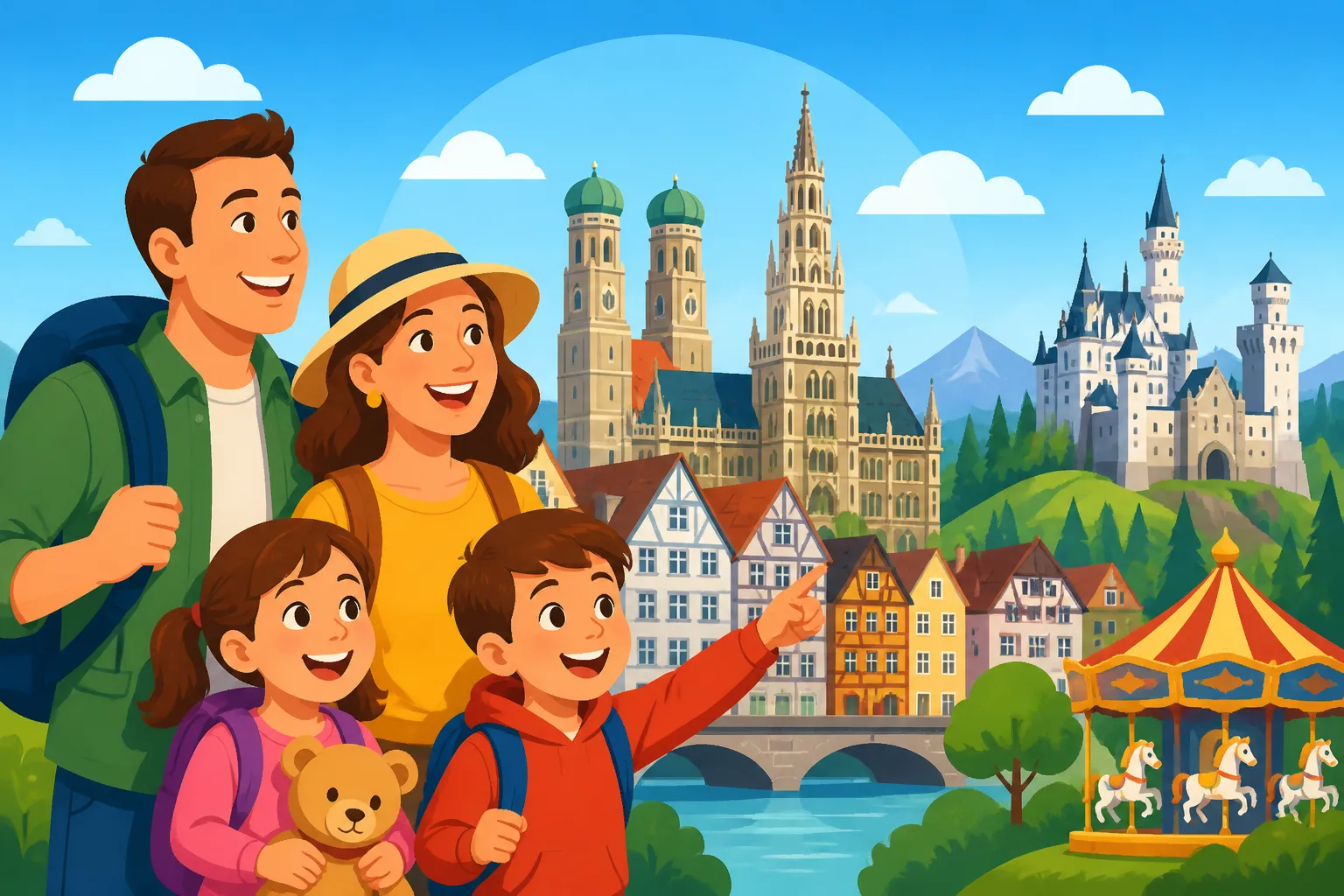
Bavaria, with its stunning alpine landscapes, sparkling lakes, and, of course, the iconic Neuschwanstein Castle, feels like a storybook come to life. Munich, the region’s capital, is incredibly clean, safe, and packed with family activities. The Deutsches Museum, one of the oldest and largest science and technology museums in the world, has an incredible "Kids' Kingdom" designed for hands-on exploration. The Englischer Garten, larger than New York's Central Park, offers vast green spaces for kids to run, playgrounds, a unique Japanese Teahouse, and even a spot where surfers ride a standing wave on the Eisbach river—a fascinating spectacle for all. Don't miss the Munich Zoo (Tierpark Hellabrunn), which is laid out like a geographical tour of the world's animals.
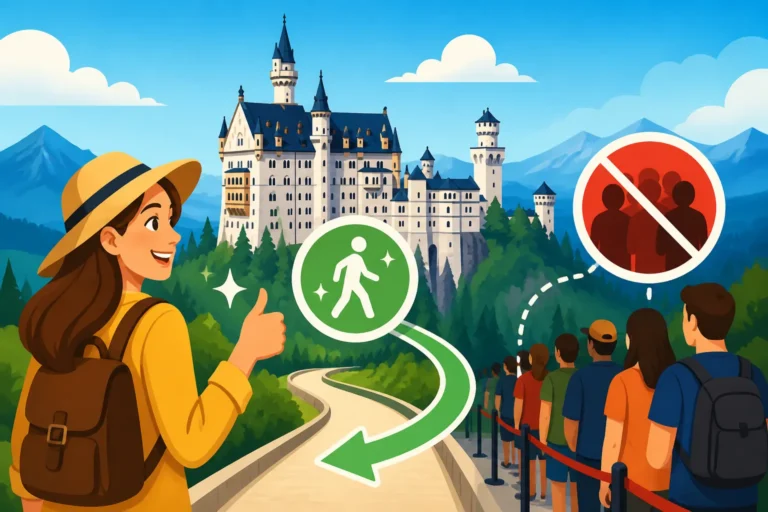
Outside Munich, the true magic of Bavaria unfolds. A day trip to Neuschwanstein Castle is a must, but remember to book tickets well in advance. For a less crowded but equally charming castle experience, consider Hohenschwangau Castle nearby. Families will also adore the many picturesque lakes, like Lake Starnberg or Chiemsee, where you can take boat trips, swim, or simply enjoy the lakeside playgrounds. In winter, the Bavarian Alps offer numerous family-friendly ski resorts. It’s a region that seamlessly blends history, nature, and active fun, truly living up to its reputation as a fairytale destination.
Berlin: History, Parks, and Play
Germany’s vibrant capital, Berlin, might seem like an intense historical and cultural hub, but it's surprisingly welcoming for families. The city is sprawling, with an abundance of green spaces, interactive museums, and playgrounds at nearly every turn. Tiergarten, the city’s largest park, is perfect for picnics, bike rides, and has several fantastic playgrounds. The Berlin Zoo, one of the oldest and most diverse zoos in the world, is always a hit, as is the Aquarium Berlin next door. For a truly unique experience, visit the DDR Museum, which offers an interactive glimpse into life in East Germany, with hands-on exhibits that even kids will find engaging.
History comes alive for children in Berlin through accessible sites like the remnants of the Berlin Wall at the East Side Gallery, where vibrant murals tell stories of hope and freedom. The Legoland Discovery Centre provides hours of indoor fun, especially on a rainy day. What's more, Berlin's diverse districts each offer their own unique charm, from the trendy street art in Kreuzberg to the grand avenues of Mitte. Many areas are pedestrian-friendly, and the efficient U-Bahn and S-Bahn systems make getting around with kids a breeze. Don't forget to check out local listings for puppet shows or children's theater, which are often delightful.
Hamburg: Maritime Adventures
Hamburg, Germany’s second-largest city and a major port, offers a wealth of maritime-themed adventures that captivate children. The Miniatur Wunderland, the world's largest model railway exhibition, is an absolute marvel, featuring meticulously crafted miniature worlds with tiny trains, cars, planes, and bustling cities that operate on a schedule. It’s truly enchanting for all ages. The Speicherstadt, a UNESCO World Heritage site with historic warehouse buildings, is fascinating to explore, especially by boat. You can take a harbor tour, which gives kids a thrill and a unique perspective on the city's industrial heart.
The Dialogue in the Dark museum offers a unique sensory experience, guiding visitors through everyday situations in complete darkness, challenging perceptions and fostering empathy—a profound experience for older children and teenagers. Hagenbeck Tropical Aquarium and Tierpark Hagenbeck (zoo) offer another fantastic outing, particularly their open enclosures that allow for close encounters with animals. For active play, Planten un Blomen, a large urban park, features beautiful gardens, a massive playground, and often hosts free water light concerts in the evenings during summer. Hamburg’s blend of history, water-based activities, and interactive attractions makes it a superb choice for families.
Cologne: Roman History and Sweet Treats
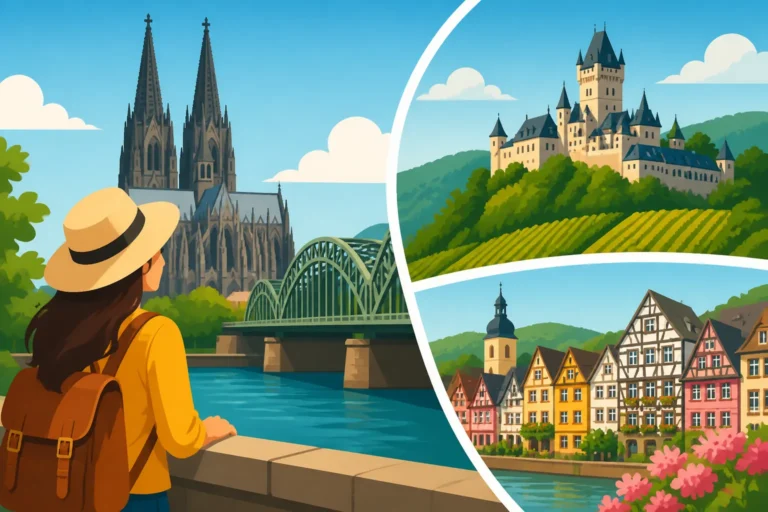
Cologne, with its magnificent Gothic cathedral dominating the skyline, is a city brimming with history and a surprisingly sweet side for families. The Cologne Cathedral itself is a breathtaking sight, and if your kids are up for it, climbing the south tower offers unparalleled views (and a good workout!). But perhaps the biggest draw for children here is the Schokoladenmuseum (Chocolate Museum). It’s a paradise for sweet tooths, detailing the history of chocolate, from its origins to modern production, complete with a mini chocolate factory and, most importantly, plenty of samples!
For a journey back in time, the Roman-Germanic Museum (Römisch-Germanisches Museum) showcases Cologne’s ancient Roman past, with fascinating artifacts and mosaics. While currently undergoing renovation, some exhibits are still accessible, and the city itself has visible Roman ruins. The Cologne Zoo is another popular spot, known for its diverse species and engaging exhibits. Families will also love taking a stroll along the Rhine River, perhaps enjoying a boat trip, or simply relaxing in one of the city's many parks. The city center is very walkable, making it easy to navigate with young children, and its vibrant atmosphere is truly infectious.
Engaging Activities for Every Age Group
Germany is truly a playground for children, offering activities tailored to various developmental stages and interests. Forget just looking at monuments; here, kids can dive right into the experience.
For Toddlers and Young Children 0-6
Traveling with toddlers and preschoolers requires a focus on sensory experiences, open spaces for running, and simple, engaging activities. German cities excel in providing beautiful, well-maintained playgrounds (Spielplätze) that are often themed and boast excellent equipment. Look for them in virtually every park and even tucked away in residential neighborhoods. Many public parks, like the aforementioned Englischer Garten in Munich or Tiergarten in Berlin, offer vast open spaces, ducks to feed, and shallow streams to splash in during warmer months.
Zoos and aquariums are also fantastic options. The Berlin Zoo, Tierpark Hellabrunn in Munich, or Tierpark Hagenbeck in Hamburg all provide exciting animal encounters and plenty of space for little legs to explore. Consider also children's museums or science centers with dedicated toddler zones, where hands-on play is encouraged. A visit to a local bakery (Bäckerei) for a fresh pretzel or a sweet treat can be an adventure in itself. And don't underestimate the joy of a simple ride on a German train or tram; the novelty of it can be entertainment enough!
For School-Aged Kids 7-12
This age group is often eager to learn and explore, making Germany a perfect fit. Castles like Neuschwanstein, Eltz Castle, or Marksburg Castle ignite imaginations with tales of knights and royalty. Many castles offer tours that are engaging for children, sometimes even with costumed guides. Theme parks are a major highlight for this age range; Europa-Park in Rust, near the French border, is consistently ranked among the world's best, offering thrilling rides and themed areas from across Europe. Phantasialand near Cologne is another excellent choice.
Interactive museums are plentiful. The Deutsches Museum in Munich, as mentioned, has its "Kids' Kingdom," but also offers plenty for older children, from aviation exhibits to energy displays. The Senckenberg Natural History Museum in Frankfurt, with its impressive dinosaur skeletons, is always a crowd-pleaser. For those interested in technology and engineering, the Technik Museum Speyer and Technik Museum Sinsheim showcase incredible collections of cars, planes, and even spaceships, with many interactive elements. Historical sites can also be made exciting with scavenger hunts or by focusing on compelling stories. Check out GetYourGuide for specific kid-friendly tours or unique activity bookings in various cities, often offering skip-the-line access or special experiences that capture a child's attention.
For Teenagers 13+
Keeping teenagers engaged can be a challenge, but Germany offers plenty of "cool" factor. For history buffs, Berlin provides a deep dive into 20th-century history, from the Berlin Wall Memorial to the Reichstag Building (book in advance for a visit to the dome). Many cities offer street art tours that appeal to their aesthetic sensibilities. For the adventurous, trying indoor skydiving in Bottrop or navigating a high ropes course in one of Germany's many adventure parks can be a huge hit.
Tech-savvy teens might enjoy the computer games museum in Berlin or exploring the latest innovations at industrial heritage sites, like the Zollverein Coal Mine Industrial Complex in Essen, a UNESCO site with fascinating insights into industrial history. Shopping districts in major cities like Munich or Hamburg offer popular international brands and unique boutiques. Music and cultural events, depending on their interests, from concerts to film festivals, are plentiful in German cities. And don’t forget the sheer excitement of using Germany's excellent rail network. Deutsche Bahn Guide: Using Trains for City and Long-Distance Travel can inspire them to plan day trips or even short overnight adventures, offering a sense of independence and exploration. Omio is a great resource for booking train and bus tickets across Germany and Europe, making it easy for teens (or parents!) to plan and compare travel options efficiently.
Navigating Logistics with Little Ones
The key to a successful family trip is often in the smooth handling of daily logistics. Germany's well-organized systems make this easier than in many other countries, but a few insider tips can make a world of difference.
Transportation Made Easy
Germany's public transportation system is renowned for its efficiency and reliability, which is a blessing when traveling with kids. Cities have extensive networks of U-Bahns (subways), S-Bahns (suburban trains), trams, and buses. Children under a certain age (often 6) travel free on public transport, and family day tickets are often available, offering great value. For longer distances, the Deutsche Bahn (DB) train network is excellent. High-speed ICE trains are comfortable, many offering family compartments (Kleinkindabteile) with extra space for strollers and even a small play area. Booking these in advance is highly recommended. You can easily compare train, bus, and even flight options and book tickets through platforms like Omio, which simplifies travel planning across Germany and beyond. Consider getting a Deutschland-Ticket if you plan extensive regional travel, as it covers all local and regional public transport nationwide for a fixed monthly price. For more details on local transport, check out Public Transport Tickets and Passes: Navigating German Transit Systems.
Finding Family-Friendly Accommodation
Finding the right place to stay is paramount for family comfort. While hotels are abundant, an apartment or an apart-hotel often provides more space, separate bedrooms, and crucially, a kitchen, allowing for self-catering and saving on dining out. Websites like Booking.com offer a vast array of options, with filters specifically for "family-friendly" accommodations, showing properties with amenities like cribs, connecting rooms, or playgrounds. Hostels in Germany are also surprisingly family-friendly, with many offering private family rooms and communal kitchens. When booking, always confirm the availability of cribs or extra beds and check if there are any age restrictions or additional fees for children. For longer stays, or if you prefer a more home-like environment, exploring options like Finding an Apartment in Germany: Best Websites and Tips for Expats might be beneficial, even if you’re just visiting for a few weeks.
Eating Out with Kids
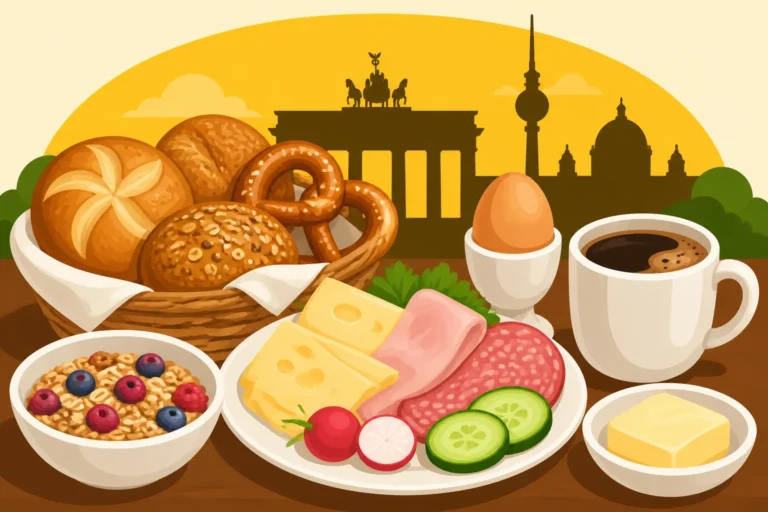
German cuisine is hearty and often appeals to children, with favorites like Schnitzel, sausages (Wurst), and various types of potatoes. Most restaurants are very accommodating to families, often providing high chairs (Kinderstuhl) and children's menus (Kindermenü). Don't be shy about asking for smaller portions or adaptations. For picky eaters, Italian restaurants (Pizzerias) are ubiquitous and generally a safe bet. Bakeries (Bäckereien) are fantastic for quick, affordable, and delicious breakfast or lunch options, from fresh breads and pastries to sandwiches. Ice cream parlors (Eiscafés) are everywhere and provide a delightful treat.
For a more relaxed dining experience, especially in warmer months, beer gardens (Biergärten) are surprisingly family-friendly, often featuring playgrounds and open spaces where kids can play while adults enjoy a drink. Grocery stores (Supermärkte) like Edeka, Rewe, and Lidl are well-stocked for picnic supplies, snacks, and any dietary needs. Understanding German Food Culture: Eating and Drinking as a Visitor can give you a better sense of meal times and customs. Also, don't forget to explore Navigating German Supermarkets: Grocery Shopping Tips and Tricks for tips on how to efficiently shop for your family's needs.
Making the Most of Your Family Adventure
Beyond the practicalities, a truly memorable family trip involves smart planning, managing expectations, and embracing the cultural nuances of your destination.
Planning Your Itinerary
Over-scheduling is the enemy of family travel. Germany offers so much, it's tempting to try and see everything, but kids (and parents!) need downtime. Aim for one major activity per day, allowing for spontaneous play, relaxed meals, and adjusting to nap schedules if you have younger children. Involve older kids in the planning process; letting them choose an activity or two can boost their excitement and engagement. Factor in travel time between cities or attractions, remembering that Germany's train system, while efficient, still takes time. Utilizing platforms like GetYourGuide can help you pre-book tours, skip-the-line tickets for popular attractions, or discover unique experiences that are specifically curated for families, ensuring you maximize your time and avoid queues. For an overview of how local transport works, you might find Getting Around Germany: Trains, Buses, Flights, and Car Hire helpful.
Budgeting for Family Fun
Germany can be a relatively affordable destination for families, especially if you take advantage of free activities and public transport. Many parks, playgrounds, and even some museums offer free entry or discounted family tickets. Picnics from the supermarket are a great way to save on food costs. Remember to account for incidental expenses like small treats, souvenirs, and public toilet fees (often €0.50-€1). Accommodation can be a significant cost, so booking apartments with kitchens can help offset food expenses. The Deutschland-Ticket for transport can also provide significant savings for extensive travel. For a deeper dive into managing your finances, consider checking out Cost of Living in Germany: Budgeting Guide for Expats.
Embracing German Culture as a Family
One of the most enriching aspects of travel is experiencing a different culture. Germans are generally reserved but very polite and helpful. Punctuality is highly valued, as is adherence to rules, especially regarding noise levels during "Ruhezeit" (quiet hours), typically mid-day and after 10 PM. Teach your children to say "Bitte" (please) and "Danke" (thank you), and a simple "Entschuldigung" (excuse me) goes a long way. Germans are also very conscious about recycling, so involve your kids in sorting trash, which can actually be a fun, educational activity. German Culture & Etiquette: A Guide to Social Life and Customs provides excellent insights into these norms, and The German Recycling System Explained: How to Sort Trash and Recycle Properly will help you navigate the multiple bins. Don't be afraid of language barriers; while English is widely spoken in tourist areas, having a translation app on your phone can be a lifesaver, as discussed in Using Translation Apps in Germany: What Works Best. Embrace the differences, laugh at minor misunderstandings, and encourage your children to observe and engage with their new surroundings. It's all part of the adventure!
Table: Kid-Friendly Activities by German Region
| Region/City | Recommended Activities for Families | Best For (Age Group) | Estimated Cost (Per Activity) |
|---|---|---|---|
| Munich/Bavaria | Deutsches Museum (Kids' Kingdom), Englischer Garten, Neuschwanstein Castle, Lake Starnberg boat trips | All ages, esp. 5-14 (castles) | Mid-High |
| Berlin | Berlin Zoo & Aquarium, Tiergarten playgrounds, DDR Museum, Legoland Discovery Centre | All ages, esp. 3-12 (Legoland) | Mid |
| Hamburg | Miniatur Wunderland, Harbor Tour, Planten un Blomen, Hagenbeck Zoo | All ages, esp. 4-12 (Miniatur Wunderland) | Mid-High |
| Cologne | Schokoladenmuseum, Cologne Cathedral, Rhine boat trips, Cologne Zoo | All ages, esp. 3-10 (Chocolate Museum) | Mid |
| Rust (near Black Forest) | Europa-Park (Theme Park) | 6+ (Teens will love it) | High |
| Frankfurt | Senckenberg Natural History Museum (Dinosaurs), Main Tower observation deck | 5-12 (Museum), 8+ (Tower) | Mid |
| Moselle Valley | Eltz Castle, Cochem Imperial Castle, River boat trips, hiking | 6+ (Castles & Nature) | Mid |
Note: Costs are approximate per family for a single activity, excluding travel.
Germany truly is a dream destination for families. Its blend of historical grandeur, modern entertainment, and efficient infrastructure creates an environment where travel with children feels less like a logistical challenge and more like a joyful exploration. By planning thoughtfully, embracing the local culture, and choosing activities that resonate with your family's unique interests, you're set to create a German adventure that everyone will look back on with fondness. So pack those bags, prepare for some unforgettable moments, and get ready to say "Auf Wiedersehen" to travel worries and "Hallo" to family fun in Germany!
Disclaimer
Please note that travel information, opening hours, prices, and regulations can change. It is always recommended to check the latest details with official sources, attractions, and transportation providers before and during your trip. This guide provides general advice and personal insights, but specific circumstances may vary.