How to Use Regional Trains With the Deutschland-Ticket
Navigating public transport in Germany can feel like deciphering an ancient scroll, especially when you're faced with a myriad of ticket options, train types, and zone systems. For many expats and tourists, the idea of traveling across this beautiful country without breaking the bank is appealing, but the fear of accidentally boarding the wrong train and incurring a hefty fine is a constant worry. This guide will walk you through exactly how to harness the incredible power of the Deutschland-Ticket on regional trains, demystifying the process so you can explore Germany with confidence and ease.
Disclosure: This post may contain affiliate links. We may earn a commission at no extra cost to you if you make a purchase through these links. Read full disclosure.
What Exactly is the Deutschland-Ticket?
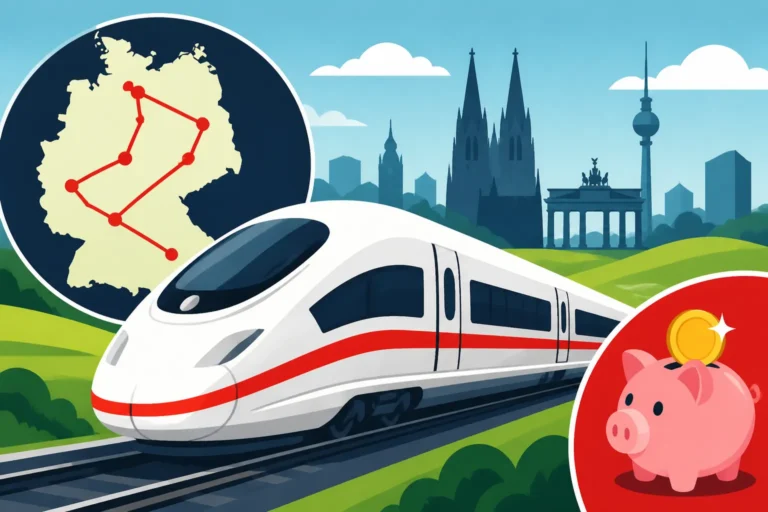
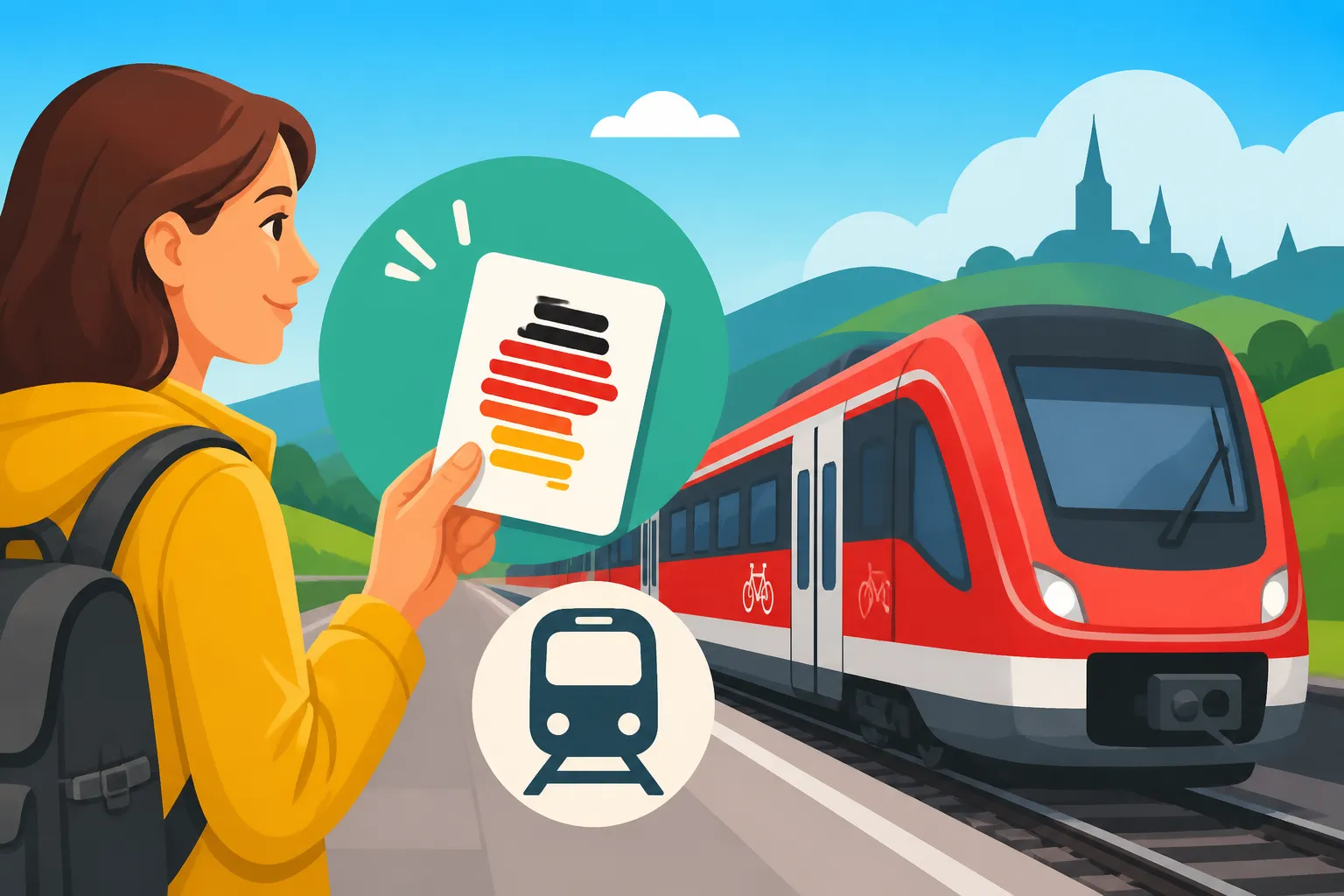
Let's start with the hero of our story: the Deutschland-Ticket, often affectionately called the "49-Euro-Ticket." When it launched, it was a game-changer, designed to simplify public transport and encourage more sustainable travel across Germany. It's essentially a flat-rate monthly subscription that grants you access to almost all local and regional public transport throughout the entire country. Imagine that: one ticket, all of Germany, for one fixed price.
But here's the crucial detail that often trips people up: it's specifically for local and regional transport. This distinction is paramount to avoid fines and frustration. It's a personal, non-transferable digital or physical ticket, typically purchased as a monthly subscription, although some providers offer it as a single-month option for tourists. This ticket allows you to hop on and off trains, buses, trams, and U-Bahns (subways) without constantly fumbling for change or worrying about different tariff zones.
The Power of Affordability and Reach
The primary allure of the Deutschland-Ticket is its incredible value for money. For a flat monthly fee, currently around €49, you gain unrestricted access to an enormous network. This isn't just a local city pass; it covers travel from the northern coasts to the Bavarian Alps, as long as you stick to the right train types. This makes it an absolute boon for anyone living in Germany, offering unparalleled flexibility for daily commutes, weekend excursions, and even longer trips across different states. For tourists, it's an equally compelling offer, especially if you plan to stay for a month or longer, or if you intend to explore multiple cities and regions. It completely removes the mental load of understanding complex fare structures that differ from one city to another, or from one Verkehrsverbund (transport association) to the next.
Key Exclusions You Must Know
While the Deutschland-Ticket is incredibly powerful, it's vital to understand its limitations. The most significant exclusion is long-distance train travel. This means you cannot use it on ICE (Intercity-Express), IC (Intercity), or EC (Eurocity) trains. These are the fast, comfortable trains that connect major cities quickly, and they operate under a separate fare system. Additionally, it generally doesn't cover private long-distance bus services like FlixBus, nor does it typically include first-class travel on any eligible transport. Trying to use your Deutschland-Ticket on an ICE train, even for just one stop, will result in you being treated as a fare-dodger, which can lead to a fine of €60 or more. Always check the train type before boarding. It's a common mistake, and one that can easily be avoided with a little awareness.
Deciphering German Regional Trains (Nahverkehr)
Now that you know what the Deutschland-Ticket is, let's dive into the core of how you'll use it: on Germany's extensive network of regional trains, or Nahverkehr. This is where the ticket truly shines, enabling you to explore quaint towns, stunning landscapes, and connect between cities at a more leisurely pace than the high-speed ICE lines.
Types of Regional Transport Covered
When we talk about regional transport in Germany, we're not just talking about trains. The Deutschland-Ticket covers a wide array of public transport options that operate within local and regional networks. This includes:
- Regionalbahn (RB): These are your local workhorses. They stop at most, if not all, stations along a route, connecting smaller towns and villages to larger hubs. They are often slower but offer a fantastic way to see the countryside.
- Regional-Express (RE): A step up from the RB, RE trains usually connect larger towns and cities within a region, making fewer stops than an RB. They are faster and more direct for intra-regional travel.
- S-Bahn (Stadtschnellbahn): These are suburban railway lines, often forming the backbone of public transport in major metropolitan areas. They connect city centers with their surrounding suburbs and are fully covered by the Deutschland-Ticket. Think of them as commuter rail.
- U-Bahn (Untergrundbahn): The underground or subway systems found in Germany's biggest cities like Berlin, Munich, and Hamburg. Perfect for getting around urban centers.
- Trams (Straßenbahn): These electric streetcars run through city streets, offering a great way to see the urban landscape and get to specific neighborhoods.
- Buses (Bus): Local and regional bus services, connecting areas not served by rail, or providing feeder services to train stations. This includes city buses and many inter-city regional bus routes.
It’s crucial to understand that these regional train types and other local transport are distinct from long-distance services. While an RE train might take you from, say, Dresden to Leipzig, it’s not an IC train, even if it feels fairly fast. The distinction lies in the operator, the pricing structure, and critically, the type of ticket required.
Distinguishing Regional from Long-Distance Trains
This is perhaps the most important lesson for any Deutschland-Ticket holder. German train stations can be bustling, and it's easy to jump on the first train that arrives, especially if you're in a hurry or don't speak German. However, taking a moment to check the train designation can save you a significant fine.
How to spot the difference:
- Train Designation: Look for the letters on the train itself, the platform display boards, and in your journey planner. RB, RE, and S-Bahn are your friends. ICE, IC, and EC are off-limits for the Deutschland-Ticket.
- Platform Displays: Digital display boards at stations clearly show the train number, destination, departure time, and crucially, the train type. Always double-check this before you board.
- Journey Planners: When using apps like the DB Navigator, Google Maps, or local transport apps, you can filter for regional transport or explicitly avoid long-distance trains. These apps are indispensable for planning your journeys correctly.
- Train Color/Appearance: While not a foolproof method, ICE trains are distinctively white with a red stripe. Regional trains often have local transport association branding and can vary in color (e.g., red for Deutsche Bahn regional, green/blue for private regional operators).
Let's imagine you're planning a trip from Berlin to the Spreewald. You might take an RE7 or RE2 train, both perfectly covered. But if you accidentally type "Berlin to Cottbus" into a generic search and it suggests an IC connection for a quicker journey, remember that the Deutschland-Ticket won't cover that specific leg. You'd need a separate ticket for the IC train, or find an alternative route using only regional services.
Geographical Coverage: Your Ticket to Anywhere (Regionally)
The beauty of the Deutschland-Ticket is that its geographical coverage is truly nationwide for regional transport. This means you can start your journey in Hamburg, take regional trains all the way down to Munich, and then explore Bavaria using local buses and trams, all on the same monthly ticket. There are no zone restrictions or state borders to worry about, unlike many previous regional passes.
However, a small caveat exists for certain border regions where the German public transport network might briefly extend into neighboring countries (e.g., specific bus lines into Austria or Switzerland). While these are exceptions, it's always wise to check if your specific international route is covered, as generally, the Deutschland-Ticket is valid within Germany. The main takeaway, though, is that for travel within Germany on Nahverkehr, you are good to go.
Using Your Deutschland-Ticket on Regional Trains: A Step-by-Step Guide
Alright, you've got your Deutschland-Ticket, you understand the types of trains it covers, and you're ready to explore. Here's how to make the most of it, from planning to actually riding the rails.
Getting Your Hands on the Deutschland-Ticket
First things first, you need to acquire the ticket. The Deutschland-Ticket is primarily offered as a digital subscription, though some providers offer a physical card.
- Online Providers: The easiest way for many expats and tourists is to purchase it through the official Deutsche Bahn (DB) website (bahn.de) or their excellent DB Navigator app. Many local transport associations (Verkehrsverbünde) also sell it through their own apps or websites. Companies like Omio and GetYourGuide might also offer options or bundles that include the Deutschland-Ticket, especially for short-term visitors, making the process smoother for those less familiar with German bureaucracy. It's often set up as a subscription that renews automatically, so remember to cancel if you only need it for a specific month.
- Local Transport Offices: You can also typically purchase it at the service centers of local transport companies, like BVG in Berlin or MVG in Munich.
- Activation: The ticket is usually valid from the first day of the calendar month. If you purchase it part-way through a month, you'll still pay the full monthly fee.
Planning Your Journey: Your Digital Travel Companion
This is where technology becomes your best friend. Relying on paper timetables or just hoping for the best is a recipe for stress, especially with the regional/long-distance distinction.
- DB Navigator App: This is the gold standard. Download it! When searching for connections, you can deselect "ICE, IC/EC" under the "Means of transport" filter to ensure you only see routes valid with your Deutschland-Ticket. The app shows real-time delays, platform changes, and often even how crowded a train is.
- Local Transport Apps: For within a specific city or region, the local transport association's app (e.g., HVV in Hamburg, VBB in Berlin Brandenburg) can also be useful, as they are often very good for hyper-local connections, including buses and trams.
- Google Maps: While convenient for overall navigation, be cautious. Google Maps doesn't always automatically exclude long-distance trains when showing public transport options. Always double-check the train type displayed.
- Route Filtering Table:
| Feature | DB Navigator App (Recommended) | Local Transport Apps (e.g., BVG, MVV) | Google Maps |
|---|---|---|---|
| Train Type Filter | Yes (Crucial for Deutschland-Ticket use) | Yes (often simpler interface for local area) | No direct filter for regional vs long-distance |
| Real-time Updates | Excellent | Good for local networks | Good |
| Platform Info | Excellent | Good for local networks | Generally good |
| International Travel | Excellent (for connections, but remember D-Ticket limits) | Limited to local region and immediate surroundings | Good (for overall connections) |
| Offline Functionality | Limited | Limited | Limited |
On the Platform and Onboard: What to Expect
Once you've planned your route using the DB Navigator or another reliable app, head to the platform.
- Check Display Boards: Always, always confirm the train type (RB, RE, S-Bahn), destination, and departure time on the electronic display boards at the platform. It's easy to get on the wrong train, especially at large stations with many tracks.
- Boarding: Regional trains typically have ample space, though they can get crowded during peak commuter hours or on popular weekend routes. Unlike some long-distance trains, you generally don't need or even have the option to reserve a seat on regional trains.
- Ticket Checks: German ticket inspectors are thorough. When asked, simply present your Deutschland-Ticket (either the digital version in your app or your physical card) along with a valid form of identification, as the ticket is personal and non-transferable. Don't be surprised if they also ask for ID.
- Accidentally Boarding an ICE/IC/EC: If you find yourself on an ICE, IC, or EC train by mistake, immediately find a conductor. Explain your situation and purchase a new ticket for that segment of your journey. While you'll still have to pay, you'll avoid the €60 fine for riding without a valid ticket. It's much better to be proactive.
- Connecting Services: The beauty of the Deutschland-Ticket is seamless connections. Your journey plan will often involve switching between an RE train, an S-Bahn, then a tram or bus. All these transitions are covered, simplifying multi-modal travel significantly. This is incredibly helpful for reaching smaller, picturesque towns that aren't directly on a main train line.
Insider Tips for Regional Travel with the Deutschland-Ticket
Living here for years, I've learned a few tricks to make regional travel smoother. The Deutschland-Ticket opens up so many possibilities, but a little foresight goes a long way.
Navigating Crowds and Peak Times
Regional trains, especially on popular routes, can get packed. Think weekend trips to popular hiking areas, or commuter trains during rush hour in major cities.
- Avoid Rush Hour: If your schedule allows, try to travel mid-morning (after 9 AM) or mid-afternoon (before 4 PM) on weekdays.
- Weekend Popularity: Destinations like the Black Forest, the Rhine Valley, or the Baltic Sea coast can see very full regional trains on sunny weekends. If you're heading to a particularly popular spot, consider traveling on a Friday evening or Sunday morning to beat the main rush, or brace yourself for standing room only.
- Check the DB Navigator: As mentioned, the DB Navigator app often provides real-time information on expected train occupancy, which can be a lifesaver for planning.
Bringing Your Bike or Pet
While your Deutschland-Ticket covers you, it doesn't automatically cover your furry friend or your bicycle.
- Bikes: Generally, you need to purchase an additional Fahrradkarte (bicycle ticket) for your bike on regional trains. The cost varies by region and distance. During peak times, some trains might restrict bikes due to overcrowding. Always check the specific rules of the transport association you're traveling with. For example, if you're taking a scenic ride along the Moselle and want to bring your bike, plan for this extra cost.
- Pets: Small pets in a carrier can usually travel for free. Larger dogs, however, often require a separate ticket, usually a reduced-fare child's ticket. Again, check the local transport rules. This is important if you're traveling with your beloved companion, as neglecting to purchase a ticket for a larger dog can lead to a fine.
Exploring Germany's Regions and Hidden Gems
The Deutschland-Ticket is fantastic for discovering places beyond the main tourist hubs. Think of it as your passport to the real Germany.
- Scenic Routes: Germany has many incredibly scenic regional train lines. The Black Forest railway, parts of the Rhine Valley route, or trains through the Bavarian Alps offer stunning views that rival much more expensive tours. You can literally just hop on an RB or RE, enjoy the view, and decide to hop off at a charming village that catches your eye.
- Connecting with Tours: Once you arrive in a region using your Deutschland-Ticket, you might want to delve deeper with a local tour. GetYourGuide offers a plethora of tours in various German cities and regions, from walking tours to culinary experiences. You can use your Deutschland-Ticket to get to the starting point of these tours effortlessly.
- Weekend Getaways: From the vibrant streets of Berlin, hop on an RE train for a quick trip to Potsdam's palaces, or head north to the Baltic Sea. From Munich, the regional trains can whisk you away to stunning Alpine lakes or historic towns. The possibilities for Day Trips and Weekend Getaways Across Germany are endless.
- Accommodation: When planning longer regional trips, remember to book your accommodation in advance. Websites like Booking.com are invaluable for finding hotels, guesthouses, or apartments in cities and smaller towns, allowing you to seamlessly integrate your regional train travel with comfortable stays.
Making the Most of Connections
The German public transport system is incredibly well-integrated. Your regional train journey will often involve transfers between different types of transport.
- Generous Transfer Times: Journey planners usually build in reasonable transfer times between connections. However, if you're worried about a tight connection, you can often adjust your search in the DB Navigator to allow for longer transfer times.
- Platform Changes: At major hubs, platform changes can sometimes be a bit of a trek. Always note the new platform number as soon as you get off the first train and follow the signs. Don't be afraid to ask for directions if you're unsure – "Entschuldigung, welcher Gleis ist für [train number/destination]?" (Excuse me, which platform is for [train number/destination]?) will usually get you a helpful response. Even a basic grasp of German Language and Everyday Communication for Visitors can be very helpful here.
Limitations and Important Considerations for the Deutschland-Ticket
While the Deutschland-Ticket is a fantastic initiative, being aware of its boundaries and nuances will prevent unexpected headaches.
Strict Exclusion of Long-Distance Services
Let's reiterate this because it's the number one mistake: no ICE, IC, or EC trains. It doesn't matter if it's just one stop, or if your regional train is delayed and you see an ICE going the same way. The rules are strict, and conductors are unforgiving. If you need to cover long distances quickly, you'll need to purchase separate tickets for these express services. Services like Long-Distance Buses in Germany FlixBus and Networks could also be an alternative for longer, cheaper journeys not covered by regional trains.
No First-Class Travel
The Deutschland-Ticket is a second-class ticket only. You cannot upgrade to first-class, even if there are empty seats. Attempting to sit in first class with a Deutschland-Ticket will be treated as traveling without a valid ticket for that class, leading to a fine. Stick to the 2. Klasse carriages.
Subscription Model and Cancellation
The Deutschland-Ticket is typically sold as a monthly subscription, renewing automatically unless cancelled.
- Cancellation Deadline: Most providers require cancellation by a specific date, usually the 10th of the month, for the cancellation to take effect for the following month. If you forget, you'll be charged for another month. Always check the specific terms of your provider (e.g., DB, or your local transport authority).
- Flexibility for Tourists: While primarily a subscription, some tourist-focused platforms or local transport apps might offer single-month purchase options without automatic renewal. Always read the fine print carefully if you only intend to use it for one specific month during your trip.
Regional Differences and Exceptions
While the core concept is unified, Germany's transport system is managed by numerous regional Verkehrsverbünde. This generally doesn't affect the validity of your Deutschland-Ticket, but it might influence:
- Local Rules: Minor rules regarding bike transport, pet policies, or specific ferry connections might vary slightly by local region. If in doubt, check the website of the local transport authority for the specific area you're visiting.
- Nostalgia/Tourist Trains: Some private tourist-oriented trains (e.g., steam trains, specific mountain railways) are typically not included. These are usually clearly advertised as special services with separate fares.
- Foreign Territories: As mentioned before, while the ticket is valid nationwide, its reach into neighboring countries is extremely limited and generally only applies to very specific cross-border bus or tram lines that are part of a German transport network. Do not assume it's valid for general international travel.
Seat Reservations Not Applicable
Unlike long-distance trains, you cannot reserve seats on regional trains. This means it's first-come, first-served. If you're traveling in a group, especially during busy times, be prepared that you might not always find seats together. However, the relatively frequent nature of regional trains means if one is too crowded, another often follows within a reasonable time.
The Deutschland-Ticket is a fantastic tool for exploring Germany. It unlocks the freedom to move, to discover, and to truly immerse yourself in the country without the constant worry of ticket complexities. Just remember to stick to your regional trains, plan your routes, and you'll be well on your way to countless adventures. For more details on overall Getting Around Germany: Trains, Buses, Flights, and Car Hire, keep an eye on our other guides!
Disclaimer
Please note that while this guide provides comprehensive information, public transport rules and ticket conditions in Germany can change. It is always advisable to check the official Deutsche Bahn website or the website of your specific transport provider for the latest updates and terms and conditions before you travel.