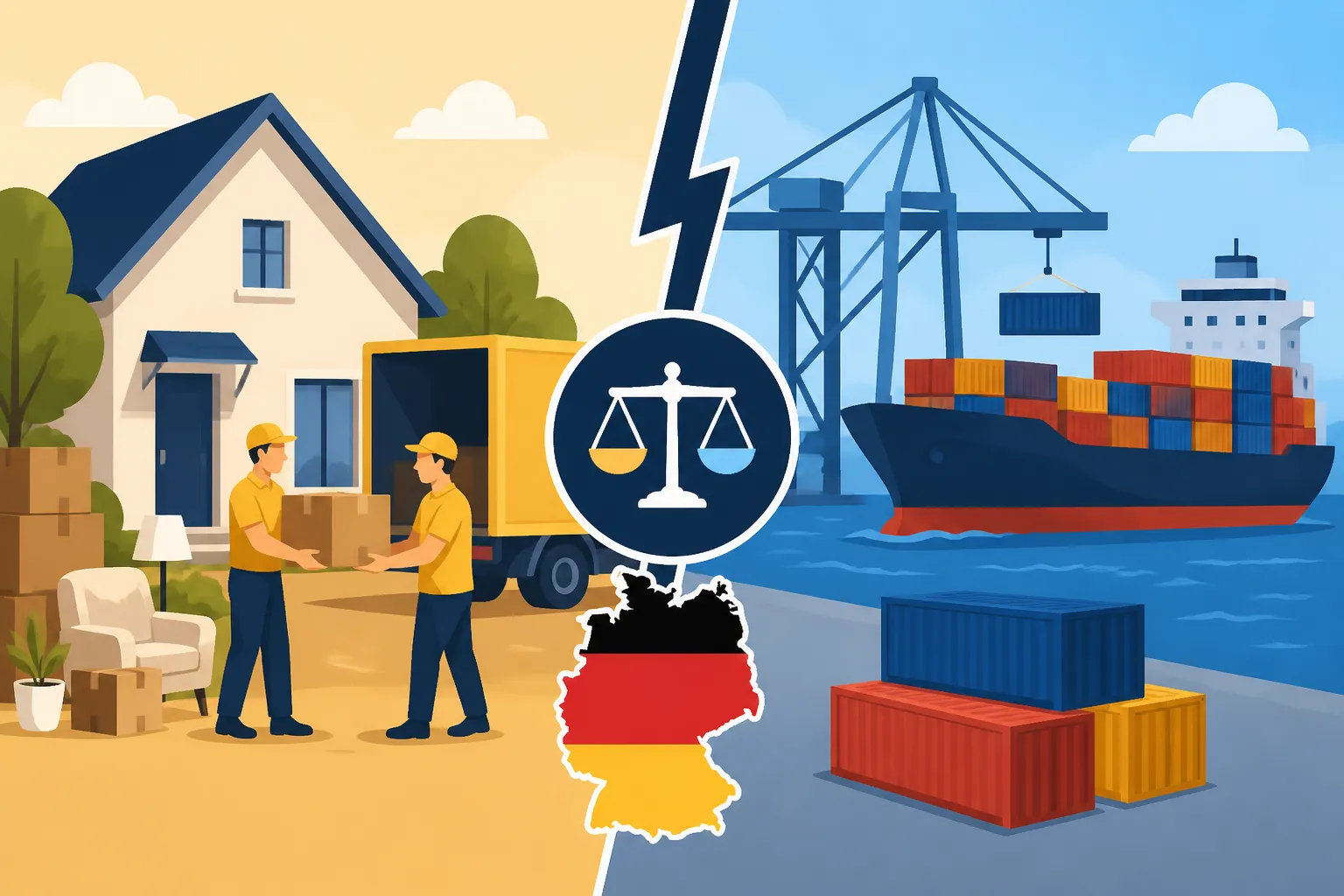
Door-to-Door vs Port-to-Port Moves to Germany: What Each Quote Includes
Moving to Germany? Ah, the adventure! But let's be real, the thought of shipping your entire life across continents can quickly turn that excitement into a swirling vortex of paperwork, logistics, and endless questions. One of the biggest head-scratchers for many expats is figuring out how to get their beloved belongings from their current home to their new German digs without breaking the bank or their sanity. This guide is here to untangle the often-confusing world of international moving quotes, specifically diving into the nitty-gritty of door-to-door versus port-to-port services, so you can make an informed choice that suits your unique move to Deutschland.
Disclosure: This post may contain affiliate links. We may earn a commission at no extra cost to you if you make a purchase through these links. Read full disclosure.
The Grand Dilemma: Door-to-Door vs. Port-to-Port Moving Explained
When you first start researching international movers, these two terms, "door-to-door" and "port-to-port," pop up everywhere, and for many, they sound like different flavors of the same ice cream. But trust me, as someone who's navigated these waters, they are distinctly different beasts, each with its own set of expectations, responsibilities, and costs. Understanding these differences is crucial to avoiding unwelcome surprises and ensuring a smoother transition to your new life in Germany. It’s all about managing your expectations and deciding how much heavy lifting (both literally and figuratively) you’re willing to take on.
What Exactly is Door-to-Door Moving?
Imagine a moving service that swoops in, packs everything you own, handles all the complex shipping, shuffles through the dreaded customs forms, and then delivers your boxes right into your new apartment or house in, say, Berlin or Munich. That, my friend, is the essence of door-to-door moving. It's the "set it and forget it" option, designed for maximum convenience and minimum stress on your part.
With a door-to-door service, your chosen international moving company takes care of virtually every single step of the process. This typically includes sending a professional team to your current home to meticulously pack all your possessions, load them onto a shipping container or into an air freight consignment, transport them to the departure port or airport, manage the international transit (often by sea freight to major German ports like Hamburg or Bremerhaven, or by air to Frankfurt), and then oversee the labyrinthine German customs clearance process. Once your shipment clears customs, they arrange for its transportation from the German port or airport directly to your new address in Germany, unload everything, and sometimes even help with basic unpacking and debris removal.
This comprehensive approach is incredibly appealing, especially for busy professionals, families with young children, or anyone feeling overwhelmed by the sheer scale of an international relocation. The peace of mind that comes with knowing experts are handling the heavy lifting, the paperwork, and the complex logistics is invaluable. Of course, this convenience comes at a price, but for many, it's a worthwhile investment. Services like Sirelo specialize in connecting expats with reputable door-to-door movers who understand the intricacies of relocating to Germany, ensuring you get transparent quotes from experienced providers.
Unpacking Port-to-Port Moving: A Different Approach
Now, let's talk about port-to-port moving. If door-to-door is the full-service restaurant, then port-to-port is the "cook-your-own-meal" kit. It’s a more hands-on approach where you, the expat, take on a significant portion of the logistics and physical labor.
In a port-to-port scenario, the moving company's responsibility generally begins when your packed belongings arrive at the origin port (the port in your current country) and ends when they reach the destination port in Germany. So, what does this actually mean for you? Well, it means everything before your goods arrive at the origin port and after they arrive at the German destination port becomes your responsibility.
You'll be in charge of packing all your items yourself, arranging for them to be transported from your home to the port of departure. Once the shipment arrives in Germany, let's say at the Port of Hamburg, the moving company's service essentially stops there. You then need to handle the customs clearance yourself (or hire a local German customs broker), arrange for a local transport company to pick up your container or consignment from the port, deliver it to your new German address, and then unload and unpack everything.
This option is often chosen by those with a tighter budget, fewer items to move, or individuals who are comfortable navigating logistics and bureaucracy, perhaps with some German language skills or local support already in place. While it promises significant cost savings on the base shipping fee, it demands a much higher investment of your time, effort, and organizational skills. For those who thrive on a challenge and want to save some Euros, it can be a viable path. Just be prepared for the extra legwork, especially once your shipment arrives on German soil.
Diving Deep into What Each Quote Actually Includes (and Excludes)
One of the biggest pitfalls when getting moving quotes is assuming what's included. You absolutely must read the fine print, because what one company calls "standard" might be an add-on for another. Let's really break down what you should expect from each type of quote when planning your move to Germany.
The Full Package: What a Door-to-Door Quote Covers
A comprehensive door-to-door quote for your move to Germany should lay out a clear, itemized list of services. This transparency is what you’re paying for – fewer surprises and a smoother process. Here's what you can typically expect to be covered:
- Professional Packing and Crating: This is a huge time-saver. Experienced packers will come to your home, bring all necessary packing materials (boxes, bubble wrap, packing paper, moving blankets), and meticulously pack your belongings. For fragile or valuable items, custom crating might be included or offered as an option. This ensures your items are prepped for the rigors of international transit.
- Loading and Transportation (Origin): The movers will carefully load your packed items onto a truck at your current residence and transport them to the relevant sea port or airport in your home country.
- International Transit (Freight): This covers the main journey – whether it's ocean freight in a container (LCL for smaller shipments, FCL for larger) or air freight – from your country's port/airport to a designated entry point in Germany, like the major container terminals in Hamburg or Bremerhaven, or airports like Frankfurt.
- Customs Clearance (Both Ends): This is where the complexity truly lies, and a door-to-door service shines. The moving company will handle the export customs clearance in your home country and, crucially, the import customs clearance upon arrival in Germany. They will guide you on the necessary documents (e.g., inventory lists, copies of your visa or residence permit, proof of previous residence), submit declarations, and ensure your goods comply with German import regulations. This means less stress trying to understand German customs forms and regulations.
- Terminal Handling Charges: Fees levied by ports or airports for handling your container or cargo at both the origin and destination terminals.
- Unloading and Transportation (Destination): Once cleared through German customs, your goods will be transported from the German port or airport directly to your new address. The movers will then unload the items into your new home.
- Basic Unpacking and Debris Removal: Often, door-to-door services include placing furniture and boxes in designated rooms, and even basic unpacking of boxes onto flat surfaces. They will typically remove the used packing materials (empty boxes, paper, etc.) from your new home.
- Standard Transit Insurance: Most reputable movers include a basic level of transit insurance. This is usually limited, so it’s always wise to discuss additional coverage options for higher-value items.
When getting quotes from companies found via Sirelo, you’ll be able to clearly compare these inclusions, ensuring you’re getting a truly comprehensive service tailored to expats moving to Germany.
The DIY Version: What a Port-to-Port Quote Covers (and Your Responsibilities)
With a port-to-port quote, the inclusions are significantly more limited, and your list of responsibilities grows exponentially. This isn't necessarily a bad thing if you're prepared, but it's vital to understand what you're signing up for.
What a Port-to-Port Quote Typically Includes:
- Main Transit (Ocean or Air Freight): The core cost covers the actual shipment of your packed belongings from the departure port/airport in your home country to the arrival port/airport in Germany. For example, from the port of Oakland to the port of Bremerhaven.
- Terminal Handling Charges: Again, these are fees for moving your cargo within the port facilities at both ends.
*What a Port-to-Port Quote Excludes (Your Responsibilities):*
This is the critical list you need to pay attention to, as these are tasks and costs you will incur on your own:
- Pre-Shipment Logistics:
- Packing Materials & Labor: You are responsible for sourcing all packing materials (boxes, tape, bubble wrap) and doing all the packing yourself.
- Loading & Local Transport to Origin Port: You must arrange and pay for your packed goods to be picked up from your home and transported to the specific departure port or airport designated by the shipping company. This involves hiring local hauliers.
- Customs Clearance in Germany: This is perhaps the biggest hurdle. You are solely responsible for:
- Preparing all German Customs Documents: This includes a detailed inventory, proof of residence, visa/work permit documentation, and any other forms required by the German customs authorities (Zollamt).
- Engaging with German Customs Officials: You might need to directly visit the customs office at the port or hire a local German customs broker to handle the declarations and procedures on your behalf. This is critical for avoiding delays or fines.
- Post-Arrival Logistics in Germany:
- Port Pickup & Local Transport: Once your shipment clears German customs, you must arrange for a local transport company to pick up your container or consignment from the port (e.g., Hamburg or Bremerhaven) and deliver it to your new German address.
- Unloading & Unpacking: Upon arrival at your home, you and your hired help (if any) are responsible for unloading all boxes and furniture, as well as unpacking and disposing of debris.
- Storage & Demurrage Fees: If there are delays in customs clearance or if you cannot pick up your shipment promptly from the port, you could incur significant storage fees or demurrage charges (penalties for delayed return of the shipping container). These can quickly erode any initial savings.
Imagine your container arriving at Bremerhaven, and you, fresh off the plane, trying to navigate the German logistics system in a new country and possibly a new language to get your stuff to, say, your new home in Leipzig. It's doable, but it requires serious grit and planning!
Cost Considerations: Making Your Budget Go Further
Let's face it, moving internationally is expensive. There’s no way around that. But understanding the cost structures of door-to-door versus port-to-port services can help you budget more effectively and decide where to allocate your hard-earned cash.
The Price Tag of Convenience: Door-to-Door Costs
When you receive a door-to-door quote from a company, it will undoubtedly be higher than a port-to-port quote for the same volume of goods. This higher upfront cost reflects the comprehensive nature of the service and the professional expertise involved in every step.
However, it's crucial to see this cost not just as an expense, but as an investment in:
- Peace of Mind: The mental load taken off your shoulders is immense. You don't have to worry about coordinating multiple vendors, understanding complex customs rules, or dealing with unexpected logistical headaches in a new country.
- Time Savings: Imagine the hours, if not days or weeks, you'd spend researching, calling, packing, loading, and dealing with paperwork. Door-to-door services free up this valuable time, allowing you to focus on other aspects of settling into your new German life, like Finding a Kindergarten or Daycare in Germany: How to Enroll Your Child or registering for Learning German: Top Language Schools and Resources for Expats.
- Reduced Risk of Hidden Costs (if quoted properly): A good door-to-door quote should be all-inclusive. While there can always be unforeseen customs duties or taxes that are your responsibility (these are usually not part of the mover's quote as they depend on the value of your goods), the logistical charges should be transparent. This means fewer nasty surprises like demurrage fees or unexpected trucking costs at the German end.
Factors that influence the cost of a door-to-door move include:
- Volume of Goods: This is the primary driver. The more you send, the more it costs.
- Distance: The further you're moving, the higher the shipping costs.
- Special Items: Pianos, artwork, or other oversized/fragile items require specialized packing and handling, increasing the price.
- Insurance: While basic coverage is usually included, upgrading to comprehensive "all-risk" insurance will add to the total.
- Timing: Moving during peak seasons (e.g., summer) can sometimes be more expensive due to higher demand.
Companies found through Sirelo strive to provide detailed, transparent quotes that outline all costs upfront, so you know exactly what you're paying for. This helps you compare apples to apples when evaluating different door-to-door options.
Unveiling the Savings (and Potential Pitfalls) of Port-to-Port
The allure of port-to-port moving is, undeniably, the lower base cost. On paper, it looks like a significant saving. However, it's vital to consider the "invisible costs" and potential pitfalls that can quickly erase those initial savings.
The Savings:
- Lower Base Shipping Fee: You're only paying for the core transport between ports, eliminating the cost of professional packing, local transport at both ends, and customs brokerage services provided by the mover.
- Control over Expenses: If you're highly organized and resourceful, you can shop around for the cheapest packing materials, rent a moving truck yourself, and potentially find a more affordable local haulier in Germany.
The Potential Pitfalls (Hidden Costs & Efforts):
- Your Time & Effort: This is arguably the biggest "cost." The hours spent packing, coordinating, researching German customs, making phone calls (potentially in German), and dealing with logistics are valuable. What's your time worth?
- Cost of Local Transport: You'll need to pay for a truck to get your goods to the origin port and, crucially, from the German destination port to your new home. For example, if your shipment arrives at the Port of Hamburg, you'll need to find a German trucking company to deliver it to your residential address, which can be surprisingly expensive if you don't have existing contacts or German language skills.
- Customs Broker Fees: Unless you're an expert in German import customs (unlikely for most expats), you'll likely need to hire a local customs broker in Germany to handle the declarations and clear your shipment. This is an additional fee that can range from a few hundred to over a thousand Euros, depending on the complexity and value of your goods.
- Storage and Demurrage: Delays are common in international shipping and customs. If your shipment isn't picked up promptly from the German port after arrival, you will incur daily storage fees. Demurrage charges for delaying the return of the shipping container can be particularly steep. These unforeseen charges can rapidly escalate and easily wipe out any savings you thought you made.
- Risk of Damage: Without professional packing, your items are at a higher risk of damage during transit. This can lead to the "cost" of replacing broken goods.
- Stress: The mental strain of managing complex logistics in a foreign country, especially when you're also trying to adjust to a new culture and possibly learn a new language, should not be underestimated.
For example, imagine your container arrives at Bremerhaven, and you receive a notice from the port in German. You then have to find a customs broker, get quotes for local delivery, and coordinate everything. This is where many expats realize the "savings" weren't quite what they imagined, and the headache was far greater than anticipated.
The Bureaucratic Maze: Customs and Regulations in Germany
Ah, German bureaucracy! It’s a rite of passage for every expat moving to Germany. Customs procedures can be particularly daunting, and the way you navigate them differs significantly between door-to-door and port-to-port moves.
Smooth Sailing with Door-to-Door Customs
One of the biggest advantages of a door-to-door service is that your moving company acts as your guide and facilitator through the customs process. They have established procedures and often direct contacts with customs authorities in Germany, such as the Zollamt.
Here’s how it generally works:
- Expert Guidance: Your moving coordinator will provide you with a clear list of all the documents you need to prepare. This typically includes a copy of your passport, your visa or residence permit for Germany, proof of your former residence (e.g., utility bills from your old country), and a detailed, signed inventory list of all your household goods.
- Paperwork Handled: The moving company will prepare and submit the necessary customs declarations on your behalf. They know the correct forms, the right terminology, and how to present your information to ensure smooth clearance. This reduces the likelihood of delays due to incorrect paperwork.
- Prohibited Items Advice: They will also advise you on items that are prohibited or restricted from entering Germany, helping you avoid issues. For instance, certain plant materials, uncontrolled substances, or specific types of firearms are strict no-gos.
- Less Stress for You: While you still need to provide accurate information and original documents, the heavy lifting of interacting with customs officials and understanding the legal jargon falls to the moving company. This allows you to focus on other crucial initial steps, like your Anmeldung: Registering Your Address in Germany.
Reputable Sirelo partners are well-versed in German customs regulations, meaning your belongings have a much higher chance of gliding through the process without a hitch.
Navigating German Customs Solo with Port-to-Port
If you opt for a port-to-port move, the responsibility for clearing your goods through German customs rests squarely on your shoulders. This can be a challenging endeavor, especially if you're new to the country and not fluent in German.
Here’s what you need to be prepared for:
- Direct Engagement with Zollamt: You will likely need to directly contact the local customs office (Zollamt) at the port where your goods arrive (e.g., Hamburg, Bremerhaven, or the nearest airport customs office for air freight).
- Hiring a Customs Broker: For most expats, hiring a local German customs broker (Zollagent) is highly advisable, if not essential. They are experts in German import laws, can communicate directly with the Zollamt, and will handle the submission of your declaration forms. This is an additional cost you must factor into your budget.
- Required Documentation: You will still need all the same documents as with a door-to-door move:
- Detailed, signed inventory list (often in German, or a notarized translation).
- Copy of your passport.
- Your valid German visa or residence permit (Aufenthaltstitel).
- Proof of residence in Germany (e.g., rental contract, Wohnungsgeberbestätigung Explained).
- Proof of residence in your country of origin for at least 12 months (e.g., old utility bills, rental agreements).
- A declaration that the goods are for your personal use and have been owned and used for at least six months.
- Proof that you intend to establish normal residence in Germany.
- Potential Delays and Fines: Any inaccuracies in your documentation, missing forms, or a misunderstanding of regulations can lead to significant delays, extra storage costs at the port, or even fines. German customs officials are thorough, and strict adherence to rules is expected.
- Language Barrier: Much of the communication with the Zollamt and local brokers might be in German, adding another layer of complexity if your language skills aren't up to par.
This part of a port-to-port move can be the most stressful and time-consuming. It's not for the faint of heart and requires a very proactive approach and excellent organizational skills. For more information on immigration matters, you might find our guide on Moving to Germany: Comprehensive Visa & Immigration Guide helpful.
Deciding What's Right for You: Factors to Consider
Ultimately, the choice between door-to-door and port-to-port depends entirely on your personal circumstances, budget, and tolerance for stress. There's no universal "best" option – only the best option for you.
When Door-to-Door is Your Best Bet
Choose door-to-door if:
- You Prioritize Convenience and Peace of Mind: You want to minimize your involvement in the logistical nightmare and focus on settling into your new life. You're willing to pay a premium for a hassle-free experience.
- You Have a Higher Budget: The added services come with a higher price tag, but you see it as a worthwhile investment in a smooth transition.
- You're Moving with a Family (Especially Young Children): The sheer volume of tasks involved in moving with kids is immense. Delegating the packing, shipping, and customs to professionals frees you up to manage family needs.
- You Have Many Valuables or Fragile Items: Professional packers are trained to safely pack delicate items, reducing the risk of damage during transit.
- You Lack Local Contacts or German Language Skills: Navigating local transport and customs in Germany without assistance can be incredibly challenging without a local network or language proficiency.
- You Have a Large Volume of Goods: The more you're moving, the more complex the logistics become, making professional management highly beneficial.
For those who fit this profile, services like Sirelo are designed to simplify the search for reliable door-to-door moving companies, offering multiple quotes to ensure you find the best fit for your move to Germany.
Opting for Port-to-Port: For the Adventurous and Budget-Conscious
Choose port-to-port if:
- You Have a Very Tight Budget: Cost savings are your absolute top priority, and you're willing to put in the effort to achieve them.
- You Enjoy a Challenge and Are Highly Organized: You're comfortable with logistics, paperwork, and coordinating different services yourself. You thrive on solving problems.
- You Have Fewer Items or a Smaller Shipment: The less you have to move, the more manageable the DIY aspects of port-to-port become.
- You Have Local Support or German Language Skills: Having friends, family, or colleagues in Germany who can help with local transport, customs, or translation will significantly ease the burden.
- You Have Experience with International Logistics: If you've handled similar moves or customs procedures before, you'll be better equipped.
- You Have Plenty of Time: You'll need to dedicate a significant amount of time before, during, and after the shipment to manage all the details.
Here's a quick comparison to help you visualize the differences:
| Feature | Door-to-Door Moving | Port-to-Port Moving |
|---|---|---|
| Cost | Higher upfront | Lower initial quote, but many potential hidden costs and personal expenses |
| Convenience | Very High (minimal effort from you) | Low (significant effort required from you) |
| Effort Required | Low (mainly providing documents, signing off) | High (packing, local transport, customs, unloading, unpacking) |
| Key Inclusions | Professional packing, loading, international transit, customs clearance (both ends), destination delivery, basic unpacking. | International transit only (from origin port to destination port). |
| Key Exclusions | Potential customs duties/taxes, optional enhanced insurance. | Packing, local transport to origin port, local transport from German port, German customs clearance, unloading, unpacking, potential storage/demurrage fees, additional insurance. |
| Ideal For | Busy professionals, families, large shipments, those seeking maximum peace of mind, first-time expats to Germany. | Budget-conscious individuals, small shipments, those with local support/language skills, experienced movers, those who enjoy managing logistics. |
| Stress Level | Low | High |
No matter which path you choose, remember that moving to Germany is a huge undertaking. For more information on what to expect when you're settling in, check out our Housing in Germany: Renting, Buying, and Finding Your Home as an Expat guide, or our Cost of Living in Germany: Budgeting Guide for Expats to get your finances in order. You might also want to prepare for the inevitable German Culture & Etiquette: A Guide to Social Life and Customs adjustments. Understanding your Understanding German Rental Contracts: Key Terms and Conditions and securing Home and Liability Insurance in Germany (Haftpflicht and Hausrat) will be next on your list. And don't forget getting your Internet and Mobile Phone Plans in Germany: Getting Connected Fast! Every step, from finding the right city (like checking out Best Cities in Germany for Expats: Pros and Cons of Each) to choosing your moving service, is part of your grand German adventure.
Ultimately, the best way to determine your perfect fit is to explore your options. This is precisely where Sirelo can be your best friend. By requesting free, non-binding quotes through their platform, you can get a clear picture of what different door-to-door and port-to-port services will cost you, allowing you to weigh the financial implications against the convenience and peace of mind offered. This way, you can tailor your move to your specific needs and ensure your transition to Germany is as smooth as possible. Get a few quotes, compare them carefully, and choose the service that aligns best with your budget, timeline, and comfort level.
Disclaimer
Please remember that while I strive to provide accurate and up-to-date information, moving regulations, customs laws, and service offerings can change. This guide is for informational purposes only and does not constitute legal or professional advice. Always consult with reputable moving companies and, if necessary, a customs broker or legal professional for advice tailored to your specific situation when planning your international move to Germany.