Where to Stay in Saxon Switzerland and the Harz
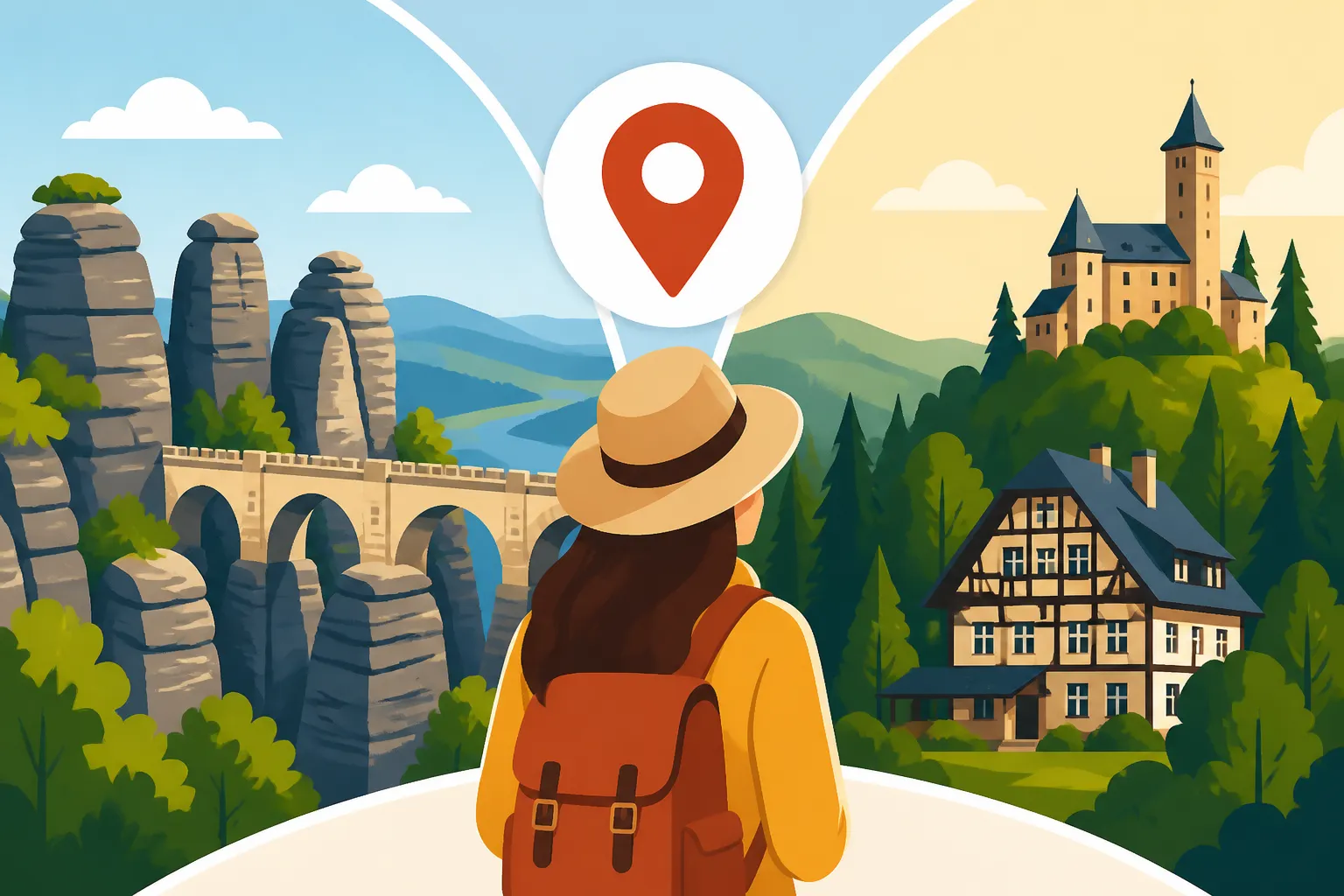
Oh, Germany! Sometimes, picking a place to stay here can feel like trying to solve a particularly bureaucratic riddle, especially when you're venturing beyond the big cities and into the truly stunning natural landscapes. If you've got your sights set on the dramatic sandstone peaks of Saxon Switzerland or the mystical forests and medieval towns of the Harz Mountains, you're in for an absolute treat. But deciding where to lay your head down can make or break the experience. This guide is going to walk you through the best spots, what to expect, and how to snag the perfect accommodation for your adventure in these two incredible, yet very different, German gems.
Disclosure: This post may contain affiliate links. We may earn a commission at no extra cost to you if you make a purchase through these links. Read full disclosure.
Unveiling Saxon Switzerland: Your Gateway to Sandstone Wonderland
Saxon Switzerland, or Sächsische Schweiz as the locals call it, isn't actually Switzerland. It's a national park in Saxony, right on the border with the Czech Republic, known for its utterly unique sandstone mountains, deep gorges, and lush forests. It’s a hiker's paradise, a climber's dream, and a photographer's muse. Choosing where to stay here really depends on what kind of experience you're chasing: do you want to be in the thick of the action, or are you dreaming of a peaceful retreat?
Best Bases for Hiking and Scenery in Saxon Switzerland
If you're here to hike, explore, and breathe in that spectacular Elbe Sandstone Mountain air, you'll want a base that puts you right at the heart of the trails and main attractions.
-
Bad Schandau: This spa town is often considered the capital of Saxon Switzerland. It's incredibly well-connected, which is a massive plus if you're relying on public transport, something I've found to be a lifesaver in Germany for avoiding parking headaches. The S-Bahn (local train) runs right through it, connecting you to Dresden and other key towns along the Elbe River. You’ll find a good mix of traditional hotels, charming guesthouses (known as Pensionen), and modern wellness resorts here. It’s perfect for those who want a blend of nature access and town amenities. You can easily find a place on Booking.com that allows you to start your hikes right from your doorstep or catch a short bus ride to trailheads. For example, a scenic boat trip on the Elbe is right there, taking you to various starting points.
-
Rathen (Kurort Rathen): This picturesque village is probably the most famous, mainly because it's the closest jumping-off point for the iconic Bastei Bridge and the Bastei Rocks. It’s a car-free village on one side of the river, adding to its tranquil charm, but be prepared for a bit of walking or taking the small ferry across the Elbe. If your main goal is to see the Bastei at sunrise or sunset without the crowds, staying in Rathen is a no-brainer. Accommodation here ranges from quaint family-run hotels to holiday apartments (Ferienwohnungen) that give you a taste of local life. While it's smaller, Booking.com still offers several fantastic options, many with balconies offering breathtaking river views. It’s ideal for couples or small families who prioritize proximity to the main sights.
-
Königstein: Dominated by the magnificent Königstein Fortress, this town offers a slightly different perspective. It's a bit further upriver from Rathen but still provides excellent access to hiking trails and boat tours. The fortress itself is a day trip on its own! Staying in Königstein gives you a sense of history alongside the natural beauty. You might find fewer large hotels here and more smaller guesthouses or private rentals, which can be lovely for an authentic experience. Again, Booking.com is your friend here, allowing you to filter for specific amenities like breakfast or pet-friendly options, which I know can be a real struggle to pin down when you're dealing with German websites and unfamiliar terminology.
Experiencing Tranquility and Local Charm in Saxon Switzerland
Sometimes, you just want to get away from it all, truly immerse yourself in the quiet beauty, and perhaps rub shoulders with a few more locals than tourists. Saxon Switzerland has plenty of nooks for that.
-
Schmilka: This tiny border village directly on the Elbe is known for its organic brewery and ferry connection to the National Park. It's a quieter alternative to Bad Schandau, offering a very relaxed pace. If you're into sustainable travel and enjoy smaller, more intimate settings, Schmilka could be perfect. You'll find a handful of guesthouses and a nature-focused hotel, often offering excellent regional food. It’s a bit off the beaten path, but that's precisely its charm. The slower pace here really helps you unwind, and you can connect to trails leading into the core of the national park.
-
Pirna: While technically just outside the national park boundaries, Pirna is a beautiful historic town often called the "Gateway to Saxon Switzerland." It's less touristy than the villages within the park but still offers great connections (trains, boats) to all the main attractions. If you appreciate charming old town centers, a wider array of restaurants, and perhaps slightly more affordable accommodation, Pirna is a strong contender. You'll find a good selection of hotels and B&Bs, and it's another place where Booking.com can help you filter for exactly what you need, whether it's a family room or a quiet single. It’s also a good spot to consider if you're making a longer trip through the region and looking for varied experiences.
One thing I've learned about traveling in Germany, especially in these more rural areas, is that while many people might not speak fluent English, their hospitality is usually top-notch. Don't be shy; a few basic German phrases go a long way! For more general travel in Germany, you might find our guide on German Language and Everyday Communication for Visitors incredibly useful.
Discovering the Harz Mountains: Myth, Mines, and Mountain Magic
Moving northwest, we find the Harz Mountains, a region steeped in folklore (witches, anyone?), ancient mining history, and stunning, dense forests. It's a stark contrast to the dramatic sandstone of Saxon Switzerland, offering rolling hills, deep valleys, and Germany's northernmost mountain range. The Harz National Park protects much of its natural beauty, and the region boasts several UNESCO World Heritage Sites.
Iconic Towns and Activity Hubs in the Harz
The Harz offers a variety of experiences, from medieval charm to adventurous mountain activities. Your choice of base will heavily influence your trip.
-
Goslar: This is a truly magnificent UNESCO World Heritage city, famous for its well-preserved medieval old town and the Imperial Palace (Kaiserpfalz). If you're a history buff, Goslar is an absolute must-stay. The city is vibrant with half-timbered houses, cobblestone streets, and the Rammelsberg Mine, another UNESCO site. Accommodation here ranges from elegant boutique hotels in historic buildings to modern hotels. You'll find plenty of options on Booking.com, often with great deals if you book a bit in advance. It’s a fantastic base for exploring the western Harz and offers good public transport connections to other towns.
-
Wernigerode: Often called the "Pearl of the Harz," Wernigerode is another fairy-tale town with a stunning castle perched above it and a charming market square. It’s also famous for being a departure point for the Brockenbahn, the narrow-gauge steam train that chugs up to the highest peak, the Brocken. If you want that classic Harz experience, complete with steam trains and a picturesque setting, Wernigerode is your spot. Hotels, guesthouses, and holiday apartments are plentiful, and it’s a popular spot, so securing your ideal place early on Booking.com is a smart move. I've found that for popular German destinations, early booking often means better selection and sometimes better prices.
-
Quedlinburg: Another UNESCO World Heritage site, Quedlinburg offers perhaps the most authentic medieval experience in the Harz. With over 2,000 half-timbered houses spanning eight centuries, it's like stepping back in time. It’s a quieter town than Goslar or Wernigerode, focusing more on its historical charm. If you're looking for a peaceful, romantic getaway with incredible history, Quedlinburg is ideal. Accommodation is often in beautifully restored historic buildings, providing a unique atmosphere. Finding these unique, smaller places is where Booking.com's extensive filters can really help you narrow down exactly what you're looking for.
Secluded Retreats and Nature Escapes in the Harz
Beyond the famous towns, the Harz is a vast expanse of nature, perfect for those seeking peace, outdoor activities, or a break from the everyday.
-
Braunlage: If skiing, snowboarding, or even just general winter sports are on your agenda, Braunlage is one of the premier destinations in the Harz. In summer, it transforms into a mountain biking and hiking hub. It’s a resort town, so you’ll find more modern hotels, wellness centers, and larger holiday homes (Ferienhäuser) here. It offers a more active, less historical focus than the UNESCO towns. If you're coming with family or a group of friends for an activity-based holiday, look for hotels or apartments here.
-
Thale: Situated at the northern edge of the Harz, Thale is known for its dramatic landscapes, particularly the "Witches' Dance Floor" (Hexentanzplatz) and the "Devil's Wall" (Teufelsmauer). It's a great base for exploring legends, taking cable car rides, and enjoying the rugged beauty of the Bodetal valley. It's less about medieval architecture and more about natural wonders and a touch of Harz mythology. Accommodation options include family-friendly hotels and charming guesthouses. You can find some fantastic deals and unique stays on Booking.com, perhaps even a place with a view of the mountains.
-
Clausthal-Zellerfeld: Located more centrally within the Upper Harz, this twin town is historically tied to mining. It’s a good base for exploring the Harz National Park, especially if you're interested in hiking the ancient water management systems (the Oberharzer Wasserwirtschaft). It’s less touristy than Goslar or Wernigerode, offering a more tranquil, nature-focused experience. Expect traditional German guesthouses and simpler hotels, perfect for hikers and nature lovers who aren't looking for bustling nightlife.
When traveling in these regions, you might be surprised by how many places, especially smaller guesthouses, prefer cash. It's always a good idea to have some euros on hand, a tip I'd also share if you were trying to understand Cash vs Card in Germany: What Visitors Should Know.
Practicalities of Booking Your German Mountain Escape
Booking accommodation in Germany, especially in scenic regions, can sometimes feel like a puzzle. But with a bit of know-how and the right tools, it's actually quite straightforward.
Navigating Accommodation Types and Booking Platforms
Understanding the different types of accommodation is key to finding what suits you best.
- Hotels: Pretty standard globally. You'll find everything from budget to luxury, often with breakfast included. Look out for "Wellness Hotels" in spa towns.
- Pensionen / Gasthöfe: These are typically family-run guesthouses or inns, often with a restaurant on-site. They offer a more personal touch and can be a fantastic way to experience local hospitality. Don't expect huge chains; these are often unique.
- Ferienwohnung (FeWo) / Ferienhaus: These are holiday apartments or houses, perfect if you're staying for several days, want to cook your own meals, or are traveling with family or a group. They offer more space and flexibility.
- Jugendherbergen (Youth Hostels): Don't let the name fool you; many German hostels are quite modern and cater to families and older travelers too, not just young backpackers. They can be a very affordable option.
For an expat or tourist, Booking.com is an absolute lifesaver when it comes to finding and booking these places. Seriously, it's my go-to for so many reasons:
- Language: The website is available in countless languages, which bypasses the headache of navigating German-only hotel sites.
- Filters: You can filter by everything: price, location, property type (hotel, apartment, guesthouse), amenities (parking, Wi-Fi, breakfast, pet-friendly), and even proximity to specific landmarks. This is crucial for finding that perfect spot.
- Reviews: Real reviews from other travelers, often with photos, give you an honest picture of what to expect. You can often filter for reviews in your own language too.
- Customer Service: Their customer service is generally responsive and helpful, which is a huge comfort when you're in a foreign country and something goes awry.
- Variety: From the smallest Pension in a Harz village to a chic boutique hotel in Bad Schandau, Booking.com has an incredible array of choices. It's the most comprehensive platform I've found for Germany.
While sometimes booking directly with a smaller establishment might get you a tiny discount, the convenience and peace of mind offered by Booking.com, especially for non-German speakers, usually outweigh any minor savings. Plus, I've seen some fantastic last-minute deals pop up on the platform, so it's worth checking frequently.
Here’s a quick overview of what to consider:
| Feature | Saxon Switzerland | Harz Mountains |
|---|---|---|
| Best For | Dramatic sandstone formations, hiking, climbing | Mystical forests, medieval towns, mining history, winter sports |
| Accommodation Vibe | Quaint guesthouses, nature-focused hotels | Historic hotels, spa resorts, half-timbered stays |
| Key Towns | Bad Schandau, Rathen, Königstein, Pirna | Goslar, Wernigerode, Quedlinburg, Braunlage |
| Primary Activities | Hiking the Malerweg, boat trips, fortress visits | Brockenbahn, UNESCO sites, hiking, skiing, witch legends |
| Accessibility | Well-served by S-Bahn along Elbe, ferries | Good train/bus connections to main towns; car recommended for deeper exploration |
| Unique Selling Point | Raw, unique rock landscapes, Elbe River scenery | Rich history, folklore, diverse outdoor activities |
Insider Tips for a Smooth Stay in German Mountain Regions
Based on my years here, here are a few things that might help you ensure your trip to Saxon Switzerland or the Harz is as smooth as possible:
- Book Ahead, Especially for Peak Season: These regions are incredibly popular with German tourists, especially during school holidays (Ferien), long weekends (hello, German Public Holidays: How They Affect Life and Work), and during specific events like Walpurgisnacht in the Harz or the autumn hiking season in Saxon Switzerland. If you have specific dates or a particular hotel in mind, don't leave it to the last minute. Booking.com will show you availability, but popular spots fill up fast.
- Consider Public Transport vs. Car: While Germany's public transport system is generally fantastic (you can learn more from Getting Around Germany: Trains, Buses, Flights, and Car Hire), especially in Saxon Switzerland with the S-Bahn along the Elbe, a car can offer more flexibility, particularly in the Harz if you want to explore smaller, more remote trailheads or villages. If you opt for a car, remember to check Renting a Car and Driving on the Autobahn for tips. Many hotels offer parking, but it's always good to confirm in advance.
- Wi-Fi and Connectivity: Most hotels and guesthouses will offer Wi-Fi, but in very remote areas, it might be spotty. If connectivity is crucial for you, double-check reviews or the property's amenities list on Booking.com. It's also worth looking into Mobile Data and eSIMs for Travel in Germany so you're never stranded without a signal.
- Meals and Dining: Breakfast is often included or offered as an extra in hotels and Pensionen. For lunch and dinner, many towns will have traditional German restaurants (Gasthäuser) serving hearty regional fare. If you’re staying in a Ferienwohnung, consider grocery shopping at local supermarkets, but remember that many shops are closed on Sundays in Germany!
Both Saxon Switzerland and the Harz Mountains offer truly unforgettable experiences, whether you're climbing a Felsentor or chasing witch legends up the Brocken. With a little planning and the right tools, like our trusty Booking.com, you’ll find the perfect home base to make the most of your German adventure. Happy travels!
Disclaimer
Please remember that while I strive to provide accurate and up-to-date information, details such as prices, opening hours, and specific visa requirements can change. Always verify information with official sources or directly with service providers before making travel plans or financial commitments.