Hostels and Jugendherbergen: Private Rooms vs Dorms on Total Cost
Oh, the joys of planning a trip or a short stay within Germany, especially when you're trying to stretch your euros! It's a common dilemma for us expats, whether we’re exploring a new city or just need a place to crash for a night or two: where do you stay without breaking the bank? Hostels and Jugendherbergen (youth hostels) are often the first port of call, but then comes the age-old question – do you brave the dorm room or splurge a little for a private space? This guide will dive deep into the real costs, weighing up dorms against private rooms in Germany's unique accommodation landscape, and show you how platforms like Booking.com can be your best friend in finding that perfect balance.
Disclosure: This post may contain affiliate links. We may earn a commission at no extra cost to you if you make a purchase through these links. Read full disclosure.
Understanding Germany's Hostel Scene: More Than Just Backpackers
When you hear "hostel," your mind might immediately conjure images of young backpackers, communal kitchens, and snoring strangers. And while that's certainly a part of it, Germany's hostel scene is far more diverse and accommodating than you might imagine. It's not just for gap-year students anymore; families, couples, and even business travelers are increasingly turning to hostels for their blend of affordability, amenities, and often central locations. The key is understanding the options available, especially whether a dormitory or a private room will truly serve your budget and sanity.
The Classic Hostel Experience: Dormitories
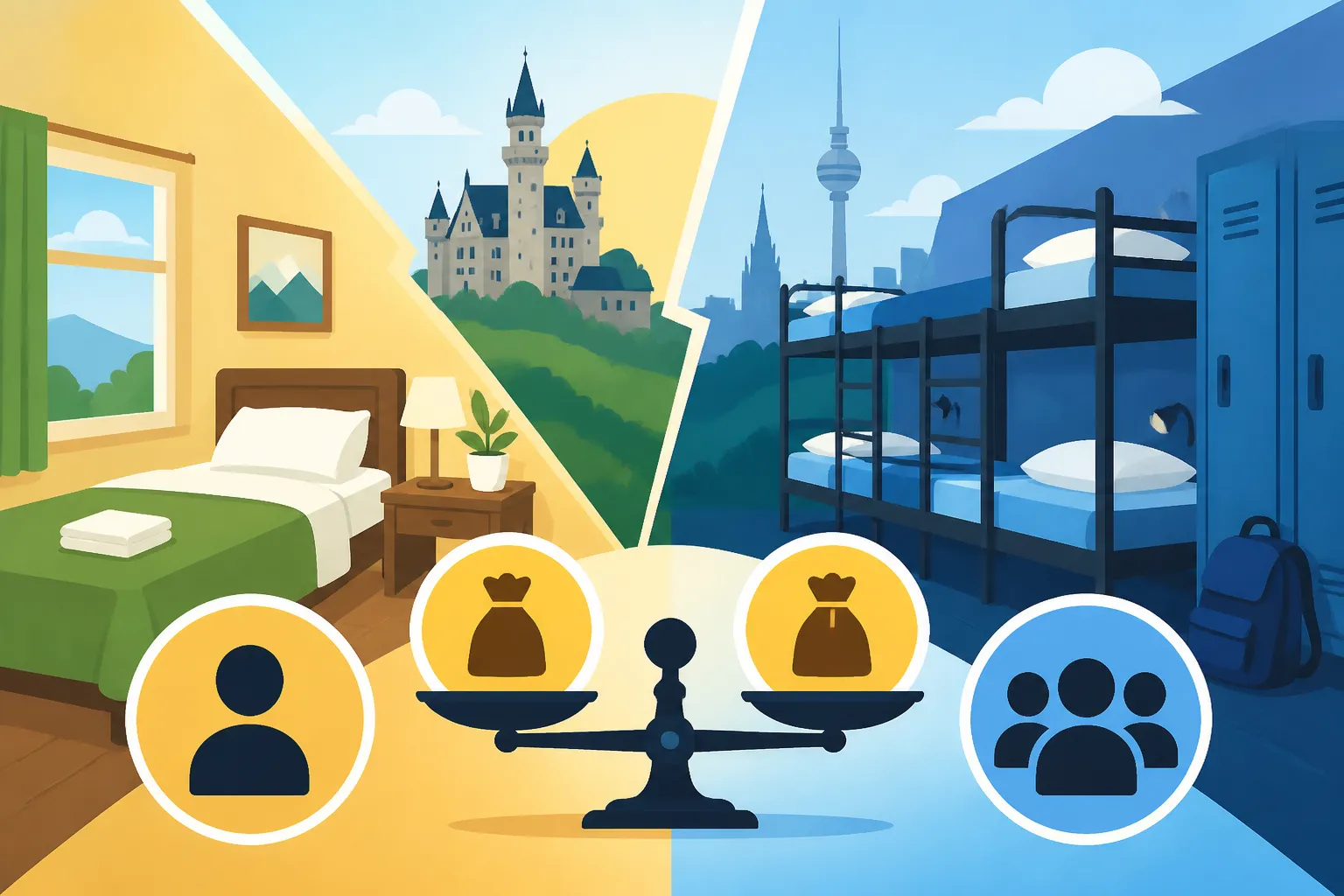
Dormitories are, without a doubt, the quintessential hostel experience. They typically feature multiple bunk beds in one shared room, ranging from small 4-bed dorms to larger rooms accommodating 10 or even 20 people. The biggest draw here is undeniably the price. A bed in a dorm is almost always the cheapest accommodation option you'll find, especially in popular cities like Berlin, Munich, or Hamburg. This is fantastic for solo travelers on a shoestring budget, or those who simply see accommodation as a place to sleep, not to linger.
Beyond the cost, dorms offer a unique social dynamic. You're practically guaranteed to meet other travelers from all corners of the globe, sharing stories, tips, and perhaps even planning impromptu adventures. Many hostels foster this community feel with common areas, bars, and organized events. However, this comes with trade-offs. Privacy is minimal, light sleepers might struggle with various noises, and while most hostels provide lockers, personal security can be a concern for some, requiring diligence with your belongings. When searching for these budget-friendly options, a platform like Booking.com allows you to easily filter by dorm type and check out reviews specifically mentioning the dorm experience, including cleanliness and comfort. It's an invaluable tool for comparing what's on offer across different cities.
Private Rooms in Hostels: A Budget-Friendly Alternative to Hotels
Now, let's talk about the private room in a hostel. This isn't an oxymoron; it's a growing trend that bridges the gap between a traditional hotel and a bustling dorm. Many hostels now offer private rooms, often with one double bed or twin beds, and sometimes even en-suite bathrooms. These rooms are perfect for couples, families with children, or even solo travelers who crave their own space after a day of exploring but still want access to the hostel's communal facilities and vibrant atmosphere.
The cost of a private room in a hostel will naturally be higher than a dorm bed, but it’s usually significantly less than a comparable room in a budget hotel. You get the privacy you desire, the ability to spread out your belongings without worry, and often a much quieter night's sleep. Some private rooms even come with thoughtful touches like a desk or a small seating area, making them suitable for digital nomads or those needing to get a bit of work done. When you're using a comprehensive search engine like Booking.com, you can easily filter for "private room" options within hostels, giving you a clear comparison of prices and amenities. This feature makes it incredibly simple to weigh the benefits of a private room against a standard hotel room, ensuring you're getting the best value for your specific travel needs in Germany.
Navigating Jugendherbergen: Germany's Youth Hostels
Beyond the typical "hostel" we might recognize from international travel, Germany has its own distinct institution: the Jugendherberge. These aren't just any youth hostels; they are part of a nationwide network run by the Deutsches Jugendherbergswerk (DJH), and they offer a slightly different experience, often with a unique charm. They are deeply ingrained in German culture, and understanding their nuances is key to planning your stay.
What Makes Jugendherbergen Different?
Jugendherbergen are often housed in truly unique buildings, from historic castles and medieval fortresses to modern, purpose-built structures in picturesque natural settings or vibrant city centers. Their mission is heavily focused on educational and cultural exchange, promoting community, and encouraging an appreciation for nature and history, especially among young people and families. This means you might find more organized activities, family-friendly facilities, and a generally calmer, more structured environment compared to some independent party hostels. They are particularly popular for school trips, youth groups, and families looking for affordable holidays.
One significant difference is the membership requirement. To stay at a Jugendherberge, you generally need to be a member of the DJH or a recognized international youth hostel association (like Hostelling International, HI). This is a foundational aspect of their operation, distinguishing them from many other hostels which are open to everyone without prior membership. This membership is relatively inexpensive and can pay for itself if you plan multiple stays. While some Jugendherbergen might appear on broad booking platforms, using Booking.com can still provide an excellent initial overview of locations and availability, but remember to verify membership details directly with the DJH or the specific hostel website. It’s always best to be informed upfront to avoid any surprises at check-in.
Cost Implications and Membership Requirements
Let's talk brass tacks: the cost. For a Jugendherberge, the nightly rate for a dorm bed is typically very competitive, often even lower than some independent hostels, especially considering the quality of their facilities. Private rooms are also available, often catering specifically to families with configurations like 3-bed or 4-bed rooms, sometimes with private bathrooms. The price for these private rooms can vary widely depending on the location, season, and the specific amenities offered.
The main financial consideration here is the DJH membership. Individual annual memberships are available, as are family memberships that cover parents and all children under a certain age. While this is an upfront cost, it grants you access to all Jugendherbergen across Germany and often other HI hostels worldwide. If you're planning an extended trip or anticipate multiple stays in Germany, a membership can quickly become a cost-saver. Without it, you might be charged a temporary membership fee per night, which can negate some of the savings. So, always factor that in when you're doing your comparisons. When you are initially scoping out options, Booking.com can show you a range of accommodation types in Germany, and while it might not always explicitly state DJH membership requirements, it's a great starting point to discover Jugendherberge locations and then cross-reference with their official sites for the full details on membership and booking.
The Real Cost Breakdown: Dorm vs. Private Room in Hostels and Jugendherbergen
Deciding between a dorm and a private room isn't just about the sticker price; it's about understanding the complete financial picture, including those pesky "hidden" costs. For us expats, every cent saved on accommodation is another cent for a Bratwurst, a museum ticket, or a scenic train ride. Let's dig into what really impacts your total cost.
Beyond the Nightly Rate: Hidden Costs and Value
The advertised nightly rate for a dorm bed or a private room is rarely the final amount you'll pay. In Germany, several additional charges can creep in, making a seemingly cheap option slightly more expensive.
First, bed linen and towels. While some hostels include these, many charge a small fee for their rental, especially in dorms. Jugendherbergen almost always require you to use their provided linen for hygiene reasons, and this cost is typically added to your booking or paid upon arrival. Always check this detail when booking on platforms like Booking.com, as some listings are very transparent about what's included and what's extra.
Next, city tourist tax (Kurtaxe or City Tax). This is a common charge in many German cities and tourist regions, a small per-person, per-night fee levied by the local municipality. It's usually not included in the initial booking price and is collected at check-in. It applies to both dorms and private rooms, and can add up over several nights.
Consider breakfast. Many hostels offer breakfast for an additional fee, or sometimes a simple one is included. While it might seem small, buying breakfast out every day can significantly impact your food budget. Weigh the cost of a hostel breakfast against finding a local bakery (which, let's be honest, is a delightful German experience!).
Locker rental for dorms, Wi-Fi access (though increasingly free), and even luggage storage can sometimes come with a small charge. Always read the fine print or check the "facilities" section on Booking.com listings to understand what's truly included. The "value" in a private room might not just be privacy but also the peace of mind that you're not paying extra for every small convenience.
When a Private Room Makes Financial Sense (and When a Dorm Wins)
The decision often boils down to your travel party and priorities.
When a private room might make financial sense:
- Couples: If you're traveling as a pair, the cost of two dorm beds can often be surprisingly close to, or even exceed, a private double room. For instance, if a dorm bed is €30 per person, two beds cost €60. A private room might be €65-€80. For that small difference, you gain immense privacy, security, and a much better night's sleep. Many private rooms on Booking.com also feature en-suite bathrooms, saving you the dash down the hall in the middle of the night.
- Small Families: Hostels, especially Jugendherbergen, often have private family rooms. These can be incredibly cost-effective compared to booking two separate hotel rooms or squeezing into one tiny hotel room. The added space and often child-friendly facilities make them a fantastic option.
- Business Travelers or Digital Nomads: If you need a quiet space to work or conduct virtual meetings, a private room is invaluable. The slightly higher cost is often justified by the productivity boost and professional appearance.
- Introverts or Light Sleepers: The value of uninterrupted sleep and personal space is priceless. If sharing a room with strangers fills you with dread, a private room is worth the investment in your mental well-being.
When a dorm undeniably wins:
- Solo Budget Travelers: This is where dorms shine. If you’re traveling alone and your primary goal is to minimize costs, a dorm bed is almost always the cheapest option.
- Highly Social Travelers: If meeting new people is a high priority and you thrive on communal energy, dorms are the ultimate social lubricant.
- Short Stays: For a single night's crash pad, the inconveniences of a dorm are often easily overlooked in favor of the savings.
Here’s a simplified breakdown to illustrate the difference in costs to consider:
| Feature | Dorm Bed (per person) | Private Room (per room) |
|---|---|---|
| Base Price | Lowest (e.g., €25-€45) | Moderate (e.g., €60-€100) |
| Linen Rental | Often extra (€3-€7) or mandatory in Jugendherbergen | Usually included |
| Towel Rental | Often extra (€2-€5) | Usually included |
| Breakfast | Often extra (€5-€10) | Sometimes included, often extra |
| City Tourist Tax | Per person, per night (e.g., €1-€5) | Per person, per night (e.g., €1-€5) |
| Privacy | Minimal to none | Full privacy |
| Security | Dependent on locker availability & personal vigilance | Higher (lockable room) |
| Comfort | Basic, shared | Generally higher, private bathroom often available |
| Social Factor | High interaction | Access to common areas, but personal retreat available |
| Ideal For | Solo, budget, social travelers | Couples, families, introverts, short-term work |
When you're trying to figure out which option truly aligns with your travel style and wallet, Booking.com is an invaluable platform. Its detailed listings, user reviews, and comprehensive filters allow you to compare total estimated costs (including many of the extras mentioned) and make an informed decision, showing you what fellow travelers have experienced.
Practical Tips for Booking and Saving Money
Navigating the German accommodation landscape as an expat can feel like a game of strategy, especially when every euro counts. But with a few insider tips and the right tools, you can find the perfect spot without overspending.
Timing is Everything: Booking Strategies
When it comes to securing the best prices, especially for private rooms in popular hostels or Jugendherbergen, booking early is paramount. This isn't just a suggestion; it's a golden rule in Germany, particularly if you're traveling during peak season (summer, Christmas markets, major festivals like Oktoberfest, or school holidays). The closer you get to your travel date, the higher the prices climb, and the fewer desirable options remain. Private rooms, being less abundant than dorm beds, get snatched up quickly.
Flexibility with your travel dates can also unlock significant savings. If you can avoid weekend stays or travel during the shoulder seasons (spring and autumn, outside of major holidays), you'll often find more attractive rates. Mid-week stays are almost always cheaper for both dorms and private rooms.
Finally, leverage technology to your advantage. Platforms like Booking.com are your best friend here. Not only do they offer a vast selection of hostels and Jugendherbergen across Germany, but their search filters are incredibly powerful. You can filter by price, location, room type (private vs. dorm), specific amenities (Wi-Fi, breakfast included, en-suite bathroom), and even guest review scores. Regularly checking Booking.com for deals and setting up price alerts can also ensure you don't miss out on a bargain. Many hostels also offer non-refundable rates which are cheaper if your plans are solid, another option to consider when using Booking.com.
Loyalty Programs and Other Discounts
While the DJH membership is specific to Jugendherbergen and definitely worth it if you plan multiple stays (as mentioned earlier, you can't typically bypass it for a Jugendherberge), there are other ways to maximize your savings.
Some larger hostel chains might have their own loyalty programs that offer discounts on direct bookings or perks after a certain number of stays. It's always worth a quick check on their individual websites if you find a brand you particularly like via Booking.com. For regular travelers, especially those who frequently book through online travel agencies, platforms themselves often have loyalty tiers. For example, Booking.com's Genius program can offer exclusive discounts, free breakfast, or even room upgrades at participating properties once you reach certain booking milestones. These perks can subtly shave costs off your trip over time, particularly for private rooms.
Don't forget to look out for student or youth discounts, although these are more common in Jugendherbergen (where age limits historically played a role, though now less strict for private rooms) and specific youth-oriented hostels. These are generally less prevalent in independent hostels. Also, consider the benefit of being a member of a global network like Hostelling International (HI), which is affiliated with DJH; an HI membership card will allow you to access DJH Jugendherbergen without paying the temporary fee.
Ultimately, combining smart booking habits with an awareness of available programs, and always starting your search with a comprehensive tool like Booking.com, will give you the best chance to find comfortable, affordable accommodation that suits your needs, whether it's a buzzing dorm or a peaceful private room in the heart of Germany.
Deciding between a dorm bed and a private room in a German hostel or Jugendherberge truly depends on your priorities, travel companions, and how much you value privacy versus a lower price tag. While dorms offer unbeatable savings and a fantastic social atmosphere, private rooms provide that much-needed personal space without the full expense of a hotel. Remember to factor in all potential "hidden" costs like linen, breakfast, and city taxes to get a true picture of your expenditure. Whether you're a solo adventurer or a family exploring the rich culture of Germany, platforms like Booking.com are indispensable tools for comparing options, reading reviews, and securing the best deals. So, do your homework, weigh your options, and enjoy your German adventure on a budget that makes sense for you!
Disclaimer
This article is for general informational purposes only and does not constitute professional advice. Laws, prices and regulations vary by location and change over time. Consult a qualified professional for guidance on your specific situation.