Which German Cities Have the Best Christmas Markets?
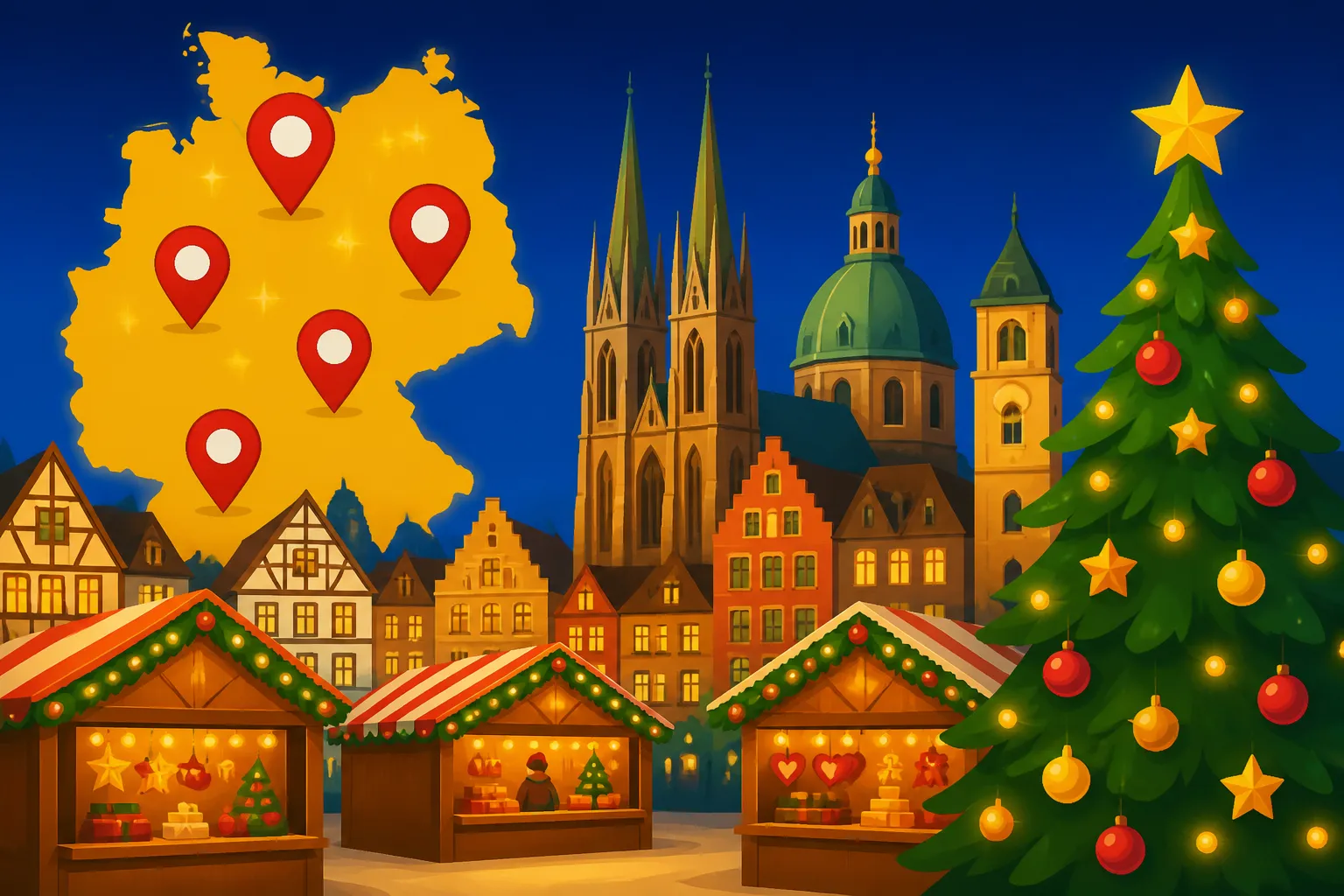
Every year, as the crisp autumn air turns chilly and the days grow shorter, a unique kind of magic descends upon Germany. The cities transform into twinkling winter wonderlands, filled with the aroma of gingerbread, mulled wine, and roasted almonds. But if you're an expat or a first-time visitor, trying to figure out which of the hundreds of Christmas markets are truly special can feel like a daunting task. You want to experience the authentic German Weihnachtsmarkt charm without getting lost in overwhelming crowds or tourist traps. This guide is here to cut through the noise and help you discover the cities that truly shine with their unique, unforgettable Christmas market experiences, making your festive season in Germany truly memorable.
Disclosure: This post may contain affiliate links. We may earn a commission at no extra cost to you if you make a purchase through these links. Read full disclosure.
The Undisputed Classics: Where Tradition Reigns Supreme
When you ask anyone about German Christmas markets, a few names invariably pop up. These cities have earned their reputation for a reason, offering a blend of history, grandeur, and an almost overwhelming array of festive delights. They are the quintessential German Christmas market experience, and honestly, you owe it to yourself to visit at least one of them. Be warned, though: these are popular for a reason, so expect crowds, especially on weekends and in the evenings.
Nuremberg: The Gingerbread Heart of Bavaria
Ah, Nuremberg. Its Christkindlesmarkt is, without a doubt, one of Germany's most famous and oldest Christmas markets, dating back to the mid-16th century. Stepping into the Hauptmarkt, the city's main square, feels like traveling back in time. The market is officially opened by the Christkind (Christ Child), a local girl chosen every two years to represent the angelic figure. This isn't just a market; it's a living tradition.
What makes Nuremberg stand out? First, it's the sheer atmosphere. The wooden stalls, adorned with red-and-white striped cloth, glow under thousands of lights. You'll find an incredible selection of traditional Nuremberg specialties. The famous Nürnberger Rostbratwürste, small grilled sausages, are a must-try, often served three in a bun (Drei im Weggla) with a dollop of mustard. And of course, the Nürnberger Lebkuchen (gingerbread) is legendary. These aren't just any cookies; they're soft, spiced, and often coated in chocolate or sugar glaze. Beyond the culinary delights, you'll discover exquisite handmade crafts, from delicate glass ornaments to intricate wooden toys. For families, the Kinderweihnacht (Children's Christmas Market) with its merry-go-rounds and Santa's house is a joyful diversion, making it perfect for those with little ones. Remember to book your accommodation early, especially if you plan to visit on a weekend, as the city fills up quickly. Platforms like Booking.com are your friend here.
Dresden: The Stollen Capital with Germany’s Oldest Market
Dresden boasts the Striezelmarkt, Germany's oldest continuously running Christmas market, first mentioned in 1434. The name "Striezelmarkt" comes from the Striezel, or Stollen, the city's famous fruit bread. If you're looking for a market steeped in history and culinary tradition, Dresden is it.
The market spreads across the Altmarkt square, dominated by the largest step pyramid in the world. It’s a sensory feast: the aroma of Pflaumentoffel (little prune figures), Pulsnitzer Pfefferkuchen (gingerbread), and of course, the incredible Dresdner Christstollen. Each year, a giant Stollen is baked, paraded through the city during the Stollenfest, and then cut and sold at the market. Beyond the food, you'll find unique crafts from the Erzgebirge region, such as hand-carved wooden figures, candle arches (Schwibbögen), and incense smokers (Räuchermänner). The ambiance here is particularly enchanting, with choirs singing carols and the historical backdrop of the city creating a truly magical scene. It's a fantastic market for those who appreciate traditional craftsmanship and a genuinely old-world Christmas feel.
Cologne: Cathedral Views and Multiple Market Experiences
Cologne is unique because it doesn't just have one main Christmas market; it has several distinct markets, each with its own charm and theme, all within easy walking distance or a short public transport ride from each other. This means you can spend a whole day (or two!) exploring various facets of Christmas cheer.
The most iconic market is undoubtedly the one beneath the majestic Cologne Cathedral, the Weihnachtsmarkt am Kölner Dom. The sheer scale of the cathedral looming over the stalls, coupled with the enormous Christmas tree, is breathtaking. Here, you'll find a vast selection of handicrafts and an international array of food and drink. Just a stone's throw away, the Heinzels Wintermärchen (Heinzelmännchen Christmas Market) at Heumarkt and Alter Markt transports you into a world of whimsical gnomes (the "Heinzelmännchen") from local legend. This market even features an impressive ice rink and curling lanes, making it perfect for active visitors. Don't miss the Harbor Christmas Market at the Chocolate Museum, with its maritime theme and unique stalls resembling ships. For a more romantic vibe, the Nikolausdorf (St. Nicholas' Village) on Rudolfplatz offers a charming, family-friendly experience. Each market in Cologne brings something different to the table, ensuring there's something for everyone. Using a travel app like Omio can help you plan your journey to and between these vibrant cities seamlessly.
Beyond the Big Three: Hidden Gems and Unique Experiences
While the major markets are grand and wonderful, sometimes you crave something a little different, a bit more intimate, or simply spectacularly unique. Germany is full of these lesser-known, yet equally magical, Christmas markets that offer distinct flavors and unforgettable settings.
Esslingen: A Medieval Christmas Extravaganza
If you're tired of modern commercialism and yearn for a truly immersive experience, make your way to Esslingen, near Stuttgart. Its Medieval & Christmas Market is absolutely one-of-a-kind. Here, stallholders dress in period costumes, and you'll find craftsmen demonstrating ancient trades like blacksmithing, felting, and glass blowing.
Walking through Esslingen's market is like stepping into a time machine. Forget electronic Santa decorations; here, you'll witness fire-eaters, jugglers, and minstrels performing in the streets. The aroma isn't just Glühwein; it's also roasted wild boar and mead, served in earthenware mugs. You can try your hand at archery, witness traditional puppet shows, and even watch a real jousting tournament (on select days). This market is less about shopping for conventional gifts and more about experiencing history and engaging with traditional culture. It’s a fantastic choice for those who love living history and want a truly unique Christmas market adventure, far removed from the usual glitter and pop music.
Ravenna Gorge: A Fairytale Under a Viaduct
Now, this one is truly special and off the beaten path for many. The Ravenna Gorge Christmas Market, located in the Black Forest, isn't in a city at all. Instead, it's nestled dramatically beneath the towering arches of the Höllentalbahn railway viaduct, which glows with purple and white lights in the evening.
The setting alone is enough to take your breath away. Imagine wooden chalets tucked into a gorge, surrounded by snow-dusted fir trees, with a waterfall nearby, all under the imposing, illuminated railway bridge. It feels straight out of a fairytale. The market is smaller and more curated, focusing on regional crafts, Black Forest specialties, and a serene, almost mystical atmosphere. Due to its unique location, access can be a bit tricky, often requiring shuttle buses from nearby villages like Hinterzarten or Breitnau, or designated parking areas. It runs on all four Advent weekends, and while it requires a small entrance fee, the experience is absolutely worth it for its sheer beauty and tranquil charm. It's truly a bucket-list destination for anyone seeking a magical and unforgettable Christmas market experience, perhaps after exploring the wider Black Forest region.
Leipzig: A Blend of Tradition and Culture
Leipzig, in the eastern state of Saxony, often gets overshadowed by Dresden, but its Christmas market is one of Germany's largest and most beautiful, with roots tracing back to 1458. It perfectly blends historical charm with vibrant city life.
The main market sprawls across the historic market square, presided over by the Old Town Hall. You’ll find over 250 stalls, featuring everything from traditional Saxon crafts to international delicacies. One of its unique highlights is the Finnisches Dorf (Finnish Village), offering Nordic specialties like salmon grilled over an open fire and Finnish Glögi (mulled wine). Another popular section is the historical market at Naschmarkt, which evokes the city's medieval trading past. Don't miss the famous "Schneemann" (Snowman) Glühwein stand, a beloved local institution. What truly sets Leipzig apart is its musical heritage. The St. Thomas Church (Thomaskirche), where Johann Sebastian Bach worked, hosts Christmas concerts, and you might even catch the renowned Thomanerchor (St. Thomas Boys Choir) performing. It offers a cultural depth that complements the festive market atmosphere beautifully. If you're staying in the area and want to explore more, look into tours on GetYourGuide that might combine market visits with other local attractions.
Planning Your Christmas Market Adventure
Visiting Christmas markets is an experience, and a little planning can go a long way in making it stress-free and enjoyable, especially for expats still figuring out German quirks.
Best Time to Visit and Accommodation Tips
Most German Christmas markets open in late November, usually the last week of November, and run until around December 23rd or 24th. Some, particularly in larger cities, might extend into the first few days of January, especially New Year's markets. Weekends are always the busiest, particularly Friday evenings and Saturdays. If you prefer fewer crowds and a more relaxed pace, try to visit on a weekday morning or early afternoon. The magic truly comes alive once the sun sets and the lights twinkle, but be prepared for a cozier (read: more crowded) experience then.
When it comes to accommodation, you cannot book too early, especially for the popular cities like Nuremberg, Cologne, and Dresden. Hotels fill up quickly, and prices tend to soar in December. Websites like Booking.com are your best bet for finding a place, but consider looking slightly outside the absolute city center if you're on a budget; public transport in Germany is generally excellent, so you can often reach the markets easily from a peripheral neighborhood. For those who want a more authentic stay, look for smaller guesthouses (Pensionen) or even Airbnb options, but ensure they are legitimate and have good reviews.
Getting Around Germany: Trains, Buses, and Regional Transport
Germany's public transportation system is famously efficient, making it incredibly easy to hop between cities to experience multiple markets. The Deutsche Bahn (DB) train network is extensive and reliable. You can book tickets directly through their website or use platforms like Omio to compare train and bus options. Booking in advance, especially for high-speed ICE trains, can save you a significant amount of money. The new Deutschland-Ticket is a fantastic option if you plan to use regional trains and local public transport extensively, as it allows unlimited travel on these services for a fixed monthly fee. However, it's not valid on ICE trains.
Once you arrive in a city, most Christmas markets are located in central squares and are easily accessible by foot, tram, or bus. Consider purchasing a day pass for local public transport if you plan to visit multiple markets within one city, like in Cologne. Driving can be convenient for reaching more remote markets like Ravenna Gorge, but be aware that parking in city centers during Advent can be a nightmare and expensive. Plus, who wants to be the designated driver when there's so much Glühwein to sample?
What to Eat, Drink, and Buy
Ah, the heart of the Christmas market experience! Your taste buds are in for a treat.
| Item | Description | Must-Try Cities/Tips |
|---|---|---|
| Glühwein | Hot mulled wine, spiced with cinnamon, cloves, star anise, and citrus. | Ubiquitous. Try red, white, or Kinderpunsch (non-alcoholic) for kids. Remember the Pfand (deposit) for the mug! |
| Bratwurst | Grilled sausage in a bun. Varieties differ by region. | Nürnberger Rostbratwürste (Nuremberg), Thüringer Rostbratwurst (Thuringia). |
| Lebkuchen | German gingerbread, often soft and chewy, sometimes with chocolate. | Nuremberg is the capital. Different shapes and sizes. |
| Gebrannte Mandeln | Roasted almonds coated in sugar and cinnamon. | The irresistible smell wafts through every market. Always fresh. |
| Reibekuchen | Potato pancakes, deep-fried, usually served with apple sauce or salmon. | Popular in the Rhineland, especially Cologne. |
| Stollen | Rich, dense fruit bread with candied peel and marzipan, dusted with powdered sugar. | Dresden's Christstollen is the most famous. |
| Pflaumentoffel | Small figures made from prunes, often depicted as chimney sweeps. | Dresden specialty, but found elsewhere. Edible and decorative. |
| Handicrafts | Wooden ornaments, nativity scenes, blown glass, pottery, wool items. | Erzgebirge (Dresden, Leipzig), Black Forest (Ravenna Gorge). |
Beyond the food, you’ll find incredible handmade crafts. This is where you can find truly unique gifts and souvenirs. From delicate glass baubles to intricate wooden carvings from the Erzgebirge region, the quality and artistry are often astounding. Look for stallholders demonstrating their craft – it's fascinating to watch. Don't be afraid to wander, explore, and let your senses guide you.
Embrace the Atmosphere, Even the Crowds!
It's easy to get frustrated with crowds, especially if you're not used to them. But try to reframe it: the sheer volume of people contributes to the festive, buzzing atmosphere! Embrace the close quarters, the shared laughter, and the collective enjoyment. Bundle up warmly, wear comfortable shoes, and keep an eye on your belongings. Remember that German shops are typically closed on Sundays, even during the Christmas market season, so if you plan to do any additional shopping, factor that into your schedule.
Consider dedicating an entire afternoon and evening to one market or a cluster of markets. Take your time, soak in the sights, sounds, and smells. Try different Glühwein varieties – some markets offer blueberry, cherry, or even white Glühwein! And don't forget to visit the higher viewpoints if available, like the tower of the Old Town Hall in Nuremberg, for a breathtaking overview of the twinkling lights.
Concluding Thoughts on German Christmas Market Magic
Germany's Christmas markets are more than just shopping destinations; they are a cornerstone of German winter culture, a place for community, tradition, and pure festive joy. Whether you choose the historical grandeur of Nuremberg or Dresden, the diverse experiences of Cologne, the medieval charm of Esslingen, the unique setting of Ravenna Gorge, or the cultural richness of Leipzig, you are in for a treat.
Each market offers a glimpse into a different facet of German regional heritage, and navigating them as an expat or tourist is an adventure in itself. Be prepared for a delightful sensory overload, bring your warmest clothes, and don't forget your reusable Glühwein mug (or be ready for the Pfand system!). These markets are where memories are made, friendships are forged over a steaming cup of mulled wine, and the spirit of Christmas truly comes alive. So go on, dive into the magic, and let these incredible German cities show you why their Christmas markets are truly some of the best in the world.
Disclaimer
The information provided in this guide is for general informational purposes only and does not constitute professional advice. While we strive to keep the information up-to-date and correct, we make no representations or warranties of any kind, express or implied, about the completeness, accuracy, reliability, suitability, or availability with respect to the website or the information, products, services, or related graphics contained on the website for any purpose. Any reliance you place on such information is therefore strictly at your own risk. Market dates, opening hours, and specific offerings can change annually; always check official city tourism websites or market operator sites for the most current details before planning your visit.