Insurance for Non-EU Arrivals in Germany: Cover Before Your Permit Comes Through
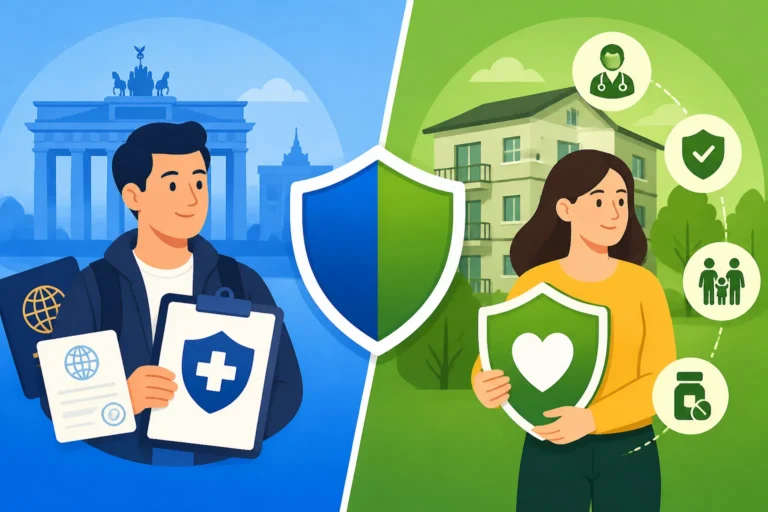
You've made the brave decision to move to Germany, perhaps for a new job, to study, or to start a new life. But here's a common hurdle many newcomers face: you need health insurance to get your visa and residence permit, yet many traditional German health insurance providers won't cover you until you're officially registered and have a German bank account. It's a classic bureaucratic Catch-22, leaving many non-EU arrivals in a confusing and vulnerable spot. This guide will walk you through securing the right health insurance for this critical initial period, ensuring you're covered from the moment you land until your long-term German health insurance kicks in, with a focus on flexible solutions like SafetyWing.
Disclosure: This post may contain affiliate links. We may earn a commission at no extra cost to you if you make a purchase through these links. Read full disclosure.
The Catch-22 of German Healthcare for Newcomers: Why Temporary Coverage is Essential
Ah, Germany. A land of efficiency, delicious bread, and bewildering bureaucracy. One of the first major hurdles you'll encounter, especially as a non-EU citizen, revolves around health insurance. It's not just a good idea; it's absolutely mandatory for virtually any long-term stay. But getting the "right" insurance can feel like trying to solve a riddle wrapped in an enigma.
Understanding the German Health Insurance System for Non-EU Citizens
Germany operates on a dual health insurance system: public (gesetzliche Krankenversicherung, or GKV) and private (private Krankenversicherung, or PKV). For most employees earning below a certain threshold (the Jahresarbeitsentgeltgrenze), public health insurance is mandatory. Those earning above it, civil servants, and freelancers often have the choice to opt for private insurance.
The kicker? To even apply for many long-term visas, and certainly to get your residence permit (Aufenthaltstitel) after you arrive, you must prove you have adequate health coverage. But here's where the frustration sets in: traditional public health insurance companies, like TK, AOK, or Barmer, often require you to be officially registered at an address (Anmeldung), have a German bank account, and sometimes even a confirmed job contract or university enrollment before they'll officially onboard you. Private German insurers also have stringent requirements and might not accept you for short-term, pre-residence permit coverage. This creates a significant "chicken or egg" problem for new arrivals. How are you supposed to get a residence permit without insurance, when you can't get insurance without the registration that comes after the permit? It's a loop that drives many expats to distraction.
The "Gap" Period: Arriving Before Your Permanent Permit
This is precisely where the "gap" period emerges. You've got your visa appointment, you've booked your flight, and you're ready to start your new life. But what about the weeks, or sometimes even months, between your arrival in Germany and the day you finally walk out of the Ausländerbehörde (Foreigners' Office) with your shiny new residence permit and can fully enroll in a German public or private health insurance scheme? During this time, you are in Germany, but you're not yet fully integrated into its long-term health system.
Being uninsured, even for a brief period, is a massive risk. Imagine falling ill, breaking a bone, or needing emergency care during this limbo. Without valid insurance, you could face exorbitant medical bills that quickly run into thousands of Euros, potentially bankrupting your fresh start before it even begins. And simply relying on a standard tourist travel insurance from your home country often isn't enough. Many tourist policies have strict limits on duration (usually 90 days), don't cover long-stay visa requirements, and might not be accepted by German authorities as sufficient proof of coverage for a residence permit. You need something specifically designed to bridge this crucial gap.
Navigating Your Insurance Options During the Initial Phase
The key to navigating this gap is understanding that there's a special type of insurance for it: "incoming" or "travel medical" insurance that is specifically designed to meet long-stay visa requirements for Germany. It's not a full German health insurance plan, but it's exactly what you need to get your foot in the door.
What Qualifies as Valid Incoming Insurance for Your Visa Application?
When you apply for your long-stay visa at the German embassy or consulate in your home country, and later when you visit the Ausländerbehörde to convert that visa into a residence permit, they will scrutinize your health insurance. Simply showing a policy that covers "travel" isn't usually enough. For a Schengen visa (short-stay, up to 90 days), the minimum coverage is often €30,000 for medical emergencies and repatriation. However, for a national visa (D-Visa) that leads to a residence permit, authorities often expect more robust coverage, typically at least €50,000, and explicitly including repatriation of remains. Crucially, the policy must be valid for the entire duration of your requested stay or until your permanent German health insurance is active.
Many standard travel insurances simply fall short of these requirements. They might have lower coverage limits, exclude pre-existing conditions, or not be recognized by German authorities as fulfilling the criteria for a long-term stay. The German government and visa officials need to be confident that you won't become a burden on their healthcare system in the interim. This means your temporary policy needs to be transparent, comprehensive in its emergency coverage, and clearly state its validity in Germany.
SafetyWing: A Solution for the Expat's Initial Journey
This is precisely where companies like SafetyWing step in, offering a much-needed lifeline for new arrivals. SafetyWing offers a travel medical insurance plan called "Nomad Insurance" that is explicitly designed for digital nomads, remote workers, and expats in transition – basically, people like you who are moving to a new country and need flexible, reliable coverage. It’s built for the realities of modern expat life, understanding that you don't always have a fixed address, a German bank account, or a signed employment contract from day one.
SafetyWing fills this critical void by providing a policy that often meets the requirements for a German D-Visa (National Visa) and for proving sufficient health coverage at the Ausländerbehörde. Here’s why SafetyWing is a fantastic choice for your initial journey:
- Flexibility and Ease of Use: You can purchase SafetyWing online in minutes, even before you leave your home country. It works on a subscription basis, so you can start it when you need it and stop it once your long-term German health insurance is fully active. This pay-as-you-go model is incredibly helpful when your exact move-in date or permit approval timeline isn't set in stone.
- Designed for Expats: Unlike typical tourist insurance, SafetyWing understands the needs of someone establishing a life abroad. It covers emergency medical care, but also includes travel-related benefits that are crucial for a new arrival, such as travel delay, lost checked luggage, and even natural disaster evacuation. This broad coverage gives you peace of mind beyond just medical emergencies.
- Meets Visa Requirements: While you should always double-check the latest requirements for your specific visa type (e.g., Germany Work Visa & Immigration Guide for Professionals), SafetyWing's policies are generally recognized as valid proof of sufficient health insurance for many long-stay visas and residence permit applications in Germany. They provide clear documentation you can present to officials.
- Affordable and Transparent: SafetyWing is known for its competitive pricing, especially for the robust coverage it offers. There are no hidden fees, and the terms are designed to be straightforward, a refreshing change from the often-complex German insurance landscape. It’s an investment in your safety and your successful integration into Germany.
Choosing SafetyWing means you're not just buying insurance; you're buying yourself crucial time and security to navigate the initial bureaucratic steps without the added stress of inadequate health coverage. It allows you to confidently apply for your visa, register your address, open your bank account, and get your residence permit, knowing that any unexpected medical needs are taken care of.
Practical Steps: Securing Your Temporary Insurance and Beyond
Once you understand why you need this interim coverage, the next step is to actually get it. This process is thankfully much simpler than trying to apply for permanent German health insurance right out of the gate.
Step-by-Step: Applying for Your Interim Coverage
Getting your temporary health insurance, especially through a provider like SafetyWing, is surprisingly straightforward. Forget endless forms and in-person appointments – this is designed for the digital age.
- Visit the Website: Head straight to the SafetyWing website. Their platform is user-friendly and geared towards expats.
- Enter Your Details: You'll need to input your basic personal information, your desired start date (ideally, the day you enter the Schengen area or Germany), and your estimated end date. The beauty of SafetyWing is its flexibility; you don't need to know your exact end date. You can extend it or cancel it as needed.
- Review Coverage and Price: The system will instantly show you a quote based on your age and duration. Take a moment to review the coverage details to ensure they meet your visa's minimum requirements (e.g., repatriation, medical treatment coverage limits).
- Purchase Your Policy: Complete the payment. This usually takes just a few clicks.
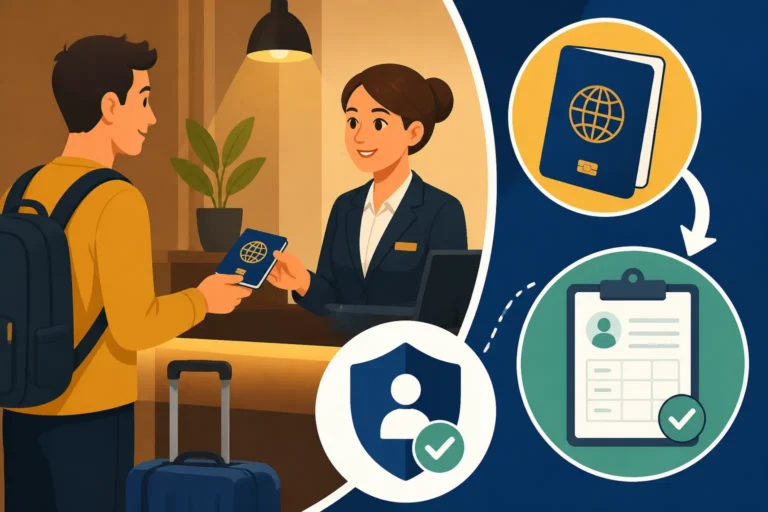
- Receive Your Documents: Almost immediately, you'll receive your policy documents via email. These will include your certificate of insurance, policy details, and contact information for emergencies. These are the documents you'll need to print out and present for your visa application and later at the Ausländerbehörde.
- Use for Visa and Ausländerbehörde: Present these documents with confidence. They clearly demonstrate you have valid health coverage in Germany for the critical initial period. Make sure to keep multiple copies, both digital and physical, because German bureaucracy loves paperwork!
By following these simple steps, you can secure essential coverage through SafetyWing quickly and efficiently, giving you one less thing to worry about during your international move. It's a genuine relief to have that proof of insurance in hand.
Transitioning to Long-Term Health Insurance in Germany
Once your residence permit is secured, you've registered your address (Anmeldung), and ideally, you have a German bank account, it's time to transition to your long-term health insurance. This is a crucial step, as temporary insurance like SafetyWing is designed for interim periods, not for permanent residency in Germany. Depending on your employment status and income, you'll either join the public health insurance system or opt for private health insurance.
- For Employees: If you're employed in Germany and your gross salary is below the annual income threshold, you'll almost certainly enroll in a public health insurance fund (Krankenkasse). Popular choices include AOK, TK, Barmer, and DAK. Your employer will usually help you with the enrollment process. Public health insurance is comprehensive, covering a wide range of medical services, and contributions are split between you and your employer. You can learn more about how to get health insurance in Germany: step-by-step for newcomers.
- For Freelancers/Self-Employed and High Earners: If you are self-employed, a freelancer, or an employee earning above the annual income threshold, you have the option to choose private health insurance. Private health insurance often offers more tailored benefits, shorter waiting times for specialists, and greater flexibility in choosing doctors. However, it can be more expensive and premiums are typically not tied to income in the same way as public insurance. If you're considering this route, research different providers and compare their benefits carefully, looking into the benefits, costs, and eligibility for private health insurance in Germany.
The key here is timing. Once your long-term German health insurance is confirmed and you have your Gesundheitskarte (health insurance card) in hand, you can then cancel your SafetyWing policy. Many expats choose to have a slight overlap, perhaps a week or two, to ensure continuous coverage, especially if there are any unexpected delays with their German health card. Just remember that SafetyWing allows you to cancel anytime, so you won't be paying for unnecessary coverage.
Important Considerations and Potential Pitfalls
Moving to a new country is full of unknowns, and insurance can feel like one of the most complex. Being prepared for common issues can save you a lot of headaches.
Avoiding Common Mistakes and Misconceptions
When dealing with health insurance during your initial move, certain pitfalls can derail your plans or leave you exposed.
- "Tourist insurance is enough" myth: This is a big one. Many people arrive with a basic travel insurance policy, thinking it will suffice for their long-term visa or residence permit. In most cases, it won't. Tourist policies are designed for short trips, often have low coverage limits, and explicitly state they don't cover stays with the intent of residency. German authorities are very particular about this. Always ensure your interim policy, like SafetyWing, is recognized for long-stay visas and residence permits.
- Underestimating Repatriation: Repatriation of remains in case of death, and repatriation for serious medical conditions (transport back to your home country), are often mandatory requirements for German visas. Many basic travel insurances skimp on this, so check that your policy explicitly includes adequate coverage for these scenarios.
- Ignoring the Fine Print: It's tempting to skim, but read the policy details carefully. Understand your deductibles (the amount you pay before the insurance kicks in), what conditions are covered or excluded (especially pre-existing ones), and the claims process. Knowledge is power, especially when you're in a foreign country.
- The Ausländerbehörde is the final say: Remember, while a policy may seem adequate to you, the officials at the Ausländerbehörde have the final say on whether your insurance meets their requirements for your residence permit. They are often very strict. Having clear, concise, English-language policy documents (or official German translations if available) from a recognized international provider like SafetyWing can make a huge difference. Don't be afraid to ask for clarification if you're unsure, but often, having a widely accepted policy is the best strategy. Dealing with the Ausländerbehörde can be stressful enough; don't let insurance add to it.
What Happens if You Get Sick During the Interim Period?
Even with the best planning, life happens. You might get a nasty cold, sprain an ankle, or face a more serious emergency during your initial weeks or months in Germany before your permanent health insurance is fully active. This is exactly what your SafetyWing policy is for.
- Seeking Medical Attention: For non-emergencies, you'll generally need to pay for your doctor's visit or medication upfront. Keep all receipts and medical reports. With a policy like SafetyWing, you can then submit a claim for reimbursement. For emergencies, head to the nearest hospital's Notaufnahme (emergency room) or call 112 for an ambulance. They will treat you, and you'll then need to handle the billing with your insurance. Familiarize yourself with emergency numbers in Germany: calling 112, Poison Control, and more.
- Claims Process: The claims process with SafetyWing is typically online and straightforward. You'll upload your receipts, medical reports, and a claim form. It's vital to keep meticulous records of all medical expenses, consultations, and prescribed medications. The peace of mind that comes from knowing you're covered by a responsive international provider like SafetyWing during this vulnerable time is truly invaluable. It allows you to focus on your recovery and settling into your new home, rather than worrying about crippling medical debt.
| Feature | Interim Coverage (e.g., SafetyWing) | Permanent German Health Insurance (GKV/PKV) |
|---|---|---|
| Purpose | Bridge the gap for visa/residence permit; emergency/travel coverage | Comprehensive, long-term healthcare for residents |
| Duration | Flexible, typically month-to-month, until permanent insurance starts | Ongoing, mandatory for residents (unless specific exemptions apply) |
| Requirements | Passport, travel dates, online purchase | Anmeldung, German bank account, employment contract/student status, visa/permit |
| Coverage Focus | Emergency medical, repatriation, travel incidents (e.g., lost luggage) | Full medical care (doctor, specialists, hospital, prescriptions, dental basic) |
| Payment Model | Pay upfront, claim reimbursement for covered expenses | Direct billing to insurer via Gesundheitskarte (GKV), or reimbursement (PKV) |
| Eligibility | Expats, digital nomads, new arrivals, students in transition | Employees, students, self-employed, high earners (specific rules apply) |
| Visa Acceptance | Generally accepted for D-Visas and residence permits | Mandatory for long-term residency, usually required after initial permit approval |
| Flexibility | High, easy to start/stop | Lower, tied to residency and employment status |
This table highlights why a solution like SafetyWing is not just convenient but necessary for your first steps in Germany. It’s the practical, common-sense choice for anyone navigating the complex German immigration and healthcare system.
Disclaimer
Please remember that I am a blogger offering advice based on personal experience and research, not a licensed insurance agent or legal professional. While I strive to provide accurate and up-to-date information, visa and insurance regulations in Germany can change frequently. Always verify the specific requirements for your visa type with the German embassy or consulate in your home country and the relevant German authorities (Ausländerbehörde). This article contains a commercial recommendation for SafetyWing, which is presented as a strong solution for the described needs. It is crucial to read any insurance policy document in its entirety and understand its terms and conditions before purchasing.