Insurance for a German Visa Application vs Insurance for Living There
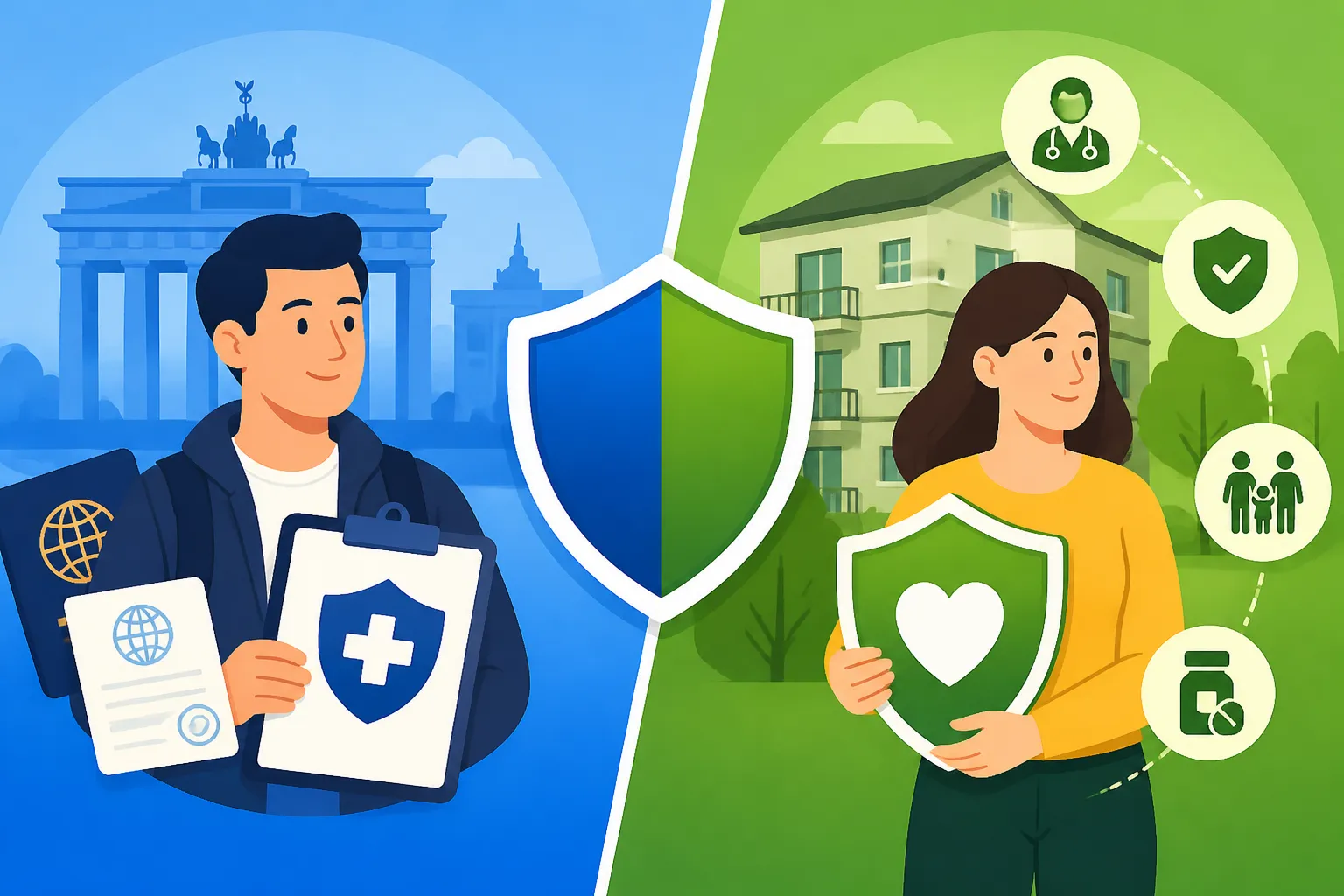
Oh, the infamous German health insurance labyrinth! It's one of those bureaucratic rites of passage that every expat faces, and let me tell you, the confusion between the insurance you need for your visa application and the insurance you need for actually living here long-term is a completely legitimate headache. Many of us have stumbled through this, worried sick that one wrong move could jeopardize our entire German dream. Don't worry, you're not alone in feeling overwhelmed. This guide is here to untangle those knots, explaining precisely what kind of health insurance you need at each stage of your German adventure, and how a flexible option like SafetyWing can be a true lifesaver for those initial, uncertain months.
Disclosure: This post may contain affiliate links. We may earn a commission at no extra cost to you if you make a purchase through these links. Read full disclosure.
The Initial Hurdle: Health Insurance for Your German Visa Application
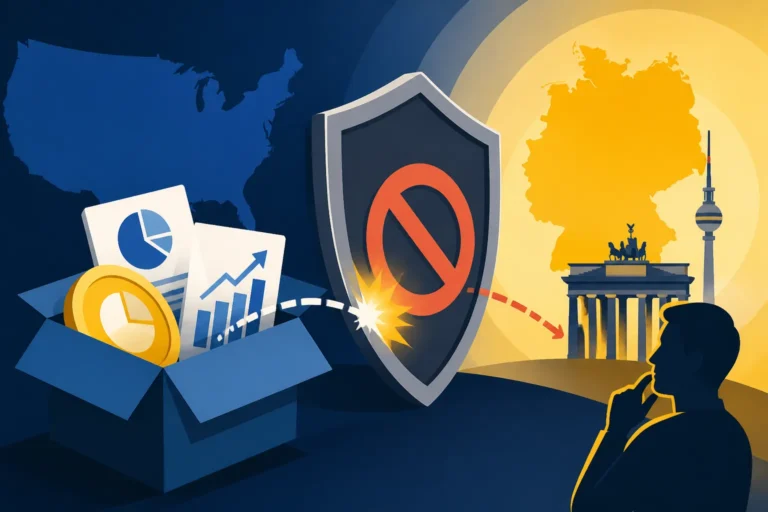
When you first apply for your German visa, whether it's a Schengen visa for a short visit or a National visa for a longer stay like working or studying, the German authorities have one non-negotiable demand: proof of adequate health insurance. This isn't just a suggestion; it's a fundamental requirement, and without it, your application will simply be denied. It’s the first big hurdle you’ll face, and it sets the stage for everything that comes after. The key here is understanding that what satisfies the visa application might not be what you need for long-term residency.
What the German Authorities Really Want for Your Visa
For your visa application, the German embassies and consulates aren't looking for a lifelong commitment to a German health insurer. What they're really after is proof that you won't become a burden on their healthcare system immediately upon arrival, especially if something unexpected happens. This means demonstrating you have coverage for sudden illness, accidents, and, crucially, repatriation in case of a severe medical emergency or death.
For a Schengen visa, which typically covers stays up to 90 days, the minimum coverage is usually €30,000. This must cover emergency medical treatment and repatriation within the entire Schengen area. It’s a standard requirement across all Schengen countries. For a National visa (the D-visa), which is for longer stays, the requirements can be a bit more stringent. While the €30,000 threshold often applies, they might expect broader coverage, especially if you're applying for a specific purpose like a work visa or a study visa. They want to see that you're covered from the moment you step foot in Germany until you're able to enroll in a proper German health insurance scheme. This initial phase, often spanning the first few weeks or months, is where many expats get tripped up. The paperwork often looks daunting, and the fear of making a mistake is very real. You'll need documents in English or German, clearly stating the coverage period, the sum insured, and the types of treatments covered. Check the specific embassy website for your country, as requirements can vary slightly.
Short-Term Solutions: Travel Insurance for Schengen and Entry
For short trips to Germany or the wider Schengen area, a standard travel insurance policy is usually perfectly acceptable. If you're coming for a tourist visit, a business trip under 90 days, or even a preliminary job interview, you'll need what's called "Schengen-compliant travel insurance." These policies are designed specifically to meet the minimum requirements of the Schengen visa code.
These plans typically cover medical emergencies, hospitalization, emergency dental treatment, and, as mentioned, medical evacuation and repatriation. The coverage period needs to match your intended stay in the Schengen area, and it must be valid in all Schengen states. There are many providers out there, but beware of simply going for the cheapest option. Always read the fine print to ensure it explicitly states coverage for the Schengen area, the minimum €30,000, and repatriation. This type of insurance is purely for short-term, acute needs, not for ongoing medical care or preventative check-ups. It's meant to protect you and Germany from unforeseen, high-cost medical events during a brief visit. For those looking for something flexible and reliable for their initial entry or short stay, SafetyWing's Nomad Insurance offers comprehensive travel medical insurance that meets Schengen visa requirements. It's designed with the modern traveler in mind, making it super easy to purchase and manage online, which is a massive relief when you're dealing with a mountain of other visa application documents.
Bridging the Gap: Travel Insurance for National Visa Entry
Now, here's where it gets a little trickier. If you're applying for a long-term National visa (a D-visa) for Germany – for work, study, or family reunification – your basic travel insurance might cover the application phase, but it often needs to cover you for a longer initial period upon arrival. German authorities know it takes time to get registered, find a permanent address (Anmeldung), open a bank account, and then, finally, enroll in the German health insurance system. This interim period, usually a few weeks to a few months, needs to be covered.
Many standard travel insurance policies are quite restrictive on how long they can cover you, or they won't meet the slightly higher expectations for a long-term visa. This is where specialized expat travel insurance, like the offering from SafetyWing, becomes incredibly valuable. SafetyWing's Nomad Insurance is unique because it offers continuous, flexible coverage that you can buy for as little as a few days or for an extended period, even month-to-month. It’s perfect for covering that uncertain "bridging" period from your arrival in Germany until you're fully integrated into the local system. This means you can satisfy your visa requirements for entry, and then have peace of mind knowing you're covered for unexpected medical events while you sort out your long-term German health plan. This flexibility is a huge advantage for anyone moving to Germany without a fixed job contract or a clear timeline for official enrollment, like someone on a Germany Work Visa & Immigration Guide for Professionals looking for a role, or a student waiting for their university enrollment to fully process. It truly helps you avoid a lapse in coverage, which is something the German authorities absolutely hate. You can learn more about Travel Health Insurance: What Expats Need for Schengen Visa & Short Trips in our dedicated guide.
The Long Haul: Health Insurance for Permanent Residence in Germany
Once you've cleared the visa hurdle and are settling into life in Germany, the landscape of health insurance changes entirely. This isn't about emergency travel coverage anymore; it's about becoming a fully insured member of German society, with access to comprehensive medical care, just like a local. This is a crucial step towards securing your long-term residence permit (Aufenthaltstitel) and truly making Germany your home. The transition can feel like a jump into cold water, but understanding the system makes it less daunting.
Public vs. Private: The Core German System
Germany operates a dual health insurance system: the public health insurance scheme (gesetzliche Krankenversicherung – GKV) and the private health insurance scheme (private Krankenversicherung – PKV). Your eligibility and choice depend largely on your employment status, income, and profession.
- Public Health Insurance (GKV): This is the default for most employees in Germany. If your gross annual income is below a certain threshold (the "Jahresarbeitsentgeltgrenze"), you must be publicly insured. Even if you earn above it, you can often choose to remain in the GKV, but it's not always an option for everyone. Contributions are typically a percentage of your gross salary, split between you and your employer. Dependents (non-working spouse, children) can often be covered for free under your plan. The GKV offers a standardized range of benefits across all providers (like TK, AOK, Barmer, DAK), though each Krankenkasse might offer slightly different bonuses or services.
- Private Health Insurance (PKV): This is usually an option for employees earning above the annual income threshold, freelancers, self-employed individuals, and certain civil servants. Unlike the GKV, PKV premiums are not income-dependent but are calculated based on your age, health status, and desired scope of coverage. This means younger, healthier individuals might find PKV cheaper than GKV, but premiums tend to increase with age and pre-existing conditions. Moving from GKV to PKV is relatively easy if you meet the criteria, but moving back from PKV to GKV can be incredibly difficult, so this is a decision not to be taken lightly.
Navigating this choice is one of the biggest challenges for newcomers. The "chicken and egg" problem often comes up: you need health insurance for your visa, but you also need a job or a confirmed status to get into the German system. It's a bureaucratic loop that can be incredibly frustrating. This is exactly where solutions like SafetyWing come in handy for that initial period, ensuring you have some coverage while you get yourself established and figure out your long-term plan. For a deeper dive into this, check out our guide on Health Insurance in Germany: Understanding Public vs Private Coverage.
Mandatory Coverage: What You Must Have for Your Residence Permit
Once you apply for your residence permit, the German authorities demand proof of comprehensive health insurance that is equivalent to the German public system. This is a much higher bar than the basic travel insurance you used for your initial visa application. Your insurance must cover:
- Outpatient treatment: Doctor visits, specialist consultations, prescribed medications.
- Inpatient treatment: Hospital stays, surgeries.
- Dental care: At least basic dental check-ups and necessary treatments.
- Maternity care: If applicable.
- Sometimes, depending on your visa type, even basic long-term care insurance (Pflegepflichtversicherung).
This is where many general travel insurance policies fall short. They might cover emergencies, but not routine check-ups, preventative care, or ongoing treatment for chronic conditions, which are all part of the comprehensive coverage expected for a German residence permit. If you're moving to Germany on a work visa, your employer will typically enroll you in a public Krankenkasse, or you'll choose a private plan if your salary is high enough. Students have specific requirements, often needing public student health insurance or an equivalent private plan. Freelancers and the self-employed have more flexibility but also more responsibility, needing to choose either a private German health insurance or a voluntary public plan that meets these comprehensive requirements.
Crucially, your residence permit depends on continuous, adequate health insurance. Any lapse in coverage or insufficient coverage could lead to serious issues with your immigration status. This is why it's vital to transition smoothly from your initial bridging insurance to a German-compliant plan as quickly as possible once you've sorted out your Anmeldung (address registration) and bank account. For those aiming for a Permanent Residence Permit (Niederlassungserlaubnis): How to Qualify in Germany eventually, demonstrating continuous and appropriate health insurance is a key factor over many years.
The "Waiting Game" & Temporary Solutions
The period between getting your visa approved and fully enrolling in a German health insurance system can be nerve-wracking. You've landed, you've done your Anmeldung, maybe even opened a bank account, but your German public or private insurance isn't quite active yet. Perhaps you're still looking for a job, or you're a freelancer waiting for your tax number before you can finalize your insurance choice. This is the infamous "waiting game," and it's a critical time to ensure you have valid, accepted coverage.
For this specific scenario, certain expat health insurance options exist that are designed to bridge this gap. These plans often meet the comprehensive requirements for a German residence permit temporarily, but they are specifically for foreigners who are not yet fully eligible for the German public system or who are in a transitional phase. They fill the void before you can commit to a long-term German insurer.
SafetyWing, for example, offers coverage that can be extended for long periods and is often accepted by Ausländerbehörde (foreigners' offices) for interim residence permits, especially for freelancers or those on job-seeker visas. Its month-to-month subscription model means you're not locked into a long contract while your life in Germany is still taking shape. This is particularly appealing for those who might not have a solid job contract from day one or whose plans are still fluid. It provides global coverage, which is a fantastic perk for digital nomads or those who might travel often. While you eventually will need to transition to a full German public or private insurance once your long-term status is clear and you meet the eligibility criteria, a flexible and reputable international health insurance like SafetyWing is an invaluable safety net during those uncertain initial months. It's truly a practical solution for the modern expat navigating Germany's complex system. For a full breakdown of the steps to getting insurance, refer to our guide on How to Get Health Insurance in Germany: Step-by-Step for Newcomers.
Key Differences and Why They Matter to You
Understanding the fundamental distinctions between visa application insurance and long-term German residence insurance is paramount for any expat. This isn't just about ticking boxes; it's about protecting your health, your finances, and your legal status in Germany. The differences are vast and impact everything from the care you receive to the administrative burden you face.
Scope of Coverage: Emergencies vs. Comprehensive Care
This is perhaps the most critical distinction.
- Visa Application / Short-Term Travel Insurance (like SafetyWing's Nomad Insurance for initial entry): These policies are primarily designed for emergencies. Think of a sudden illness, an accident requiring hospitalization, or emergency dental work. They are reactive, covering unforeseen acute events. They also critically include repatriation – the cost of flying you home if you're too sick to stay or if you pass away. What they generally don't cover are routine check-ups, preventative care, pre-existing conditions (often, or with significant limitations), ongoing therapy, or specific, non-emergency specialist visits. For example, if you break your leg skiing in the Alps on your first week in Germany, this insurance would cover the emergency room, surgery, and a few follow-up appointments. But if you needed ongoing physiotherapy for months, or wanted to see a dermatologist for a chronic skin condition, you'd likely be out of luck.
- German Health Insurance (GKV or PKV): This is comprehensive care. It's designed to cover all aspects of your health needs. This includes routine doctor visits, specialist referrals (like seeing a heart doctor or an orthopedist – check out Specialists and Referrals: How to See a Specialist Doctor in Germany), preventative screenings (like annual check-ups or cancer screenings), prescribed medications, physiotherapy, mental health services (though finding a therapist can have its own Long Wait Times for Specialists: Tips for Getting Faster Healthcare Appointments), maternity care, and often a robust level of dental coverage. It's proactive healthcare, ensuring your well-being in the long run. If you broke your leg, your German health insurance would cover not just the emergency and initial treatment, but also months of rehabilitation, follow-up X-rays, and even potentially home nursing if needed. It's the full package, the kind of coverage you'd expect as a permanent resident.
The difference isn't just in what's covered, but the philosophy behind it. One is about mitigating immediate risk; the other is about sustained health management and integration into a national healthcare system.
Eligibility, Cost, and Commitment
The path to obtaining each type of insurance, and what you'll pay, varies significantly.
- Visa Application / Short-Term Travel Insurance (e.g., SafetyWing):
- Eligibility: Generally, anyone can purchase these, regardless of income, employment status, or residency. You just need to be traveling or living abroad.
- Cost: Usually a flat rate per period (daily, weekly, monthly). It's generally quite affordable, especially for younger individuals. The cost doesn't fluctuate with income.
- Commitment: Highly flexible. You can often purchase month-to-month, cancel anytime, or extend as needed. This low commitment is ideal for uncertain transition periods.
- German Health Insurance (GKV or PKV):
- Eligibility: Tied directly to your legal status and income in Germany. GKV is mandatory for most employees below a certain income threshold. PKV is for higher earners, freelancers, and self-employed. You usually need to be registered (Anmeldung) and have a German bank account.
- Cost: For GKV, premiums are a percentage of your gross income, shared with your employer, and can be quite high for higher earners. For PKV, premiums are based on age, health, and chosen benefits, increasing with age. Understanding Health Insurance Premiums: How Much You’ll Pay Per Month and Why is vital for budgeting.
- Commitment: Long-term. Once you're in the German system, especially the GKV, it's a long-term commitment. Switching providers (Krankenkasse) within the GKV is possible but requires adhering to specific notice periods and conditions. Moving from GKV to PKV is only possible if you meet certain income thresholds and can be difficult to reverse. The system values stability and continuity. Our guide on Changing Health Insurance Providers: Can and Should You Switch? offers more details.
Administrative Hurdles and Language Barriers
Let's be honest, German bureaucracy is legendary, and health insurance is no exception.
- Visa Application / Short-Term Travel Insurance (like SafetyWing): The process is typically much simpler. You can often apply and get your policy online in English, receive your documents via email, and present them directly to the embassy. There's minimal interaction with local German authorities until you land. This ease of access and English language support is a huge benefit when you're overwhelmed with pre-move logistics.
- German Health Insurance (GKV or PKV): This involves a higher level of administrative engagement. You'll deal with application forms (often in German), potentially an initial medical check for PKV, and regular correspondence from your chosen Krankenkasse. While many public Krankenkassen offer English support, particularly the larger ones like TK or AOK, the default language of official communication is German. This can be a significant barrier for newcomers. Finding information and making sense of the letters can be a challenge. Tools like Google Translate or a helpful German colleague become your best friends. Having some knowledge of Common German Medical Terms: A Mini Dictionary for Patients can also be a massive help. The need to understand German documents adds a layer of stress that often catches expats off guard. Fortunately, many resources exist for Finding Health Information in English: Trusted Websites and Hotlines in Germany.
Comparison Table: Visa vs. Residence Health Insurance
| Feature | Visa Application Insurance (e.g., SafetyWing Nomad Insurance) | German Residence Insurance (GKV/PKV) |
|---|---|---|
| Purpose | Visa approval, emergency coverage for short/interim stays | Comprehensive long-term healthcare for residents |
| Coverage Scope | Emergencies, accidents, repatriation, acute illnesses | Preventative care, specialists, chronic conditions, dental, maternity, mental health, long-term care |
| Primary Providers | International travel insurers (e.g., SafetyWing), local providers for Schengen travel | German public Krankenkassen (TK, AOK, Barmer), German private insurers (Allianz, DKV, Barmenia) |
| Cost Structure | Flat rate per period, not income-dependent | GKV: Income-dependent %; PKV: Age/health/coverage-dependent |
| Compliance for Visa | Yes, if meeting Schengen/National visa minimums | Yes (if already enrolled and policy active) |
| Compliance for Residence Permit | No (only temporary bridging in some cases, must transition to German system for long-term permit) | Yes, mandatory for all residents |
| Flexibility | High (month-to-month, cancel anytime) | Low (long-term contracts, difficult to switch/cancel) |
| Administration | Online, often English-friendly | Mostly German, more bureaucratic, ongoing interaction |
Choosing the Right Path: When to Use What (and When SafetyWing Shines)
Deciding which insurance to get, and when, is a pivotal decision that impacts your entire move. There's no one-size-fits-all answer, as your personal circumstances, visa type, and timeline play a huge role. But we can break down common scenarios to help you navigate this maze, highlighting where a flexible option like SafetyWing truly stands out.
Scenario 1: Short Stay or Job Seeker
Are you planning a short trip to Germany for tourism, a conference, or a series of job interviews? Or perhaps you're coming with a Opportunity Card (Chancenkarte): Germany’s Points-Based Job-Seeker Visa Explained or a Germany Work Visa & Immigration Guide for Professionals specifically to look for a job, meaning you don't yet have an employment contract. This is where basic travel insurance or a more flexible international health insurance is your go-to.
For these situations, you typically don't need to dive into the full German public or private health insurance system right away. A travel medical insurance plan that meets Schengen requirements, or an international health insurance that caters to digital nomads and global citizens, is perfectly suitable.
This is precisely where SafetyWing's Nomad Insurance becomes an absolute hero. If you're coming on a Job Seeker Visa, for example, your entry stamp might require you to show proof of insurance for the entire duration of your potential stay (up to 6 months). Traditional German private health insurance might be hesitant to offer you a policy without a job contract or proof of sufficient funds and a clear long-term plan. Public health insurance is simply not an option yet. SafetyWing offers that much-needed safety net. Its monthly subscription model means you're not locked in, and it's built for those who are on the move or in transition. Many expats find SafetyWing to be a godsend for its month-to-month flexibility, especially in those uncertain early days when you're trying to land a job and get your feet on the ground. It's affordable, easy to manage online, and covers you for medical emergencies and repatriation, fulfilling the necessary visa requirements for this transitional phase.
Scenario 2: Employed or Long-Term Resident
Once you have a binding job offer in Germany, especially if your salary is below the GKV threshold, your path is clearer: you must enroll in the public health insurance system. Your employer will play a key role in this process. You'll need to complete your Anmeldung (address registration) first, then open a German bank account, and your employer will usually assist you in choosing a Krankenkasse (e.g., TK, AOK, Barmer, DAK). Contributions will be automatically deducted from your salary, split between you and your employer.
If you earn above the threshold, you'll have the option to stay in the public system (as a voluntary member) or switch to private health insurance (PKV). This decision is significant and should be carefully considered, especially knowing how hard it is to switch back to public.
In this scenario, after your initial arrival, your expat travel insurance, even something as comprehensive as SafetyWing, is no longer sufficient for your long-term residence permit. You must transition into a German-compliant health insurance plan. The German system prioritizes long-term, stable coverage for its residents, and international policies are generally considered temporary solutions. However, if your job doesn't start for a few weeks after your arrival, or if there's a delay in your enrollment, using an international plan like SafetyWing can ensure you're continuously covered during that crucial handover period. It's about seamless protection from day one in Germany to the day your permanent German insurance kicks in. You can learn more about Public Health Insurance (gesetzliche Krankenkasse): What It Covers and Costs and the steps involved in How to Get Health Insurance in Germany: Step-by-Step for Newcomers.
Scenario 3: The Freelancer / Self-Employed Dilemma
Ah, the life of a freelancer or self-employed individual in Germany – full of freedom, but also with unique bureaucratic challenges, especially regarding health insurance. This group often has the most complex insurance journey. For your initial freelance visa application, you'll need to demonstrate robust health insurance coverage. Many freelancers start with an international private health insurance plan that explicitly states it's valid for German residence permits, often with higher coverage than basic travel insurance.
For your long-term residence permit as a freelancer, you have two main options:
- Voluntary Public Health Insurance (freiwillige gesetzliche Krankenversicherung): If you were previously publicly insured in Germany or certain other EU countries, you might be eligible to opt into the GKV system. Premiums are generally income-dependent, and you'll pay the full amount yourself.
- Private Health Insurance (PKV): Many freelancers choose private insurance, as it can sometimes be cheaper when you're young and healthy, and offers more customizable benefits. However, as noted before, switching back to GKV is extremely difficult.
The "dilemma" for freelancers is that getting accepted into a German public or private plan often requires a confirmed freelance status (e.g., a tax number, proof of income, an approved business plan). This can take time. During the initial visa application for a Freelance Visa in Germany: How to Work as a Self-Employed Professional or the first few months while you establish your client base and get your paperwork in order, an international health insurance provider, such as SafetyWing, can be an incredibly useful and compliant bridging solution.
SafetyWing is often cited by digital nomads and new freelancers as a reliable option for this transitional phase. It provides comprehensive medical coverage that satisfies many Ausländerbehörde for the initial residence permit applications for freelancers. Its flexibility makes it perfect for those whose income or plans might not yet be fully stable. While you will eventually need to ensure your insurance is fully compliant with German long-term requirements (either through voluntary GKV or a German PKV policy), starting with SafetyWing provides excellent peace of mind and allows you to focus on building your business rather than immediately wrestling with the full German insurance bureaucracy. It’s the kind of insurance that truly understands the expat lifestyle – exactly what SafetyWing aims for. For more details on your options, refer to our guides on Health Insurance for Freelancers and Self-Employed: Navigating the System and Private Health Insurance in Germany: Benefits, Costs, and Eligibility.
In essence, if you're just starting your journey, trying to get that initial visa approval, or need flexible coverage while you figure things out, SafetyWing's Nomad Insurance is absolutely worth looking into. For the initial visa application or those crucial first few months of searching for work, SafetyWing offers coverage that satisfies many embassy requirements while being incredibly easy to manage. Before you commit to a long-term German plan, using something like SafetyWing can give you peace of mind. However, once you're firmly rooted with a job or a clear long-term plan, you must integrate into the German public or private health insurance system. If your journey involves uncertainty, multiple countries, or a non-traditional timeline, SafetyWing is designed for that nomadic lifestyle.
Disclaimer
Please remember that I am an expat blogger, not a legal or financial advisor. While I strive to provide accurate and up-to-date information based on my personal experience and available resources, regulations in Germany can change frequently. Always consult the official websites of the German Embassy/Consulate in your country, the Ausländerbehörde (Foreigners' Office), and a qualified German insurance broker or legal professional for advice tailored to your specific situation before making any decisions.