Deposits and Pre-Authorisations at German Hotels: What Gets Held
One of the many little mysteries you'll encounter when exploring Germany, whether for a quick visit or a longer stay, often pops up right at the hotel check-in desk: the dreaded "deposit" or "pre-authorisation." It’s an extra hold on your funds that can feel confusing and, let's be honest, a bit annoying, especially when you're just trying to settle in after a long journey. This guide is here to demystify hotel deposits and pre-authorizations in Germany, helping you understand what to expect, how to manage your finances, and why using a reliable platform like Booking.com can make a huge difference in your travel peace of mind.
Disclosure: This post may contain affiliate links. We may earn a commission at no extra cost to you if you make a purchase through these links. Read full disclosure.
The German Hotel Deposit Landscape: More Than Just a Key Fee
When you’re checking into a hotel, especially in a new country, you just want to get your key, drop your bags, and perhaps grab a Feierabendbier. But then the receptionist mentions a Kaution or a "hold" on your credit card, and suddenly you're wondering what you've signed up for. It’s a common expat headache, and you're not alone in feeling a little bewildered. Let’s break down what these terms really mean in the German context.
What is a Deposit (Kaution) and Why Do Hotels Take One?
In Germany, the concept of a Kaution, or security deposit, is deeply ingrained in everything from renting an apartment to borrowing tools. Hotels are no different, though their reasons are usually simpler. Essentially, a hotel deposit is a temporary financial hold or payment taken by the hotel to cover potential costs beyond the room rate. Think of it as a safety net for the hotel. Their primary concern is protecting their property and ensuring they're compensated for any damages, theft, or outstanding charges like mini-bar consumption, room service, or even phone calls (yes, some still charge for those!).
It’s not just about guarding against rowdy guests, though that's certainly part of it. It’s also about covering the unexpected. Perhaps a forgotten towel, a stained carpet, or a lost key card that needs replacement. These small costs can add up for hotels, and a deposit mechanism helps them mitigate these risks without having to chase guests after they've checked out and left the country. While some smaller, independent Pensionen (guesthouses) might not bother, especially if you're paying cash upfront, most larger hotels, especially those catering to international guests, will likely ask for one. It's a standard practice, albeit one that can catch newcomers off guard.
Pre-Authorisations vs. Actual Charges: Understanding the Difference
This is where it gets a little tricky and often causes the most confusion and frustration. Many travelers, myself included, have looked at our bank statements only to see a "pending" charge that looks suspiciously like our deposit, and panicked. But there's a crucial difference between a "pre-authorisation" and an "actual charge."
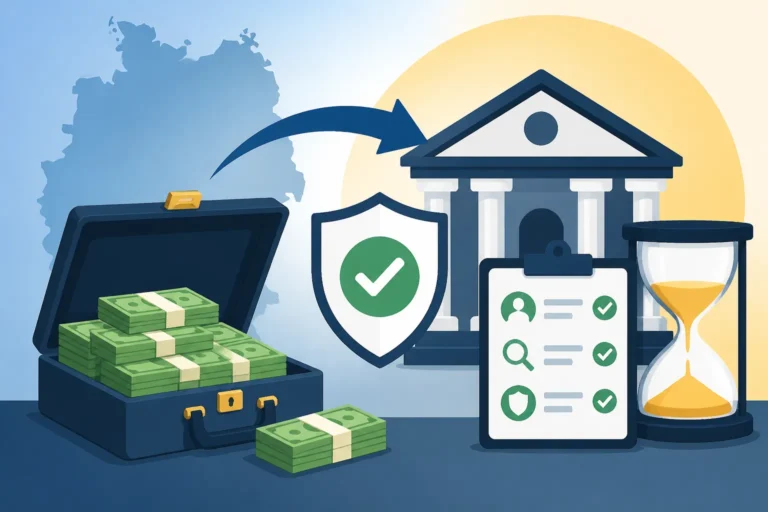
A pre-authorisation is a temporary hold placed on your credit or debit card by the hotel. When they do this, they’re essentially checking that your card is valid and that you have sufficient funds to cover the potential costs. The money isn't actually taken from your account; it's simply reserved. Your available balance will show a reduction, but the transaction won't appear as a completed charge. This "held" amount is typically released within a few days to a week after check-out, provided there are no issues. However, the exact timing can vary significantly depending on your bank and the hotel's processing times. I've had pre-authorisations disappear in hours, and others linger for well over a week, causing minor heart attacks! For peace of mind, platforms like Booking.com often clearly outline payment policies, including pre-authorisations, upfront, which is a massive help when you're trying to budget.
An actual charge, on the other hand, is when the money is permanently deducted from your account. This happens for your room rate, any services you definitively used, or if the hotel determines there was damage or theft that warrants keeping part or all of your Kaution. If a hotel says they are "taking a deposit," it's usually a pre-authorisation unless they specify otherwise or if you're paying in cash. Always clarify this distinction at check-in if you’re unsure. Understanding Cash vs Card in Germany: What Visitors Should Know can also shed light on why card-based holds are more common in this context.
Common Scenarios and Your Money: Navigating the System
It's one thing to understand the definitions; it's another to navigate the practicalities. The German hotel system, while efficient, can sometimes feel opaque, especially when your money is on the line. I recall a time when a pre-authorisation from a hotel in Hamburg lingered for so long, I thought it was lost forever! It eventually resolved, but the stress wasn't worth it. Knowing the typical scenarios can help manage your expectations.
When and How Hotels Take Your Deposit
Most hotels will inform you about the deposit or pre-authorisation at check-in. They'll typically ask for a credit card, even if you plan to pay for your room in cash or with a different card. This credit card is usually for the pre-authorisation. Some smaller establishments, or if you don't have a credit card, might ask for a cash deposit. This is less common in major cities but can happen in more rural Pensionen.
The amount can vary widely. For a standard hotel room, it might range from €50 to €200 per night or per stay. For longer stays or higher-end accommodations, it could be more. This amount is usually calculated to cover a reasonable estimate of incidental charges or minor damages. Always ask for clarification if the amount seems excessively high. Don't be afraid to ask, as transparency is key, and it's your money! It's also worth noting that hotels might combine the pre-authorisation for the deposit with the payment for the first night or the entire stay, depending on their policy. Double-check your booking confirmation, especially if you used a platform like Booking.com, as these details are usually clearly stated there.
What Can Trigger a Deposit Withholding?
So, you’ve left the hotel, keys returned, and you assume all is well. But what could possibly go wrong that would lead to your deposit being withheld? Here are the most common culprits:
- Mini-Bar and Room Service: This is probably the most frequent reason. Those tiny, tempting bottles of water or late-night snacks add up. Hotels use the deposit to ensure these are paid for.
- Property Damage: Anything from a broken lamp, a significant stain on the carpet or bedding, to a cracked mirror. Hotels have a right to charge for damages beyond normal wear and tear.
- Theft: While rare, items like towels, bathrobes, or electronic devices from the room can lead to a charge against your deposit. Most hotels would prefer you didn't "accidentally" take that plush bathrobe home.
- Smoking in Non-Smoking Rooms: German hotels are very strict about smoking policies. If you smoke in a non-smoking room, expect a hefty cleaning fee, which will come straight from your deposit.
- Unpaid Bills: If you neglected to pay for a meal at the hotel restaurant or a drink at the bar and it's linked to your room number, the deposit can cover this.
- Late Check-out Fees: If you overstay your welcome without prior arrangement, hotels often charge a fee for the inconvenience and potential disruption to their cleaning schedule.
It's always a good idea to do a quick scan of your room before leaving, not just to make sure you haven't forgotten anything, but also to visually confirm that everything is in order. This proactive step can save you a lot of hassle later.
The Return Process: How Long Will It Really Take?
Ah, the eternal question! Once you've checked out, and assuming everything went smoothly, the hotel initiates the release of your pre-authorised funds. But, as with all things banking, it’s not always instantaneous.
- Credit Cards: For credit card pre-authorisations, the funds are usually released within 3-7 business days. However, as mentioned, it can sometimes take up to 10-14 days depending on the banks involved (your bank and the hotel's bank). It's not the hotel holding onto your money deliberately; it's the banking system's clearing process.
- Debit Cards: While sometimes allowed for pre-authorisations, using a debit card for a hold means the money is actually blocked or temporarily deducted from your available balance. This can be more inconvenient as it directly impacts your spendable funds. The release process can be similar to credit cards, but some report it taking slightly longer. This is why many expats and savvy travelers prefer using a credit card for deposits when possible.
- Cash Deposits: If you paid a cash deposit, the hotel should return it to you immediately upon check-out after a quick room inspection. If they ask to transfer it later, be cautious and ask for clear documentation and a timeline.
It’s always a good idea to keep proof of your check-out, such as a final invoice showing a zero balance or an email confirmation. If your deposit hasn't been returned within a reasonable timeframe (say, 10 business days), you can contact the hotel directly with your booking reference and documentation. Knowing how to decipher Understanding German Bank Statements: Fees and Transactions Explained will be useful if you're trying to track the release.
Empowering Your Stay: How to Protect Yourself and Your Funds
As an expat who’s learned a few lessons the hard way, I can tell you that a little preparation goes a long way. Dealing with financial surprises in a foreign language is never fun. But with the right approach, you can minimise stress around hotel deposits and enjoy your Accommodation in Germany: Hotels, Pensionen, and Hostels.
Booking Smart: The Booking.com Advantage
This is where having a reliable platform like Booking.com in your corner really shines. They're not just about finding you a great place to stay; they offer an important layer of transparency and support that can be invaluable for expat travelers.
- Clear Policies Upfront: Many hotels list their deposit and pre-authorisation policies directly on their Booking.com page. This means you can check these details before you even book, letting you budget accordingly and avoid surprises at check-in. It’s incredibly helpful to know if you'll need an extra €100-200 hold on your card.
- Customer Service Support: If you do encounter an issue with a lingering pre-authorisation or a disputed charge, Booking.com's customer service can often act as an intermediary between you and the hotel. They have established channels and leverage to help resolve disputes, which can be a huge relief if you're facing a language barrier or bureaucratic hurdles.
- Variety of Payment Options: While the deposit itself might be tied to a credit card, Booking.com offers various initial payment methods. Some hotels allow you to pay upon arrival, giving you more control over your immediate funds. Look for "free cancellation" options, too, which often come with flexible payment terms.
- Review Power: The reviews on Booking.com often mention how hotels handle deposits. You can get a good sense of a hotel's practices from previous guests, helping you choose accommodations with a reputation for fair and prompt deposit returns.
Seriously, if you're booking travel in Germany, checking out what's available and clearly stated on Booking.com should be one of your first steps. It gives you so much more clarity than just showing up.
Documentation is Your Best Friend
It sounds tedious, but trust me, keeping a few simple records can save you a world of pain. I've learned that in Germany, paperwork is king, even for small things.
- Booking Confirmation: Keep a digital and/or physical copy of your hotel booking confirmation. It details the room rate, dates, and any specific notes about deposits.
- Check-in Notes: If the hotel clarifies their deposit policy verbally, make a quick note of it. Who you spoke to, what they said the amount was, and when they expect it to be released.
- Pre-authorisation Receipt/Screenshot: If the hotel provides a printout of the pre-authorisation, keep it. If not, take a screenshot of your online banking showing the pending transaction and the date it appeared. This is crucial for tracking.
- Check-out Receipt: Always get a final invoice, even if it shows a zero balance. This proves you settled all your outstanding charges and left the hotel with no financial obligations.
These documents serve as your proof if you ever need to dispute a charge or inquire about a delayed deposit return. They're your personal record, and they'll give you a lot more confidence when dealing with official processes.
Communication is Key
Don't be shy! Most German hotel staff are professional and willing to help, even if their English isn't perfect.
- Ask Questions at Check-in: Clarify the exact amount of the deposit/pre-authorisation, whether it's a hold or a charge, and the expected timeframe for its release. Ask about any specific charges for mini-bar or other services you might use.
- Report Issues Immediately: If you notice any damage in your room upon arrival, report it to reception straight away. This prevents you from being held responsible for pre-existing issues. A quick photo with a timestamp on your phone can also be helpful.
- Inquire Promptly: If your pre-authorisation hasn't been released within the expected timeframe, contact the hotel. Have your booking details and any documentation ready. Be polite but firm in your inquiry.
Remember, a lot of German Etiquette and Social Life for Visitors involves directness and clarity. Don't beat around the bush; just ask for the information you need. This direct approach is generally appreciated.
What to Do If Things Go Wrong: Disputing a Withheld Deposit
Despite all your best efforts, sometimes things just go sideways. Maybe a pre-authorisation is taking an unacceptably long time, or worse, you see a full charge for something you don't recognise. While it can be intimidating to dispute something in a foreign country, you do have rights. Navigating these situations can feel like an extra layer of Common Cultural Surprises for First-Time Visitors to Germany, but you're not powerless.
Initial Steps for Resolution
If you find yourself in a situation where your deposit hasn't been returned, or an unwarranted charge has been made, take these steps:
- Contact the Hotel Directly (Politely but Firmly): Your first port of call should always be the hotel itself. Reach out to them via email or phone, referencing your booking number, check-in/out dates, and the specific issue (e.g., "Pre-authorisation XX for €YY from [Date] has not been released"). Attach any relevant documentation like your check-out receipt or a screenshot of the pending charge. Give them a reasonable timeframe (e.g., 5 business days) to respond or resolve the issue. Be clear and factual, avoiding emotional language.
- Review Your Bank Statement: Keep a close eye on your bank statement. Sometimes, the hold is released, but it might take a few more days for your bank to fully process it and reflect it in your available balance. Check both "pending transactions" and "posted transactions."
- Contact Your Bank: If the hotel is unresponsive or unhelpful, contact your bank or credit card provider. Explain the situation and provide them with all your documentation. They can initiate a dispute process (a "chargeback") if they deem the charge or hold to be illegitimate or prolonged. Be aware that chargeback processes can take time, sometimes weeks or even months, but it's an important consumer protection.
- Leverage Your Booking Platform: If you booked through a platform like Booking.com, this is where their support can be incredibly useful. Reach out to their customer service, provide them with all the details, and ask them to intervene on your behalf. As a major platform, Booking.com often has direct contacts with hotels and a vested interest in ensuring good customer experiences. This is why booking through a reputable intermediary is often recommended for Staying Safe in Germany: Common-Sense Tips for Travelers.
Seeking External Help and Consumer Rights
If the initial steps don't yield a satisfactory resolution, there are further avenues you can explore, especially in Germany, which has strong consumer protection laws.
- Consumer Protection Agencies (Verbraucherzentrale): Germany has strong consumer protection laws, and the Verbraucherzentrale (Consumer Advice Centre) is an excellent resource. They offer advice and sometimes mediation for consumers facing disputes. While some services might require a fee, their initial guidance can be invaluable. You might need some German language skills or a German-speaking friend to navigate this, but it’s a powerful resource.
- Online Dispute Resolution (ODR) Platforms: For cross-border disputes within the EU, the European Commission provides an Online Dispute Resolution platform. If the hotel is in Germany and you're from another EU country, this could be an option.
- Legal Counsel: As a last resort, if the amount in question is substantial and other avenues have failed, you could consider seeking legal advice. However, for typical hotel deposit amounts, this is often not cost-effective.
Keep a detailed record of all communications – dates, times, names of people you spoke to, and summaries of conversations. This log will be crucial if you need to escalate the issue. While the process can be frustrating, especially if it feels like your money is being held hostage, remember that most hotel deposit issues are resolved fairly once you follow the proper steps. It’s all part of the expat journey of learning to navigate German systems! And hopefully, by booking smart on platforms like Booking.com, you can avoid most of these headaches entirely. Think of it as investing in stress-free travel, whether you're taking a quick trip or going on a full Renting a Car and Driving on the Autobahn adventure across the country.
| Type of Hold | What It Is | When Funds Are Taken | When Funds Are Released (Typical) | Best Practice |
|---|---|---|---|---|
| Pre-authorisation | Temporary hold on credit/debit card. Funds reserved, not deducted. | At check-in | 3-14 business days after check-out | Use credit card; track on bank statement. |
| Cash Deposit | Physical cash given to the hotel. | At check-in | Immediately at check-out | Get a receipt; ensure room inspection at check-out. |
| Actual Charge | Funds deducted for services, damages, or room rate. | At check-out or later | N/A (permanent deduction) | Review invoice carefully; dispute if incorrect. |
Disclaimer
This article is for general informational purposes only and does not constitute professional advice. Laws, prices and regulations vary by location and change over time. Consult a qualified professional for guidance on your specific situation.