Keeping Your German After Leaving Germany: Maintenance Lessons That Work
You poured your heart and soul into learning German while living here, navigating bureaucracy, ordering Brötchen, and maybe even cracking a joke or two in the local tongue. Now you've moved on, and that sinking feeling of your German skills slowly slipping away is all too real and incredibly frustrating. This guide is here to tell you that it doesn't have to be this way, offering practical, empathetic ways to keep your German alive and thriving, even from thousands of kilometers away.
Disclosure: This post may contain affiliate links. We may earn a commission at no extra cost to you if you make a purchase through these links. Read full disclosure.
The Lingering German Goodbye: Why Your Hard-Earned Skills Fade
It’s a common and heartbreaking phenomenon for expats: you spend years immersed in a language, working tirelessly to achieve fluency, only to find it starting to evaporate the moment you step off German soil. The struggle is real, and it’s not just in your head. The vibrant, everyday interactions that made learning so effective suddenly disappear, leaving a gaping hole in your language exposure.
The Erosion of Everyday Immersion
While living in Germany, language learning was a constant, almost subconscious process. Every trip to the Bäcker, every conversation with your landlord about Nebenkosten, every attempt to understand the Ansage on the U-Bahn – it all contributed to your progress. This constant, low-level immersion is incredibly powerful. You weren't just learning vocabulary; you were learning how Germans speak, the rhythm, the unspoken nuances. When that daily stream of German input dries up, your brain, in its efficiency, starts to prune what it deems unused. It feels like a betrayal after all that effort, doesn't it? The casual "Wie geht's?" replaced by an English equivalent in your new home feels like a tiny linguistic death each time.
The Mental Block: Fear of Forgetting and Lack of Practice
Beyond the external factors, there's a significant psychological component to this language decay. When you're no longer surrounded by German, the opportunities to practice diminish drastically. You might hesitate to speak for fear of making mistakes, or worse, for fear of realizing how much you've already forgotten. This self-consciousness creates a vicious cycle: less practice leads to more forgetting, which leads to even more reluctance to practice. The confidence you painstakingly built up when asking for Kaffee und Kuchen at your local café starts to crumble when you can't recall the perfect declension for "delicious." This mental barrier is often harder to overcome than the actual linguistic challenges.
Fighting the Fade: Proactive Strategies for German Language Maintenance
Okay, so we've acknowledged the pain. Now, let's talk solutions. Maintaining a language from a distance requires a shift from passive absorption to active, intentional engagement. It's about creating your own "Germany bubble" wherever you are. This isn't just about preserving words; it's about preserving a part of your expat identity.
Rebuilding Your German Input Stream
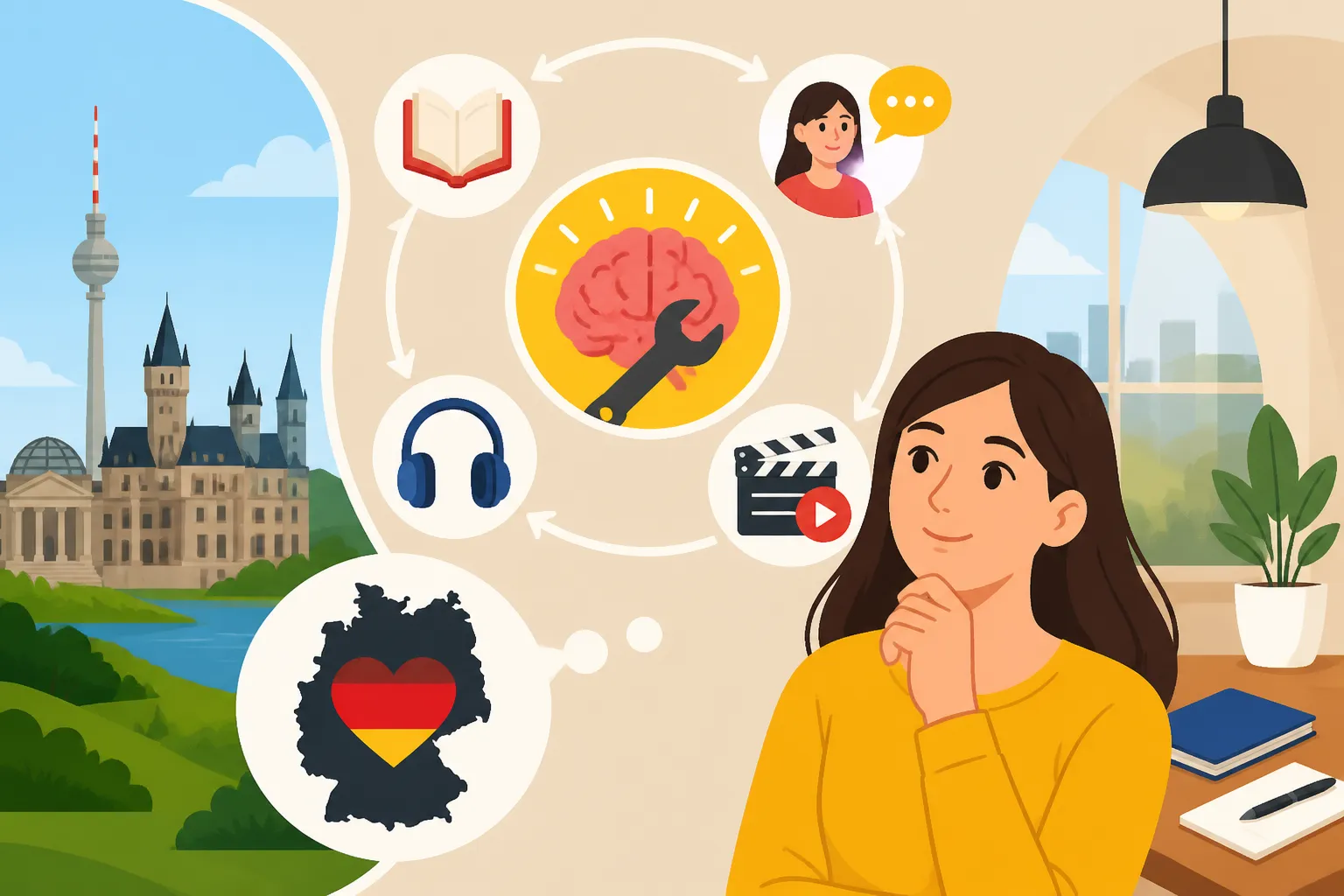
The first step is to consciously replace the daily German input you've lost. This means actively seeking out German media, news, and entertainment. Think of it as feeding your German brain the nourishment it craves. It won't be as effortless as hearing it on the street, but with consistency, it can be incredibly effective.
Consider making German news a part of your daily routine. Sites like Tagesschau or Deutsche Welle offer articles and videos, often with transcripts or slower speech options for learners. Find podcasts on topics you genuinely enjoy, whether it's true crime, history, or comedy. This makes the listening enjoyable rather than a chore. Dive back into German television shows or movies – platforms often have a good selection, and you can start with German subtitles before challenging yourself with none. Reading German books, even simplified versions or children's books, can slowly bring back your vocabulary and grammar. Understanding German Addresses and Postal Codes or Common German Medical Terms: A Mini Dictionary for Patients could be revisited just to keep some practical vocabulary fresh!
Cultivating Consistent Output Opportunities
Input is crucial, but without output, your speaking skills will inevitably suffer. This is where active practice, especially speaking, becomes non-negotiable. It's about moving from understanding to producing. This can feel daunting when you don't have a German friend living next door, but modern technology has made it surprisingly accessible.
Look for German meetup groups in your new city – you'd be surprised how many exist, often organized by expats or German enthusiasts. If local options are scarce, consider online language exchange partners. Platforms connect you with native speakers looking to learn your language, creating a mutually beneficial exchange. Even talking to yourself in German about your day or describing objects around you can help activate those dormant neural pathways. The key is consistency, even if it's just for 15-20 minutes a few times a week. It's like going to the gym for your brain, preventing those linguistic muscles from atrophying.
Your Secret Weapon: How iTalki Revolutionizes Post-Expat German Practice
When it comes to consistent, high-quality output practice, finding a reliable, flexible, and effective solution is paramount. This is precisely where platforms like iTalki shine, offering a lifeline for anyone serious about keeping their German sharp after leaving Germany. It’s not just another app; it’s a personalized ecosystem designed to combat language fade.
Why iTalki is Ideal for Language Maintenance
The beauty of iTalki lies in its direct approach to real-world conversation. When you're no longer living in Germany, the biggest challenge is finding native speakers to talk with regularly. iTalki solves this by connecting you directly with thousands of German teachers and community tutors from Germany and other German-speaking countries. You can book one-on-one lessons or informal conversations, tailoring the experience to exactly what you need for maintenance.
Are you worried about losing your conversational flow? Book a conversation practice session. Do you feel your grammar slipping? Hire a certified teacher for targeted lessons. The flexibility means you can schedule sessions around your new life, whether it's a quick 30-minute chat during your lunch break or a more intensive hour-long lesson on a weekend. This level of personalized interaction with native speakers is incredibly hard to replicate once you've left the country. Plus, you can often find teachers from specific regions in Germany, allowing you to maintain exposure to different accents, much like you would have experienced when living there. This keeps your ear tuned and your understanding robust.
Tailoring Your German Maintenance with iTalki
One of the most powerful aspects of iTalki for language maintenance is the sheer breadth of options and the ability to customize your learning path. This isn't a one-size-fits-all approach; it's about making the language work for your goals, even when those goals are simply "don't forget everything."
You can browse teacher profiles, read reviews, and even take trial lessons to find the perfect fit. Some tutors specialize in conversational German, helping you discuss current events or simply chat about daily life, mirroring the spontaneous conversations you had in Germany. Others are professional teachers who can help you refine specific grammar points, expand your vocabulary in particular areas (like business or academic German), or even practice for official language exams if you envision returning or needing proof of your proficiency, like those mentioned in German Language Certificates: TestDaF, DSH, and Goethe. The pricing structure is also highly flexible, with community tutors offering very affordable rates for casual conversation practice, making consistent engagement sustainable. It's about keeping that vital human connection to the language alive, ensuring you continue to engage with a native speaker who can correct you, guide you, and keep you motivated. Through platforms like iTalki, you're not just practicing; you're actively creating a personalized "language buddy" network.
Integrating German into Your New Life: Beyond Formal Lessons
Maintaining a language is not just about scheduled sessions; it's about weaving it into the fabric of your everyday life, making it a natural, enjoyable part of your routine once more. Even if you're not physically in Germany, you can create a mental space for German to thrive.
Building a German-Speaking Network Remotely
Remember those expat friends you made in Germany, or perhaps even German colleagues? Technology allows you to keep those connections alive and continue practicing with them. Schedule regular video calls with friends who speak German, agreeing to converse only in German for a set amount of time. It's a fantastic way to keep your conversational skills sharp and catch up on life, merging social interaction with language practice. You can even discuss topics like German Food Culture: Eating and Drinking as a Visitor or your memories of Christmas Markets and Festive Germany to keep the cultural connection alive.
Consider joining online German-speaking communities or forums dedicated to hobbies you enjoy. Whether it's gaming, cooking, or a specific niche interest, finding a German-language group on social media platforms or dedicated forums can provide a regular stream of authentic text-based interaction, exposing you to current slang and expressions. This kind of organic interaction is vital for maintaining a natural feel for the language, going beyond textbook phrases. These are the interactions that mimic the casual chats you once had at the office or while waiting for your Deutsche Bahn Guide: Using Trains for City and Long-Distance Travel.
Leveraging Technology for Ambient Learning
Beyond active conversation, technology offers incredible opportunities for passive and semi-passive immersion. Make German an ambient presence in your new environment. Change the language settings on your phone, computer, or smart devices to German. This forces you to engage with the language in a functional way, encountering common terms and phrases in contexts you're already familiar with. You'll be surprised how quickly you re-learn menu items and system notifications.
Utilize flashcard apps like Anki or Memrise to keep your vocabulary fresh, focusing on words that you feel are slipping away. These apps use spaced repetition to maximize retention efficiency. For listening, don't just consume German media; have it on in the background while you're doing chores, exercising, or commuting. Even if you're not actively listening, your brain is still processing the sounds, rhythms, and intonations. It’s like a gentle, continuous linguistic bath. Combine this with reading German blogs or online magazines that align with your interests. Even small doses, like reading a German recipe or a short article each day, can make a significant difference in maintaining your reading comprehension and vocabulary.
Maintenance is a marathon, not a sprint. The key is finding joy in the process and making German a continuous, if varied, part of your life. And when you need that structured, personalized push, remember that resources like iTalki are there to ensure your German doesn't just survive, but continues to thrive, ready for your next adventure or return visit to Germany.
German Language Maintenance Strategies: A Comparison
| Strategy | Description | Benefits | Challenges | Best For |
|---|---|---|---|---|
| iTalki Lessons | One-on-one sessions with native German teachers or community tutors. | Personalized feedback, flexible scheduling, native interaction, targeted practice. | Requires proactive booking, cost involved (though often affordable). | Anyone needing structured, flexible, and interactive speaking practice. |
| Media Consumption | Watching German TV/movies, listening to podcasts, reading news/books. | Improves comprehension, expands vocabulary, cultural connection, flexible. | Passive without active engagement, no direct speaking practice. | Building vocabulary, listening comprehension, cultural immersion. |
| Language Exchange | Connecting with German speakers for mutual language practice. | Free speaking practice, cultural exchange, potential friendships. | Finding reliable partners, inconsistent commitment, less structured. | Casual conversation, cultural exchange, independent learners. |
| German Meetup Groups | Joining local groups for German speakers/learners. | In-person interaction, community building, motivation. | Availability depends on location, can be intimidating for beginners. | Social interaction, practicing in a group setting, finding local community. |
| Self-Study Apps/Tools | Flashcards, grammar apps, changing device language settings. | Vocabulary/grammar drills, constant exposure, independent, convenient. | No direct speaking practice, can become monotonous without variety. | Vocabulary retention, grammar review, ambient exposure. |
Disclaimer:
This article is for general informational purposes only and does not constitute professional advice. Laws, prices and regulations vary by location and change over time. Consult a qualified professional for guidance on your specific situation.