Language Exchange Meetups: Practicing German and Making Friends
Walking into a crowded bar in Berlin or a quiet café in Munich and trying to summon the courage to speak German is a universal expat nightmare. I remember sitting in my first shared apartment, clutching a grammar book and feeling like a total outsider because I couldn't even follow the dinner conversation. This guide solves the isolation of language learning by showing you how to find and master language exchange meetups to build both fluency and a social life.
Disclosure: This post may contain affiliate links. We may earn a commission at no extra cost to you if you make a purchase through these links. Read full disclosure.
The Emotional Rollercoaster of Speaking German in Public
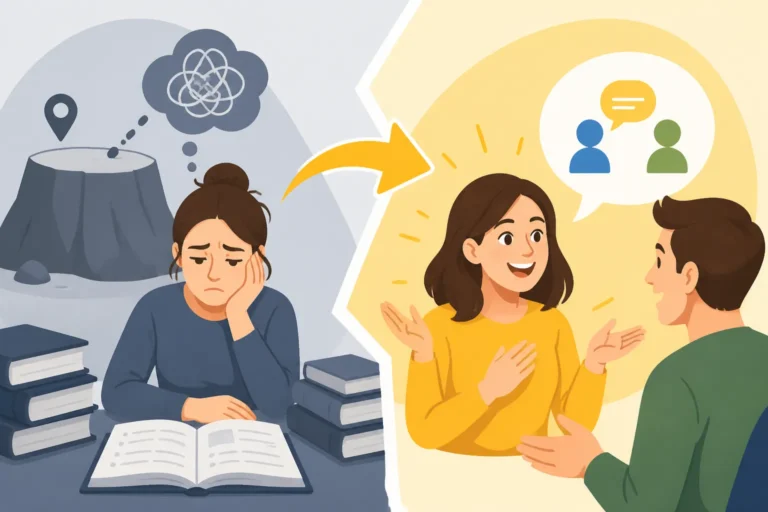
The transition from a classroom setting to a real-world conversation is often where most expats hit a wall. You might have spent months mastering the four cases and memorizing irregular verbs, but the moment a waiter asks you a question at lightning speed, your brain freezes. This is a common symptom of what I call "the textbook trap." You know the grammar, but you haven't developed the muscle memory for the social dance of the German language.
Language exchange meetups, or "Tandems," are the perfect bridge across this gap. Unlike a formal course where you might be one of twenty students fighting for a minute of talk time, a meetup is designed for volume. You are there to fail, to stumble, and to eventually find your flow. It validates the frustration of the "silent period" many newcomers go through, where they understand everything but can't say anything. By putting yourself in a low-stakes environment, you strip away the fear of being judged by a teacher or a clerk at the Ausländerbehörde.
Moreover, these meetups address the "Expat Bubble" problem. It is dangerously easy to live in a city like Frankfurt or Hamburg for years while only speaking English. While Living in Germany Without Speaking German (Yet): Tips to Get By can help you survive the first few months, long-term fulfillment comes from genuine connection. Language exchanges are one of the few places where locals and foreigners meet with a shared goal of vulnerability. You are helping them with your native tongue while they help you with theirs, creating an immediate, balanced power dynamic that is often missing in other social interactions.
Where the Magic Happens: Finding Your Tribe
Finding a high-quality meetup is more than just searching for a keyword on a social app. You want to find an environment that matches your energy and your current linguistic level. For many, the first stop is platforms like Meetup.com or Facebook groups. In major cities, you will find events specifically labeled as "Sprachcafé" or "International Stammtisch." These are often large, loud, and held in pubs. While they are great for Making Friends in Germany: Social Tips for Expats, they can sometimes be too chaotic for deep language practice.
If you prefer something more structured, look toward local universities or the Volkshochschule (VHS). Many student organizations host Tandem evenings where they pair people up specifically by language interests. These tend to be a bit more academic and focused. I’ve found that the best experiences often happen in "mid-sized" meetups—around 15 to 20 people—where you aren't overwhelmed by noise but have enough variety to switch partners if the conversation dries up.
Before you head out to your first event, it is a smart move to sharpen your listening skills so you don't feel completely lost. Using tools like GermanPod101 can give you a boost in understanding common slang and conversational filler words that you won't find in a standard dictionary. Alternatively, if you feel your grammar is still too shaky to hold a basic conversation, taking a few sessions with Lingoda can provide the structured confidence you need to at least introduce yourself and ask basic questions. This preparation ensures that when you dive into Finding Your Community: Expat Groups, Clubs, and Meetups in Germany, you are coming from a place of relative strength rather than total confusion.
Maximizing Your Experience at a Meetup
Once you are actually at the meetup, the biggest mistake you can make is falling back into English the moment things get difficult. This is a trap I fell into many times. You start in German, hit a wall with a specific word, switch to English to explain yourself, and suddenly the rest of the night is spent in your native language. To avoid this, you need a strategy. I always recommend the "15-minute rule." Agree with your partner to speak only German for 15 minutes, then switch to your native language for 15 minutes. This ensures both parties get what they came for.
Don't be afraid to bring "props." It might sound nerdy, but having a small notebook or a list of topics on your phone can be a lifesaver. When the inevitable "Where are you from?" and "What do you do for a living?" questions are exhausted, you'll want something else to talk about. Ask about their favorite local spots, their thoughts on the latest news, or even help with German Culture & Etiquette: A Guide to Social Life and Customs. Germans often appreciate directness, so if you want them to correct your mistakes, tell them! Say, "Bitte korrigiere mich, wenn ich einen Fehler mache." Without this permission, many Germans will be too polite to interrupt you, and you'll keep repeating the same errors.
Understanding the social nuances is also key. For instance, knowing Du or Sie? Navigating Formal and Informal German Address is crucial even in a casual setting. At a language exchange, the "Du" is almost always the standard, but it's good to observe how others are interacting. If you’re at a meetup held in a restaurant, being familiar with German Dining Etiquette: Eating Out, Tipping, and Table Manners will prevent any awkward moments when the bill arrives. These small cultural details are what separate a successful integration from a superficial one.
| Feature | Formal Language School | Language Exchange Meetup |
|---|---|---|
| Cost | Usually high (per module/level) | Free or price of a drink |
| Focus | Grammar, syntax, and exams | Fluency, slang, and social skills |
| Schedule | Fixed times and locations | Flexible, often evening/weekends |
| Atmosphere | Academic and pressurized | Casual and social |
| Social Aspect | Limited to classmates | High potential for real friendships |
| Correction | Constant and systematic | Variable (depends on partner) |
The Social Transition: From Language Partner to Actual Friend
The ultimate goal for many of us attending these meetups isn't just to learn the difference between "der," "die," and "das," but to find people we actually want to hang out with on a Tuesday night. Moving from a "Tandem partner" to a "real friend" in Germany can be a slow process. Germans often have a high threshold for who they consider a "Freund" versus a "Bekannter" (acquaintance). Don't take it personally if someone doesn't want to grab dinner immediately after meeting you once.
The trick is consistency. If you find a partner you click with, suggest a "localized" activity for your next meeting. Instead of another bar, suggest going to a museum, a park, or even a grocery store. Doing a task together in German provides a new set of vocabulary and takes the pressure off "performing" the language. It also helps you deal with Coping with Culture Shock: Adjusting to Life in Germany because you have a local guide to explain the "why" behind certain behaviors.
If you’re still in the early stages of your move and feeling overwhelmed by the sheer volume of things to learn—from the language to Learning German: Top Language Schools and Resources for Expats—don't rush the social aspect. Use apps like GermanPod101 to keep the language in your ears during your commute, or book a Lingoda class for those days when you don't have the energy to leave the house but still want to make progress. The more you immerse yourself, the more natural the social transitions will become. Eventually, the language stops being a barrier and starts being the tool that opens doors to a life you actually enjoy in Germany.
Navigating the Different Types of Meetups
Not all meetups are created equal, and your experience will vary wildly depending on the format. Some are "Speed Dating" style, where you switch partners every five minutes. These are excellent for practicing your "pitch"—the basic story of who you are and why you’re in Germany. It’s high-energy and forces you to think fast. However, if you're looking for depth, you might find these exhausting. I personally preferred the more relaxed "open table" format where you can settle in with a group for an hour or two.
There are also niche-specific meetups. If you are into board games, hiking, or tech, look for groups that combine those hobbies with language practice. Speaking German while your brain is focused on a strategy game or a steep trail actually helps lower your inhibitions. You stop overthinking the grammar because you're trying not to lose the game or trip over a root. This is where real fluency begins to take root.
As you become a regular at these events, you might find yourself moving beyond the basics. You’ll start to understand the humor, the sarcasm, and the specific dialect of your region. Whether you're in the middle of Learning German: Top Language Schools and Resources for Expats or you’ve already finished your C1 exam, these social interactions remain vital. They keep the language alive and remind you that despite the occasional bureaucratic headache or the gray winter skies, the people and the culture are why you chose to make Germany your home in the first place.
Disclaimer
The information provided in this article is for informational purposes only and is based on personal experiences and general research. Rules regarding visas, residency, and local regulations in Germany can change frequently. Always consult official government sources or qualified legal professionals before making significant administrative or financial decisions.