Over-the-Counter Medicine in Germany: What You Can Get Without a Prescription
Navigating the German pharmaceutical landscape can be surprising for many expats, as strict regulations govern where and how you can buy medicine. This guide explores common over-the-counter options, the pharmacy-only rule, and tips for managing minor ailments legally and safely.
Disclosure: This post may contain affiliate links. We may earn a commission at no extra cost to you if you make a purchase through these links. Read full disclosure.
The Regulatory Landscape: Apothekenpflicht Explained
The Pharmacy Only Mandate
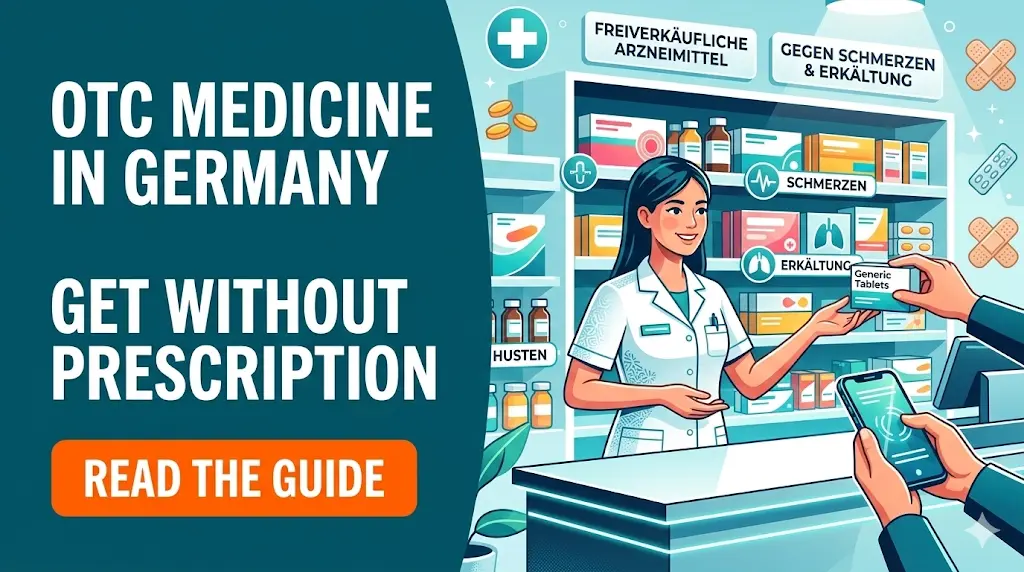
In Germany, the sale of medicine is governed by the Arzneimittelgesetz (Medicines Act), which creates a unique category called apothekenpflichtig (pharmacy-only). Unlike in the US or UK, where you can grab ibuprofen or paracetamol at a grocery store or gas station, German law dictates that any substance with a pharmacological effect must be dispensed in an Apotheke (pharmacy). This ensures that a trained pharmacist is available to provide advice and prevent dangerous drug interactions.
This regulation applies to almost all pain relievers, cold medicines, and even some high-dose vitamin supplements. If you are used to self-medicating with supermarket finds, you’ll need to adjust your habits. Consumers should also pay attention to expiration dates and proper storage conditions, as some medicines lose effectiveness if stored incorrectly. Keeping medications out of children’s reach and following package instructions helps prevent accidents. When unsure about symptoms or medication choices, seeking advice from a pharmacist or doctor remains the safest approach.
Apotheke vs. Drogerie
It is crucial to understand the difference between an Apotheke and a Drogerie (drugstore like dm or Rossmann). A drugstore in Germany sells toiletries, beauty products, baby supplies, and “wellness” items like low-dose vitamins or herbal teas. However, they are legally prohibited from selling any actual “medicine.” You won’t even find a low-dose aspirin on their shelves.
For expats, the Drogerie is great for household staples, but for any ailment requiring an active ingredient, you must head to the pharmacy. This distinction is further detailed in Understanding German Pharmacies vs Drugstores: Where to Get What. If you prefer sourcing high-quality international supplements that might not be available in either location, many residents utilize iHerb for their broader selection of global health brands.
Why Prices and Brands Vary
While prescription medication prices are strictly regulated, over-the-counter (OTC) prices are not. This means a pack of ibuprofen might cost €4 in one pharmacy and €7 in another. Most pharmacies also offer generic versions (Generika) of popular brands like Aspirin or Voltaren, which are significantly cheaper but contain the same active ingredients.
Pharmacists are generally very helpful and will often suggest the more affordable generic if you ask for “the cheaper version” (die günstigere Variante). This is a useful tip for those managing a tight budget, such as individuals on Health Insurance for Students in Germany: Affordable Options and Requirements. For managing these small out-of-pocket costs across different currencies, Wise is an excellent tool for transparent financial management.
Common OTC Medicines for Pain and Fever
Paracetamol and Ibuprofen
Paracetamol and Ibuprofen are the two most common pain and fever reducers available in Germany. Paracetamol (often branded as Ben-u-ron) is widely used for mild pain and is the standard choice for children and pregnant women. Ibuprofen (often branded as Aktren or Ibudolor) is preferred for inflammatory pain, such as muscle aches or toothaches.
Both are available in various dosages without a prescription, typically up to 400mg for Ibuprofen and 500mg for Paracetamol. However, there are limits on how many packs you can buy at once to prevent misuse. If you have severe, persistent pain that doesn’t respond to these, you should consult a professional, a process made easier through Specialists and Referrals: How to See a Specialist Doctor in Germany.
Aspirin and Naproxen
Aspirin (Acetylsalicylic acid) is a household name in Germany—hardly surprising given that Bayer invented it. It is used for headaches and as a mild blood thinner. Naproxen (often branded as Dolormin) is another NSAID frequently used for longer-lasting pain relief, particularly for menstrual cramps or joint pain.
It is worth noting that while these are available OTC, the pharmacist will likely ask if you are taking other medications or if you have stomach issues, as NSAIDs can be harsh on the digestive tract. This clinical approach to retail is part of the broader Healthcare in Germany: A Comprehensive Guide for Expats experience.
Topical Pain Relief
For joint or muscle pain, topical gels like Voltaren (Diclofenac) are incredibly popular. These allow for localized relief without the systemic side effects of oral pills. Most pharmacies carry various strengths of these gels.
| Condition | Active Ingredient | Popular German Brand |
| Fever / Mild Pain | Paracetamol | Ben-u-ron |
| Inflammation / Aches | Ibuprofen | Aktren / Ibudolor |
| Headache | Aspirin (ASS) | Aspirin |
| Menstrual Cramps | Naproxen | Dolormin |
| Muscle Pain (Topical) | Diclofenac | Voltaren |
Managing Cold, Cough, and Allergy Symptoms
Cold and Flu Cocktails
Germans often prefer targeted treatments over “all-in-one” cold medicines, but products like Wick DayMed or Aspirin Complex (similar to DayQuil) are available. These usually combine a painkiller with a decongestant. However, many local doctors and pharmacists might instead recommend herbal steam inhalations or saline nasal sprays (Meerwasser-Nasenspray) as a first line of defense.
If your cold symptoms are severe enough that you cannot work, you will need a sick note (Krankschreibung) for your employer. Understanding the administrative side of being ill is essential for everyone, especially for those navigating Health Insurance for Freelancers and Self-Employed: Navigating the System.
Cough treatments are divided into Hustenstiller (suppressants for dry coughs) and Hustenlöser (expectorants for productive coughs). Common active ingredients like Ambroxol or Acetylcysteine (ACC) are available in tablet or syrup form without a prescription. For sore throats, lozenges like Dorithricin or Neo-Angin contain mild anesthetics and antiseptics.
Germany has a deep love for herbal remedies, and you will find many OTC cough syrups based on ivy leaf, thyme, or primrose root. These are often highly effective and are a staple of Alternative Medicine in Germany: Homeopathy and Natural Remedies.
Allergy Relief (Antihistamines)
Seasonal allergies can be intense in Germany’s green cities. Antihistamines like Cetirizine and Loratadine are available over-the-counter and are very affordable. For more severe symptoms, hay fever nasal sprays containing steroids (like Mometasone) have also become available OTC in recent years.
If you are dealing with chronic allergies, your Finding a Doctor (Hausarzt) in Germany: How to Choose and Register might suggest a long-term desensitization plan. For those who travel often and need to stock up on allergy meds from international brands, iHerb is a reliable alternative to local pharmacies.
Common Over-the-Counter Medicines Available in Germany
Germany has a well-regulated pharmaceutical system that clearly distinguishes between prescription medications and over-the-counter medicines. Many common treatments for mild or short-term health issues can be obtained without a doctor’s prescription, but they are still subject to strict safety standards.
Over-the-counter medicines are typically used to treat minor health conditions such as headaches, colds, seasonal allergies, digestive discomfort, and mild skin problems. Cold and flu treatments may include nasal sprays, throat lozenges, cough syrups, and decongestants.
Digestive remedies are another common category of non-prescription medicines. Products for heartburn, acid reflux, constipation, and mild stomach discomfort are often recommended by pharmacists. In addition, pharmacies frequently sell vitamin supplements, mineral preparations, and herbal medicines designed to support general health or address mild deficiencies.
Certain topical medications are also available without prescriptions. These include creams or ointments for minor burns, insect bites, skin irritations, and fungal infections. Wound care supplies such as antiseptic solutions, bandages, and disinfectants can also be purchased easily at pharmacies.
They may ask questions about symptoms, existing medical conditions, or other medications being taken.
Digestive Health and Travel Essentials
Heartburn and Indigestion
Antacids like Rennie (calcium/magnesium carbonate) or proton pump inhibitors (PPIs) like Pantoprazole are available in small pack sizes without a prescription. These are perfect for managing the occasional “heavy” meal of schnitzel and potatoes.
If you frequently suffer from digestive issues, a pharmacist might suggest a specialized herbal bitter like Iberogast, which is a famous German remedy for functional dyspepsia. Managing these types of routine health costs is much easier when you have a modern insurance provider like Ottonova or Feather Insurance.
Motion Sickness and Sleep Aids
Travel sickness tablets containing Dimenhydrinate (brand name Vomex) are widely available and very effective, though they can cause drowsiness. For sleep issues, mild herbal sedatives based on valerian root or hops are common. Melatonin has also become widely available OTC in recent years, often found in both pharmacies and drugstores.
For expats who move frequently and need to settle their finances across borders while managing these health needs, Wise provides a seamless way to handle international payments. If you are experiencing persistent sleep or stress issues, it may be worth consulting Mental Health Care in Germany: Finding Therapists and Psychologists for a more holistic approach.
The Role of Homeopathy and Natural Remedies
Why Homeopathy is Mainstream
In Germany, homeopathy is not a “fringe” practice; it is deeply embedded in the medical culture. You will find “Globuli” (tiny sugar pellets) in almost every pharmacy, and many German doctors have additional qualifications in Naturheilverfahren (natural healing). While the efficacy is a subject of debate, many expats are surprised by how frequently these are recommended for minor issues.
This cultural preference for “gentle” medicine is something you will likely encounter early on. To understand why your pharmacist might suggest a plant-based remedy before a chemical one, check out our guide on Alternative Medicine in Germany: Homeopathy and Natural Remedies.
Herbal Teas as Medicine
German pharmacies sell specialized medicinal teas (Arzneitees) that are regulated more strictly than supermarket tea. There are blends for everything: “Blasen- und Nierentee” for urinary issues, “Beruhigungstee” for sleep, and “Magentee” for stomach upset. These are often the first thing a German will reach for at the onset of a cold.
First Aid Kits for Expats
Every expat household should maintain a basic Hausapotheke (home pharmacy). This should include basic pain relief, disinfectants, bandages, and perhaps a digital thermometer. If you are traveling or moving, having these ready is as important as having your Travel Health Insurance: What Expats Need for Schengen Visa & Short Trips in order.
Where to Buy Non-Prescription Medicines in Germany
Online pharmacies are also available in Germany and have become increasingly popular. These services allow customers to order medications through verified websites and have them delivered to their homes. However, legitimate online pharmacies must comply with strict regulations and display official certification confirming that they are authorized to sell medicines within the European Union.
Practical Tips: Buying and Using OTC Meds
Finding an Emergency Pharmacy (Notdienst)
If you need medicine in the middle of the night or on a Sunday, you’ll need to find a Notdienst pharmacy. Pharmacies in Germany take turns staying open 24/7. You can find the nearest one by looking at the illuminated sign in the window of any closed pharmacy or by using the official search tool at aponet.de.
Communicating with the Pharmacist
Most pharmacists in major cities speak excellent English, but knowing a few German keywords can help:
- Schmerzen (Pain)
- Fieber (Fever)
- Husten (Cough)
- Schnupfen (Cold/Runny nose)
- Gegen (Against – e.g., etwas gegen Kopfschmerzen)
Managing Your Medicine Budget
For most OTC medicines, you will pay the full price out of pocket. However, if a doctor writes a “green prescription” (Grünes Rezept), it serves as a formal recommendation. While you still pay, some Private Health Insurance in Germany: Benefits, Costs, and Eligibility plans or specific statutory “bonus” programs might reimburse these costs.
Using digital brokers like Feather Insurance or providers like Ottonova can help you find plans that offer better coverage for these elective health costs. For international residents, utilizing Wise to pay for these items or receive reimbursements avoids the high fees associated with traditional banks.
Conclusion
Although many medicines are available without a prescription in Germany, they should still be used carefully and responsibly. Over-the-counter medications are intended primarily for short-term relief of minor symptoms rather than treatment of serious or persistent medical conditions. If symptoms continue for several days, worsen over time, or involve severe discomfort, individuals are generally advised to consult a doctor for proper medical evaluation.
Pharmacists play an important role in guiding patients toward appropriate treatments. Because medicines are mainly distributed through pharmacies, individuals have access to professional advice before purchasing a product. Pharmacists can explain correct dosages, warn about potential side effects, and identify possible interactions with other medications. This helps reduce the risk of misuse and ensures that treatments are used safely.
It is also important to read medication instructions carefully. Even common pain relievers or cold medicines may have dosage limits and safety warnings. Taking higher doses than recommended or combining medications incorrectly can lead to unwanted health risks. Individuals with chronic illnesses, allergies, or ongoing medical treatments should be especially cautious and may benefit from consulting a healthcare professional before taking new medications. Germany’s strict regulation of non-prescription medicines aims to balance accessibility with patient safety.
By limiting distribution primarily to pharmacies and requiring professional oversight, the system ensures that people can obtain effective treatments while minimizing risks. For residents and visitors alike, understanding how over-the-counter medicines are sold and used in Germany helps ensure safer self-care and responsible medication use.
References
Primary sources (official)
- Federal Ministry of Health (BMG): Information on the German Medicines Act. https://www.bundesgesundheitsministerium.de/en/en.html
- ABDA – Federal Union of German Associations of Pharmacists: Statistics and regulations. https://www.abda.de/en/
Other helpful sources
- Aponet.de: The official portal for finding pharmacies and emergency services. https://www.aponet.de/
Disclaimer
The information provided in this article is for general informational and educational purposes only and does not constitute professional medical, legal, or financial advice. German pharmaceutical regulations and prices are subject to change. Always consult with a qualified medical professional or a licensed pharmacist before starting any new medication. In the event of a medical emergency, always dial 112 immediately.