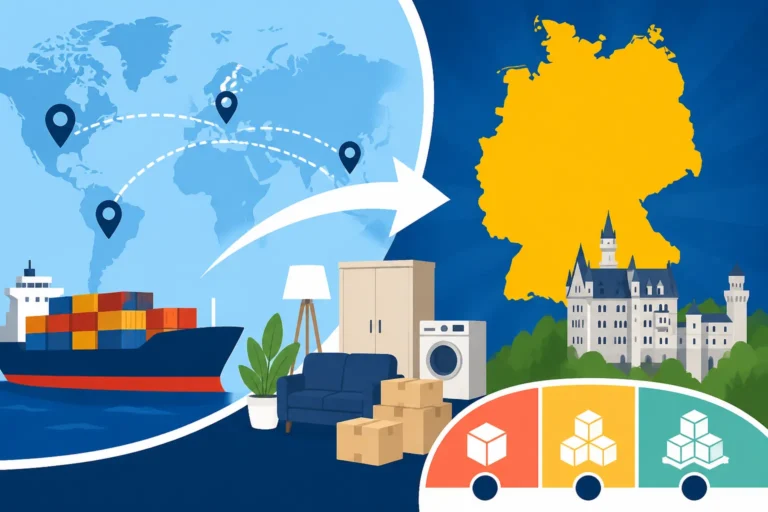
Selling German Property and Repatriating the Proceeds
Selling property in Germany can feel like navigating a dense, ancient forest blindfolded, especially when you're an expat. You've poured your heart, soul, and hard-earned cash into that place, and now, after what feels like a marathon of paperwork and viewings, it’s finally sold. But then the next hurdle appears: how do you get that significant chunk of money safely, affordably, and transparently back to your home country, or wherever your next adventure takes you? This guide is here to unravel that exact knot, focusing on the often-overlooked but crucial final step of repatriating your property sale proceeds, with a keen eye on making that process as stress-free as possible using smart financial tools like Wise.
Disclosure: This post may contain affiliate links. We may earn a commission at no extra cost to you if you make a purchase through these links. Read full disclosure.
The Labyrinth of Selling Property in Germany for Expats
Let’s be honest, buying property in Germany was already a formidable challenge, wasn't it? The sheer amount of paperwork, the meticulous attention to detail, the specific legal structures – it's enough to make anyone's head spin. Well, selling it has its own unique set of quirks and complexities, and for expats, these can feel amplified. It’s not just about finding a buyer; it’s about understanding the entire ecosystem.
Understanding the German Property Market as a Seller
When you decide to sell your Eigentumswohnung or Haus in Germany, you're stepping into a market that, while generally stable, operates on principles that might differ significantly from what you're used to. Factors like location, the building's energy efficiency (Energieausweis), and the overall condition of your property play a huge role in its valuation and how quickly it sells. Buyers in Germany are often very thorough, expecting detailed documentation, renovation histories, and clear answers to every imaginable question.
The market mood can shift, too. For years, interest rates were low, making property highly desirable and pushing prices up in many cities like Berlin, Munich, and Hamburg. However, recent changes in the global financial landscape can impact buyer demand and financing options, potentially affecting how quickly your property sells and at what price. Finding a good local Makler (real estate agent) is often crucial. They know the local market inside out, understand what buyers are looking for, and can navigate the initial stages of marketing and negotiations. They're also your first line of defense against some of the unique aspects, like the fact that German houses often come without fitted kitchens or even light fixtures, which can be a shock to international buyers.
Key Legal and Bureaucratic Hurdles in the Sale Process
Once you've found a buyer and agreed on a price, the German bureaucracy machine truly kicks into high gear. This isn’t a quick handshake and a signature; it’s a process meticulously overseen by a Notar. The Notar isn't just a lawyer; they are a neutral, state-appointed legal professional whose primary role is to ensure that the transaction is fair, legally sound, and that both buyer and seller fully understand the Kaufvertrag (purchase contract) and its implications.
This process begins well before the actual signing. The Notar drafts the Kaufvertrag, which is an incredibly detailed document covering every aspect of the sale – from the exact property description and purchase price to payment terms, handover dates, and specific conditions. For expats, it's vital to ensure you understand every clause. While the Notar is neutral, they are not your personal legal advisor. You might need to arrange for a sworn translator to be present during the signing, or at the very least, have a translated version of the contract to review thoroughly beforehand. This step, while seemingly arduous, is designed to protect both parties and prevent future disputes, reinforcing Germany’s strong legal framework for property transactions. Without a properly notarized contract, the sale is simply not valid in Germany.
Navigating the Financial Aspect: Taxes and Capital Gains in Germany
You’ve shaken hands (virtually or in person), signed the papers, and the Notar has confirmed everything. Now comes the money. But before you get too excited about those funds hitting your account, it's critical to understand the tax implications of selling property in Germany. This is where many expats get caught out, and it's always best to be prepared.
German Property Taxes for Non-Residents
The biggest tax concern for most property sellers in Germany is the Spekulationssteuer, or speculation tax. This isn't a blanket tax on all property sales, thankfully. In a nutshell, if you sell a property that you've owned for less than 10 years, and haven't exclusively used it for your own residential purposes (or exclusively used it in the year of sale and the two preceding years), you could be liable for this tax on any capital gains. The idea is to prevent rapid property flipping for profit.
If you lived in the property yourself for the entire period since acquisition, or for at least the year of sale and the two previous calendar years, you are typically exempt from Spekulationssteuer, regardless of the 10-year rule. This is a huge relief for many expats who have genuinely made Germany their home. However, if your property was rented out, or if you moved out recently and haven't met the "own residential purposes" criteria, then you'll need to factor in this potential tax. The gains are then added to your other taxable income and taxed at your personal income tax rate, which can be substantial. It's often advisable to consult with a professional, such as a Steuerberater (tax advisor), who specializes in international tax law. They can help you navigate these complex rules, especially if you're now a non-resident. For more in-depth information, you might find our guide on Understanding Taxes in Germany: An Expat’s Guide to the German Tax System incredibly helpful.
Accounting for All Costs Associated with Selling
Beyond potential capital gains tax, there are several other costs that chip away at your final proceeds. These aren't always immediately obvious, but they can add up, so it's good to budget for them upfront.
Firstly, if you used a real estate agent, their commission (the Maklerprovision) is a factor. Historically, this was often borne mostly by the buyer, but laws have changed, and it's now more common for it to be split between buyer and seller, or for the seller to pay a significant portion. This fee can be anywhere from 3% to 7% (plus VAT) of the purchase price, so clarify this early on. Secondly, the Notar and land registry fees (Grundbuchamt fees) also need to be considered. While primarily paid by the buyer, sellers sometimes incur small charges, and it's part of the overall transaction cost that impacts your net proceeds.
Other costs might include fees for obtaining necessary documents, such as an updated Energieausweis (energy performance certificate) or extracts from the land registry. And of course, if any last-minute repairs or clear-outs were needed before handover, those costs will also come out of your pocket. All these expenses reduce the amount of cash you ultimately have available to repatriate. This detailed overview of costs underlines why having a clear financial picture from the start is so important.
Repatriating Your Funds: Getting Your Money Home Safely and Efficiently
After all the stress of selling, the legalities, and the tax calculations, you’re finally ready to move your substantial funds out of Germany. This final step, while seemingly straightforward, is where many expats encounter another layer of frustration. You're talking about moving a large sum, potentially hundreds of thousands of Euros, across borders, and doing it wrong can cost you a fortune in hidden fees and unfavorable exchange rates. This is precisely where solutions like Wise become an absolute lifeline.
The Challenges of International Money Transfers for Large Sums
Your first instinct might be to just use your German bank to transfer the money. After all, you’ve banked with them for years, right? Well, for a significant sum like property sale proceeds, traditional banks can often be a real headache. They typically offer less-than-favorable exchange rates, which aren't the real market rate you see on Google or Reuters. This "spread" on the exchange rate acts as a hidden fee, and on a large transfer, it can easily cost you thousands, or even tens of thousands, of Euros without you even realizing it.
On top of the unfavorable rates, banks often charge chunky flat fees for international transfers, especially large ones. The transfer process itself can be slow, sometimes taking several business days, leaving you in limbo and worrying about where your money is. Plus, the transparency isn't always there; it's hard to predict exactly how much will arrive in your destination account until it's actually there. The anxiety of seeing your life savings disappear into the banking ether, unsure of when or how much will reappear, is a feeling no expat should have to endure. For smaller, regular transfers, perhaps it's less critical, but for repatriating property sale funds, these factors become paramount.
Why Wise is the Preferred Solution for Property Sale Proceeds
This is where Wise shines, truly offering a breath of fresh air for expats facing this daunting task. What makes Wise the absolute hero for repatriating large sums from a German property sale is its unwavering commitment to transparency and fairness. Instead of marking up the exchange rate, Wise uses the real mid-market exchange rate – the one you see when you check independent financial sources. This alone can save you a significant amount of money compared to traditional banks.
Wise charges a small, upfront fee that is clearly displayed before you even commit to the transfer. There are no nasty surprises, no hidden costs lurking in the exchange rate. For a large transaction, this transparency and the fair exchange rate can translate into savings of literally thousands of Euros. Imagine selling your apartment for €400,000 and needing to convert it to US Dollars or British Pounds. A small percentage difference in the exchange rate can mean the difference of several thousand euros in your pocket – money that you’ve worked hard for! Wise understands the expat struggle with finance. Their platform is designed to be user-friendly, supporting transfers in numerous currencies and ensuring your money moves efficiently. Many expats have used Wise for repatriating these substantial funds, praising its reliability and cost-effectiveness. The speed is also impressive; many transfers, even large ones, arrive much faster than conventional bank transfers, often within a day or two, sometimes even hours. This means less waiting, less worrying, and more peace of mind knowing your funds are on their way.
Step-by-Step Guide to Repatriating Funds with Wise
Using Wise to transfer the proceeds from your German property sale is surprisingly straightforward, even for those who aren't tech-savvy.
- Set Up Your Wise Account: If you don't already have one, sign up for a free Wise account. You'll need to go through a verification process, which for large sums involves providing identification documents (like your passport or German residence permit) and sometimes proof of address. This is standard procedure for financial institutions handling large transfers and ensures security and compliance.
- Initiate Your Transfer: Once verified, log in and select "Send money." You'll choose the currency you're sending from (EUR) and the currency you want to receive (e.g., USD, GBP, AUD, CAD). Input the exact amount you wish to transfer. This is where Wise immediately shows you the exact exchange rate and the total fee, along with the precise amount your recipient will receive. What you see is what you get, no guesswork.
- Enter Recipient Details: Provide the bank details for your destination account. This includes the account holder's name, bank name, account number (IBAN for Europe, account and routing numbers for the US, etc.), and SWIFT/BIC code. Double-check these details to avoid any delays or issues.
- Fund Your Transfer: You’ll typically fund the transfer by sending the Euros from your German bank account to Wise's German bank account. Wise provides you with their local German bank details for this. You can usually do this via a standard SEPA bank transfer from your German online banking portal. For very large sums, your bank might have daily transfer limits, so you might need to split the payment or inform your bank in advance.
- Track Your Money: Once Wise receives your funds, they convert them at the real mid-market rate and send them on to your recipient bank account. You'll receive email updates at each stage of the process, and you can track the transfer's progress directly in your Wise account or app. This level of communication ensures you're always in the loop. The process is designed to remove the financial friction that so often accompanies leaving a country, making it an indispensable tool for expats like us. If you’re interested in other ways to send money, our article on Transferring Money Internationally: Cheapest Ways to Send Money Abroad offers more options.
Post-Sale Considerations and Future Planning
So, the property is sold, the money is safely repatriated with Wise, and you can finally breathe a sigh of relief. But before you completely close this chapter, there are a few last administrative loose ends to tie up in Germany.
Deregistering and Other Administrative Tasks
Even if you’ve been out of Germany for a while, selling property often requires your presence or at least your attention to details like ensuring all utilities are cancelled and final bills are paid. If you haven't already, completing your Abmeldung (deregistration from your German address) is crucial, as it formally ends your residency obligations. This document is often needed for various other bureaucratic processes, so don't overlook it. You'll also want to make sure your German bank account, which received the property proceeds, is eventually closed or remains dormant as needed. Ensure you have copies of all sale documents, Notar certifications, and tax-related paperwork, as these might be necessary for tax filings in your home country. For more on this, you can read about Abmeldung: Deregistering When You Leave Germany and Why It Matters.
Seeking Professional Advice for Complex Situations
While this guide aims to provide a comprehensive overview, every expat's situation is unique, especially when dealing with property sales and significant financial transactions. Tax laws can be particularly complex and vary based on your individual residency status, citizenship, and the tax treaties between Germany and your home country. Therefore, it is always highly recommended to consult with a qualified Steuerberater who has experience with international clients and property sales. They can offer tailored advice, help you optimize your tax situation, and ensure full compliance with both German and your home country's tax regulations. Think of them as your personal guide through the tax jungle, helping you keep more of your hard-earned money. For those looking for expert help, our guide on Hiring a Tax Advisor in Germany: Do You Need One? might prove useful. Don't leave such important decisions to chance!
Disclaimer
The information provided in this article is for general informational purposes only and does not constitute legal, financial, or tax advice. While we strive to provide accurate and up-to-date information, the German legal and financial landscape is complex and subject to change. It is essential to consult with qualified legal, financial, and tax professionals for advice tailored to your specific situation, especially when dealing with significant transactions like property sales and international money transfers.