Shoulder Season in Germany: May, June, and September Compared
Planning a trip to Germany can feel like navigating a minefield of conflicting advice. You want beautiful weather, but dread the thought of elbowing your way through hordes of tourists and paying peak prices for everything from a tiny hotel room to a plate of Currywurst. This guide is here to tell you that there's a glorious sweet spot, a truly magical time to experience Germany without the summer frenzy or the winter chill: the shoulder season. We're talking specifically about May, June, and September – and we're going to dive deep into why these months are a fantastic choice, and how a tool like Booking.com can be your best friend in planning an unforgettable, value-packed adventure.
Disclosure: This post may contain affiliate links. We may earn a commission at no extra cost to you if you make a purchase through these links. Read full disclosure.
Understanding Germany's Shoulder Season: Why It's the Sweet Spot
Let’s be honest, we’ve all been there: dreaming of strolling through a picturesque German village or exploring a vibrant city, only to picture yourself caught in a sea of tour groups, paying double for a hotel that’s barely tolerable, and sweating through a heatwave. Or perhaps you’ve gone in the off-season, hoping for quiet, only to find half the attractions closed and the weather so gloomy you barely want to step outside. It’s a real conundrum, and it’s why understanding the concept of shoulder season is an absolute game-changer for anyone planning a visit to Germany.
What is Shoulder Season Anyway?
Think of shoulder season as the clever traveler's secret handshake. It's that beautiful period tucked between the high season (summer, Christmas markets) and the low season (deep winter, early spring). For Germany, this typically means the latter half of spring, the very beginning of summer, and the onset of autumn. During these months, you get to enjoy a wonderful balance that the peak and off-seasons simply can't offer. You're sidestepping the absolute highest crowds and prices of July and August, while still largely avoiding the shorter days and colder temperatures that can make sightseeing less appealing.
The charm of the shoulder season lies in this equilibrium. You still benefit from longer daylight hours than in winter, allowing for ample exploration. The weather is generally pleasant, often warm enough for outdoor activities without being stifling. And critically, because it's not the absolute peak, you often find more availability and potentially better deals on flights, car rentals, and especially accommodation. This is where leaning on a robust platform like Booking.com really shines, as it allows you to compare options and snatch up those value opportunities before the masses descend.
The Undeniable Advantages for Travelers
The benefits of embracing Germany’s shoulder season are manifold, touching upon some of the most crucial aspects of travel that can make or break an experience. Firstly, and arguably most significantly, are the fewer crowds. Imagine standing at the Brandenburg Gate without having to jostle for a photo, or exploring Neuschwanstein Castle feeling like you have a bit more space to breathe. Popular attractions, charming city centers, and even the Autobahn will feel noticeably less congested than during the summer holidays. This makes for a much more relaxed and authentic experience, allowing you to immerse yourself in the local culture rather than constantly battling tourist throngs.
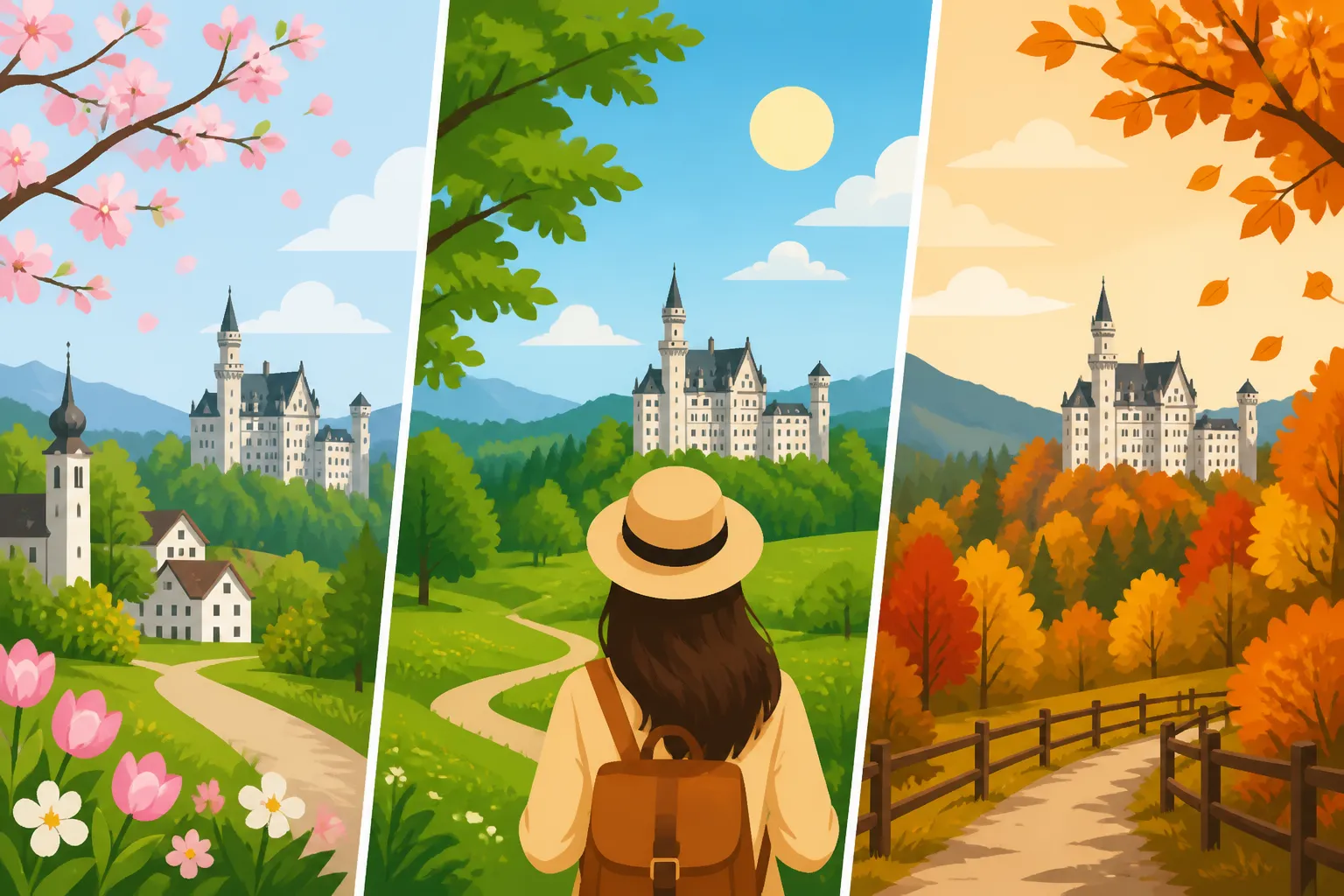
Secondly, you’re often blessed with better weather than the extremes of winter or the sometimes sweltering heat of mid-summer. May and June offer a vibrant, blossoming landscape with increasingly warm days, perfect for leisurely walks or enjoying a Biergarten. September brings a crisp, golden charm, ideal for hiking through autumn forests or exploring quaint towns under a pleasant sun. This milder climate means you can pack a bit lighter and be more flexible with your daily plans without worrying about extreme conditions. Moreover, the value for money often improves dramatically. While not always rock-bottom prices, you’ll typically find more competitive rates for hotels and tours compared to peak season, and better selection overall. This means your budget stretches further, leaving you more to spend on delicious German food, charming souvenirs, or even a few extra Day Trips and Weekend Getaways Across Germany. When you start your search on Booking.com, you can instantly see how prices fluctuate, helping you pinpoint those perfect dates for maximum savings and comfort.
May in Germany: Spring Awakening and Early Warmth
Ah, May in Germany! It’s a month that holds a special place in my heart, often feeling like the country is just waking up from its long winter slumber and stretching out into glorious sunshine. If you're someone who appreciates vibrant landscapes, pleasant temperatures, and a sense of new beginnings, May is truly a contender for the best time to visit.
Weather and Landscape in May
When May arrives, Germany truly sheds its winter coat and bursts into life. The days grow considerably longer, offering ample daylight for sightseeing, and the temperatures become wonderfully mild. You can expect averages ranging from 10-15°C (50-59°F), but it's not uncommon to experience glorious sunny days climbing into the low 20s (70s°F). The air is crisp and fresh, and the landscape is an absolute riot of color. Fields are a lush green, trees are adorned with fresh leaves, and wildflowers carpet meadows. Cherry blossoms, tulips, and daffodils are in full bloom, particularly stunning in parks and gardens across major cities and smaller towns alike.
However, a word to the wise: May is also known for its "April showers" continuing into May, sometimes affectionately called "Eisheiligen" (Ice Saints), which can bring sudden downpours or even a chilly snap. So, while you'll likely enjoy plenty of sunshine, it’s always smart to pack layers, including a light jacket and a compact umbrella, especially if you plan to be out exploring medieval castles or enjoying the scenic beauty of the Rhine Valley: Castles, Wine, and River Towns. Don't let a bit of rain deter you, though; Germany's charm persists even under cloudy skies, and many attractions are just as enjoyable indoors.
Events, Festivals, and Crowds
May in Germany is dotted with a few significant public holidays that can influence your travel plans. Labour Day (May 1st) often kicks off the month, sometimes leading to a long weekend with many shops closed. Later in the month, Ascension Day (Christi Himmelfahrt) and Pentecost (Pfingsten) also create extended weekends, which are popular times for Germans to travel domestically. This means transport and popular local spots can be busier during these specific weekends, so planning ahead is key if your trip overlaps.
Beyond the holidays, May is also famous for "Spargelzeit" – asparagus season! Germans are absolutely obsessed with white asparagus, and you’ll find it celebrated with special menus in restaurants everywhere. It's a culinary experience not to be missed! You'll also encounter various spring festivals (Frühlingsfeste) in cities like Stuttgart and Munich, which are smaller, more local versions of Oktoberfest, offering funfairs and beer tents. While these events draw locals, the overall tourist crowds are still considerably lighter than in high summer. Popular spots in Germany's Great Cities: Berlin, Munich, Hamburg, and Beyond might see a steady stream of visitors, but generally, you'll find queues manageable and streets less packed, making for a much more enjoyable pace of travel.
Accommodation and Pricing Sweet Spots
One of May's distinct advantages is the balance it strikes between pleasant conditions and often more favorable pricing for accommodation. Early May, particularly before the big public holiday weekends, can offer some excellent deals as the country transitions from spring to early summer. You're still ahead of the major summer travel rush, which typically kicks off in earnest in July. This makes it a prime time to snag a comfortable room in a great location without breaking the bank.
As the month progresses and into the long weekends, prices might tick up slightly in very popular tourist hubs, but they generally remain below peak summer rates. This is precisely where a platform like Booking.com becomes invaluable. You can easily compare hotels, apartments, and guesthouses across different price points and locations. Using their flexible date search, you might even discover that shifting your arrival by a day or two can unlock significantly better value. For example, staying mid-week might be considerably cheaper than arriving on a Friday, and Booking.com’s interface clearly highlights these differences, helping you pinpoint those sweet spots for your stay.
June in Germany: The Edge of Summer
Stepping into June feels like Germany taking a deep breath and fully embracing the warmth and vibrancy of summer. While technically still shoulder season, June often flirts with peak season vibes, especially towards the latter half of the month. It's a fantastic time if you crave longer days, outdoor activities, and a lively atmosphere, but it definitely warrants a slightly different planning approach than May.
Weather and Daylight Hours
June truly ushers in proper summer weather across much of Germany. You can expect reliably warmer temperatures, with averages hovering around 15-20°C (59-68°F), and often climbing well into the mid-20s (70s°F) or even higher on sunny days. The air feels lighter, and there's a distinct shift in the atmosphere – everything feels brighter and more active. What truly sets June apart, however, are the wonderfully long daylight hours. As the summer solstice approaches, you'll enjoy extended evenings perfect for outdoor dining, leisurely strolls, or simply soaking up the ambiance. The sun often doesn't set until 9:30 PM or even later in some regions, maximizing your sightseeing opportunities.
While generally sunny and pleasant, June can also bring summer thunderstorms, which tend to be intense but brief. These are usually a welcome relief after a warm day, clearing the air and making way for beautiful sunsets. These conditions are perfect for exploring German cities on foot, enjoying a boat trip on one of the many lakes, or cycling through scenic routes. Packing options that allow for both warmth and sudden rain, such as light layers and a waterproof outer shell, will ensure you're comfortable whatever the German summer throws at you.
Festivals, Events, and Summer Buzz
June is when Germany really starts to come alive with open-air events and a palpable sense of summer joy. Biergärten are in full swing, bustling with locals and tourists alike enjoying a cool drink under the trees. Cities often host various music festivals, street fairs, and cultural events as the weather encourages everyone outdoors. You might stumble upon a charming local wine festival along the Moselle or Rhine, or catch an open-air concert in a city park. Check local listings for the specific regions you plan to visit to see what hidden gems might be happening.
While not yet the absolute peak of the German holiday season, school holidays in some German states and neighboring countries begin towards the end of June. This means that popular destinations, especially family-friendly ones or famous tourist attractions, will start to see an uptick in visitors. Cities like Munich for First-Time Visitors: What to See or Berlin will have a noticeable buzz, with more people out and about, and queues at major museums and landmarks becoming a bit longer than in May. It's a lively time, but it means you'll want to be a bit more strategic with your planning, especially when it comes to booking tours or timed entries.
Booking Strategies for June
Given that June sits on the cusp of Germany's peak summer season, your booking strategy needs to be a bit more proactive compared to May. While you might still find some good value at the very beginning of the month, prices tend to climb steadily, particularly for desirable accommodations in sought-after locations. Popular city-center hotels, guesthouses in charming small towns, and anything near major attractions will start filling up.
This is where Booking.com becomes an indispensable tool. It’s highly advisable to book your accommodation further in advance for June. The platform allows you to lock in rates early, often with flexible cancellation policies, giving you peace of mind. Use Booking.com’s extensive filtering options to refine your search – perhaps you need air conditioning (a blessing on warmer June days!), a specific location near public transport (like for Getting Around German Cities: U-Bahn, S-Bahn, Trams, and Buses), or particular amenities. Reading recent guest reviews is also crucial for June, as it can give you a real sense of what to expect, from noise levels to the quality of service, helping you choose wisely even as demand increases. Don't wait until the last minute if you have specific preferences!
September in Germany: Golden Autumn Charm
After the bustling heat of August, September arrives in Germany like a collective sigh of relief and a welcome return to a more comfortable rhythm. It’s a truly magnificent month, often considered by many expats and seasoned travelers to be the absolute pinnacle of Germany’s shoulder season. However, there’s a rather large, beer-fueled elephant in the room that needs addressing: Oktoberfest. This one event can drastically alter the landscape for September travel, so let’s break it down.
Weather and Fall Foliage
September offers some of the most delightful weather you’ll encounter in Germany. The intense summer heat has usually receded, leaving behind crisp, clear air and comfortably warm days, typically ranging from 12-18°C (54-64°F). Evenings become noticeably cooler, a gentle reminder that autumn is on its way, but rarely unpleasantly cold. This is perfect weather for all sorts of outdoor activities – think long walks in city parks, leisurely hikes through forests, or exploring historical sites without breaking a sweat.
As the month progresses, especially towards the latter half, the landscape begins its spectacular transformation into fall foliage. The vineyards along the Rhine and Moselle valleys burst into a riot of gold, orange, and crimson, creating breathtaking vistas. Parks, tree-lined avenues, and forests become incredibly picturesque, making it an ideal time for scenic drives or taking advantage of Germany's excellent network of hiking trails. The lower sun angle creates a beautiful, soft light perfect for photography. A light jacket and perhaps a scarf for the evenings are wise additions to your packing list, ensuring you're comfortable from morning till night.
Harvest Festivals, Wine, and Oktoberfest
September is synonymous with harvest festivals across Germany, particularly in the country's renowned wine regions. The Rhineland-Palatinate, Baden-Württemberg, and other areas come alive with Weinlesefeste (wine harvest festivals), where you can sample local wines, enjoy regional delicacies, and soak in the cheerful atmosphere. These are wonderful opportunities to experience Beer, Wine, and German Drinking Culture in a more authentic, less tourist-heavy setting compared to the beer festivals.
However, the undeniable elephant in the room for September travel, especially if you plan to visit Bavaria, is Oktoberfest. Starting in mid-September and running into early October, this world-famous beer festival in Munich attracts millions of visitors, creating a massive ripple effect on travel across southern Germany. If you’re not going to Oktoberfest, you might want to consider avoiding Munich and its surrounding areas during this time due to exorbitant prices and scarcity of accommodation. If you are going, well, then you’re in for an unforgettable experience, but preparation is key. Regardless of your intention, remember that Oktoberfest in Munich: A First-Timer's Guide will give you all the details you need.
Finding Accommodation Amidst Oktoberfest Madness
Planning your September trip, particularly when considering Munich, hinges almost entirely on your Oktoberfest intentions. If you’re heading to the festival, there’s no way around it: accommodation prices in and around Munich will skyrocket, and availability will plummet. Hotels book up months, even a year, in advance. For this, Booking.com is your absolute best friend. Seriously, it's not an exaggeration. You'll want to start looking as early as possible – we're talking many months in advance – and be prepared for significantly higher rates.
If you plan to attend Oktoberfest, use Booking.com to filter by location, proximity to the festival grounds (Theresienwiese), and crucially, budget. Don't be afraid to look slightly outside the city center, as public transport in Munich is excellent and can get you to the festival easily. Consider nearby towns that have good train connections to Munich – but be aware that prices will still be elevated. For everyone else, if Oktoberfest isn't on your radar, September is a fantastic time to explore other parts of Germany. Cities like Berlin, Hamburg, Cologne, or regions like the Black Forest or the Harz Mountains will offer much more relaxed atmospheres and better value for money. Simply use Booking.com to search for your desired locations, keeping an eye on the dates to ensure you’re not inadvertently caught in the Oktoberfest overflow, and you'll find plenty of wonderful options at competitive rates.
Strategic Planning for Your Shoulder Season Trip
So, you're convinced that shoulder season is the way to go. Excellent choice! Now, let's talk strategy. Making the most of May, June, or September in Germany isn't just about picking the right month; it's about smart planning and leveraging the right tools to ensure a smooth, enjoyable, and value-packed experience.
Leveraging Booking.com for Optimal Stays
When it comes to securing the best accommodation during shoulder season, Booking.com is truly your comprehensive toolkit. It's not just about finding a room; it's about finding the right room, at the right price, with the right amenities for your specific travel style. Start by using their powerful search filters. Need a hotel with free breakfast? Prefer an apartment with a kitchen? Want to be within walking distance of public transport? Booking.com lets you narrow down options with ease. You can filter by price range, guest rating, specific amenities like Wi-Fi or parking, and even property type, from luxury hotels to cozy guesthouses and even unique stays.
One feature I always recommend checking is the "Free cancellation" option. This is especially useful for shoulder season, as you might book far in advance to lock in a good rate, but then your plans might shift. Knowing you can cancel without penalty gives you incredible flexibility. Keep an eye out for "Genius" discounts too; if you’re a frequent user, you can unlock additional savings, often including breakfast or room upgrades. The sheer volume of listings on Booking.com means you can easily compare options, read countless guest reviews for genuine insights, and often find deals that wouldn't be apparent on individual hotel websites. It truly streamlines the process of finding your perfect base for exploring Germany.
Balancing Activities with Seasonal Nuances
Each of the shoulder months offers unique opportunities that lend themselves to different kinds of activities, and understanding these nuances can help you craft a truly memorable itinerary.
May: This is the ideal time for exploring Germany’s natural beauty as it springs to life. Consider visiting charming small towns, going for leisurely walks or gentle hikes through blooming landscapes, or enjoying outdoor cafes in mild temperatures. It's also great for urban sightseeing before the summer crowds swell. Embrace the German Food Culture: Eating and Drinking as a Visitor by indulging in Spargelzeit specials.
June: With its longer, warmer days, June is fantastic for maximizing outdoor activities. Think boat tours on the Rhine, exploring city parks, cycling along river paths, and spending evenings in bustling Biergärten. Open-air museums and historical sites are particularly enjoyable in the pleasant weather. This is also a good month to dive into Festivals, Holidays, and Traditions in Germany as many regional summer events kick off.
September: This month is perfect for scenic drives, more vigorous hiking through changing autumn forests, and visiting wine regions for harvest festivals. It’s also an excellent time for cultural tours and museum visits, as the weather is cool and comfortable for indoor activities. If you're heading to Munich, be aware of Oktoberfest and plan accordingly, but otherwise, enjoy the golden light and crisp air elsewhere.
When packing, remember layers are your friend. For May and September, a light jacket or trench coat, sweaters, and comfortable walking shoes are essential. June might call for lighter clothing, but a cardigan for cooler evenings is still a good idea. Always include a compact umbrella, regardless of the month!
Budgeting and Saving Tips
Choosing the shoulder season already puts you in a good position to save money compared to peak summer. Here are a few more tips to stretch your travel budget further:
- Book Accommodation Early: This is especially true for June and September, as demand starts to rise. Booking.com allows you to secure better rates by planning ahead.
- Be Flexible with Dates: If possible, try to travel mid-week or avoid major German holiday weekends (like Ascension Day or Pentecost in May). Even shifting your trip by a day or two can sometimes lead to significant savings on accommodation. Booking.com’s flexible date view can often highlight these price differences.
- Utilize Public Transport: Germany has an excellent public transport system. Consider purchasing a regional day ticket or a multi-day pass for cities, which can be more cost-effective than constant single tickets or taxis. For longer distances, explore Getting Around Germany: Trains, Buses, Flights, and Car Hire and look for saver fares on Deutsche Bahn well in advance.
- Eat Smart: While trying local restaurants is part of the experience, balancing that with picnics from supermarkets, grabbing a quick Imbiss (snack stand) lunch, or making use of a kitchenette if your Booking.com accommodation offers one can save a lot. Don't forget to try regional specialties; they are often delicious and more affordable than tourist traps.
- Free Activities: Germany offers a wealth of free attractions, from exploring charming old towns to hiking in beautiful national parks or simply enjoying a leisurely walk along a river. Many museums also have free entry days or times.
- Consider a Rental Car: If you plan on exploring more rural areas or want maximum flexibility, especially for a road trip through a region like the Black Forest: Villages, Trails, and Cuckoo Clocks, consider Renting a Car and Driving on the Autobahn. Car rental rates are often more favorable in shoulder season than in peak summer. Again, Booking.com sometimes offers car rental comparisons as well.
| Factor | May | June | September |
|---|---|---|---|
| Weather | Mild, fresh, blossoms everywhere, some rain (Eisheiligen). | Warm, long days, good sun, occasional thunderstorms. | Crisp, pleasant, golden light, start of autumn foliage. |
| Crowds | Lighter, except for public holiday weekends. | Increasing, especially late June, but not peak summer levels. | Generally moderate, but very high in Munich during Oktoberfest. |
| Key Events | Spargelzeit (asparagus), Spring Festivals, Labour Day, Ascension Day, Pentecost. | Open-air events, early summer festivals, longer Biergarten evenings. | Wine festivals, harvest festivals, Oktoberfest (Munich). |
| Accommodation | Good value, especially early May. | Prices rise, book ahead for popular spots. | Good value outside Munich; very expensive in Munich. |
| Best For | Nature lovers, city explorers, budget-conscious travelers. | Outdoor activities, lively city buzz, long daylight hours. | Hiking, scenic beauty, cultural festivals (non-Oktoberfest). |
In conclusion, choosing May, June, or September for your German adventure is a shrewd move that allows you to experience the country at its best, often with fewer crowds and better value. Each month offers its own unique flavor, from the blossoming beauty of spring to the golden hues of autumn. And with a powerful booking tool like Booking.com by your side, securing the perfect place to stay becomes a seamless part of crafting your ideal shoulder season getaway. So, go ahead, start planning – Germany is waiting!
Disclaimer
This article is for general informational purposes only and does not constitute professional advice. Laws, prices and regulations vary by location and change over time. Consult a qualified professional for guidance on your specific situation.