Wise vs Currency Brokers for Large Transfers to Germany: When a Broker Wins
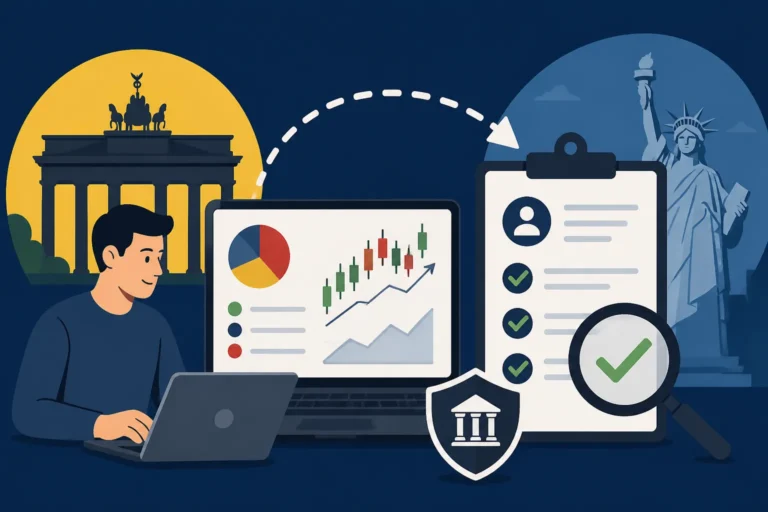
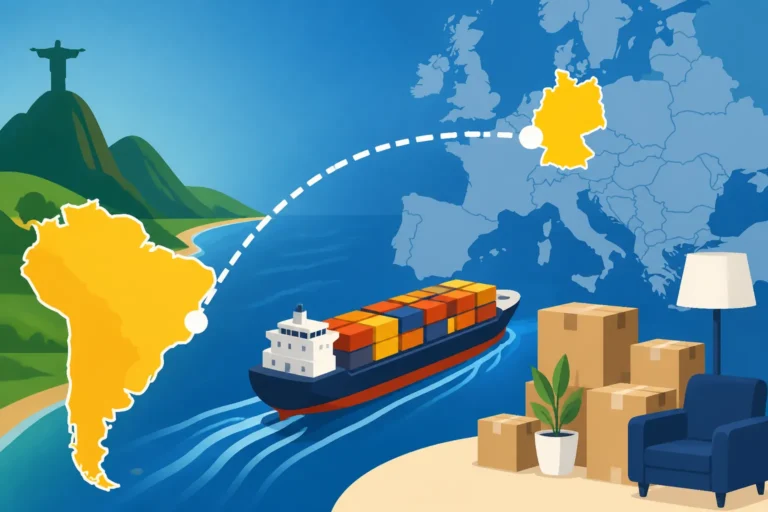
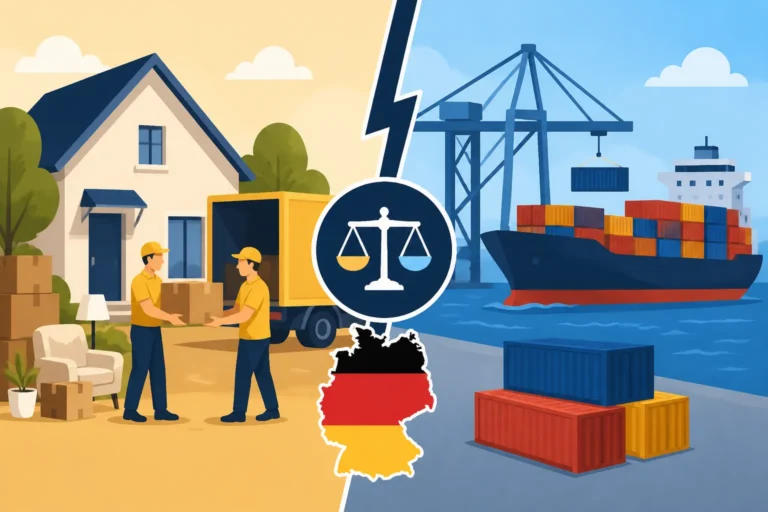
Moving a substantial amount of money across borders is one of those expat tasks that can feel like trying to navigate a bureaucratic labyrinth blindfolded. You've worked hard, saved diligently, or perhaps you're finally purchasing that dream property or covering a big university fee in Germany. But then comes the dread: how do you get your hard-earned cash from your home country to your German bank account without losing a small fortune in fees and terrible exchange rates? This guide is going to cut through the jargon and the fear, comparing a modern favorite, Wise, with traditional currency brokers, so you can make the smartest, most cost-effective decision for your large transfers to Germany.
Disclosure: This post may contain affiliate links. We may earn a commission at no extra cost to you if you make a purchase through these links. Read full disclosure.
The Expat's Dilemma: Sending Large Sums to Germany
Living in Germany, you quickly learn that while efficiency is a German hallmark, banking and international transfers can sometimes feel like they missed the memo. When you're dealing with anything more than a few hundred euros, the stakes get higher, the potential losses increase, and the options become bewildering. It’s not just about the money leaving your account; it’s about how much actually arrives in your German account.
Why Large Transfers Are Different
Sending a large sum of money, let's say €10,000 or more, isn't quite the same as sending a small weekly allowance. With smaller amounts, the fixed fees of traditional banks or even some online services can eat up a significant percentage of your transfer. For larger sums, these fixed fees become less impactful percentage-wise, but exchange rate margins become the absolute killer. A seemingly small percentage difference in the exchange rate can translate into hundreds, or even thousands, of euros lost without you even realizing it. Banks often offer what they call a "competitive" rate, but competitive for whom? Usually, it's competitive for them, not for you.
Moreover, the regulatory scrutiny for large transfers tends to be higher. Banks and financial institutions have obligations to report large transactions to prevent money laundering, which means more paperwork and potentially longer processing times. For an expat already juggling so much, this added layer of complexity can be incredibly frustrating. You want your money to arrive safely and swiftly, not get held up in compliance checks that could have been foreseen or handled more efficiently.
Common Pitfalls for Expats
As an expat, you're particularly vulnerable to certain pitfalls when making large transfers. First off, there's the language barrier. Trying to decipher complex banking terms in German, especially when you're discussing significant financial transactions, can lead to misunderstandings and costly errors. Many traditional German banks, while reliable, aren't always set up for seamless English-language support when it comes to intricate international transfer queries. You might find yourself stuck between an unhelpful call center and an even more unhelpful online form.
Another trap is blindly trusting your primary bank. It's convenient, yes, but rarely the cheapest option. Your bank, whether it's your home country bank or your German bank like a Sparkasse or Deutsche Bank, makes a substantial profit from foreign exchange. They often bury their fees within the exchange rate, making it look like a "zero-fee" transfer when in reality, you're paying a hefty premium disguised as a slightly less favorable rate. You might also be hit with correspondent bank fees – those mysterious charges that pop up as your money travels through different institutions before landing in your account. For example, if you're looking into something like Opening a Bank Account in Germany: Step-by-Step for Newcomers, you'll quickly realize that not all accounts are created equal when it comes to international transfers.
Finally, there's the lack of transparency. Many traditional services are opaque about the real exchange rate they're using and exactly how much they're skimming off the top. You input your amount, see a figure, and hope for the best. This lack of clear visibility can leave you feeling powerless and wondering if you've been taken for a ride.
Wise: The Expat's Go-To for Transparency and Ease
Let's talk about Wise, formerly known as TransferWise. When you're moving to a new country like Germany, you quickly learn the value of services that actually get expat problems. Wise was literally built out of this frustration – its founders, expats themselves, were tired of getting ripped off by banks. It’s why so many of us expats swear by it.
How Wise (formerly TransferWise) Works for Large Amounts
Wise operates on a clever model that completely bypasses the traditional international SWIFT network, which is where many of those sneaky correspondent bank fees come from. Instead, Wise uses a system of local bank accounts. When you send money from, say, the US to Germany, you transfer your USD to Wise's local USD account. Then, Wise sends the equivalent EUR from its local EUR account in Germany to your German recipient. The money never truly crosses borders in the traditional sense, which is why it's faster and cheaper.
For large amounts, this model is incredibly powerful. Wise commits to using the mid-market exchange rate – the real rate you see on Google or Reuters – and charges a small, upfront, and completely transparent fee. This fee is a percentage of your transfer amount, but it’s always clearly displayed before you commit. You know exactly what exchange rate you're getting and precisely how much it's going to cost you. There are no hidden charges, no nasty surprises, and no vague "competitive" rates. This transparency is a breath of fresh air, especially when you're dealing with significant funds like a property deposit or substantial savings.
Wise also offers higher transfer limits than many might assume. While individual limits can vary based on currency and region, they are generally very high. For instance, you can typically send up to 1 million GBP, 1 million EUR, or 1 million USD (or equivalent) in a single transfer. For sums even larger than this, you can often arrange multiple transfers or contact their support team. This makes Wise a perfectly viable option for substantial financial movements, whether you're sending money for Housing Costs in Germany: Rent, Utilities, and Hidden Expenses or for a significant investment.
The Benefits of Using Wise for Expats in Germany
The benefits for expats are really where Wise shines as a hero. First, that unparalleled transparency. When you're sending a large amount, knowing exactly how much will arrive, down to the last cent, provides immense peace of mind. You don't have to guess or calculate complicated formulas. You see the total, you approve, and it arrives. This is especially crucial when timing and exact amounts matter, for instance, when making a down payment on a house or paying a university tuition fee.
Secondly, the cost savings are substantial. Because Wise uses the mid-market rate and only charges a small, visible fee, you consistently save money compared to traditional banks and even many brokers who bake in a higher margin on the exchange rate. For a transfer of €20,000, that percentage difference can easily mean hundreds of euros staying in your pocket rather than lining the bank's. Imagine what you could do with that extra cash in Germany – perhaps a nice weekend trip, or put it towards Investing and Saving in Germany: Building Wealth as an Expat.
Third, speed. Wise transfers are often significantly faster than traditional bank transfers. While "large" transfers can sometimes take a little longer due to compliance checks (which Wise handles efficiently in the background), many transfers arrive within 1-2 business days, sometimes even on the same day. This speed is invaluable when you're on a tight deadline for a payment.
Finally, ease of use. The Wise platform is incredibly user-friendly, whether you're on their website or mobile app. The process is intuitive, and their customer support is generally excellent, often with multi-language options. You can easily track your transfer every step of the way, getting updates via email or directly through the app. This simple, reliable experience is exactly what you need when you're dealing with the stress of moving or living abroad.
Understanding Traditional Currency Brokers for Significant Funds
While Wise has captured the hearts of many expats with its transparent model, traditional currency brokers have been around for a while, particularly targeting businesses and individuals making truly massive international payments. They've built their reputation on specialized services, but it’s crucial to understand how they stack up for expats with significant funds.
How Currency Brokers Operate
Currency brokers operate by buying and selling foreign currency in bulk, allowing them to offer exchange rates that are often better than those offered by retail banks. Unlike banks, their core business is foreign exchange, so they tend to be more agile and less burdened by the legacy systems and extensive overhead that big banks have. They typically make their money by adding a small margin to the interbank exchange rate (the rate at which banks trade with each other), or through fixed fees, or a combination of both.
Many brokers offer personalized service, assigning you an account manager who can walk you through the process and discuss your specific needs. This can be appealing if you're new to large international transfers and appreciate a human touch. They often provide various tools and strategies, like "spot contracts" (exchanging currency at the current rate) or "forward contracts" (locking in an exchange rate for a future date, which can be useful for hedging against currency fluctuations). For an expat thinking about buying property in Germany, understanding options like Getting a Mortgage in Germany as a Foreigner and managing a large down payment could involve these types of considerations.
However, it's important to remember that not all currency brokers are created equal. Some focus on corporate clients, while others cater more to individuals. Their fee structures can also vary significantly, so a thorough comparison is always necessary. They're primarily financial service providers, so while they may offer better rates than your high street bank, their business model still relies on a margin, which might not always be as low as the pure mid-market rate offered by Wise.
When a Broker Might Seem Attractive for Large Transfers
A currency broker can sometimes appear attractive for certain large transfer scenarios, particularly if you value a highly personalized service or need complex hedging strategies. If you're planning to make a transfer of, say, €100,000 or more, and the timing of that transfer is critical due to market volatility, a broker might offer forward contracts. This allows you to lock in a specific exchange rate today for a transfer that will occur weeks or months in the future, providing certainty against currency fluctuations. This can be a useful tool if you're making a multi-stage property purchase or have a future financial obligation that requires a guaranteed amount in EUR.
Furthermore, some individuals making exceptionally large, one-off transfers might feel more comfortable speaking directly with a dedicated account manager who can guide them through every step, answer specific questions about compliance, and provide reassurance. While Wise has excellent digital tools, some people prefer the direct human interaction for such significant financial decisions. If you're navigating complex financial landscapes, such as managing assets or understanding specific tax implications related to Money Matters in Germany: Complete Financial Guide for Expats, the personal touch might be valued.
However, it's crucial not to confuse "personalized" with "cheapest." While a broker's exchange rate might be better than a traditional bank's, it's very unlikely to beat Wise's mid-market rate combined with its transparent, low fee. The convenience and specialized tools offered by brokers come at a cost, usually built into their exchange rate margin or additional fees.
The Hidden Truth: Comparing Costs Beyond the Exchange Rate
When you're dealing with large sums, every fraction of a percentage point matters. It's easy to get caught up looking only at the advertised exchange rate, but that's a rookie mistake many expats make. The real cost lies in the spread and the fees.
Exchange Rate Margins and Hidden Fees
This is the big one, folks. Traditional banks, and often currency brokers, don't give you the "real" mid-market exchange rate. They give you a rate that's slightly worse than the interbank rate – the one you see on Google. That difference, that small percentage, is their profit margin. For a small transfer, it might be a few euros. For a large transfer of €50,000, a 1% margin means €500 gone before you even factor in explicit fees. That’s why you always need to calculate the total amount received at the destination, not just the exchange rate.
Let's do a quick hypothetical. You want to send 50,000 USD to Germany.
- Your bank offers you a rate of 0.90 EUR for 1 USD, and says "no fees!" So you expect to receive 45,000 EUR. But the mid-market rate is actually 0.92 EUR for 1 USD. Your bank has baked in a 2.2% margin. You've lost €1,000.
- A currency broker might offer you a rate of 0.915 EUR for 1 USD, with a small upfront fee of 50 EUR. You'd receive 45,750 EUR minus €50 = €45,700. Better than the bank, but still a margin.
- Wise offers you the mid-market rate of 0.92 EUR for 1 USD, and a transparent fee, let's say, 0.5% for large transfers (this varies slightly by currency pair). So, you get 46,000 EUR, minus 0.5% of the original USD amount (approx. 250 USD, or 230 EUR). You receive around €45,770.
As you can see, even small percentage differences add up. Wise, by using the mid-market rate and clearly separating its fee, allows you to instantly see this difference. This approach of ultimate transparency is a major reason why Wise consistently comes out on top for most large transfers for expats. When you're trying to figure out your budget for Cost of Living in Germany: Budgeting Guide for Expats, every euro saved on transfers is a euro you can use for your actual life in Germany.
Beyond the rate margin, be vigilant about other "hidden" fees:
- SWIFT/Intermediary Bank Fees: Your bank might use the SWIFT network, which means your money could pass through several banks before reaching Germany. Each intermediary bank can take a slice, leading to a smaller amount arriving than you expected. Wise avoids this entirely with its local bank account network.
- Receiving Bank Fees: While less common for EUR transfers within Europe, some banks might charge a fee to receive an international transfer, especially if it comes via the SWIFT network or from certain jurisdictions. It's worth checking with your German bank, especially if you're using a smaller or less expat-friendly institution.
Speed, Convenience, and Customer Support
Beyond cost, these factors are vital, especially when you're moving large sums. Imagine being on a deadline for a house deposit and your money is stuck in limbo!
Speed:
- Traditional Banks: Can be notoriously slow. International transfers can take 3-5 business days, sometimes longer if there are intermediary banks or compliance checks.
- Currency Brokers: Often faster than banks, typically 1-3 business days. Some can offer same-day for certain currencies if transferred early.
- Wise: Often the fastest for many currency corridors, with transfers sometimes completing in hours, though large transfers might take 1-2 business days due to necessary security and compliance checks. You always get an estimated delivery time upfront.
Convenience:
- Traditional Banks: Often require in-person visits or cumbersome online banking interfaces. Filling out complex forms for large international transfers can be a pain.
- Currency Brokers: Generally good online platforms, but some might still require more paperwork or phone calls for initial setup or very large transfers. The "personalized" service can be convenient for some but less so for others who prefer a fully digital, self-service experience.
- Wise: Designed for digital convenience. The entire process, from setting up an account to initiating and tracking a transfer, is done online or via their intuitive app. This is a massive plus for busy expats.
Customer Support:
- Traditional Banks: Varies wildly. Some have dedicated international transfer desks, others route you through generic call centers where staff might not be familiar with expat-specific issues.
- Currency Brokers: Often pride themselves on dedicated account managers, offering a more personal touch. This can be great for complex queries, but response times might not always be instant.
- Wise: Excellent online help center and email/chat support. While not always a dedicated person, their support team is generally responsive and knowledgeable about international transfers, and they handle a huge volume of expat-related queries daily. For many, the self-service model is so good that they rarely need support.
In summary, for most expats sending large sums to Germany, Wise consistently outperforms others in terms of transparency, lower costs due to the real exchange rate, and overall convenience.
Here’s a simplified comparison:
| Feature | Wise | Traditional Currency Brokers | Traditional Banks (e.g., Sparkasse) |
|---|---|---|---|
| Exchange Rate | Mid-market (real) rate | Small margin over interbank rate | Significant margin over interbank rate |
| Fees | Low, transparent, upfront percentage fee | Variable; can be a small fee or built into margin | Often hidden in exchange rate, plus potential SWIFT fees |
| Transparency | Fully transparent: shows rate, fee, and amount received | Generally transparent about fees, but not always rate margin | Often opaque, difficult to see true cost |
| Speed | Often within hours to 1-2 business days | 1-3 business days | 3-5+ business days |
| Convenience | Fully online/app, user-friendly | Online/phone, some paperwork for larger sums | Can be cumbersome, often requires in-person or complex online forms |
| Customer Service | Responsive online/chat support, extensive FAQs | Dedicated account managers for personalized service | Varies, often generic call centers |
| Ideal for | Most large expat transfers (savings, property, tuition) | Very large, complex, or hedged business/personal transfers | Small, occasional domestic transfers |
Scenarios: When Wise is Your Champion, and When a Broker Might Have a Niche
Deciding where to send your hard-earned money isn't just about the numbers; it's about your specific needs, your comfort level, and the nature of the transfer. For the vast majority of expats in Germany, Wise is the undeniable champion. But let's be realistic, there are always very specific, niche situations where other services might have a place.
Everyday Large Transfers: Savings, Property Deposits, Education Fees (Wise as hero)
Let's imagine you've been working abroad for years, diligently saving, and now you're finally bringing your accumulated funds to Germany. Or perhaps you've found the perfect apartment and need to transfer a substantial down payment. Maybe your child is studying at a German university and you need to cover their tuition and living expenses for the semester. These are the classic "everyday large transfers" that expats deal with all the time.
In these scenarios, Wise is your absolute best friend.
- Bringing over your life savings: You've got €30,000, €50,000, even €100,000+ that you want to move from your home country to your German bank account. With Wise, you get the real exchange rate and a low, upfront fee. This means more of your money actually lands in your account. You can track it every step of the way, giving you immense peace of mind. This is critical when you're thinking about financial security in a new country. After all, you've gone through the effort of Understanding Your German Payslip: Gross vs Net Salary Explained, why lose a chunk of your savings to hidden fees?
- Property deposits and purchases: Germany's housing market can be competitive. When you need to make a fast, secure, and cost-effective transfer for a property deposit (Kaution) or even the purchase price, Wise delivers. You often have strict deadlines for these payments, and the speed and reliability of Wise are invaluable. A few hundred euros saved on a transfer for a down payment is money you can use for renovations or furnishing your new German home. This is essential, especially when you're looking at something like Housing in Germany: Renting, Buying, and Finding Your Home as an Expat.
- University tuition and living expenses: For international students, or parents sending money to their student children, Wise offers a fantastic solution. Education costs can be significant, and every saving helps. Wise ensures that the maximum amount reaches the university or the student, without unnecessary deductions. Plus, the ease of setting up recurring payments or one-off large transfers means less administrative hassle for busy students and parents.
In these situations, the transparency, cost-effectiveness, and user-friendly interface of Wise make it the clear champion. It's built for these exact scenarios, removing the stress and financial drain often associated with international transfers.
Niche Situations: Extremely Large, Complex, or Hedged Transfers
Okay, so when might a currency broker potentially have a niche? These are very specific circumstances that don't apply to the vast majority of expats.
- "Extremely" large, institutional-level transfers: We're talking about sums that might make even Wise raise an eyebrow – multi-million euro transfers for corporate acquisitions, significant investment funds for a large business setup, or very specific, high-value asset movements that require bespoke legal and financial consultancy. In these rare cases, the dedicated, white-glove service of a high-end currency broker, integrated with legal and accounting advice, might be preferred. However, for most personal "large" transfers (even up to a few hundred thousand euros), Wise remains fully capable and often more cost-effective.
- Complex hedging strategies: If you are a high-net-worth individual or a business involved in continuous international trade, and you need to actively manage currency risk over long periods (e.g., locking in exchange rates for a year for multiple transactions), a currency broker might offer more sophisticated hedging products like forward contracts, options, or limit orders that are more granular than what Wise provides as standard. This is less about moving money now and more about mitigating future risk against specific market movements. This is a very specialized financial product, usually for sophisticated investors or businesses, not the average expat moving personal funds.
- Transfers involving exotic currencies or unusual corridors: While Wise supports a huge range of currencies and corridors, there might be very rare instances of exotic currencies or extremely obscure country pairs where a specialized broker might have better access or more experience. However, for transfers to Germany, from major global currencies like USD, GBP, AUD, CAD, INR, etc., Wise is almost always a superior choice.
Even in these niche cases, it's crucial to stress that you should always do your due diligence. Get quotes from multiple brokers and always compare the final amount received against what Wise offers. Do not be swayed by a "zero-fee" promise if the exchange rate is poor. For 99% of expats, the need for these highly specialized broker services is simply not there, and Wise will provide a cheaper, faster, and more transparent solution for almost all "large" transfers.
Making Your Decision: A Pragmatic Approach for Expats
Navigating international finance as an expat in Germany is already a challenge. Don't let large money transfers add to the stress. Your decision should be rooted in practicality, cost-effectiveness, and peace of mind.
Factors to Consider for Your Transfer
When you're faced with a significant transfer, take a moment to consider these crucial points:
- Total Cost, Not Just the Exchange Rate: This cannot be emphasized enough. Always, always, always compare the total amount that will arrive in your German bank account. Ask for a final figure in EUR from every service you consider. This is where Wise usually pulls ahead because their fees are transparent and their exchange rate is the real one. Don't fall for "zero fees" if the exchange rate is terrible. You're better off paying a small, clear fee on a good rate than getting a "free" transfer with a disguised, high margin.
- Speed and Reliability: If you have a deadline – for a rent deposit, a property purchase, or a university payment – speed is critical. Check the estimated delivery times and read reviews about reliability. Delays can have real consequences. Wise provides clear delivery estimates right at the outset, and their system is designed for efficiency. For example, when you're setting up regular payments for things like How to Pay Rent and Bills in Germany: Banking Tips for Expats, reliability is paramount.
- Transparency: Do you know exactly how much you're paying and what exchange rate you're getting? If not, walk away. Hidden fees and vague rates are red flags. Wise has built its entire brand on transparency, which is a huge advantage for expats who already face enough financial unknowns.
- Ease of Use: Is the platform easy to navigate? Can you initiate and track your transfer simply from your phone or computer? Complicated processes add unnecessary stress. For the average expat who already battles German bureaucracy, a user-friendly service like Wise is a godsend.
- Customer Support: In case something goes wrong, how easy is it to get help? Is there English-speaking support available? While you hope not to need it, knowing reliable assistance is there offers comfort.
For instance, when comparing services, it's not enough to see that a broker can save you money compared to your bank. You need to verify that those savings are truly superior to what you get from a service like Wise, which consistently offers the interbank rate.
How to Get Started with Your First Large Transfer
Okay, you’ve absorbed all this info, and you're ready to make that big transfer. Here’s a pragmatic approach:
- Do Your Research (Even More!): Get quotes from a few services. For major currencies to Germany, always start with Wise. Input your amount and see the exact EUR amount that will arrive. Then, check with a couple of reputable currency brokers, especially if your transfer is exceptionally large or involves complex timing. Don't forget to check with your existing bank, if only to confirm how much you're saving by not using them.
- Compare the Final Payout: This is your golden rule. Forget "fees" for a moment and just look at: "If I send X amount from my home currency, how much Y amount will actually arrive in my German account?" This is the only figure that truly matters.
- Set Up Your Account: With Wise, it's typically a straightforward online process. You'll need to verify your identity, which is standard procedure for any financial service handling large sums. This usually involves uploading ID documents and possibly a proof of address. This is a one-time setup that makes future transfers a breeze.
- Initiate the Transfer: Follow the steps on your chosen platform. With Wise, you'll enter the amount, select your recipient's German bank details (IBAN and BIC are essential for Understanding the German Banking System: IBAN, SEPA, and More), and then pay for your transfer using your preferred method (bank transfer, debit card, etc.).
- Track and Confirm: Keep an eye on your transfer's progress. Wise provides excellent tracking. Once the money arrives in your German bank account, confirm the exact amount.
For the vast majority of expats making large transfers to Germany – whether it's for moving savings, paying a property deposit, or covering significant expenses – Wise stands out as the most transparent, cost-effective, and user-friendly solution. It truly champions the expat's need for simplicity and honesty in international finance.
Disclaimer
This article is for general informational purposes only and does not constitute professional advice. Laws, prices and regulations vary by location and change over time. Consult a qualified professional for guidance on your specific situation.