Insurance Reimbursement: How to Claim Money Back (for Private Insurance)
Navigating the German private health insurance reimbursement process can feel daunting for expats. This guide breaks down the pay-and-claim model, explains how to submit invoices digitally, and offers tips to get your money back quickly and without unnecessary stress.
Disclosure: This post may contain affiliate links. We may earn a commission at no extra cost to you if you make a purchase through these links. Read full disclosure.
The Private Health Insurance Billing Process
How the Pay and Claim Model Works
In Germany, if you are enrolled in private health insurance (Private Krankenversicherung, or PKV), you operate under the Kostenerstattungsprinzip, which translates to the cost reimbursement principle. This is a fundamental shift for many expats who might be used to the public system’s model, where the doctor bills the insurance directly. In the private system, the legal contract for any medical treatment is strictly between you (the patient) and the medical provider.
When you visit a doctor, dentist, or hospital as a private patient, you will receive an invoice directly addressed to you. You are considered a “self-payer” (Selbstzahler) at the point of service. Your responsibility is to pay the doctor, and then you forward the invoice to your health insurance company. The insurer evaluates the claim against your specific policy’s terms and conditions and subsequently transfers the covered amount back into your personal bank account.
This model offers a tremendous amount of freedom, as you are not bound by the tight budget constraints that doctors face when treating publicly insured patients. However, it also requires you to act as the financial middleman. Understanding this baseline is crucial for navigating your healthcare journey, a concept that is further explored in our comparison guide on Health Insurance in Germany: Understanding Public vs Private Coverage.
Decoding Your Medical Invoice
When your medical bill arrives in the mail, it can look incredibly intimidating. Every private medical invoice in Germany is meticulously structured according to the Gebührenordnung für Ärzte (GOÄ), which is the official, legally binding fee schedule for physicians. This document assigns a specific base point value and a euro amount to every conceivable medical procedure, from a simple consultation to an MRI scan.
The key to reading this invoice lies in the Steigerungssatz (multiplier). Because medical cases vary in complexity, doctors are allowed to multiply the base fee—usually by a standard factor of 2.3 for routine treatments. If the treatment was exceptionally difficult or time-consuming, they can increase this multiplier up to 3.5, though they must provide a written justification on the invoice. Your insurance company will look closely at these multipliers when processing your claim to ensure they comply with your policy limits.
Familiarizing yourself with the GOÄ and the accompanying ICD-10 diagnostic codes will save you significant headaches if a claim is ever disputed.
Timelines and Payment Deadlines
Every German medical invoice comes with a strict payment deadline, typically stated as Zahlungsziel. Usually, doctors give you between 14 to 30 days from the date of the invoice to transfer the funds to their bank account. It is highly advisable to submit your claim to your insurance company the very same day you receive the bill in the mail.
Because modern digital insurers process claims incredibly fast, you can often receive the reimbursement in your bank account before the doctor’s actual payment deadline expires. This means you can use the insurance company’s money to pay the doctor, rather than depleting your own cash reserves. If you wait too long to submit the claim, you will have to front the money yourself to avoid late fees (Mahngebühren) from the medical practice.
In cases of extremely high bills, such as a major surgery or a prolonged hospital stay, you can often arrange an Abtretungserklärung (declaration of assignment). This legal document allows the hospital to bill your private insurance company directly, completely bypassing your personal bank account. This is a critical safety net that ensures you are not financially overwhelmed during a health crisis.

Step by Step Guide to Submitting a Claim
Organizing Your Paperwork and Prescriptions
The golden rule of private insurance reimbursement is impeccable organization. To guarantee a smooth payout, you must keep every piece of paper associated with your medical visit. This includes the main doctor’s invoice (Arztrechnung), any separate laboratory bills if your blood was sent out for testing, and all prescription slips.
When a doctor prescribes medication, private patients receive a blue slip known as a Privatrezept. When you take this to the pharmacy, you must pay the full retail price of the drugs upfront. The pharmacist will stamp your blue slip and provide a detailed receipt. You must submit both the stamped prescription and the receipt together to your insurance company; submitting just the receipt is usually not enough and will result in a rejected claim. For more insights on how pharmacies process these slips, read Pharmacies in Germany (Apotheke): How to Get Medication and Advice.
Many expats find it helpful to maintain a dedicated physical folder or a digital cloud drive specifically for medical expenses. If you order non-prescription wellness products, specialized vitamins, or holistic supplements from international platforms like iHerb, keep those receipts separate, as they are generally not reimbursable under standard health insurance policies but might be relevant for your personal tax declarations.
Using Digital Apps and Portals for Claims
The days of photocopying invoices and mailing physical envelopes to your insurance company are largely a thing of the past. Today, the most efficient way to submit a claim is through your insurer’s dedicated smartphone application or digital web portal. Digital-first providers like Ottonova have built their entire business model around this seamless user experience, allowing expats to manage their healthcare entirely in English.
To submit a claim digitally, you simply open the app and use your smartphone’s camera to scan the documents. Most modern German medical invoices feature a QR code (often called an eAbrechnung code) printed in the corner. Scanning this QR code automatically imports all the billing data, diagnostic codes, and doctor’s banking details into the app, eliminating the need for manual data entry and drastically reducing the chance of human error.
Once submitted, you can track the status of your claim in real-time. Progressive brokers like Feather Insurance also provide intuitive dashboards where you can upload documents, and their English-speaking customer success teams will liaise with the insurance providers on your behalf. This digital revolution has transformed a notoriously bureaucratic chore into a task that takes less than two minutes.
Traditional Mail Submissions
While digital submission is the norm for modern providers, some older, traditional German private health insurance companies still rely heavily on postal mail, or they may require original documents for exceptionally large claims. If you are insured with a legacy provider, you may need to fill out a paper Leistungsantrag (claim form) and mail it to their processing center along with the original invoices and pharmacy receipts.
If you must submit claims via mail, never send your only copies without backing them up first. Always scan or photocopy every document for your own records. German postal services are generally reliable, but documents can occasionally get lost. Having a backup ensures you can resubmit the claim if necessary without having to beg your doctor’s office to issue duplicate invoices.
When mailing sensitive medical and financial documents, it is wise to use registered mail (Einschreiben). This provides you with a tracking number and legal proof of delivery, which can be crucial if a dispute arises regarding submission deadlines or missing paperwork. Though it costs a few extra euros, the peace of mind is well worth the investment.
What Can You Claim Back
Outpatient Services and Doctor Visits
The bulk of your insurance claims will likely stem from outpatient services (Ambulante Behandlung). This category covers your routine visits to a general practitioner, consultations with specialists like dermatologists or cardiologists, and standard diagnostic procedures such as blood tests, X-rays, and ultrasounds. As long as the treatment is medically necessary and performed by a licensed physician, your private insurance is obligated to cover it according to your tariff’s conditions.
One of the major perks of private insurance is direct access to specialists without needing a referral from a GP. If you twist your knee, you can book an appointment directly with an orthopedist and submit the invoice without any pushback from your insurer. If you are still trying to build your network of local doctors, reviewing our guide on Finding a Doctor (Hausarzt) in Germany: How to Choose and Register will help you establish these vital primary care connections.
It is important to note that elective aesthetic procedures, non-prescribed vitamin infusions, or “lifestyle” medical treatments are typically excluded from standard reimbursement. Your insurer will scrutinize the ICD-10 diagnostic code on the invoice to verify the medical necessity of the visit before approving the payout.
Prescription Medications and Pharmacy Costs
As a private patient, your coverage for prescription medications is generally comprehensive. When your doctor determines that a medication is essential for treating an illness or managing a chronic condition, they will issue a blue prescription. After paying for the medication at the Apotheke, you submit the paperwork to claim the money back. In most high-quality private tariffs, 100% of these prescription costs are reimbursed.
However, over-the-counter (OTC) medications—such as standard ibuprofen, mild cough syrups, or allergy nasal sprays—are a different story. Even if a doctor recommends them on a green slip (Grünes Rezept), standard private health insurance policies usually do not cover them, classifying them as everyday living expenses rather than critical medical interventions.
For expats who proactively manage their health, the cost of preventative wellness can add up. Because local German pharmacies apply high markups to non-prescription vitamins, probiotics, and sports nutrition, many international residents prefer to source these preventative items in bulk from global retailers like iHerb. While you cannot claim these wellness products back from your insurance, buying them efficiently helps balance your overall healthcare budget.
Alternative Treatments and Preventative Care
Germany has a deeply ingrained cultural respect for alternative and holistic medicine. Unlike the statutory public system, which heavily restricts coverage for these treatments, comprehensive private health insurance often includes generous budgets for alternative therapies. If you visit a state-licensed Heilpraktiker (natural health practitioner) for treatments like osteopathy, acupuncture, or traditional Chinese medicine, you can often claim back a significant percentage of the costs.
Preventative care is another area where private insurance shines. Most premium tariffs actively encourage policyholders to undergo extensive annual health check-ups, comprehensive cardiovascular screenings, and advanced dental cleanings without applying these costs toward the annual deductible. They operate on the philosophy that funding preventative care today prevents massive surgical payouts tomorrow.
To fully maximize your policy, you must read the fine print regarding the Gebührenverzeichnis für Heilpraktiker (GebüH), which is the fee schedule for alternative practitioners. Your insurer will only reimburse costs that align with this specific pricing table.
Common Challenges and How to Handle Them
Coping with High Upfront Costs
The most stressful aspect of the pay-and-claim model is managing your cash flow when faced with a massive medical bill. While a standard GP visit might only cost €50 to €100, an outpatient MRI scan or a complex dental procedure can easily generate an invoice exceeding €1,000. If your insurance company takes two weeks to process the claim, you are left holding the financial bag in the interim.
To mitigate this, always maintain a healthy buffer in your local German checking account specifically designated for medical float. If you do not have sufficient euro funds locally and need to transfer money from your home country’s savings account to pay a German doctor’s invoice, traditional bank transfers can hit you with terrible exchange rates and slow processing times.
Using a transparent, low-fee borderless financial platform like Wise allows you to convert your home currency at the mid-market rate and execute a rapid SEPA transfer directly to the doctor’s IBAN. This ensures the bill is settled on time, protecting your German credit score (Schufa) while you wait for the insurance reimbursement to hit your account.
Dealing with Rejected Claims or Deductibles
Receiving a letter from your insurance company stating that a claim has been partially or fully rejected can be incredibly frustrating. Rejections usually occur for three reasons: the treatment was deemed medically unnecessary, the doctor applied a GOÄ multiplier higher than 3.5 without sufficient written justification, or the treatment falls under a waiting period clause in your specific contract.
If a claim is rejected due to a billing error or an unjustified multiplier, your first step is to contact the doctor’s billing department. They are legally obligated to correct the invoice if it violates GOÄ regulations. If the rejection is due to a policy exclusion, you will unfortunately have to absorb the cost.
Additionally, you must factor in your Selbstbeteiligung (annual deductible). If your policy has a €500 deductible, the insurance company will simply deduct your submitted claims from this amount until the €500 threshold is reached. You will not receive any actual cash reimbursement until you have paid €500 out of pocket for the calendar year.
Managing Foreign Language Barriers
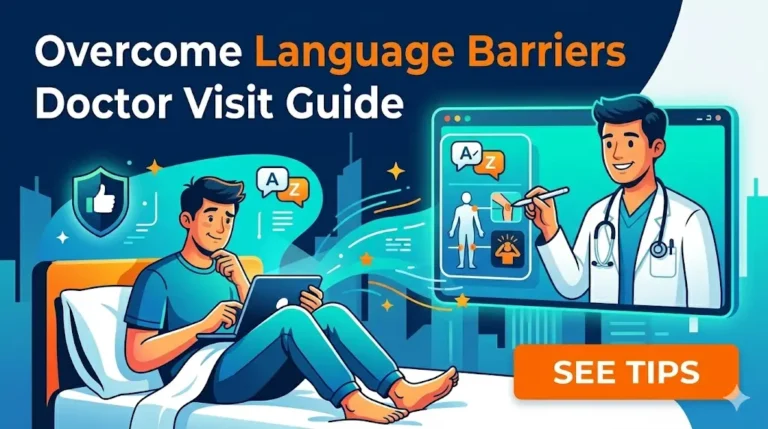
Navigating the complexities of medical billing is hard enough; doing it in complex, bureaucratic German can feel paralyzing. Invoices are filled with dense medical terminology, abbreviation codes, and strict legal payment terms. Misunderstanding a letter from your insurance company regarding missing documentation can delay your reimbursement for weeks.
This is where choosing an expat-friendly provider becomes critical. Companies that cater specifically to international residents offer their entire claims interface, customer support, and policy documents in English. This completely neutralizes the language barrier, allowing you to dispute claims or ask questions about your coverage without relying on Google Translate or bothering your German-speaking colleagues.
If you are currently evaluating your insurance options, prioritize providers who understand the unique pain points of the expat community.
Comparing Claim Processes Across Providers
Traditional Insurers vs Digital Providers
The German private health insurance market is currently split between historic, legacy providers and agile, digital-first “InsurTech” companies. Traditional insurers—some of which have been operating for over a century—offer massive financial stability and vast networks, but their claims processes can be notoriously slow, relying heavily on postal mail and outdated web portals.
In contrast, digital providers have reverse-engineered the patient experience. They utilize AI to scan invoices, process simple claims automatically, and offer instant chat support. The speed of reimbursement is the primary differentiator.
| Feature | Traditional Insurers (Legacy) | Digital Providers (InsurTech) |
| Claim Submission | Mail or basic web portal | Smartphone app with QR scanner |
| Processing Speed | 1 to 3 weeks | 2 to 5 business days |
| Language Support | Primarily German | Full English support |
| Document Tracking | Minimal (wait for a letter) | Real-time push notifications |
When choosing a provider, weigh your desire for absolute bureaucratic efficiency against the historical prestige of legacy brands. For highly mobile expats, the digital route almost always provides a superior, less stressful daily experience.
The Role of Expat Insurance Brokers
If you are intimidated by the prospect of fighting with an insurance company over a rejected claim, utilizing an independent insurance broker is an excellent strategy. In Germany, brokers are paid via commission by the insurance companies, meaning their advisory services are completely free for you as the consumer.
A specialized expat broker like Feather Insurance does more than just sell you a policy; they act as your ongoing advocate. If you submit a claim and it gets stuck in bureaucratic limbo, or if you receive a complex medical bill following an unexpected surgery, you can reach out to your broker’s customer success team. They will contact the insurance provider on your behalf, leveraging their industry relationships and German language skills to resolve the issue swiftly.
Having this layer of professional support transforms the reimbursement process from a solitary struggle into a guided experience. It ensures that you never feel abandoned when navigating the clinical aftermath of an illness or injury, a reassurance that is invaluable when living far from home.
Choosing the Right Policy for Easy Reimbursement
Ultimately, your reimbursement experience is dictated entirely by the specific tariff you select when you sign your contract. A cheap “baseline” private tariff might look appealing on your monthly budget, but it will likely feature high deductibles, strict sub-limits on dental and vision care, and complex reimbursement hurdles that penalize you when you actually get sick.
Conversely, premium tariffs are designed for maximum ease of use. Providers like Ottonova offer comprehensive plans that intentionally minimize administrative friction. When evaluating a policy, look for clear terms regarding the Selbstbeteiligung (deductible), the exact percentage covered for prescription medications, and the inclusion of digital claims processing.
Conclusion
Understanding the “pay-and-claim” reimbursement model is essential for anyone utilizing private health insurance in Germany. While acting as the financial middleman between your doctor and your insurance provider can initially feel overwhelming, the process becomes incredibly smooth once you establish an organized routine.
By leveraging modern digital apps provided by agile insurers, keeping meticulous records of your invoices and prescriptions, and utilizing fast financial tools for cross-border payments, you can ensure your medical costs are swiftly refunded. Taking the time to understand your specific tariff limits and deductibles will empower you to enjoy the high-quality, specialized care that Germany’s private medical sector offers without the stress of lingering financial uncertainty.
References
Primary sources (official)
- Verband der Privaten Krankenversicherung (PKV): Official information on billing and cost reimbursement in the private sector. https://www.pkv.de/wissen/versorgung/abrechnung-und-kostenerstattung/
- Bundesministerium für Gesundheit (BMG): Federal guidelines on private health insurance structures. https://www.bundesgesundheitsministerium.de/themen/krankenversicherung/private-krankenversicherung.html
Other helpful sources
- Verbraucherzentrale (Consumer Advice Center): Advice on what to do if your private insurer refuses to pay a medical bill. https://www.verbraucherzentrale.de/wissen/gesundheit-pflege/krankenversicherung/was-wenn-der-private-krankenversicherer-arztrechnungen-nicht-zahlt-54431
Disclaimer
The information provided in this article is for general informational and educational purposes only and does not constitute professional financial, medical, or legal advice. German health insurance regulations, billing codes (GOÄ), and provider policies are highly complex and subject to continuous changes. Always consult directly with a certified independent insurance broker, your specific health insurance provider, or a legal professional regarding your individual coverage limits, deductible structures, and claim submissions in Germany.