How to Find a Night Pharmacy (Notdienst Apotheke) in Germany
Picture this: it’s 2:00 AM on a Tuesday, your fever is spiking, and you’ve just realized your medicine cabinet is bone dry. I’ve stood in that exact spot, shivering in my pajamas while staring at the "Closed" sign of my local pharmacy in the pouring rain. This guide breaks down exactly how to locate an open night pharmacy in Germany so you never feel stranded during a medical emergency.
Disclosure: This post may contain affiliate links. We may earn a commission at no extra cost to you if you make a purchase through these links. Read full disclosure.
Understanding the German Notdienst System
If you are new to Germany, the "closed" culture can be a massive shock to the system. Back home, you might be used to 24-hour drugstores or supermarkets that carry basic painkillers. In Germany, the separation between a pharmacy (Apotheke) and a drugstore (Drogerie) is strictly enforced by law. You cannot buy ibuprofen at a grocery store, and pharmacies typically close by 6:30 PM or 8:00 PM on weekdays, noon on Saturdays, and are completely shut on Sundays.
To ensure the population still has access to life-saving medication, the German government mandates a rotating "Notdienst" (emergency service) schedule. Every night and every Sunday, a handful of pharmacies in every district are designated to stay open. These aren't just "late-night" shops; they are regular pharmacies that have been assigned the duty of serving the public outside of standard business hours. This system is a lifesaver, but it requires a bit of "Know-How" to navigate when you’re feeling miserable.
For those still navigating the broader medical landscape, I highly recommend checking out our Healthcare in Germany: A Comprehensive Guide for Expats to understand how these pharmacies fit into the larger medical infrastructure. Whether you have public insurance or a plan through a provider like Feather Insurance, the way you access these emergency services remains the same.
How to Find a Night Pharmacy Near You
When you are in pain or dealing with a sick child, you don't want to be scrolling through confusing German websites. There are four primary ways to find which pharmacy is currently on duty.
The Physical Search: Looking for the Red A
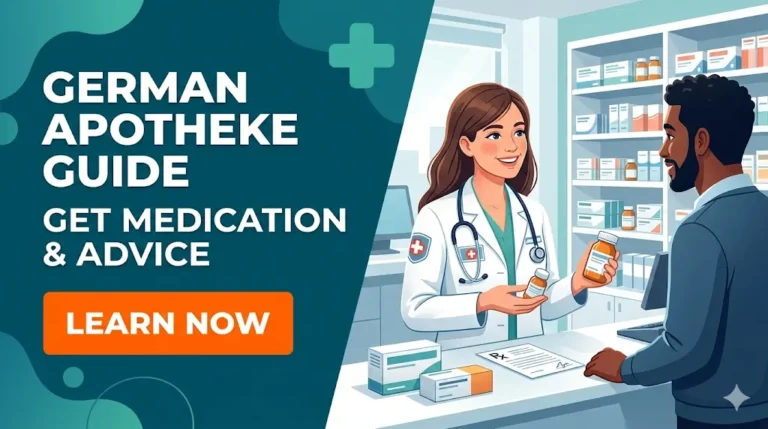
The most old-school but reliable method is to walk to the nearest pharmacy—even if you know it’s closed. Every single German Pharmacies (Apotheke): Prescriptions and Advice is legally required to post a list in their window or near their door. This list (the Notdienstplan) will tell you which nearby pharmacies are open for the current night and upcoming weekend.
Usually, this is a printed sheet of paper or a small digital screen. It will list the name of the pharmacy, the address, and often a small map. I’ve found this incredibly helpful when my phone battery died in the middle of a frantic search. It’s a very "German" solution: structured, localized, and physically accessible.
Using Online Finders and Apps
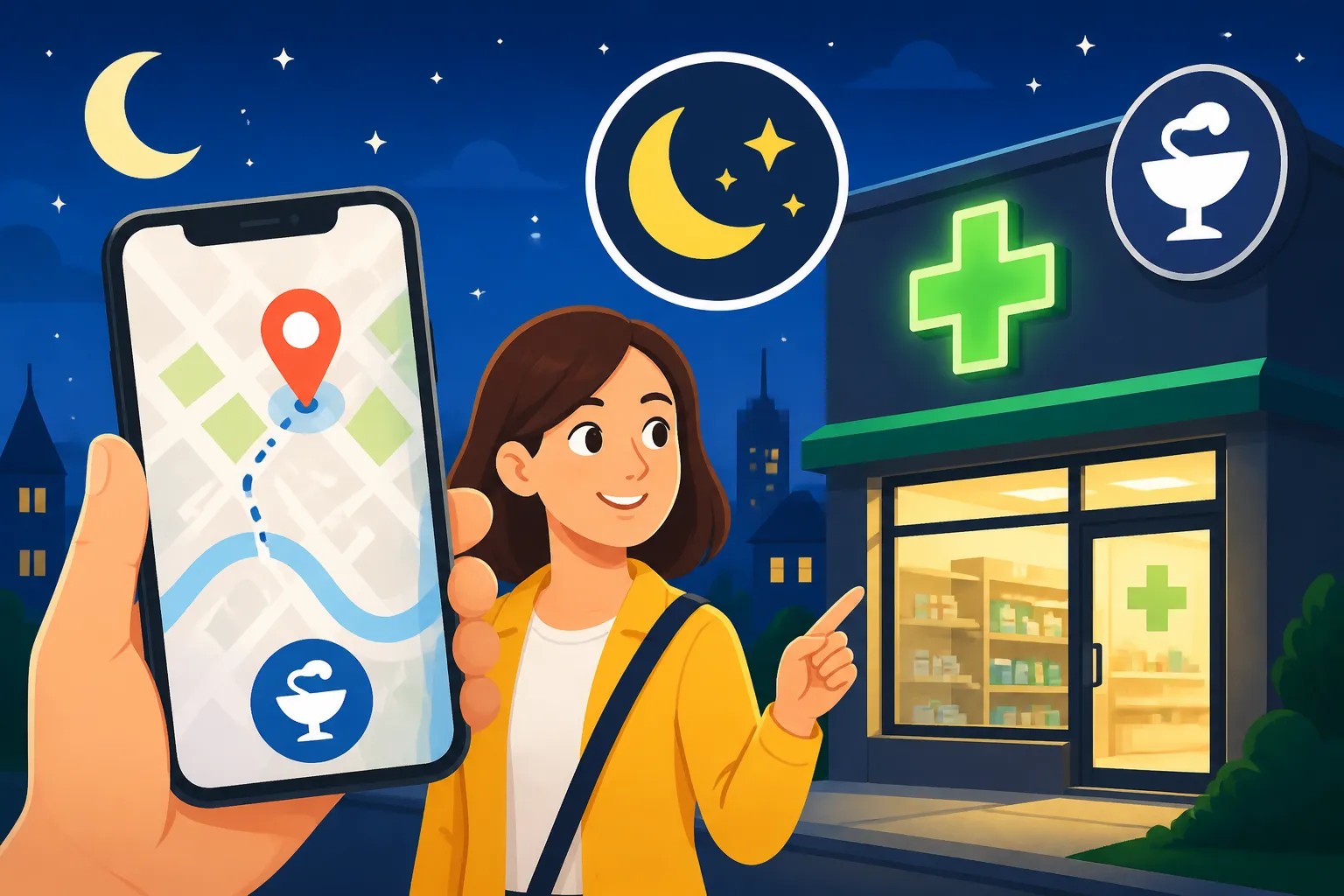
If you still have internet access, the fastest way is to use the official pharmacy search portal, Aponet.de. This site is the gold standard for finding an Emergency Pharmacy Finder: Getting Medicine After Hours in Germany. You simply enter your postal code (PLZ), and it will show you a list of the closest pharmacies currently on emergency duty.
Many expats also find that their health insurance apps provide this information. For instance, if you are using a modern, tech-focused provider like ottonova, their app often includes features to help you locate nearby medical services in English. Similarly, digital-first options like Feather Insurance prioritize making these bureaucratic hurdles easier for non-German speakers to manage.
The Telephone Hotline
If you are in a situation where you can't get online, you can use the pharmacy emergency hotline. From a landline, you can call 0800 00 22 8 33 for free. If you are calling from a mobile phone, you can call 22 8 33, though this usually costs about 69 cents per minute. Once you get through, you can either speak to an operator or use the automated system to find the nearest Pharmacy Sundays: How to Find an Open Apotheke After Hours.
| Method | Best For | Language Support | Cost |
|---|---|---|---|
| Physical Sign | Immediate local area | German (Standardized) | Free |
| Aponet.de | Fast, visual results | German (Translates well) | Free |
| 22 8 33 (Mobile) | No internet access | German/Limited English | ~€0.69/min |
| Insurance Apps | Integrated care | English-friendly | Included |
What to Expect During Your Visit
Visiting a pharmacy at 3:00 AM is not like a normal shopping trip. It is a strictly controlled transaction designed for medical necessity, not for browsing the latest skincare.
The Notdienstgebühr (Emergency Fee)
The first thing you need to know is the Notdienstgebühr. This is a flat emergency service fee, typically around €2.50, that is added to your bill when you visit a pharmacy during emergency hours (usually from 8:00 PM to 6:00 AM, and all day on Sundays/holidays).
Don't let this fee surprise you; it goes directly toward compensating the pharmacist for staying up all night. If you have a prescription marked "noctu" (emergency), your insurance might even cover this fee. If you are traveling or recently arrived and using a plan like SafetyWing, you should keep your receipt to see if it qualifies for reimbursement under your "urgent care" provisions.
The Night Bell and the Security Window
When you arrive at a night pharmacy, the main doors will almost certainly be locked. Look for a small bell labeled Notdienstklingel. Once you ring it, you might have to wait a minute or two—remember, the pharmacist might be in the back room or even sleeping if it’s very late.
Usually, you won't even go inside. Most German pharmacies have a small, secure window or a "drawer" system where you hand over your prescription or ask for your Common Over-the-Counter Medicines in Germany: A Guide for Cold, Pain, and More. You speak through a microphone or a small gap in the glass. It feels a bit like a high-security exchange, but it’s standard practice for safety.
Prescription Requirements
If you have a life-threatening emergency, you should be calling 112 or going to an emergency room. However, if you have a prescription from a late-night doctor or an Telemedicine in Germany: Online Doctor Appointments and e-Prescriptions service, the night pharmacy is where you'll get it filled.
Be aware that they can only provide what they have in stock. While pharmacies in Germany are incredibly well-stocked, a small village pharmacy on duty might not have a very niche medication. If you're unsure, you can try to call the specific pharmacy before you make the trip. Most pharmacists speak some English, especially in larger cities like Berlin, Munich, or Frankfurt. If you are struggling with the language barrier, you might want to look at our tips for Seeing a Doctor Who Doesn’t Speak English: Tips for Overcoming Language Barriers which often applies to pharmacists as well.
Managing Medications and Insurance
Navigating the cost of medications at night can be confusing, especially with the different types of insurance available in Germany.
Public vs. Private Insurance Handling
If you are on public insurance (GKV), you will usually pay your standard co-payment (Zuzahlung) plus the emergency fee if applicable. If you have private insurance through a provider like ottonova, you will likely pay the full amount upfront and then submit the receipt for reimbursement.
For those on expat-specific plans or temporary coverage like SafetyWing, the process is similar—pay at the window, get a detailed receipt (Quittung), and file a claim later. It’s always worth checking Health Insurance in Germany: Understanding Public vs Private Coverage to ensure you know your specific reimbursement rules before an emergency strikes.
The Apotheke vs. Drogerie Distinction
I cannot stress this enough: do not go looking for a "night Drogerie." Shops like dm, Rossmann, or Müller are not pharmacies. They do not have pharmacists on staff and they do not participate in the Notdienst system. If you need something as simple as high-dose aspirin or a specific cough syrup, a Drogerie cannot help you even during the day.
For a list of what you can actually buy without a professional's help, see our guide on Over-the-Counter Medicine in Germany: What You Can Get Without a Prescription. Knowing the difference between these two types of stores will save you a lot of wasted time when you’re already feeling unwell.
Staying Prepared: The Expat First Aid Kit
The best way to handle a night pharmacy situation is to avoid it whenever possible. Every expat household should have a well-stocked "Hausapotheke" (home pharmacy).
I learned the hard way that Germany’s strict Sunday closing laws mean you need to be your own first line of defense. Your kit should include:
- Paracetamol or Ibuprofen (for pain and fever)
- Electrolyte powder (for stomach bugs)
- A digital thermometer
- Basic bandages and disinfectant spray
- Any regular prescription medications (don't wait until the last pill to refill!)
If you have children, you should also be Finding a Hausarzt (Family Doctor) in Germany or a pediatrician (Kinderarzt) early on so you can get prescriptions during regular hours. It is much easier to visit your local Finding a Doctor (Hausarzt) in Germany: How to Choose and Register on a Monday afternoon than to hunt for a night pharmacy on a Sunday morning.
Additionally, make sure you have Emergency Numbers in Germany: Calling 112, Poison Control, and More saved in your phone. If you aren't sure if you need a pharmacy or a hospital, you can call 116 117. This is the non-emergency medical on-call service. They can advise you on whether your situation can wait until morning or if you need to find that Notdienst Apotheke immediately.
Common Myths About Night Pharmacies
One common myth is that you can buy anything at a night pharmacy. While they are there to help, they are within their rights to refuse service if you are trying to buy something non-essential, like expensive perfume or luxury toothpaste, in the middle of the night. The service is intended for medical needs.
Another myth is that they are always within walking distance. In rural areas, the nearest "duty" pharmacy might be two towns over. This is why having a car or a ride-sharing app is vital. If you are relying on public transport, be sure to check the night bus or train schedules, as they are often significantly reduced.
Lastly, some people think night pharmacies are more expensive. Aside from the small flat emergency fee, the price of the medication itself is regulated and remains the same as it would be during the day.
Summary Checklist for Finding a Night Pharmacy
- Check Aponet.de first. It is the most reliable and up-to-date source.
- Verify the address. Use Google Maps to ensure the pharmacy isn't permanently closed or moved.
- Bring Cash and Card. While many pharmacies now take cards, some smaller ones might still prefer "Bargeld" (cash) for the small emergency fee.
- Bring your Insurance Card. Whether it's your plastic public health card or your digital private insurance ID from a provider like ottonova or Feather Insurance.
- Ring the Bell. Don't just stand at the door; look for the "Notdienst" button.
Disclaimer
This article is for informational purposes only and does not constitute medical or legal advice. Always consult with a qualified healthcare professional or pharmacist regarding your health and medications. If you are experiencing a life-threatening emergency, call 112 immediately. External links to insurance providers like Feather Insurance, ottonova, and SafetyWing are provided for context on expat health management options.