Emergency Pharmacy Finder: Getting Medicine After Hours in Germany
Medical emergencies do not stick to business hours. If you fall ill late at night or on a Sunday, Germany’s emergency pharmacy service ensures you have continuous access to vital medication. Learn how to locate open pharmacies, navigate the security hatch, and understand the associated late-night surcharges.
Disclosure: This post may contain affiliate links. We may earn a commission at no extra cost to you if you make a purchase through these links. Read full disclosure.
The German Pharmacy System and After Hours Care
Standard Operating Hours vs Apotheken Notdienst
In Germany, retail laws and labor protections are notoriously strict, and pharmacies are no exception. A standard pharmacy will typically open between 8:00 AM and 9:00 AM and close sharply between 6:00 PM and 6:30 PM on weekdays. On Saturdays, many locations close their doors by 1:00 PM or 2:00 PM, and on Sundays and public holidays, the vast majority are legally required to remain closed. For expats accustomed to 24-hour convenience stores or massive supermarket pharmacies, this schedule can initially feel incredibly restrictive.
To bridge this gap and ensure public safety, the German healthcare system operates the Apotheken Notdienst (emergency pharmacy service). This system mandates that a specific subset of pharmacies within any given geographic radius remains open 24 hours a day on a rotating schedule. Whether you live in the bustling center of Berlin or a quiet Bavarian village, there will always be a pharmacy on duty nearby. This highly structured rotation guarantees that life-saving medication is never more than a short drive away, no matter the time of day.
Understanding the difference between routine shopping hours and the emergency service is a fundamental part of adapting to local life. The emergency service is deeply integrated into the broader medical infrastructure, functioning as a critical safety net. For a comprehensive overview of how these institutions fit into your overall medical journey, reviewing our guide on Healthcare in Germany: A Comprehensive Guide for Expats will provide excellent foundational knowledge.
The Legal Obligation to Provide Emergency Care
The emergency pharmacy system is not a voluntary, profit-driven enterprise; it is a strict legal obligation governed by the regional Chambers of Pharmacists (Apothekerkammern). Every licensed pharmacy in Germany is required by law to participate in the Notdienst rotation. Pharmacists take turns managing these grueling 24-hour shifts, often sleeping on a small cot in the back room of their shop, ready to wake up the moment the emergency bell rings.
This legal framework exists because Germany sharply divides its retail landscape. You cannot buy medicinal products at a gas station or a supermarket. Because only licensed pharmacists are permitted to dispense active pharmaceutical ingredients, the state must ensure that these professionals are accessible around the clock.
The system is designed to balance the labor rights of pharmacy staff with the acute medical needs of the population. By sharing the burden across all pharmacies in a district, no single business is overwhelmed, and the public is guaranteed uninterrupted access to critical care. This solidarity-based approach mirrors the broader philosophies of the German healthcare system, prioritizing universal access and strict quality control over unfettered retail convenience.
What You Can and Cannot Buy After Hours
While the Notdienst is fully stocked and operational, it is crucial to understand that it is intended strictly for medical emergencies. If you wake up with a severe migraine, a spiking fever, or if a late-night doctor issues you a prescription for acute antibiotics, the emergency pharmacy is exactly where you need to go. They are fully equipped to dispense prescription medications, emergency contraceptives, and strong over-the-counter pain relievers.
However, treating the emergency window like a late-night convenience store is considered highly inappropriate and culturally frowned upon. Waking a pharmacist at 3:00 AM to purchase anti-aging cream, a specific brand of herbal tea, or cosmetic lip balm is deeply disrespectful of their essential service. While the pharmacist legally can sell you these items if they choose to open the window, they are well within their rights to express their displeasure if the request is not an actual emergency.
Furthermore, during the night shift, pharmacists only have access to their immediate on-site inventory. During regular business hours, if a specific drug is out of stock, the pharmacist can order it from a wholesaler for same-day delivery. At 2:00 AM, this is impossible. You must make do with the generic equivalents they have on hand.
How to Find an Emergency Pharmacy Near You
Using the Official Aponet Portal and Mobile Apps
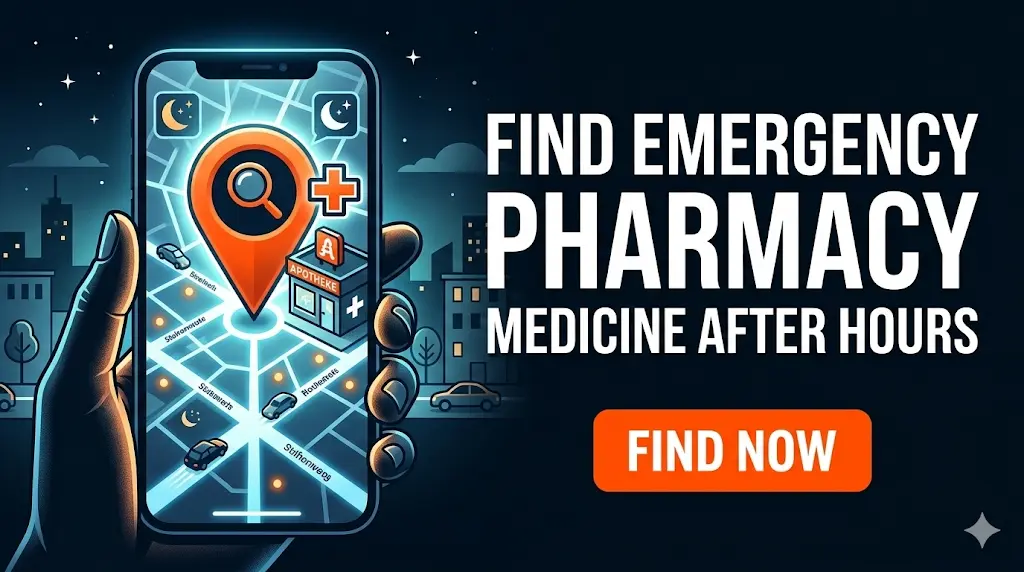
The absolute most reliable way to find the nearest open emergency pharmacy is by utilizing the official national portal: aponet.de. Managed by the Federal Union of German Associations of Pharmacists, this website features a dedicated Notdienstsuche (emergency service search) tool. You simply enter your postal code (PLZ) or the name of your city, and the system generates a list of all currently open pharmacies in your vicinity, complete with a map and contact details.
When using aponet.de, it is important to note that the distances provided are calculated “as the crow flies” (in a straight line). This means that the first pharmacy listed might not necessarily be the fastest one to reach by car or public transport due to road layouts or natural barriers like rivers. It is always wise to quickly plug the address into your GPS app to verify the actual travel time before leaving your home. The portal updates in real-time, meaning you can also search for which pharmacy will be on duty the following weekend if you are planning ahead.
For frequent travelers or highly mobile expats, downloading an Apotheken Notdienst app to your smartphone is highly recommended. These apps use your phone’s location services to instantly pinpoint the nearest open window. Having this digital tool ready on your phone saves you the stress of frantically searching the internet while dealing with a crying child or a sudden bout of illness.
Physical Signs at Your Local Pharmacy
If you do not have immediate internet access or if your phone battery has died, Germany has a low-tech, legally mandated backup system. Every single pharmacy in the country is required to display information about the nearest open emergency pharmacy when they are closed. This information is usually located right next to the main entrance.
Historically, this was a printed piece of paper slipped behind the glass door, updated daily by the staff. Today, most modern pharmacies feature an illuminated digital screen or a lightbox that displays a map and the exact address of the pharmacy currently on duty in that specific district. If you live within walking distance of your regular neighborhood pharmacy, you can simply stroll over to their front door to check the digital sign.
This physical signage system is an incredible lifeline during widespread internet outages or for elderly residents who do not use smartphones. It is a testament to the thoroughness of the German healthcare infrastructure, ensuring that no one is left stranded without information during a medical crisis. For more tips on navigating local medical facilities, checking our guide on Pharmacies in Germany Apotheke: How to Get Medication and Advice is highly beneficial.
Calling the 116 117 Hotline for Guidance
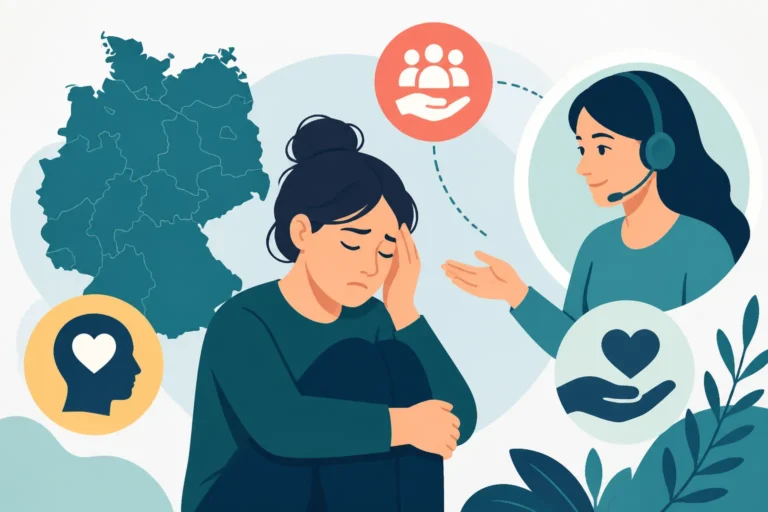
If you are too sick to navigate websites or walk to a local storefront, you can utilize the national medical on-call service by dialing 116 117. This is a free, nationwide hotline staffed by medically trained professionals. While its primary function is to dispatch on-call doctors for non-life-threatening emergencies, the dispatchers can also instantly tell you which emergency pharmacy is open near your location.
The 116 117 service is particularly useful if you are unsure whether your symptoms require a simple over-the-counter painkiller from the pharmacy or an actual consultation with an emergency doctor. The staff can triage your symptoms over the phone and direct you to the most appropriate level of care. If you need a prescription, they can direct you to an on-call medical clinic (Bereitschaftspraxis) first, before sending you to the pharmacy.
Additionally, there is a dedicated mobile service number specifically for pharmacy locations. By texting your postal code to the number 22833, you will receive an immediate SMS reply listing the nearest open pharmacies. However, be aware that this specific SMS service incurs a small fee (usually around 69 cents), whereas calling 116 117 is completely free of charge. For a complete list of essential contacts, bookmark our guide on Emergency Numbers in Germany: Calling 112, Poison Control, and More.
Costs and Surcharges for Late Night Medication
The Standard Emergency Fee Notdienstgebuehr
Accessing medication outside of standard business hours comes with a small, legally standardized surcharge known as the Notdienstgebühr (emergency service fee). As of the current regulations, this flat fee is set at €2.50. This surcharge is applied universally across Germany and serves to partially compensate the pharmacist for keeping the facility open and staffed during unsociable hours.
The €2.50 fee is applied as a flat rate per visit, not per item. Whether you are purchasing a single packet of throat lozenges or filling five different prescriptions simultaneously, you will only be charged the emergency fee once during that transaction. The fee applies to any purchase made between 8:00 PM and 6:00 AM on regular weekdays, as well as all day on Sundays and official public holidays.
It is highly recommended to bring a few physical coins with you when visiting the night window. While almost all German pharmacies accept debit cards or Apple Pay during the day, card readers at the security hatch can sometimes experience connectivity issues, or the pharmacist may have closed the main digital till for the night. Having exact change ensures a smooth and rapid transaction when you are feeling unwell.
When Health Insurance Covers the Extra Costs
The €2.50 emergency fee is generally an out-of-pocket expense, but there is one significant exception. If you have visited an emergency on-call doctor or a hospital during the night, and that doctor has issued you an acute prescription, they will often check a specific box on the prescription slip labeled “noctu” (the Latin word for night).
If the “noctu” box is checked, it acts as a medical certification that the medication must be dispensed immediately to prevent severe health consequences. In this scenario, your statutory public health insurance (Gesetzliche Krankenversicherung) will absorb the €2.50 emergency fee, and you will only be responsible for your standard prescription copayment.
However, if you visit the emergency pharmacy simply to buy over-the-counter medication without a doctor’s “noctu” prescription, or if you bring an old, routine prescription that could have been filled during normal business hours, you must pay the €2.50 surcharge yourself. The system is designed to subsidize genuine, acute emergencies while lightly penalizing those who use the night service for mere convenience.
Paying for Prescriptions vs Over the Counter Drugs
When utilizing the emergency pharmacy, the standard rules of German medical billing still apply. If you are a publicly insured patient presenting a valid acute prescription, you will only pay your standard statutory copayment (usually 10% of the medication price, capped between €5 and €10) plus the emergency fee if the “noctu” box is unchecked.
If you are a privately insured patient or an expat holding a blue private prescription (Privatrezept), you must pay the absolute full retail cost of the medication, plus the emergency fee, upfront at the window. You will receive a stamped receipt, which you must then submit to your private health insurance provider for reimbursement. Because these upfront costs for late-night antibiotics or specialized treatments can be surprisingly high, having a streamlined financial setup is vital.
Using an international, low-fee debit card from a provider like Wise ensures you aren’t hit with terrible currency conversion rates if your local euro account is low. Furthermore, utilizing highly responsive, digital-first insurance providers like Feather Insurance or Ottonova allows you to snap a photo of your emergency receipt and receive your reimbursement within days, rather than waiting weeks for legacy paper processing.
Navigating the Emergency Window Experience
The Security Hatch and Ringing the Bell
Visiting an emergency pharmacy at 3:00 AM is a unique, somewhat surreal experience. You will not be walking into a brightly lit, welcoming retail space. For security reasons, the main doors of the pharmacy will be locked. Instead, you must locate the designated Notdienstklingel (emergency bell), which is usually located near the main entrance or by a specialized side window.
Once you ring the bell, you may have to wait a few minutes. Remember, the pharmacist might be sleeping in the back room or assisting another patient over the phone. When they arrive, they will not open the door. Instead, they will open a small, secure sliding drawer or a bulletproof glass hatch known as the Notdienstklappe. You will communicate with the pharmacist through a two-way intercom system.
You will place your health card, your prescription, or your payment into the sliding metal tray, and the pharmacist will pull it inside. After preparing your medication, they will use the same tray to pass the goods back out to you. Because you will be standing outside on the street during this entire process, it is essential to dress warmly and bring an umbrella, as the German weather can be unforgiving in the middle of the night.
Language Barriers and Effective Communication
Communicating your medical needs through a crackling intercom system at 2:00 AM can be stressful, especially if you are not fluent in German. While many pharmacists in urban centers like Berlin or Munich speak excellent English, a pharmacist working the night shift in a rural Bavarian village may not. Because the interaction happens through a small window, non-verbal communication like pointing to a specific pain area is severely limited.
Preparation is your best defense against miscommunication. Before you leave your home, write down your exact symptoms, your known allergies, and the specific medication you are looking for on a piece of paper or on your smartphone. You can easily pass your phone through the security tray so the pharmacist can read your notes. Using a translation app to translate phrases like “I have a severe fever” (Ich habe hohes Fieber) or “I need an asthma inhaler” (Ich brauche ein Asthmaspray) is highly effective.
It is also crucial to know the active chemical ingredient of the medication you need, as German pharmacists are trained on active ingredients rather than international brand names. Asking for “Tylenol” will likely cause confusion, whereas asking for “Paracetamol” will immediately get you what you need.
Important Documents to Bring With You
When rushing out of the house in the middle of the night, it is easy to forget essential items. To ensure the pharmacist can actually help you, you must bring the correct documentation. If you have been issued a prescription by an emergency doctor, you must bring the physical paper slip or ensure your digital E-Rezept has been successfully loaded onto your health profile.
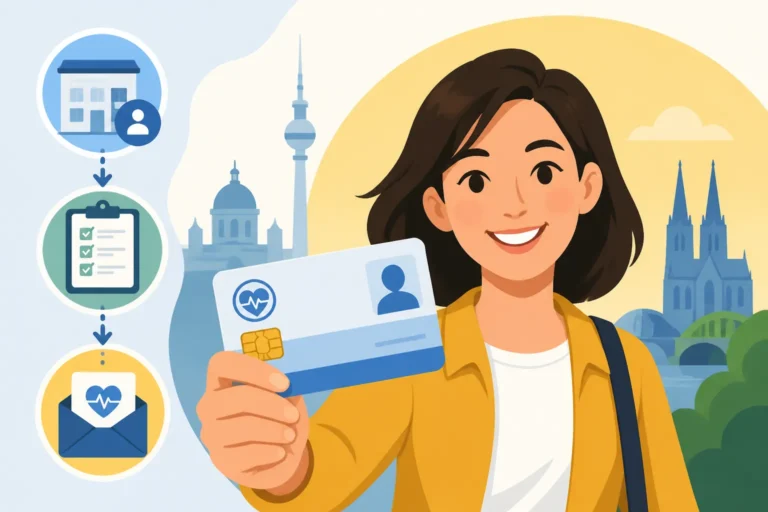
You must bring your physical Electronic Health Card (eGK) if you are publicly insured, or your private insurance card. Without this card, the pharmacist cannot process statutory prescriptions, and you may be forced to pay the full retail price out of pocket. If you are picking up a refill for a chronic medication that you ran out of unexpectedly, bringing the empty medication box from your previous prescription can help the pharmacist identify the exact dosage you require.
If you are dealing with a complex prescription renewal issue, understanding the standard bureaucratic processes beforehand is incredibly helpful. Finally, always bring a physical form of identification, such as your passport or residence permit, especially if you are picking up highly regulated narcotic painkillers.
Alternatives to the Emergency Pharmacy
When to Visit a Hospital Emergency Room Instead
It is vital to recognize the limitations of an emergency pharmacy. A pharmacist is a medication expert, not a diagnostician. If you or a family member are experiencing symptoms of a heart attack, severe breathing difficulties, stroke, massive uncontrollable bleeding, or sudden paralysis, do not waste time traveling to a pharmacy. You must immediately dial 112 for an ambulance or go directly to the nearest hospital emergency room (Notaufnahme).
The emergency pharmacy is designed to dispense medication for conditions that have already been diagnosed by a doctor or for minor ailments that can be treated with over-the-counter painkillers. They cannot perform physical examinations, order blood tests, or provide life-saving acute trauma care. Understanding the strict triage boundaries of the German medical system is a matter of life and death.
Medical On Call Services Bereitschaftsdienst
If you require a doctor’s diagnosis but your condition is not life-threatening—for example, a severe urinary tract infection, a high fever that won’t break, or a concerning rash—going to the hospital emergency room will result in you waiting for six to eight hours. Instead, you should utilize the medical on-call service, the Ärztlicher Bereitschaftsdienst.
By dialing 116 117, you can be directed to an on-call medical clinic (Bereitschaftspraxis), which is typically attached to a hospital but operates entirely separately from the trauma ER. Here, a general practitioner can examine you, provide a diagnosis, and write an acute prescription. Once you have this prescription, you then take it to the emergency pharmacy window.
Alternatively, if you hold a progressive private policy through a provider like Ottonova, you can often access 24/7 digital telemedicine portals directly through their app. A licensed German doctor can examine you via video call and issue a digital prescription straight to your phone, saving you a cold trip to the on-call clinic.
Building a Home First Aid Kit
The absolute best way to handle a 3:00 AM medical minor emergency is to avoid leaving your house entirely. Every expat household in Germany should be equipped with a comprehensive Hausapotheke (home pharmacy). Because German weather fluctuates wildly, catching a sudden cold or experiencing seasonal allergies is a routine occurrence.
Summary Comparison: Regular vs Emergency Pharmacy
| Feature | Regular Pharmacy Hours | Apotheken Notdienst (Emergency) |
| Operating Hours | Mon-Fri: 8AM-6PM, Sat: 9AM-1PM | 24/7 (Rotating locations) |
| Store Access | Walk-in, browse aisles freely | Secure hatch/window only |
| Additional Fees | None | €2.50 flat fee per visit |
| Inventory Access | Full stock + rapid wholesale orders | Limited to current on-site stock only |
| Appropriate Use | Routine refills, cosmetics, advice | Acute medical emergencies only |
Conclusion
Your home kit should be stocked with a reliable digital thermometer, basic painkillers (ibuprofen and paracetamol), anti-diarrhea medication, sterile bandages, and throat lozenges. Because purchasing large bottles of high-quality, preventative wellness supplements can be very expensive at a local German pharmacy, many savvy expats proactively order their specialized organic vitamins and holistic immune boosters from global platforms like iHerb. Keeping your immune system fortified is the easiest way to prevent late-night pharmacy runs.
By anticipating your basic medical needs and keeping your medicine cabinet fully stocked, you transform what could be a highly stressful, sleep-deprived navigation of the Notdienst system into a simple trip down the hallway.
References
Primary sources (official)
- Aponet.de (Official Pharmacy Portal): Emergency pharmacy search tool managed by the Federal Chamber of Pharmacists. https://www.aponet.de/apotheke/notdienstsuche
- 116117.de (Medical On-Call Service): Official patient service portal for non-life-threatening medical assistance. https://www.116117.de/de/englisch.php
Other helpful sources
- Make it in Germany: The German government’s official portal for expats detailing healthcare operations. https://www.make-it-in-germany.com/en/living-in-germany/money-insurance/healthcare
Disclaimer
The information provided in this article is for general informational and educational purposes only and does not constitute professional medical, pharmaceutical, legal, or financial advice. German pharmacy regulations, emergency surcharges, and insurance copayment structures are subject to continuous legislative updates. Always consult directly with a qualified healthcare professional, a licensed pharmacist, or your specific insurance provider regarding your unique medical needs, drug interactions, and legal obligations in Germany. In the event of a severe, life-threatening medical emergency, always dial 112 immediately.