How to Access Mental Health Crisis Support in Germany
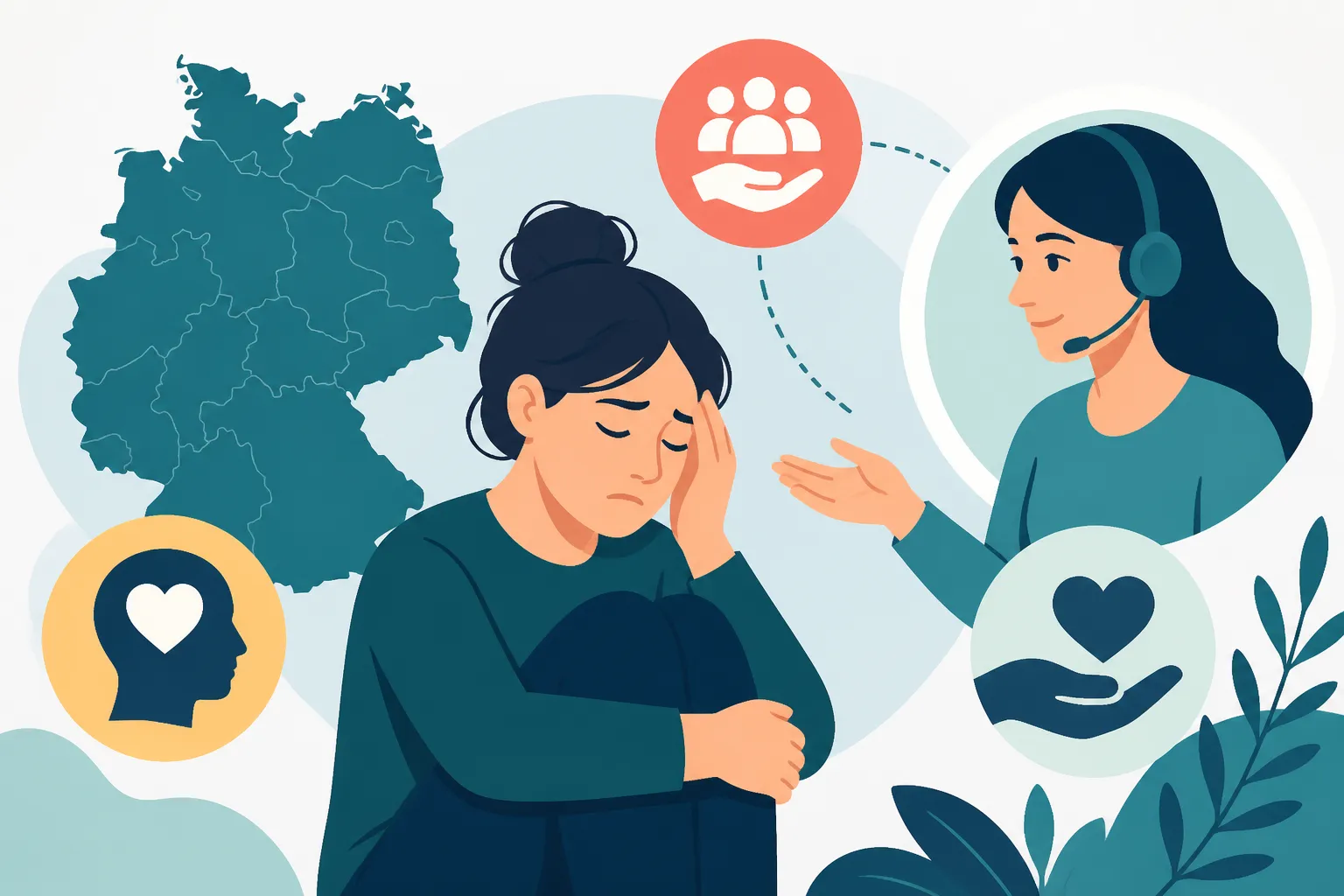
Finding yourself in the middle of a mental health crisis is terrifying, but doing so in a country where you don’t fully speak the language or understand the medical system can feel paralyzing. I remember sitting on my kitchen floor in Berlin during a particularly dark winter, staring at my phone and not knowing which of the many emergency numbers actually applied to my situation. This guide provides the exact roadmap you need to access immediate mental health crisis support in Germany, ensuring you never have to face a breakdown alone.
Disclosure: This post may contain affiliate links. We may earn a commission at no extra cost to you if you make a purchase through these links. Read full disclosure.
Immediate Emergency Numbers and When to Use Them
In Germany, the system for emergency help is divided based on the severity of the situation. Knowing which number to dial can save you precious time and prevent the added stress of being redirected while you are already in distress. You should never feel guilty about calling these numbers; they exist specifically to catch you when you fall.
Calling 112: Life-Threatening Emergencies
If you are in a situation where there is an immediate risk of self-harm, a suicide attempt in progress, or if you are experiencing a complete break from reality that makes you a danger to yourself or others, dial 112. This is the universal emergency number for fire and medical emergencies across Europe. When you call, an ambulance (Rettungswagen) will be dispatched to your location.
The dispatchers generally have a basic command of English, but in a crisis, keep your sentences short: "Mental health emergency," "Suicide risk," and your address. If you are struggling with the language barrier, Finding English-Speaking Doctors: Resources and Tips for Expats can offer some comfort, but in a 112 scenario, the priority is physical presence and safety. The paramedics are trained to stabilize you and will likely transport you to the nearest psychiatric hospital or the emergency wing (Notaufnahme) of a general hospital. For more details on how these services operate, you can read about Emergency Numbers in Germany: Calling 112, Poison Control, and More.
Calling 116 117: The Medical On-Call Service
If your situation is urgent but not immediately life-threatening—for example, if you are experiencing a severe panic attack, intense depressive thoughts, or a manic episode but are not at immediate risk of harm—dial 116 117. This is the "Ärztlicher Bereitschaftsdienst," a nationwide service for medical issues that cannot wait until the next business day but don't require an ambulance.
When you call 116 117, you will speak with a coordinator who can direct you to an on-duty psychiatrist or a crisis center. In some cities, they can even arrange for a doctor to visit you at home. This service is invaluable for those "middle of the night" crises where you just need professional medical intervention to get through the next few hours. You can find a deeper breakdown of this in our guide on The 116117 Medical On-Call Service in Germany Explained. If you are an expat using a digital-first provider like ottonova, they often have their own 24/7 concierge or video consultation services that can supplement this, offering a faster route to an English-speaking professional.
Crisis Intervention Centers and Psychiatric Emergency Rooms
Germany has a robust network of physical locations where you can show up in person to receive help. You do not need an appointment, and you do not need a referral from a GP (Hausarzt) if you are in an active crisis.
The Notaufnahme Experience
Every major hospital in Germany has an emergency room called a "Notaufnahme." Most large municipal hospitals also have a dedicated "Psychiatrische Notaufnahme" (Psychiatric Emergency Room). If you can safely get yourself to a hospital, simply walk in and tell the triage nurse that you are in a "psychischer Notfall" (mental health emergency).
Once admitted, you will be seen by a psychiatrist on duty. They will assess whether you need a "Krisenintervention"—a short-term stay (usually 24 to 72 hours) to stabilize your mood and ensure your safety. During this time, they will help you manage immediate symptoms, perhaps through medication or intensive talk therapy sessions. This is covered by all public and private health insurance. If you are unsure about your coverage, checking Health Insurance in Germany: Understanding Public vs Private Coverage is a good place to start. For those on nomadic or expat-specific plans like SafetyWing or Feather Insurance, these emergency admissions are typically covered as part of standard inpatient care, but it is always wise to have your digital insurance card ready on your phone.
The Sozialpsychiatrischer Dienst (SpD)
The Sozialpsychiatrischer Dienst is a local government resource that many expats overlook. Every district (Bezirk) or municipality has one. They offer free, anonymous (if requested) crisis counseling and support for people with mental illnesses and their families.
The SpD is staffed by social workers, nurses, and psychiatrists. While they are not an emergency "blue light" service, they are excellent for "slow-burn" crises where you feel your mental health slipping and need an immediate consultation without waiting months for a therapist. They can also help with the administrative side of mental health, such as finding a long-term clinic or navigating work-related stress. If your crisis is related to work, you might also find our resources on Stressed or Burned Out? Mental Health Days and Resources in Germany helpful for understanding your rights regarding sick leave.
English-Speaking Helplines and Non-Medical Support
Sometimes, you don't need a hospital; you just need a human voice to talk you down from the ledge. Germany has several helplines, though English-language availability can vary.
Telefonseelsorge and Crisis Chats
The primary helpline in Germany is the "Telefonseelsorge" (0800 111 0 111). It is free, anonymous, and available 24/7. While it is primarily a German-language service, many of their volunteers speak excellent English. If you call and ask, "Sprechen Sie Englisch?", there is a high chance you will be connected with someone who can help.
For those who find speaking on the phone too overwhelming during a crisis, there are several chat-based services:
- Muslimisches Seelsorge-Telefon: Offers culturally sensitive support in multiple languages.
- Nightlines: These are student-run listening services available in many university cities (like Heidelberg, Berlin, or Munich) that often have English-speaking volunteers.
If you are a student, remember that your university’s "Studierendenwerk" offers specialized psychological counseling. More on student-specific health needs can be found at Health Insurance for Students in Germany: Affordable Options and Requirements.
Local Crisis Centers (Kriseneinrichtungen)
In larger cities like Berlin, Hamburg, and Munich, there are dedicated non-hospital crisis centers. For example, the "Berliner Krisendienst" has multiple locations across the city and offers 24-hour support, including in-person counseling. They are experts in dealing with the specific pressures of city life and the expat experience. They can help bridge the gap between an emergency and finding long-term Mental Health Care in Germany: Finding Therapists and Psychologists.
| Service Type | Contact/Access | Best For |
|---|---|---|
| Immediate Life Threat | 112 | Suicide attempts, severe self-harm, psychosis. |
| Urgent Medical Need | 116 117 | Panic attacks, severe insomnia, urgent medication needs. |
| Listening Support | 0800 111 0 111 | Feeling lonely, overwhelmed, or needing to talk. |
| In-Person Crisis | Notaufnahme (ER) | Immediate stabilization and possible inpatient care. |
| District Support | Sozialpsychiatrischer Dienst | Ongoing crisis management and social support. |
Navigating Insurance and Costs During a Crisis
One of the biggest fears for foreigners in Germany is the bill. I remember worrying about the cost of an ambulance while I was literally struggling to breathe during a panic attack. Here is the reality: in a true emergency, your health and safety come first, and the German system is designed to facilitate that.
Public vs. Private Insurance Coverage
If you are in the public system (GKV), emergency mental health care is fully covered. You may have to pay a small daily co-payment (Zuzahlung) of about €10 per day if you are admitted to a hospital, but the medical treatment itself is covered. Providers like Feather Insurance can be particularly helpful here for expats, as they offer English-language support to help you understand these small "Nebenkosten" or co-pays.
If you have private insurance (PKV), such as through ottonova, the process is usually even smoother. Many private plans offer direct access to specialists without a referral and cover private or semi-private rooms in psychiatric clinics. They also tend to have faster reimbursement processes for emergency out-patient consultations. For a deeper dive into these differences, see Private Health Insurance in Germany: Benefits, Costs, and Eligibility.
What if You Are Uninsured or on a Travel Plan?
If you are visiting Germany or are between jobs and currently "uninsured," you can still access emergency psychiatric care. Hospitals in Germany are legally obligated to stabilize patients in an emergency regardless of their insurance status. However, you may be billed later.
If you are traveling or working as a digital nomad on a plan like SafetyWing, mental health crisis support is often treated under the "emergency medical evacuation" or "emergency inpatient" clauses. Always keep a copy of your policy summary on your phone to show the hospital staff, as this helps them process your "Admission" (Aufnahme) more quickly. If you are struggling to find a doctor who accepts your specific plan, our guide on Medical Emergencies: What to Do and Where to Go in Germany offers practical tips for navigating the hospital bureaucracy.
Transitioning from Crisis to Long-Term Care
A crisis is often a turning point. Once you are stabilized, the next step is finding sustainable support. This is where the German system can feel slow, as waiting lists for therapists can be long. During your crisis intervention, ask the social workers at the hospital for an "Entlassbericht" (discharge report) and a recommendation for "Psychotherapie."
You can use the 116 117 service not just for emergencies, but also to book an "Erstgespräch" (initial consultation) with a therapist. They are mandated to find you an appointment within a few weeks, though it might not be with your preferred doctor. Understanding Accessing Therapy: Does Insurance Cover Mental Health Services will be vital during this transition phase. Remember, the goal of crisis support is to get you back to a place where you can manage your daily life—it is the first step on a longer journey toward wellness.
For a comprehensive view of the entire landscape, I highly recommend bookmarking Healthcare in Germany: A Comprehensive Guide for Expats so you have all the information at your fingertips before another crisis hits.
Disclaimer
This article is for informational purposes only and does not constitute medical or legal advice. If you are currently in a life-threatening emergency, please dial 112 immediately or go to the nearest emergency room. Always consult with a qualified healthcare professional regarding mental health concerns.