The 116117 Medical On-Call Service in Germany Explained
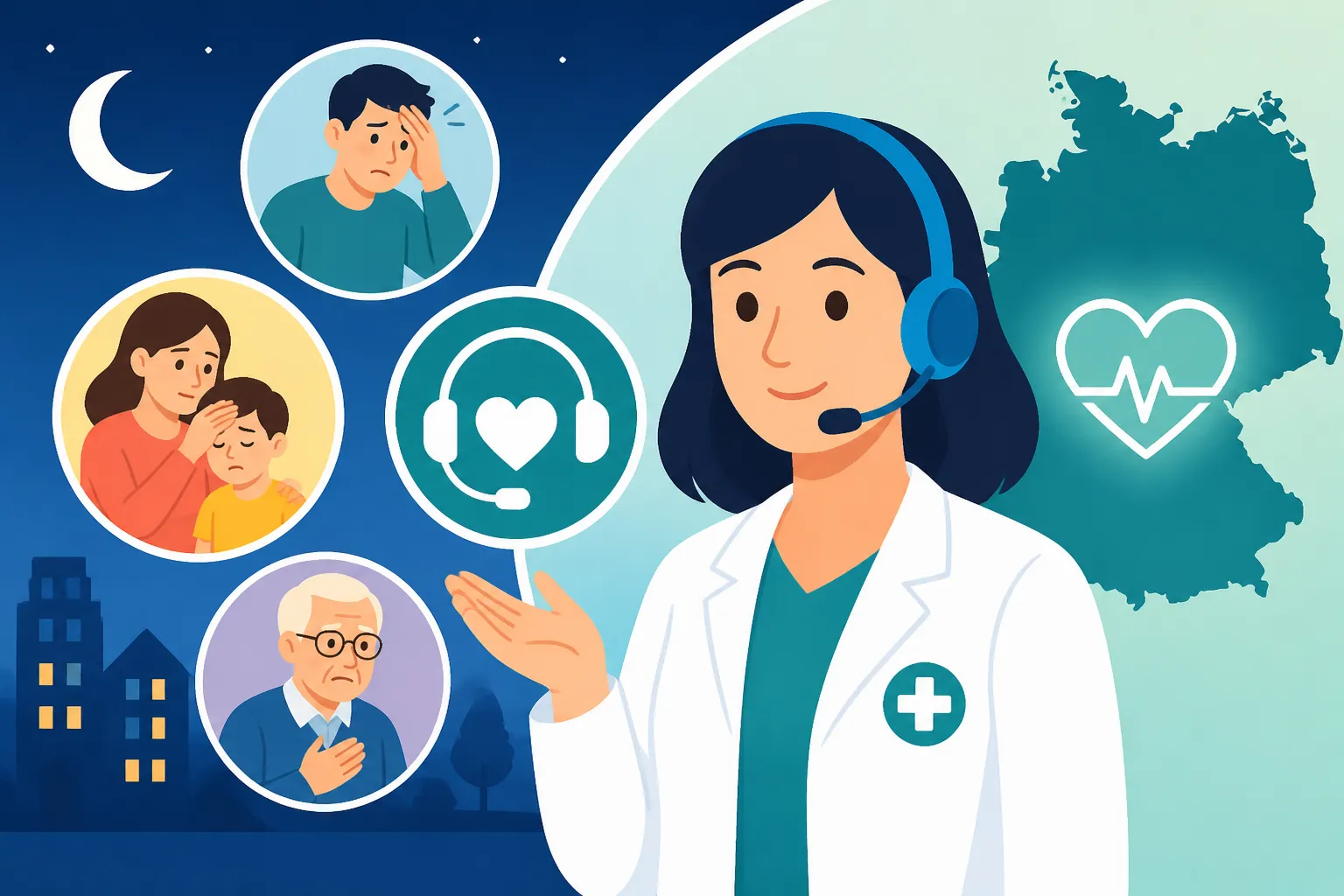
It is 10 PM on a cold Sunday night in Berlin, and you are staring at a thermometer that reads 39.5 degrees. Your regular doctor is closed until Monday morning, and the thought of sitting in a crowded hospital emergency room for eight hours feels impossible. I remember my first winter here, shivering in a dimly lit apartment, convinced I had to choose between suffering until dawn or calling an expensive ambulance I didn't think I needed. This guide explains the 116117 medical on-call service, the essential middle ground that ensures you get professional care when your GP is off-duty without clogging up the emergency system.
Disclosure: This post may contain affiliate links. We may earn a commission at no extra cost to you if you make a purchase through these links. Read full disclosure.
What Exactly is the 116117 Medical On-Call Service
The 116117 service, known in German as the Ärztlicher Bereitschaftsdienst, is a nationwide coordination system designed to provide medical assistance when regular doctor's offices are closed. In Germany, the healthcare system is highly structured, and most general practitioners work standard business hours. When those offices close for the evening, the weekend, or a public holiday, the responsibility for non-life-threatening care shifts to the Bereitschaftsdienst. It is not a replacement for the emergency services, but rather a way to ensure that patients with acute but non-urgent issues can still see a doctor.
The Role of the Kassenärztliche Vereinigung
The service is organized by the Kassenärztliche Vereinigung (KV), the association of statutory health insurance physicians. Every licensed doctor in Germany who participates in the public insurance system is required to take turns staffing this on-call service. This means when you call 116117 or visit an on-call clinic, you are being treated by fully qualified physicians who usually run their own practices during the week. This system is a core pillar of Healthcare in Germany: A Comprehensive Guide for Expats because it prevents the over-utilization of hospital emergency departments.
Availability and Reach
One of the most impressive aspects of 116117 is its ubiquity. It is a toll-free number that works from any landline or mobile phone anywhere in Germany. Whether you are in the heart of Munich or a tiny village in the Black Forest, the number remains the same. The service is active every evening, overnight, and 24 hours a day on Saturdays, Sundays, and public holidays. In many regions, it even starts on Wednesday and Friday afternoons, as many German doctors close their offices early on those days for administrative work.
The Multi-Channel Approach: Phone, Web, and App
While the phone number is the most famous way to access the service, the KV has modernized significantly. There is a robust website and an app called "116117.de" that allows you to search for the nearest open on-call practice (Bereitschaftspraxis). This is incredibly helpful for those who might feel intimidated by a German-speaking phone operator. For many newcomers, navigating these digital tools is the first step in How to Get Health Insurance in Germany: Step-by-Step for Newcomers and understanding how to actually use that coverage when a crisis hits.
When to Call 116117 vs. 112: Making the Right Choice
The most common mistake expats make is confusing the on-call service with the emergency services. In Germany, 112 is the number for life-threatening emergencies—think heart attacks, strokes, severe accidents, or unconsciousness. 116117 is for everything else that "cannot wait until the next business day." If you are well enough to sit in a waiting room but too sick to wait 48 hours for an appointment, 116117 is your best friend. Understanding this distinction is vital for Medical Emergencies: What to Do and Where to Go in Germany.
Examples of 116117 Appropriate Scenarios
Imagine you wake up on a Saturday morning with a stinging urinary tract infection. You aren't dying, but you are in significant pain and need antibiotics. This is a classic 116117 case. Other common scenarios include high fevers that don't respond to over-the-counter medication, severe back pain that prevents movement, or an acute earache in a child. These are issues where a doctor needs to see you today, but an ambulance would be an inappropriate use of resources.
When 112 is the Only Answer
If someone is experiencing chest pain, difficulty breathing, heavy bleeding, or signs of a stroke (like facial drooping or slurred speech), do not call 116117. You must call 112 immediately. The operators at 116117 are trained to recognize emergencies and will redirect you to 112 if they believe your life is at risk, but those few minutes of redirection can be critical. It is always better to be familiar with Emergency Numbers in Germany: Calling 112, Poison Control, and More before you actually need them.
The Grey Area: What if I am Unsure
If you are genuinely unsure about the severity of your condition, the 116117 dispatchers use a standardized medical assessment software called SmED (Structured Medico-Education Deployment). They will ask you a series of specific questions about your symptoms. Based on your answers, the system will recommend whether you should see a doctor within the next few hours, go to the hospital immediately, or if it is safe to wait for your regular Hausarzt on Monday morning.
The Process: What Happens After You Call
When you dial 116117, you will usually be greeted by an automated menu in German. Don't let this discourage you. Usually, you just need to wait to be connected to a dispatcher. Once connected, you will explain your symptoms. If you have chosen a digital-forward provider like ottonova, you might already be used to app-based interfaces, but the 116117 phone call remains the standard entry point for the state-organized system.
Triage and Recommendation
The dispatcher will take your personal details, including your address and your insurance status. They will then walk you through the triage questions. Depending on the outcome, they will provide one of three solutions. The most common is directing you to a Bereitschaftspraxis. These are central clinics, often located within or adjacent to a hospital, specifically designed for on-call patients. They usually have much shorter wait times than a standard Emergency Room.
The On-Call Practice Visit
If you are mobile, the dispatcher will give you the address of the nearest Bereitschaftspraxis. You don't usually need an appointment; you simply show up with your insurance card. I’ve found that even though these clinics are "on-call," the quality of care is identical to a standard doctor's visit. For those with Private Health Insurance in Germany: Benefits, Costs, and Eligibility, the process is the same at the point of care, though you may receive a bill in the mail later rather than just swiping a card.
The Home Visit: A German Healthcare Specialty
One of the most unique features of the German system is the Hausbesuch (home visit). If the dispatcher determines that you are too ill to travel—for example, you have a high fever and are vomiting, or you have mobility issues—they can dispatch an on-call doctor to your home. A doctor will arrive in a specially marked car, often with a driver, carrying a full medical kit. They can examine you, provide basic treatment, and even write a prescription on the spot.
Practical Logistics and the Language Barrier
The biggest hurdle for many expats is the language. While many doctors in Germany speak excellent English, the dispatchers at the 116117 call centers are not always fluent. If your German is limited, it is helpful to have a list of keywords ready: Fieber (fever), Schmerzen (pain), Harnwegsinfekt (UTI), or Erbrechen (vomiting). Being prepared is a key part of Navigating Medical Care in Germany: Doctors, Hospitals, and Pharmacies.
Tips for Communicating Your Needs
If you are struggling to explain your situation, see if a German-speaking friend or neighbor can help make the call. Alternatively, use the 116117 website or app. The digital tools allow you to input your symptoms and receive a location for a clinic without having to navigate a complex phone conversation. If you are a traveler using SafetyWing, you might have access to their own support lines, but knowing how to use the local 116117 service ensures you can get in-person care quickly.
What Documents to Have Ready
Regardless of whether you call or use the app, you need specific information ready. This includes your full name, date of birth, current address (including the floor and any special instructions to find your door), and the name of your health insurance provider. If you are insured through Feather Insurance or a similar expat-friendly broker, make sure you have your digital or physical insurance card handy. The doctor will need this to document the visit.
Getting Medication After Hours
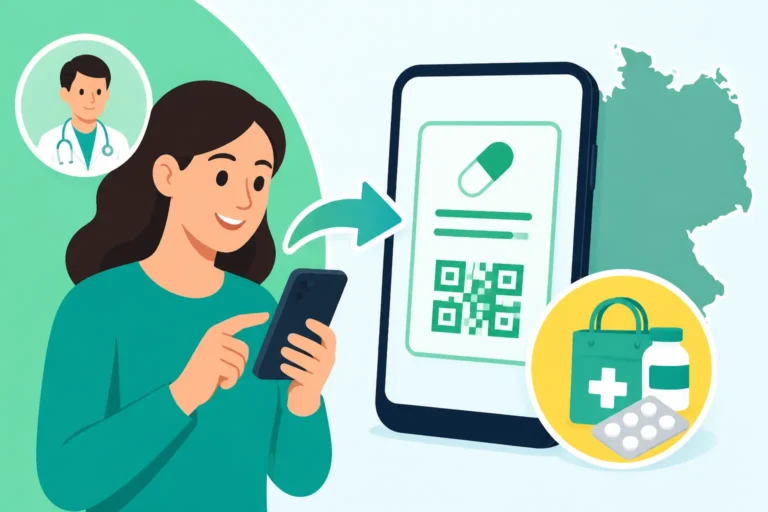
Seeing a doctor is only half the battle; you often need a pharmacy to fill the prescription. The 116117 service can also help you find the Notdienst-Apotheke (emergency pharmacy) in your area. In Germany, pharmacies take turns staying open 24/7. You should check Emergency Pharmacy Finder: Getting Medicine After Hours in Germany to understand how this works, as these pharmacies often charge a small "emergency fee" (usually around €2.50) for prescriptions filled at night or on Sundays.
Insurance, Costs, and Billing
One of the most frequent questions I hear from fellow expats is: "How much will this cost me?" The good news is that the 116117 service is a standard part of the German healthcare system. If you have Public Health Insurance (gesetzliche Krankenkasse): What It Covers and Costs, the service is fully covered. You simply show your card at the clinic or to the doctor who visits your home, and the billing is handled automatically between the doctor and your insurance provider.
Private Insurance and 116117
If you are privately insured, the process follows the typical "pay-and-reclaim" model. You will receive an invoice (Rechnung) via mail a few weeks after the visit. You pay the doctor directly and then submit the invoice to your provider, such as ottonova, for reimbursement. It is helpful to read through Understanding German Medical Bills: Decoding Private Invoices and Co-Pays to ensure you aren't surprised by the format of these bills, which can look quite formal and intimidating.
Coverage for Tourists and Short-Term Visitors
If you are visiting Germany or are a digital nomad on a plan like SafetyWing, you can still use 116117. However, you will likely be treated as a "self-pay" patient (Selbstzahler). The doctor will provide treatment and then give you a bill based on the official scale of fees for doctors (GOÄ). You can then submit this to your travel insurance for reimbursement. Always keep every piece of paperwork, including the diagnosis and the receipt, to make the claims process smoother.
Summary Table: Comparing Medical Access Points
| Feature | Hausarzt (GP) | 116117 On-Call | 112 Emergency |
|---|---|---|---|
| Availability | Mon-Fri (Business Hours) | Nights, Weekends, Holidays | 24/7 |
| Urgency | Non-urgent / Chronic | Acute but non-life-threatening | Life-threatening |
| Location | Doctor's Office | Clinic or Home Visit | Hospital or Ambulance |
| Cost (Public) | Covered | Covered | Covered |
| Wait Time | Appointments needed | Variable (1-3 hours) | Immediate (for critical cases) |
| Best For | Routine checks, sick notes | UTIs, high fever, earaches | Heart attack, trauma, stroke |
Navigating the Aftermath: Sick Notes and Follow-ups
A visit to the on-call doctor is usually a one-time event to stabilize your condition. If you are too sick to go to work on Monday, you will need a formal Arbeitsunfähigkeitsbescheinigung (AU), also known as a sick note. While the 116117 doctor can sometimes issue a temporary note for a day or two, they will usually tell you to visit your regular Finding a Doctor (Hausarzt) in Germany: How to Choose and Register for a follow-up and a longer-term sick note.
Collecting Your Medical Records
If you are treated at a Bereitschaftspraxis, they will usually provide you with a brief summary of the treatment and any medication prescribed. It is a good habit to keep these records. In Germany, patients are often the primary keepers of their own medical history. Having this documentation ready for your regular GP helps ensure continuity of care and prevents you from having to repeat tests.
Managing Prescriptions
If the on-call doctor gives you a prescription (Rezept), pay attention to the color. A pink slip is for those with public insurance, while a blue or white slip is usually for private patients or for medications not covered by the standard statutory list. You can find more details in Pharmacies in Germany (Apotheke): How to Get Medication and Advice. Remember that you must take this to an emergency pharmacy if it is outside of regular hours; you cannot wait until Monday if the medication is meant to treat an acute infection.
Dealing with "The German Way"
One thing I had to learn the hard way is that 116117 doctors can be very direct. Don't be offended if the consultation feels quick or business-like. Their goal is to treat as many people as possible during a shift. They focus on the immediate problem. If you need a long conversation about your lifestyle or wellness, that is a conversation for your regular doctor as part of Healthy Living in Germany: Wellness, Fitness, and Mental Health Guide. The on-call service is a high-efficiency bridge designed to get you through the night safely.
Final Advice for a Stress-Free Experience
The best time to learn about 116117 is when you are healthy. I highly recommend downloading the app today and simply looking at where the nearest Bereitschaftspraxis is located. Knowing that it’s just a 10-minute bus ride away can significantly lower your anxiety when you actually feel ill. Whether you choose Feather Insurance for its expat-centric service or a traditional public fund, the 116117 number is a universal safety net that makes living in Germany much safer for all of us.
Disclaimer
The information provided in this article is for informational purposes only and does not constitute medical or legal advice. While we strive to keep the information up to date, medical regulations and emergency procedures in Germany may change. Always consult with a qualified healthcare professional or call 112 in the event of a life-threatening emergency. We are not responsible for any actions taken based on the content of this guide.