Booking Doctor Appointments in Germany and Cutting Wait Times
Staring at a calendar with no available slots for four months while you are dealing with a persistent health issue is one of the most isolating experiences a foreigner can have in Germany. I remember sitting in my cold Berlin kitchen, calling twelve different dermatologists only to be told "wir nehmen keine neuen Patienten" (we aren't taking new patients) over and over. This guide provides the tactical roadmap you need to bypass those dead ends and secure the medical care you deserve.
Disclosure: This post may contain affiliate links. We may earn a commission at no extra cost to you if you make a purchase through these links. Read full disclosure.
Understanding the German Medical Booking Landscape
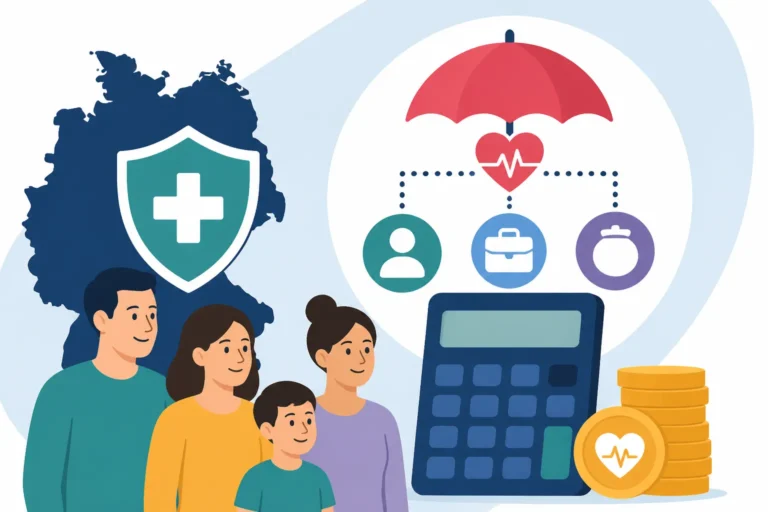
The German healthcare system is world-class, but the administrative hurdle to actually see a practitioner can feel like a secondary illness. To navigate this, you first have to understand that the "wait time" isn't a fixed number; it is a variable influenced by your insurance type, your location, and your persistence. In Germany, the system is bifurcated into public (gesetzliche) and private (private) insurance. This distinction is the single biggest factor in how quickly you will be seen.
The Public vs. Private Divide in Booking
If you are on public insurance, you are part of the vast majority of residents. While this ensures you are never hit with a catastrophic bill, it also means you are competing for slots in a high-demand pool. Doctors receive a fixed budget for public patients, and once that budget is reached for the quarter, they may stop booking new GKV (Gesetzliche Krankenversicherung) appointments. This is why you might hear that a doctor is "full" until the next quarter begins in January, April, July, or October.
Private patients, or those using services like ottonova, often experience a different reality. Because private insurance pays doctors higher rates and isn't subject to the same quarterly budgets, specialized clinics often reserve "Privatpatient" slots. If you find yourself constantly blocked by long wait times, checking your eligibility for private coverage through providers like ottonova or Feather Insurance can be a game-changer for access. Even if you stay public, knowing this divide helps you manage expectations and craft your approach when calling offices.
The Role of the Hausarzt as the Gatekeeper
In many countries, you might be tempted to go straight to a specialist for a specific ache. In Germany, this is often the slowest route possible. Your Hausarzt (General Practitioner) is your most powerful ally. They are not just for the common cold; they are the "gatekeepers" of the system. A Hausarzt can issue a referral (Überweisung) which often contains a special code that helps you get a priority appointment with a specialist.
I’ve learned the hard way that building a relationship with a local GP is the first step to successful living here. When you are a "regular," the staff at the GP office are much more likely to call a specialist on your behalf. A call from a doctor’s office to another doctor’s office carries ten times the weight of a phone call from an expat with a shaky command of German. You can find more details on this foundational step in our guide on Finding a Doctor (Hausarzt) in Germany: How to Choose and Register.
Regional Variations and the City Struggle
The difficulty of booking an appointment scales with the population density of your city. In Berlin, Munich, or Hamburg, finding a specialist who speaks English and has an opening is like finding a needle in a haystack. Conversely, if you are willing to travel thirty minutes outside the city center to a smaller town (a "Speckgürtel"), you will often find clinics with immediate availability.
When I lived in the center of a major city, I waited six weeks for an MRI. When I looked at a clinic in a neighboring smaller town, they saw me the next day. This "geographical arbitrage" is a secret weapon for expats. If you are a digital nomad or traveler using SafetyWing, you have the flexibility to seek care anywhere in the country, so don't limit your search to the most popular districts.
Digital Tools to Fast-Track Your Appointment
We live in a digital age, and fortunately, the German medical system is slowly catching up. You no longer have to spend hours on the phone listening to "bitte warten" (please wait) music. Several platforms have become the industry standard for booking, and mastering them is essential for any newcomer.
Doctolib and Jameda: The Digital Front Door
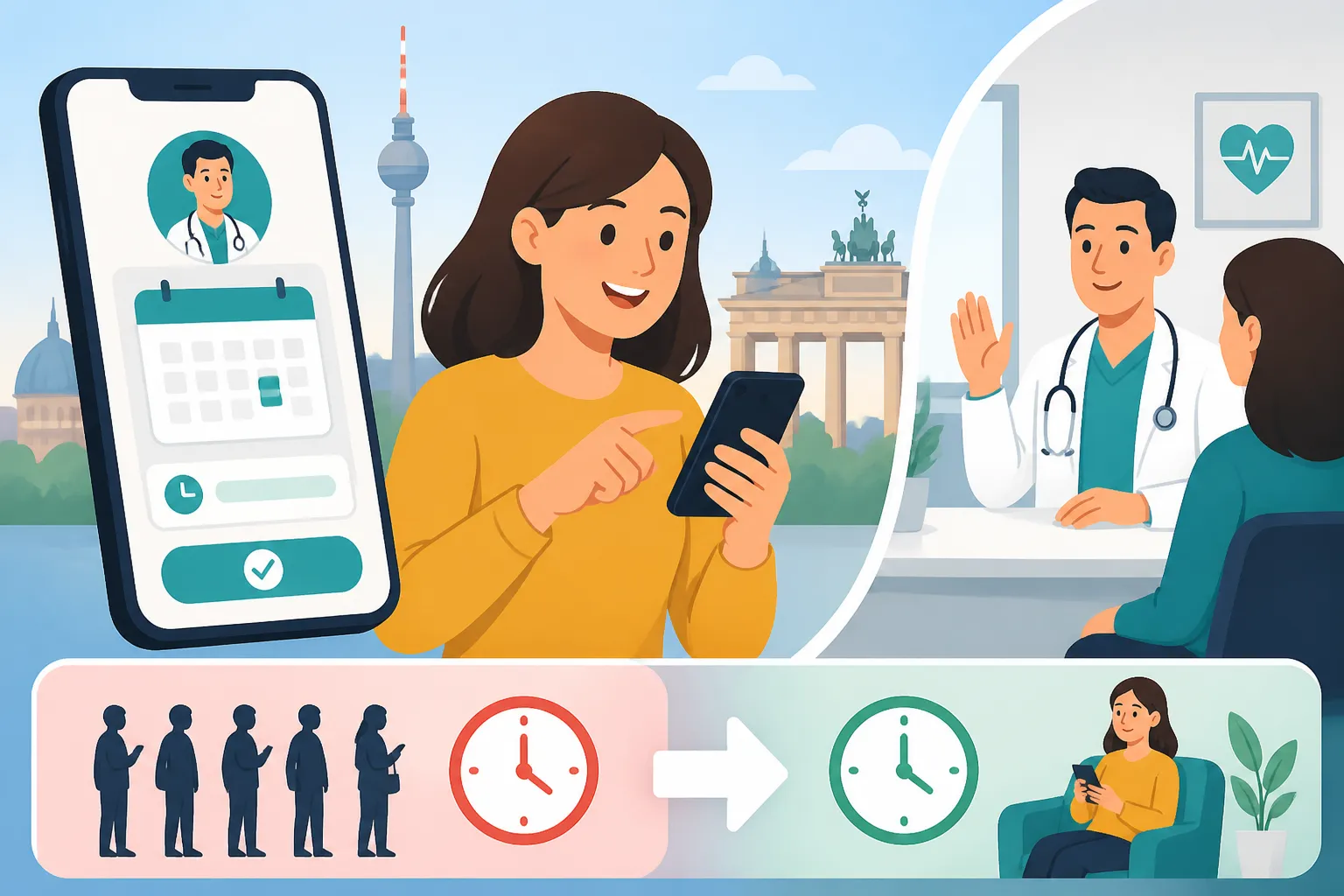
Doctolib has revolutionized medical booking in Germany. It allows you to filter by insurance type, language, and specialty. The most useful feature is the ability to see real-time cancellations. If you see an appointment three months away, book it anyway, but then check the app daily—or even hourly. People cancel all the time, and those slots pop back up instantly.
Jameda is the other heavy hitter. It functions similarly to Doctolib but often features more detailed patient reviews. When using these apps, always select "English" in the language filter if you aren't comfortable in German yet. However, keep in mind that many doctors who speak great English don't always tick that box on their profile. If you are struggling, check out Finding English-Speaking Doctors: Resources and Tips for Expats for additional ways to find a practitioner who understands you.
Telemedicine and the Rise of Digital Health
If your issue doesn't require a physical examination—like a prescription refill, a mental health consultation, or a simple skin rash—telemedicine is the fastest way to get care. Many modern insurance providers, including ottonova and Feather Insurance, offer integrated digital health services where you can speak to a doctor via video call within hours.
This is particularly useful for getting a "Krankmeldung" (sick note) without leaving your bed. Since the pandemic, the legal framework for "Fernbehandlung" (remote treatment) has expanded significantly. For expats who are constantly on the move, having a plan like SafetyWing can provide the peace of mind that a doctor is just a video call away, regardless of which city you are currently exploring.
Managing the "Online vs. Offline" Reality
While digital tools are great, some of the best, most established doctors in Germany still rely on the telephone or even a fax machine. If you don't see a doctor on Doctolib, it doesn't mean they don't exist. It often means they have so many patients they don't need an online booking system.
In these cases, the "Email Trick" is your friend. Send a polite, concise email in German (use a translation tool if needed) explaining your symptoms and your insurance type. Busy receptionists often find it easier to reply to an email during a quiet moment than to handle a ringing phone. This is a crucial part of Navigating Medical Care in Germany: Doctors, Hospitals, and Pharmacies that many people overlook in our app-centric world.
Proven Strategies for Cutting Wait Times
If you are told the next appointment is in half a year, do not just say "okay" and hang up. There are specific, government-mandated systems designed to help you get seen faster. You just have to know the right "keywords" to trigger these processes.
The 116 117 Hotline and the Terminservice
The 116 117 service is a national hotline for non-emergency medical assistance. But its most powerful feature is the "Terminservicestelle" (TSS). By law, if you have a referral from your GP marked as urgent, the TSS must find you an appointment with a specialist within four weeks.
You can access this service via their website or by calling 116 117. You will need a "Vermittlungscode" (transfer code), which your Hausarzt can provide on your referral slip. If you don't have a code, they can still help you find a general practitioner or gynecologist without one. This is one of the most underutilized tools in the expat arsenal for Doctor’s Appointments in Germany: Making Appointments and Avoiding Long Waits.
Leveraging the Offene Sprechstunde
Many clinics are required to offer "Offene Sprechstunde" (open consultation hours). This is essentially a walk-in period, usually for a few hours in the morning. The catch? You have to get there early. I’m talking 30 minutes before the doors open.
You will likely wait in the hallway with five other people, but you will be seen that day. This is the ultimate "wait time killer" for acute issues that aren't quite emergencies but can't wait months. Be prepared for a long wait in the "Wartezimmer" (waiting room), so bring a book and some water. Understanding these cultural quirks is a big part of Healthcare in Germany: A Comprehensive Guide for Expats.
The Cancellation List Strategy
When you call a doctor and they tell you they are full, ask to be put on the "Warteliste" or "Nachrückerliste" (cancellation list). Tell them you are flexible and can come in on short notice if someone else cancels. Many expats are surprised by how often this works.
Doctors hate "no-shows" because it costs them money. If they know you are five minutes away and ready to jump into a vacant slot, you become their favorite patient. This proactive approach is something we emphasize when discussing Health Insurance for Freelancers and Self-Employed: Navigating the System, as these individuals often have the schedule flexibility to take advantage of these sudden openings.
| Method | Best For | Typical Wait Time | Requirements |
|---|---|---|---|
| Doctolib/Apps | General checkups, convenience | 2-8 weeks | App account |
| Hausarzt Referral | Specialized care | 1-4 weeks | Visit to GP first |
| 116 117 Hotline | Urgent specialist needs | < 4 weeks | Vermittlungscode |
| Offene Sprechstunde | Acute/Sudden issues | Same day | Physical presence |
| Telemedicine | Prescriptions, advice | < 24 hours | Smartphone/Data |
| Private Insurance | Fast access, premium care | 1-5 days | ottonova or Feather |
Navigating Specialist Referrals and Codes
Understanding the paperwork behind the booking is just as important as the booking itself. In Germany, the "Überweisungsschein" (referral slip) is the currency of the medical world. Without it, many specialists won't even talk to you, or your insurance might not cover the full cost of the visit.
Decoding the Vermittlungscode
As mentioned earlier, the "Vermittlungscode" is a sticker or a handwritten code on your referral slip. This code is your golden ticket. It signals to the booking systems that your case has been medically vetted as needing timely intervention.
If your Hausarzt doesn't automatically give you one, don't be afraid to ask: "Könnten Sie mir bitte einen Vermittlungscode für die Terminservicestelle geben?" (Could you please give me a transfer code for the appointment service?). Most doctors are happy to help once they see you understand how the system works. This is a deep-dive topic in our article on Specialists and Referrals: How to See a Specialist Doctor in Germany.
When to Consider the "Self-Pay" Option
Sometimes, the wait for a specific, high-end specialist is simply too long, even with a code. In these cases, you can ask for a "Selbstzahler" (self-pay) appointment. You will be billed as if you were a private patient. While this sounds expensive, a standard specialist consultation often costs between €80 and €150.
For many, paying €100 to see a top-tier neurologist tomorrow instead of waiting six months is a price worth paying. If you have a flexible expat-focused plan like Feather Insurance, they can often advise you on how these costs interact with your specific coverage or if there are ways to get reimbursed. This is a common strategy for those exploring Private Health Insurance in Germany: Benefits, Costs, and Eligibility.
The Importance of the "Dringlichkeitsbescheinigung"
If your situation is deteriorating, your doctor can issue a "Dringlichkeitsbescheinigung" (certificate of urgency). This is more than just a referral; it’s a formal statement that your health is at risk if you are not seen immediately.
If you have one of these, you can often bypass the standard booking lines and even get the 116 117 operators to escalate your case to a hospital-based specialist. This is particularly relevant for those dealing with mental health crises or severe chronic pain. We cover the nuances of these urgent pathways in our guide on Medical Emergencies: What to Do and Where to Go in Germany.
Cultural Nuances and Etiquette at the Doctor's Office
Once you finally secure that elusive appointment, your job isn't over. The way you conduct yourself in a German "Praxis" (clinic) determines whether the staff will help you next time or place you at the bottom of the pile.
Punctuality is Non-Negotiable
If your appointment is at 10:00, you should be standing at the reception desk at 09:50. In Germany, being "on time" is considered late. If you arrive at 10:05, there is a very high chance they will give your slot to a walk-in patient and tell you to rebook.
This punctuality isn't just about the doctor's time; it's about the rhythm of the entire office. German clinics are run with military precision. If you respect the schedule, the "Praxisteam" (medical staff) will respect you.
Managing the Language Barrier with Empathy
The receptionists (Medizinische Fachangestellte) are the most powerful people in the building. They are also often the most stressed. If you walk in and immediately demand English, you might be met with a cold "nein."
Instead, start with: "Guten Tag, mein Deutsch ist noch nicht so gut. Können wir es auf Englisch versuchen?" (Good day, my German is not so good yet. Can we try English?). This small gesture of effort goes a long way. Even if they don't speak English well, they will usually be much more helpful if they see you are trying to integrate. If you are worried about communication, you might find our guide on Finding English-Speaking Doctors: Resources and Tips for Expats useful for your preparation.
Bringing Your Own History
Unlike some countries where your medical records are centralized and digital, Germany still loves a paper trail. Whenever you go to a new doctor, bring a folder with your past "Befunde" (results), blood tests, and a list of medications you are currently taking.
Having this ready not only saves time but also signals to the doctor that you are a serious, organized patient. If you are using a digital-first provider like ottonova, you can often store these documents in their app for easy access. This organization is a key part of Navigating Medical Care in Germany: Doctors, Hospitals, and Pharmacies.
Dealing with the "No Appointments Available" Wall
There will be times when every system seems to fail. You've checked Doctolib, you've called 116 117, and you've visited your GP, yet the specialist you need is still unreachable. In these moments, you need to pivot your strategy.
The Power of the Pharmacy
If you are waiting for an appointment just to get advice on a minor ailment, go to an "Apotheke" (pharmacy) first. German pharmacists are highly trained and can offer significant medical advice and over-the-counter solutions that might bridge the gap until your appointment.
Many expats don't realize that a pharmacist can often tell you if your symptoms require an immediate ER visit or if they can be managed at home for a few days. For more on this, read The German Apotheke Experience: Why Pharmacies Are More Than Just Medicine. This is especially true for those on traveler insurance like SafetyWing, where you might just need a quick fix for a travel-related bug.
Checking for New Clinic Openings
New medical practices open every month. These clinics have zero patients and are desperate to fill their schedules. They won't be at the top of Google search results yet. Check local community groups, expat forums, or even look for "Neu Eröffnung" (New Opening) signs in your neighborhood.
I once found an amazing English-speaking dentist this way who had a same-day opening simply because they had opened their doors two days prior. Staying alert to your surroundings is just as important as using the right apps.
Using Your Insurance Provider's Support
Don't forget that you pay for your insurance, and many of them offer booking services. Feather Insurance, for instance, is known for its high level of expat support. If you are stuck, reach out to your provider's customer service.
They often have dedicated teams who can search for appointments on your behalf. Since they have a vested interest in your health, they are often willing to go the extra mile that a busy receptionist won't. This support is a major reason why many choose Private Health Insurance in Germany: Benefits, Costs, and Eligibility over the standard public options.
Disclaimer Regarding Medical Advice
The information provided in this guide is for informational purposes only and does not constitute professional medical advice, diagnosis, or treatment. Always seek the advice of your physician or other qualified health provider with any questions you may have regarding a medical condition. The administrative tips provided are based on expat experiences and current regulations in Germany, which are subject to change. In case of a medical emergency, dial 112 immediately.