How to Find a Dentist in Germany and What’s Covered
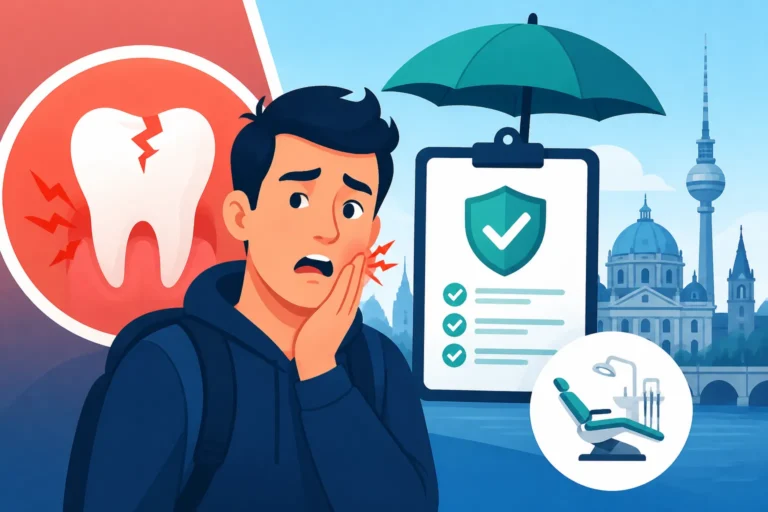
Waking up with a throbbing toothache in a country where you barely know how to ask for bread is a unique brand of expat panic. I remember my first dental emergency in Berlin; I sat in the waiting room clutching my jaw, terrified not just of the drill, but of a bill that might wipe out my monthly rent. This guide settles those fears by explaining exactly how to find a reliable dentist and what your insurance covers.
Disclosure: This post may contain affiliate links. We may earn a commission at no extra cost to you if you make a purchase through these links. Read full disclosure.
Understanding the German Dental Care Landscape
In Germany, dental care is high-quality, but the way it is funded can be a bit of a shock to newcomers. Unlike general medical care, where public insurance covers almost everything, dental care often operates on a "basic vs. premium" model. If you have a Public Health Insurance (gesetzliche Krankenkasse): What It Covers and Costs, you are entitled to what the law calls "sufficient, appropriate, and economical" treatment. This means the system prioritizes function over aesthetics.
If you are on private insurance, perhaps through a provider like ottonova, your experience will be different. Private patients often have access to a wider range of high-end materials and shorter waiting times, though the public system in Germany is still world-class. The key is knowing that the "standard" treatment offered by a public insurer might involve metal fillings or basic crowns, whereas anything "invisible" or "natural-looking" usually requires an out-of-pocket contribution.
For those just arriving or living the digital nomad life, companies like SafetyWing offer plans that can cover emergency dental stabilization, which is a lifesaver if you haven’t yet navigated the local Health Insurance in Germany: Understanding Public vs Private Coverage system. However, for long-term residents, the goal is finding a "Hauszahnarzt" (family dentist) who you can visit for your yearly checkups.
The Famous Bonusheft (Bonus Booklet)
One of the most German aspects of dental care is the "Bonusheft." On your very first visit, the receptionist will likely hand you a small yellow or white booklet. Do not lose this. It is your ticket to lower costs in the future. Every year you go for a checkup, the dentist stamps this book.
If you consistently get your stamps for five years, your insurance provider will increase their contribution toward major work (like crowns or bridges) by 60%. If you have ten years of stamps, that contribution jumps to 75%. It’s a system designed to reward prevention over cure. I’ve seen expats lose out on thousands of Euros in subsidies simply because they didn't realize they needed a physical stamp in a little paper booklet. It feels archaic, but it is the backbone of Dental Care in Germany: Finding Dentists and Understanding Costs.
How to Find an English-Speaking Dentist
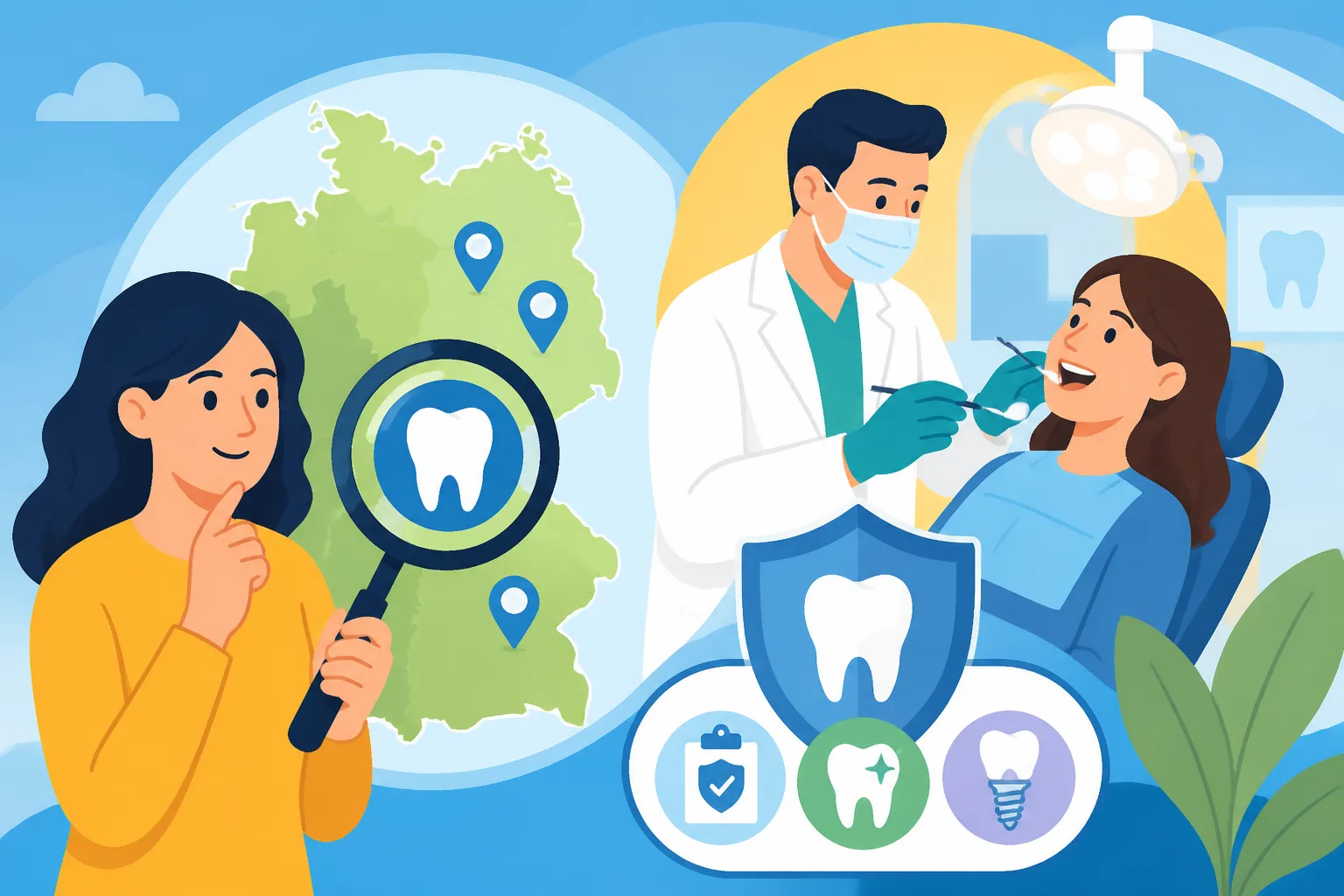
Finding a dentist is relatively easy, but finding one who can explain a root canal to you in English requires a bit more strategy. Most younger dentists in major cities like Munich, Hamburg, or Frankfurt speak excellent English, but the technical medical terms can still be a hurdle for both parties.
The best place to start is an online booking platform like Doctolib or Jameda. These sites allow you to filter by language, specialty, and even insurance type (public vs. private). When you search, look for the term "Englisch" under the languages spoken. If you are in a pinch and can't find an appointment, you might want to read our tips on Booking Doctor Appointments in Germany and Cutting Wait Times.
Local Recommendations and Reviews
Don’t underestimate the power of expat Facebook groups or Reddit threads for your specific city. Word of mouth is huge in Germany. When I was looking for a dentist, I found that the most "English-friendly" clinics often advertise themselves as such on their websites.
If you end up at a clinic where the receptionist doesn't speak English, don't worry. You can usually get by with a few phrases. To help you prepare, it's worth checking out Common German Medical Terms: A Mini Dictionary for Patients so you can at least identify the parts of your mouth that hurt. When you call, simply ask, "Sprechen Sie Englisch?" Most of the time, the answer is a relieved "Yes."
What to Expect at Your First Appointment
When you arrive for your German Dental Appointment: How to Book and What to Expect on Your Visit, you will be asked to fill out an "Anamnesebogen" (health questionnaire). This covers your medical history, allergies, and insurance details. If you are on a public plan, you just hand over your "Gesundheitskarte" (health card).
If you have a supplementary plan from a provider like Feather Insurance, you should mention this. While the dentist bills the public insurer directly for basic stuff, they will give you a private invoice for the "extra" costs, which you then send to your supplementary insurer for reimbursement. This is a common way expats bridge the gap between basic care and the high-end dental work they might be used to back home.
What is Covered by Public Insurance
This is where the confusion usually starts. Public insurance is great for keeping your teeth in your head, but it isn't always great at making them look like a Hollywood smile. Here is a breakdown of what the "Krankenkasse" typically covers:
- Checkups: Two per year are covered.
- Scale and Clean: Basic tartar removal (Stein-Entfernung) is usually covered once a year.
- Emergency Pain Relief: If you have an acute infection or a broken tooth, the basic fix is covered.
- Fillings: For back teeth, the insurance covers amalgam (silver) fillings. For front teeth, they cover composite (white) fillings. If you want white fillings in your molars, you usually have to pay the "Mehrkosten" (additional cost) yourself, which is typically between €60 and €120 per tooth.
The Professional Teeth Cleaning (PZR)
One thing that surprises many is that the "Professionelle Zahnreinigung" (PZR)—the deep cleaning that takes about 45–60 minutes—is usually not fully covered by public insurance. Most dentists recommend this twice a year. It usually costs between €80 and €150. Some public insurers will give you a subsidy of €40 or €60 toward this if you submit the receipt, but it is rarely "free." This is a major reason why many expats choose to get Dental Insurance in Germany: Do You Need Extra Coverage for Teeth? to cover these biannual costs.
Major Dental Work and the "Heil- und Kostenplan"
If you need a crown, bridge, or implant, the process becomes very bureaucratic. Your dentist will create a "Heil- und Kostenplan" (Treatment and Cost Plan). This is a document that lists exactly what needs to be done and how much it will cost.
You must send this document to your insurance company before the treatment begins. They will look at your Bonusheft, see how much they are willing to pay, and send it back to you. Only then should you start the work. If you proceed without their approval, they can refuse to pay their share. For a deep dive into this process, see our guide on Going to the Dentist in Germany: How to Book and What’s Covered by Insurance.
| Service Category | Public Insurance (GKV) Coverage | Private/Supplementary (PKV) Coverage |
|---|---|---|
| Routine Checkup | 100% (Twice a year) | 100% |
| Basic Fillings | 100% (Amalgam for molars) | 100% (Usually white composite) |
| Professional Cleaning (PZR) | 0% – 50% (Often via subsidy) | 80% – 100% |
| Root Canal | 100% (If the tooth is "savable") | 100% (Includes advanced tech) |
| Crowns & Bridges | 50% – 75% of "Standard" care | 80% – 100% of actual cost |
| Dental Implants | Very minimal contribution | Highly covered (depending on plan) |
Handling Dental Emergencies
Toothaches don't happen on Tuesday mornings at 10:00 AM; they happen on Saturday nights after the clinics have closed. If you find yourself in pain after hours, you need to look for the "Zahnärztlicher Notdienst" (Emergency Dental Service).
Every city has a rotation of dentists who stay open all night or on weekends specifically for emergencies. You can find the nearest one by searching "Zahnarzt Notdienst [Your City]" or by calling the non-emergency medical number, 116 117. We have a detailed explanation of how this works in our article on Dental Emergency: What to Do if You Have a Toothache or Accident.
Be aware that the emergency dentist will only do enough to stop the pain or stabilize the tooth. They won't do a full cosmetic restoration. You will then be referred back to your regular dentist for the follow-up work. If you are a traveler using SafetyWing, make sure to keep all your receipts and a brief report from the doctor for your claim.
The Cost of Emergency Care
If you have a German health card, the emergency visit itself is covered. However, if the dentist has to use certain materials or if you are uninsured, you might be asked to pay on the spot. In Germany, "on the spot" often means cash or EC-card (Girocard), as many smaller practices still struggle with international credit cards. Always keep a bit of cash on you for these situations.
Why You Might Need Dental Supplement Insurance
If you’ve looked at the table above, you’ll notice that for major things like crowns and implants, public insurance leaves a significant gap. If a crown costs €800, your public insurer might only pay €400. That’s a big "Eigenanteil" (personal share) to swallow.
This is why many expats sign up for "Zahnzusatzversicherung." Providers like Feather Insurance and ottonova offer plans that specifically cover that remaining 20% to 50% that the public insurance misses. These plans usually cost between €10 and €30 a month. If you plan on being in Germany for a few years and your teeth aren't made of steel, it’s almost always a sound financial investment. It turns a €1,000 dental disaster into a €50 administrative annoyance.
When choosing a plan, look for "Wartezeit" (waiting periods). Some plans won't pay for major work in the first six months of the policy. Others, often called "Sofort" plans, have no waiting period but might have lower payout limits in the first year. Understanding Health Insurance in Germany: Understanding Public vs Private Coverage is essential before you sign any contracts.
Final Tips for a Stress-Free Visit
To make your dental experience in Germany as smooth as possible, keep these veteran tips in mind:
- Be Punctual: If your appointment is at 9:00, be there at 8:55. German dentists run tight schedules, and being late is seen as quite disrespectful.
- Ask for the "Kostenanschlag": Before any work starts, even a filling, ask "Kostet das extra?" (Does this cost extra?). They are legally required to tell you, but sometimes they assume you want the "premium" white filling without asking.
- Keep Your Bonusheft Safe: Treat it like your passport. Those stamps are literally worth hundreds of Euros.
- Check for "Zweitmeinung": If a dentist tells you that you need €5,000 worth of work, you are entitled to a second opinion. Many public insurers even have a dedicated service to help you get a second diagnosis for free.
Navigating the Healthcare in Germany: A Comprehensive Guide for Expats system takes time, but the dental wing is one of the more predictable parts once you understand the "Standardversorgung" (standard care) rules. Whether you choose the digital-first approach of ottonova or the expat-friendly simplicity of Feather Insurance, getting covered will ensure that the only thing you have to worry about at the dentist is the actual dental work.
Disclaimer
This article provides a general overview of dental care in Germany and is intended for informational purposes only. It does not constitute legal or professional medical advice. Insurance regulations and coverage levels can change, and individual circumstances vary. Always consult with your insurance provider and a qualified dental professional before undergoing treatment or signing insurance contracts.