How to Set Up Gas and Water in a German Home
Stepping into your new German apartment, you might expect the lights to turn on and the water to run hot immediately. I remember the shock of my first move to Hamburg, standing in a freezing kitchen and realizing that "utilities included" didn't actually mean the gas was turned on in my name. This guide solves the complex puzzle of setting up your gas and water connections, ensuring you don't spend your first week in the dark or the cold.
Disclosure: This post may contain affiliate links. We may earn a commission at no extra cost to you if you make a purchase through these links. Read full disclosure.
Decoding the German Utility System: Kaltmiete vs. Warmmiete
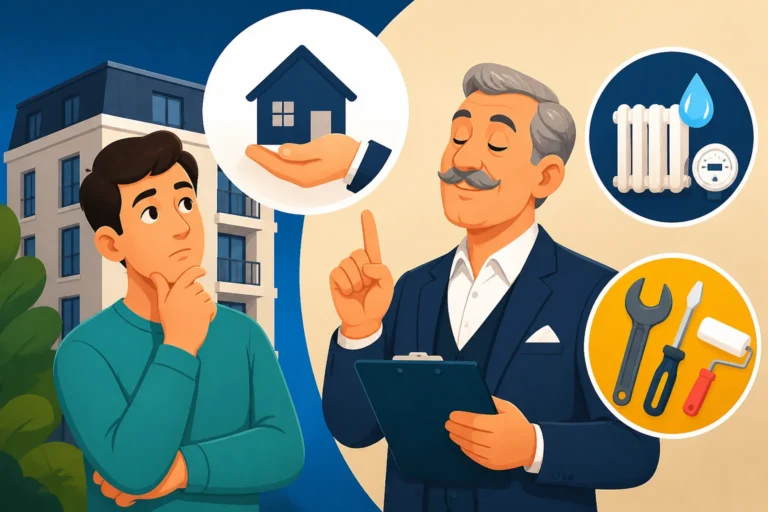
Before you even touch a meter or call a provider, you have to understand exactly what your landlord is responsible for and what falls on your shoulders. In Germany, rental prices are almost always split into two categories: Kaltmiete (cold rent) and Warmmiete (warm rent). The difference between these two is where the "Nebenkosten" or additional costs live.
Typically, your Warmmiete includes things like property taxes, chimney sweeping, trash collection, and—most importantly for this guide—water. However, gas is a different beast entirely. In many older German buildings, known as Altbau, each apartment has its own gas-powered boiler (a Gasetagenheizung) located right in the kitchen or bathroom. If your apartment has one of these, you are responsible for finding your own gas provider and paying them directly, much like you would with your electricity.
If you are coming from a situation where everything was handled for you—perhaps you stayed in a furnished apartment found through Wunderflats when you first arrived—moving into a long-term, unfurnished flat can be a bureaucratic culture shock. You are no longer just a tenant; you are a utility manager. You must check your How to Understand a German Rental Contract (Mietvertrag) very carefully. Look for mentions of Heizkosten (heating costs). If the contract says these are paid to the landlord as a "Vorauszahlung" (pre-payment), then the landlord handles the gas contract for the whole building. If it says you must "selbst anmelden" (register yourself), you need to get to work immediately.
Navigating the Gas Setup Process
If you have determined that you need your own gas contract, the clock is ticking. From the moment you receive your keys and sign the Übergabeprotokoll (handover protocol), you have a short window to choose a provider. If you do nothing, you won't be cut off immediately, but you will automatically fall into the Grundversorgung—the local default provider’s basic tariff. This is almost always the most expensive way to buy gas in Germany.
The first step is to locate your gas meter. It is often in the hallway, the basement (Keller), or sometimes hidden in a cabinet within your apartment. You need two specific pieces of information: the Zählernummer (meter number) and the Zählerstand (the current reading). Make sure the reading you use matches the one on your handover protocol to avoid paying for the previous tenant's final hot showers.
Once you have these numbers, you can use comparison portals like Verivox or Check24 to find a provider. While these sites are in German, they are relatively intuitive. You will enter your postal code and your estimated annual consumption in kWh. If you're unsure of your consumption, a common estimate for a 50-square-meter apartment is around 5,000 to 8,000 kWh per year, depending on how much you cook and how warm you like your rooms. While navigating these portals, ensure your Opening a Bank Account in Germany: Step-by-Step for Newcomers is finalized, as almost all providers will require a SEPA direct debit mandate to pull monthly payments.
While you are waiting for your contract to be confirmed and your home internet to be installed, you might find yourself tethering from your phone to manage all the paperwork. Using a local eSIM or a service like Airalo can be a lifesaver during this transition week so you don't burn through your international roaming data while uploading scans of your ID and registration.
Understanding Gas Contract Types in Germany
| Feature | Grundversorgung (Default) | Sondertarif (Special Contract) |
|---|---|---|
| Price | Usually the highest market rate | Competitive, often with bonuses |
| Contract Length | None (cancel anytime) | Often 12 to 24 months |
| Cancellation Period | 2 weeks | Usually 1 to 3 months before expiry |
| Price Guarantee | Rarely | Often included for 12 months |
| Payment Method | Invoice or Direct Debit | Almost exclusively Direct Debit |
The Water Situation: Why You Rarely Need a Contract
One of the few administrative reliefs in Germany is that, as a tenant in an apartment building, you almost never have to set up your own water contract. Water is considered a basic necessity that is managed at the building level. The landlord or the Hausverwaltung (property management) has a contract with the local Stadtwerke (city utilities), and the costs are distributed among the tenants based on the size of their apartment or individual water meter readings.
These costs are part of your Nebenkosten. Once a year, you will receive a Nebenkostenabrechnung—a detailed statement showing exactly how much water was used in the building and what your share of the cost is. If you used less than the monthly "Abschlag" (advance payment) you've been paying with your rent, you will get a refund. If you spent the year taking hour-long hot showers, expect a bill for the difference.
However, if you are moving into a free-standing house (Einfamilienhaus), the rules change. In this scenario, you are the one responsible for the relationship with the local water office. You will need to contact the city’s water works (e.g., Berliner Wasserbetriebe in Berlin or Stadtwerke München in Munich) to register the meter in your name. This usually requires your How to Register Your Address (Anmeldung) in Germany documents and the meter reading from the day you took possession of the house.
Even if you aren't paying the water company directly, you should still keep an eye on your water meter, which is usually located under the sink or in the bathroom behind a small plastic panel. Leaks are a common issue in older German pipes. Since you likely have Liability Insurance (Haftpflicht): The Most Important Insurance in Germany?—which is highly recommended for all expats—you are covered for accidental damage to the building, but catching a leak early will save you from a massive Nebenkosten surprise at the end of the year.
Troubleshooting and Maintenance: Boilers and Technicians
Setting up the contract is only half the battle; maintaining the equipment is the other half. If you have a gas boiler in your apartment, you are generally responsible for the "small" maintenance, like ensuring the water pressure is correct. Look at the gauge on your boiler; it should usually stay between 1.5 and 2.0 bar. If it drops, your heaters might stop working. You can often top this up yourself with a hose, but if you're nervous, ask your landlord to show you how during the handover.
Another quirk of German living is the Schornsteinfeger (chimney sweep). In Germany, the chimney sweep is a government-regulated official who has a legal right to enter your home once a year to check the safety and emissions of your gas boiler. You cannot refuse them entry. They will usually hang a notice in the hallway of your building a few days before they arrive. If you aren't home, you'll have to arrange a second appointment, which might cost you extra.
For general repairs and small tools needed for your radiators—like a "Heizkörperschlüssel" to bleed air out of your heaters—you can find everything you need on Amazon Germany. I highly recommend buying a radiator key before winter starts; if your heater is hot at the bottom but cold at the top, it has trapped air, and bleeding it will make your gas usage much more efficient.
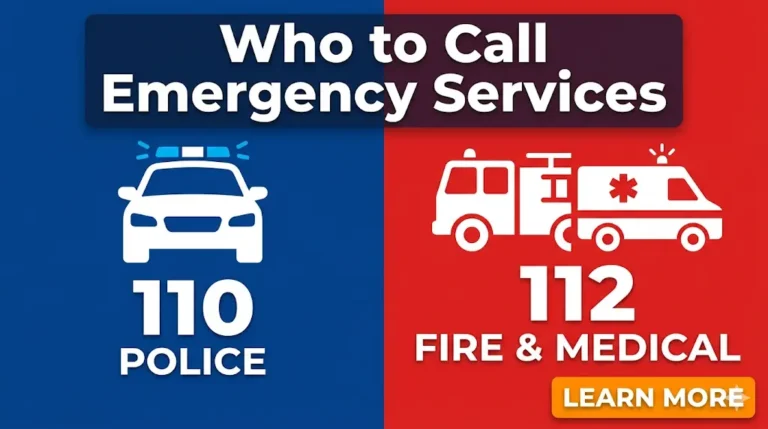
If you ever smell gas, do not wait. Open all windows, do not use any electrical switches (which could cause a spark), leave the building immediately, and call the gas emergency number for your city or the general emergency line. You can find more about this in our guide on Emergency Numbers in Germany: Calling 112, Poison Control, and More.
Managing Payments and Annual Statements
Utility payments in Germany work on a system of Abschläge. Instead of paying for exactly what you used last month, the provider estimates your annual usage and divides it into 12 equal monthly payments. This is designed to help you budget, as your gas usage will be massive in January but almost zero in July.
At the end of the "Abrechnungszeitraum" (billing period), the provider will ask you for a meter reading. You can usually submit this via their website or a mobile app. They will then calculate your actual consumption. If your Abschläge were too high, you’ll receive a credit toward your next bill. If they were too low, they will pull the remaining balance from your account and likely increase your monthly payment for the following year.
To keep these costs manageable, it is vital to understand the Cost of Utilities in Germany: Average Prices for Electricity, Gas, Water. Keeping your thermostat at 19 or 20 degrees Celsius instead of 23 can save you hundreds of Euros over a long German winter. Pro-tip: Germans love Stoßlüften (shock ventilation)—opening all windows wide for 5 minutes rather than leaving one tilted (auf Kipp) all day. This keeps the air fresh without letting the walls and furniture lose their heat, which keeps your gas boiler from working overtime.
Finally, make sure your How to Pay Bills in Germany: Banking Autopay, Direct Debit, and Transfers settings are correct. If a gas provider attempts to pull a payment and your account has insufficient funds, they will charge a "Rücklastschrift" fee, and repeated failures can lead to your contract being canceled, landing you back in the expensive Grundversorgung tariff.
Disclaimer
The information provided in this guide is for informational purposes only and does not constitute legal or professional financial advice. Utility regulations and prices in Germany are subject to change, and specific rental contract terms may vary. Always consult with your landlord, property management, or a legal professional regarding your specific housing situation.