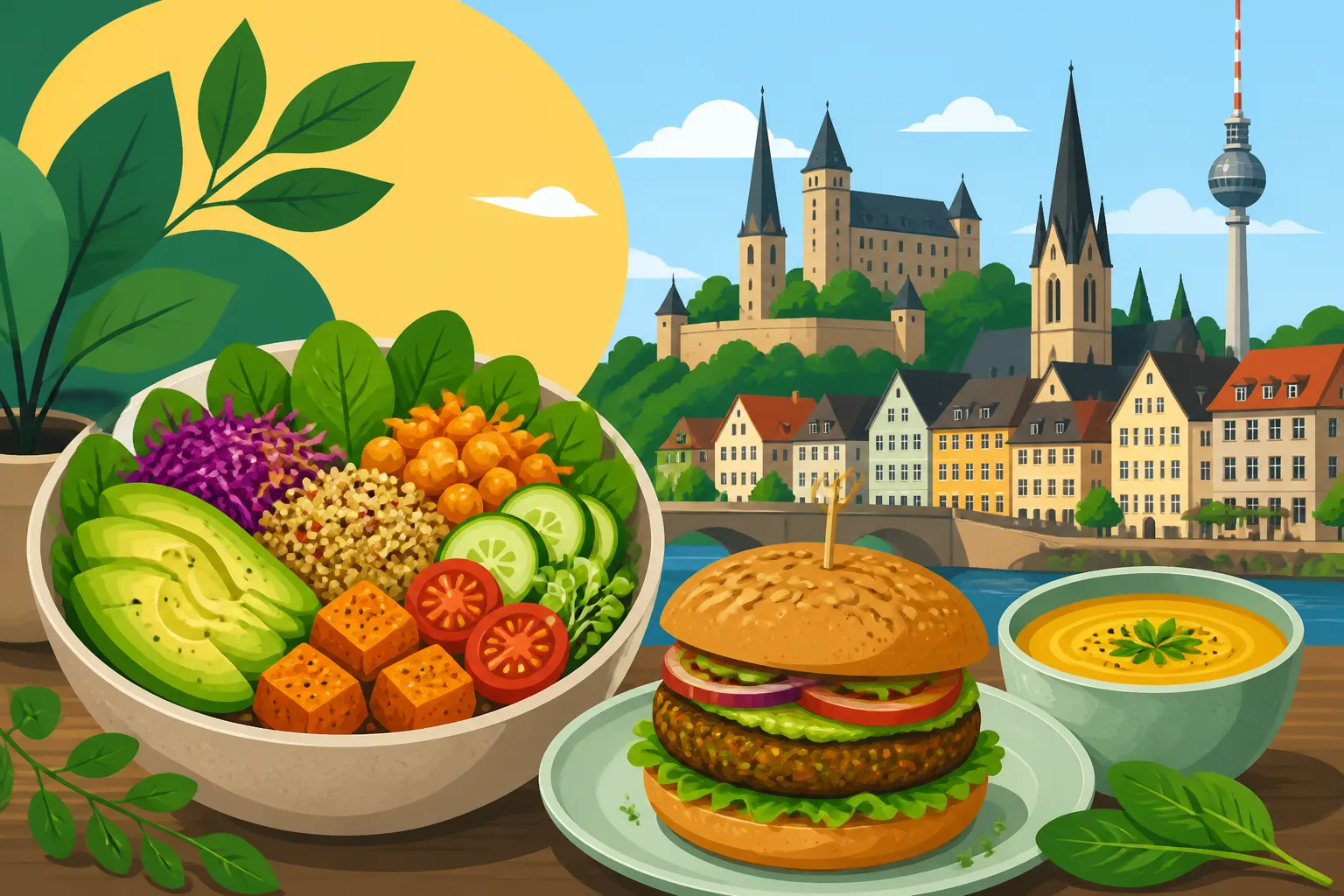
Vegetarian and Vegan Dining in Germany
Navigating dietary restrictions in a new country can feel like trying to find a needle in a haystack, especially if you're picturing Germany as a land solely dedicated to Würst and Schnitzel. Believe me, I've been there, staring at menus with a bewildered expression, wondering if "vegetarisch" truly meant no hidden animal bits. This guide is here to unravel the delicious truth: Germany's plant-based scene is thriving, and you absolutely can eat incredibly well here, whether you're vegetarian or vegan.
Disclosure: This post may contain affiliate links. We may earn a commission at no extra cost to you if you make a purchase through these links. Read full disclosure.
The Evolving Landscape of Plant-Based Eating in Germany
For many years, traditional German cuisine was, let's face it, pretty meat-centric. Hearty stews, robust roasts, and an impressive array of sausages formed the backbone of the culinary landscape. I recall my first few years here, often feeling limited to a side salad or a plate of Spätzle if I was lucky enough to find a restaurant that even offered a vegetarian option beyond a single bland dish. But times, my friends, they are a-changin'.
From Meat-Heavy to Mindful: A Cultural Shift
The shift towards more plant-based eating in Germany is not just a passing fad; it's a significant cultural evolution. Historically, German meals were often built around meat as a centerpiece, reflecting an agricultural past where meat was a valuable commodity. Think of classic dishes like Schweinshaxe (pork knuckle) or Rouladen (beef rolls), often served with rich gravies. Even seemingly innocent dishes like potato salad or red cabbage often contained speck (bacon) or were prepared with animal fats. For newcomers, this presented a genuine challenge, forcing many to either compromise their dietary principles or stick to cooking exclusively at home.
However, over the last decade, there's been a palpable movement towards healthier, more sustainable, and ethically conscious food choices. This has been fueled by a greater awareness of environmental impact, animal welfare, and personal health. Younger generations, in particular, are leading this charge, embracing veganism and vegetarianism not just as a diet, but as a lifestyle. This growing demand has, in turn, spurred businesses to adapt, creating a far more inclusive culinary environment than I ever imagined possible when I first arrived.
Rising Popularity of Veganism and Vegetarianism
The numbers don't lie: Germany has become a powerhouse in the plant-based movement. Studies consistently show a significant increase in the number of vegetarians and vegans across the country, making it one of the leading nations in Europe for plant-based diets. Major cities like Berlin, Hamburg, and Munich have seen an explosion of vegan and vegetarian restaurants, cafes, and specialized shops. But it's not just the big urban centers anymore; even smaller towns are starting to offer more diverse options as awareness spreads.
This rising popularity isn't just about restaurant openings. It's reflected in supermarket aisles bursting with plant-based alternatives, from milk and cheese substitutes to an impressive array of vegan sausages and schnitzels. Food festivals now routinely feature dedicated vegan zones, and even traditional German bakeries are beginning to label their vegan bread and pastry options. It’s truly heartwarming to see how far the country has come, making it significantly easier for those of us living a plant-based life.
Decoding Menus and Dining Out: Your Guide to German Restaurants
Stepping into a German restaurant for the first time can still be a little intimidating, especially if your German is a work in progress. But armed with a few key phrases and an understanding of what to look for, you'll be ordering plant-based meals like a pro. The days of only finding a sad side salad are, thankfully, largely behind us.
Essential German Phrases for Plant-Based Eaters
While many restaurant staff, particularly in tourist-heavy areas or larger cities, might speak English, knowing a few German phrases will always come in handy and earn you some goodwill. Misunderstandings can happen, so being clear is crucial. Here are some absolute must-know terms:
- Ich bin Vegetarier/in. (I am vegetarian – male/female)
- Ich esse kein Fleisch, keinen Fisch und kein Geflügel. (I don't eat meat, fish, or poultry.)
- Ich bin Veganer/in. (I am vegan – male/female)
- Ich esse keine tierischen Produkte. (I don't eat animal products.)
- Das bedeutet kein Fleisch, kein Fisch, keine Milchprodukte (Käse, Sahne, Joghurt), keine Eier und kein Honig. (That means no meat, no fish, no dairy products (cheese, cream, yogurt), no eggs, and no honey.)
- Ist das Gericht vegetarisch/vegan? (Is this dish vegetarian/vegan?)
- Enthält das … Fleisch/Fisch/Milch/Eier/Honig? (Does this contain… meat/fish/milk/eggs/honey?)
- Ohne Fleisch, bitte. (Without meat, please.)
- Könnten Sie das Gericht vegan zubereiten? (Could you prepare this dish vegan?)
- Haben Sie pflanzliche Milch für den Kaffee? (Do you have plant-based milk for coffee?)
Always be polite and patient, and don't hesitate to ask for clarification if something is unclear. It’s a learning curve for everyone, including the restaurant staff who might not be accustomed to such specific requests in all regions.
Types of Eateries and What to Expect
Germany offers a wide spectrum of dining experiences, and thankfully, more and more are embracing plant-based options.
- Traditional Gasthäuser/Restaurants: These can be a bit hit-or-miss, especially in smaller towns. Look for dishes explicitly labeled "vegetarisch" or "vegan." Often, you might find Käsespätzle (cheese noodles), although check if it's made with animal rennet cheese or served with traditional butter. Ask if they can prepare things ohne Speck (without bacon). A good trick is to ask if they have Gemüsesuppe (vegetable soup) or Salat mit Ofenkartoffel (salad with baked potato), and then clarify ingredients.
- Modern Cafes & Bistros: These are often your best bet, especially in cities. Many contemporary cafes automatically offer plant-based milk options for coffee and often have dedicated vegan breakfast items, sandwiches, or lunch bowls. They're usually more accustomed to dietary requests.
- International Cuisine: This is where things really open up. Italian restaurants often have numerous pasta dishes, pizzas (ask for ohne Käse or mit veganem Käse), and salads. Asian restaurants (Thai, Vietnamese, Indian) are usually excellent, with many curries, noodle dishes, and rice dishes that are naturally vegetarian or easily made vegan. Middle Eastern eateries, particularly those serving falafel, hummus, and a variety of salads, are also fantastic choices. Mexican and Turkish places can also be great, with bean-based options and fresh salads.
- Vegan/Vegetarian Specific Restaurants: In larger cities, you'll find entire establishments dedicated to plant-based dining. These are a dream, with creative menus and no need to constantly check ingredients. Websites like HappyCow are invaluable for locating these gems. Sometimes, guided food tours, which you might find on platforms like GetYourGuide, specifically highlight vegan-friendly spots, giving you a curated experience without the guesswork.
Navigating Different Cuisines
While German cuisine is evolving, sometimes you just crave something familiar yet plant-based. Here’s how different international cuisines shine for plant-based eaters in Germany:
- Italian: A true staple. Think Pizza Marinara (often naturally vegan), Pasta Aglio e Olio, or Risotto ai Funghi (check for butter/cheese). Most pizzerias offer a vegetable pizza where you can request to hold the cheese, or increasingly, substitute it with vegan cheese. Pastas are typically made without egg, but it's always worth a quick check: Ist die Pasta ohne Ei gemacht? (Is the pasta made without egg?).
- Asian: Vietnamese and Thai restaurants frequently have extensive vegan menus or clearly marked dishes. Fresh spring rolls, curries with coconut milk, and various stir-fries are usually safe bets. Indian restaurants almost always have a rich selection of vegetarian and vegan options, like lentil dal, vegetable curries, and flavorful rice dishes. Just be sure to specify vegan as some vegetarian dishes might contain dairy or ghee.
- Middle Eastern: Falafel stands and Turkish restaurants are abundant and often offer fantastic vegan options. Falafel wraps or plates are almost always vegan, and you can pile on salads, hummus, and different sauces. Many döner shops now offer vegan alternatives to their meat, like seitan or grilled vegetables, making them a quick and easy option for a tasty bite.
Remember, the key is clear communication. Don’t be afraid to ask questions; most places are genuinely happy to accommodate if they can. And sometimes, you might discover fantastic plant-based versions of German dishes you never thought possible! To plan your trips to these culinary hotspots, especially within Germany's excellent public transport network, check out options on Omio for bus or train tickets.
Supermarket Savvy: Stocking Your Plant-Based Pantry
Eating out is fantastic, but for daily life, mastering the German supermarket scene is essential for any plant-based expat. The good news is, Germany's supermarkets have truly stepped up their game in recent years, making it a joy to fill your cart with vegan and vegetarian delights. This makes Navigating German Supermarkets: Grocery Shopping Tips and Tricks even more vital for newcomers.
Major Supermarket Chains and Their Vegan Offerings
Gone are the days when a vegan diet meant shopping at expensive specialty stores. Now, even the discount supermarkets have excellent selections.
- Edeka & Rewe: These are typically larger supermarkets with a wide range of products, often including dedicated "Bio" (organic) sections and extensive vegan product lines. You’ll find multiple brands of plant-based milks, yogurts, cheeses, meat alternatives (like vegan schnitzel or sausages), and prepared meals. They also boast great fresh produce sections.
- Lidl & Aldi: The discount giants have become surprisingly good for plant-based staples. While their selection might be less diverse than Edeka or Rewe, they consistently offer affordable plant milks, tofu, vegan spreads, and frequently introduce new vegan products as weekly specials. Aldi's own-brand "Mein Veggie Tag" and Lidl's "Vemondo" lines are often excellent and budget-friendly.
- Kaufland: Similar to a hypermarket, Kaufland offers a massive selection of everything, including a very strong vegan and organic range. You can often find niche international vegan products here that might be harder to source elsewhere.
- Penny & Netto Marken-Discount: These are also discount chains, and while perhaps not as extensive as Aldi or Lidl, they are improving and often have basic plant-based milks, tofu, and some meat alternatives.
- Organic Supermarkets (Bio-Märkte): Stores like Alnatura and Denn's Biomarkt are entirely focused on organic and often overwhelmingly vegetarian/vegan products. This is where you’ll find the widest selection of high-quality tofu, tempeh, seitan, specialized vegan cheeses, artisan breads, and organic produce. While pricier, they are a fantastic resource for specific ingredients and gourmet items.
Deciphering Labels and Certifications
When you're rushing through the aisles, understanding food labels is crucial. Germany has made this a lot easier with clear labeling.
- "Vegetarisch" (Vegetarian): This label, often a green V-shaped leaf, indicates that the product contains no meat or fish. However, it can still contain dairy, eggs, or honey.
- "Vegan": This label, usually a yellow V with "vegan" written in green, guarantees no animal products whatsoever – no meat, fish, dairy, eggs, or honey. This is your go-to for complete plant-based assurance.
- "Bio" (Organic): Products with the German Bio-Siegel (a hexagon with "Bio" and a leaf) or the EU organic logo signify organic farming standards. While not necessarily vegan, organic supermarkets and brands often have a higher proportion of plant-based options.
- Allergen Information: German labels are quite comprehensive regarding allergens. Look for bolded ingredients like Milch (milk), Ei (egg), or Honig (honey) in the ingredient list (Zutatenliste).
Specialty Stores and Online Options
Sometimes, you need something a bit more specific than what the regular supermarket offers. This is where specialty shops and online resources become invaluable. If you're looking for global ingredients for your plant-based cooking, consider checking out Finding International Grocery Stores and Products in Germany.
- Asian Markets (Asiamärkte): These are treasure troves for vegans. You'll find a huge variety of tofu in different textures, fresh exotic vegetables, vegan sauces, noodles, rice varieties, and even some specialty vegan mock meats. They are often much cheaper for items like rice noodles or soy sauce.
- Turkish Markets: Excellent for fresh produce, often at better prices than supermarkets. They also stock a wide range of legumes, dried fruits, nuts, and delicious bread. Many Turkish brands of hummus and other dips are naturally vegan.
- Reformhäuser: These are health food stores, a bit like a traditional German version of a health shop. They often have a good selection of organic goods, dietary supplements, and sometimes specific vegan products or gluten-free alternatives.
- Online Stores: For convenience or hard-to-find items, online vegan supermarkets like Veganic or Velivery deliver directly to your door. You can also find vegan products on larger platforms like Amazon.de or the online shops of major chains like Rewe or Edeka. This is particularly helpful if you live in a rural area with limited local options.
Here’s a quick overview of some major supermarket chains and their general plant-based offerings:
| Supermarket Chain | Plant-Based Selection (General) | Price Level | Organic Range | Specialty Vegan Brands/Products (Examples) |
|---|---|---|---|---|
| Alnatura / Denn's Biomarkt | Very extensive, nearly all products are organic, many explicitly vegan. | High | Excellent | Wide array of organic tofu, tempeh, seitan, vegan cheeses, yogurts, spreads, fresh baked goods. |
| Edeka / Rewe | Large and growing selection, dedicated vegan sections in many stores. | Mid-High | Good | Various plant milks (Oatly, Alpro, own brands), diverse meat alternatives (Rügenwalder Mühle, Garden Gourmet), vegan ice cream, convenience foods. |
| Kaufland | Comprehensive selection, often a very large dedicated vegan aisle. | Mid | Good | Similar to Edeka/Rewe but often with more variety of international and niche vegan products. |
| Lidl | Excellent and affordable private label vegan range, consistent availability. | Low | Limited | Vemondo (Lidl's own vegan brand) offers milk, yogurt, ice cream, sausages, burgers, spreads; good selection of fresh vegetables. |
| Aldi Süd / Aldi Nord | Very good and expanding private label vegan range, great value. | Low | Limited | Mein Veggie Tag (Aldi's own vegan brand) has burgers, schnitzel, spreads, plant milks; organic tofu often available. |
| Penny / Netto | Basic selection, improving, focus on essential plant-based items. | Low | Limited | Primarily own-brand plant milks, tofu, some basic meat alternatives. |
| Rossmann / DM (Drugstores) | Surprisingly good for certain vegan food items, snacks, and cosmetics. | Low-Mid | Good | Vegan snacks, chocolate, plant-based protein powders, rice cakes, organic spreads, often cheaper organic plant milks than supermarkets. |
Beyond Restaurants and Groceries: Other Plant-Based Discoveries
While knowing where to eat out and shop for groceries covers the basics, there's a whole world of other plant-based experiences to uncover in Germany. From specific urban hotspots to fresh local produce, the journey goes beyond the standard dining options.
Vegan-Friendly Cities and Hotspots
Germany's major urban centers are often at the forefront of the plant-based movement, offering unparalleled choice and innovation. If you're moving to or visiting, these cities are your best bet for culinary exploration. For a deeper dive into urban living, you might want to read guides like Living in Berlin: Expat Guide to Neighborhoods and Lifestyle or Living in Munich vs Hamburg: A Practical Comparison.
- Berlin: Undeniably the vegan capital of Germany, if not Europe. Berlin boasts an incredible number of vegan restaurants, cafes, bakeries, and even specialized vegan supermarkets. From fine dining to casual street food, you'll find every cuisine imaginable in vegan form. Neighborhoods like Prenzlauer Berg, Kreuzberg, and Neukölln are particularly dense with plant-based options. It’s a paradise where you never have to ask "Is this vegan?"; you just assume it is.
- Hamburg: This vibrant port city has a thriving vegan scene, albeit perhaps not as vast as Berlin's. You'll find numerous dedicated vegan spots, especially in areas like Sternschanze and St. Pauli. Hamburg embraces healthy and sustainable living, so plant-based options are common in conventional restaurants as well.
- Munich: While traditionally more conservative and meat-oriented (hello, Weisswurst!), Munich has seen a significant surge in vegan and vegetarian options. There are many excellent vegan restaurants, and most modern cafes and international eateries readily offer plant-based dishes. It takes a little more searching than Berlin, but the quality is high.
- Cologne, Frankfurt, Leipzig: These cities are also rapidly expanding their plant-based offerings. Cologne is known for its diverse culinary scene, Frankfurt for its international flair, and Leipzig as an up-and-coming hub for youthful, eco-conscious living. Online resources and apps like HappyCow are indispensable for finding the latest vegan hotspots in these and other German cities.
Seasonal Produce and Farmers' Markets
Embracing local, seasonal produce is not only delicious but also a fantastic way to experience German culture and support sustainable eating. Wochenmärkte (weekly markets) are a staple in almost every town and city.
- Farmers' Markets (Wochenmärkte): These markets are held weekly (often on specific days like Tuesday and Friday mornings) in town squares. They are a treasure trove of fresh, seasonal, and often organic fruits, vegetables, herbs, bread, and homemade goods. You can buy directly from the farmers, ensuring freshness and quality. This is an excellent way to discover new local ingredients, such as different varieties of apples, berries, asparagus (Spargelzeit!), pumpkins, and root vegetables depending on the season. Learning a few German terms for fruits and vegetables will make your market experience even smoother; check out German Language and Everyday Communication for Visitors for useful phrases.
- Seasonal Delights: Germany has distinct culinary seasons. Spring brings white asparagus (Spargel) – typically served with potatoes and hollandaise, which can easily be veganized at home. Summer offers an abundance of berries, cherries, and fresh greens. Autumn is pumpkin season, with myriad varieties, and hearty root vegetables perfect for stews. Winter offers kale (Grünkohl) and various cabbages. Building your plant-based meals around these seasonal offerings is not only cost-effective but also incredibly tasty.
Cooking at Home: German-Inspired Plant-Based Recipes and Resources
Embracing the German plant-based lifestyle truly comes alive when you start cooking at home. With the abundance of fresh produce and vegan alternatives in German supermarkets, you can easily recreate traditional German dishes with a plant-based twist or discover new favorites.
Many German dishes lend themselves surprisingly well to veganization. Think Kartoffelsalat (potato salad) made with a creamy vegan mayonnaise instead of traditional speck and regular mayo, or Sauerkraut (fermented cabbage) cooked without any animal fats (ensure it's not made with wine that might have gelatin). Hearty lentil stews (Linseneintopf) can be made with vegetable broth and smoked tofu for a rich flavor. Even classic Apfelstrudel can be vegan if made with oil-based pastry and no egg wash.
There's a wealth of online resources, German vegan blogs, and cookbooks (in both German and English) dedicated to plant-based German cuisine. You'll find creative recipes for vegan schnitzel using celeriac or seitan, plant-based Königsberger Klopse, and even vegan Black Forest cake. Experimenting with local ingredients from your Wochenmarkt is a fantastic way to personalize your cooking and truly integrate into the local food culture.
Overcoming Challenges and Embracing the Plant-Based Lifestyle
Even with Germany's progress, navigating a plant-based diet here isn't always a walk in the park. There are still hurdles, but with a bit of strategy and patience, you can overcome them and truly thrive.
Language Barriers and Misunderstandings
This is perhaps the biggest initial hurdle for many expats. Even if a restaurant menu has a "vegetarian" section, the subtle nuances of "vegan" might be lost in translation, or simply not understood by staff who aren't regularly exposed to the concept. I've had countless experiences where "vegetarian" meant no meat, but fish, cheese, and eggs were assumed to be perfectly acceptable.
- Be Specific and Repetitive: Don't be shy about explicitly listing all the animal products you avoid (meat, fish, dairy, eggs, honey). Sometimes, repeating yourself gently, or using an online translator app, can save you from an unwanted surprise.
- Carry a "Vegan Pass" or Card: Some apps or websites offer cards in German explaining what vegan means, which you can show to waiters. This can be a lifesaver, especially in non-touristy areas.
- Look for Clear Labeling: As mentioned, many packaged foods and modern restaurant menus now use clear vegan/vegetarian symbols. Trust these first.
- Research in Advance: For important meals or trips to new areas, a quick search on HappyCow or Google Maps can reveal surprisingly good options and save you a lot of hassle.
Dining with Non-Vegan/Vegetarian Friends
Socializing around food is a huge part of life, and it can sometimes feel awkward when your dietary choices differ significantly from your friends or colleagues. Here are a few tips to make it smoother, ensuring your German Etiquette: Do’s and Don’ts in Social and Professional Settings remains impeccable.
- Suggest Vegan-Friendly Places: Take the initiative! Most people are happy to try new restaurants, especially if you assure them there are options for everyone. Frame it as exploring new culinary experiences rather than a restriction.
- Offer to Cook or Bring a Dish: If you're invited to someone's home, offer to bring a delicious vegan dish to share. This takes the pressure off the host and allows everyone to enjoy something plant-based.
- Communicate Clearly (But Gently): Let your hosts know about your dietary needs in advance, but don't make it a burden. A simple "Ich bin vegan, aber ich esse alles, was pflanzlich ist" (I'm vegan, but I eat anything plant-based) is usually sufficient. They might even surprise you with their efforts!
- Be Flexible (Within Your Limits): Sometimes, in very traditional settings, options might be truly limited. Have a snack beforehand if you're worried, and enjoy the company, even if your meal is simple. The goal is connection, not always a gourmet vegan feast.
Finding Community and Support
Living abroad can sometimes feel isolating, and finding like-minded individuals who share your plant-based values can be incredibly supportive.
- Expat Groups and Meetups: Search for vegan or vegetarian expat groups on social media platforms like Facebook, or meetup.com in your city. These groups often organize potlucks, restaurant outings, or cooking classes, providing a great way to meet people and share tips. To learn more about connecting with others, explore Making Friends in Germany: Social Tips for Expats.
- Local Vegan Communities: Even if you don't speak fluent German, engaging with local vegan communities can be rewarding. Many events are internationally friendly, and shared interests transcend language barriers.
- Online Resources: Beyond HappyCow, numerous German vegan blogs, forums, and Instagram accounts can provide inspiration, recipes, and a sense of belonging. Don't underestimate the power of connecting virtually with others who understand your journey.
Embracing the plant-based lifestyle in Germany is an adventure, one that gets easier and more rewarding the deeper you delve into it. It’s about more than just food; it’s about discovering new places, meeting new people, and experiencing a different side of German culture that is increasingly innovative and inclusive.
Disclaimer
Please note that while this guide strives to provide accurate and up-to-date information, circumstances in Germany, including restaurant offerings, supermarket stock, and official regulations, can change. Always confirm details directly with establishments, check product labels carefully, and consult official sources for legal or health advice. This content is for informational purposes only and does not constitute professional advice.