How German Christmas Markets Work: Food, Drinks, and Gifts
Stepping into a German Christmas market, or Weihnachtsmarkt, for the very first time can feel like tumbling headfirst into a Dickensian winter wonderland, utterly enchanting yet also a little overwhelming. With the sheer variety of sparkling stalls, intoxicating aromas, and bustling crowds, it’s easy to feel lost amidst the festive chaos. This guide is your warm hug and sensible map, designed to help you navigate the glorious hustle and bustle of the Weihnachtsmärkte, ensuring you savor every glug of Glühwein, every bite of Bratwurst, and every unique treasure you discover.
The Magic of German Christmas Markets: An Overview
For expats and visitors alike, the German Christmas market is far more than just a place to shop for gifts; it's a deeply ingrained cultural experience, a temporary village built on tradition, warmth, and collective cheer that signals the arrival of the festive season. Ignoring them simply isn't an option once December rolls around!
Disclosure: This post may contain affiliate links. We may earn a commission at no extra cost to you if you make a purchase through these links. Read full disclosure.
More Than Just a Market: The Atmosphere and Tradition
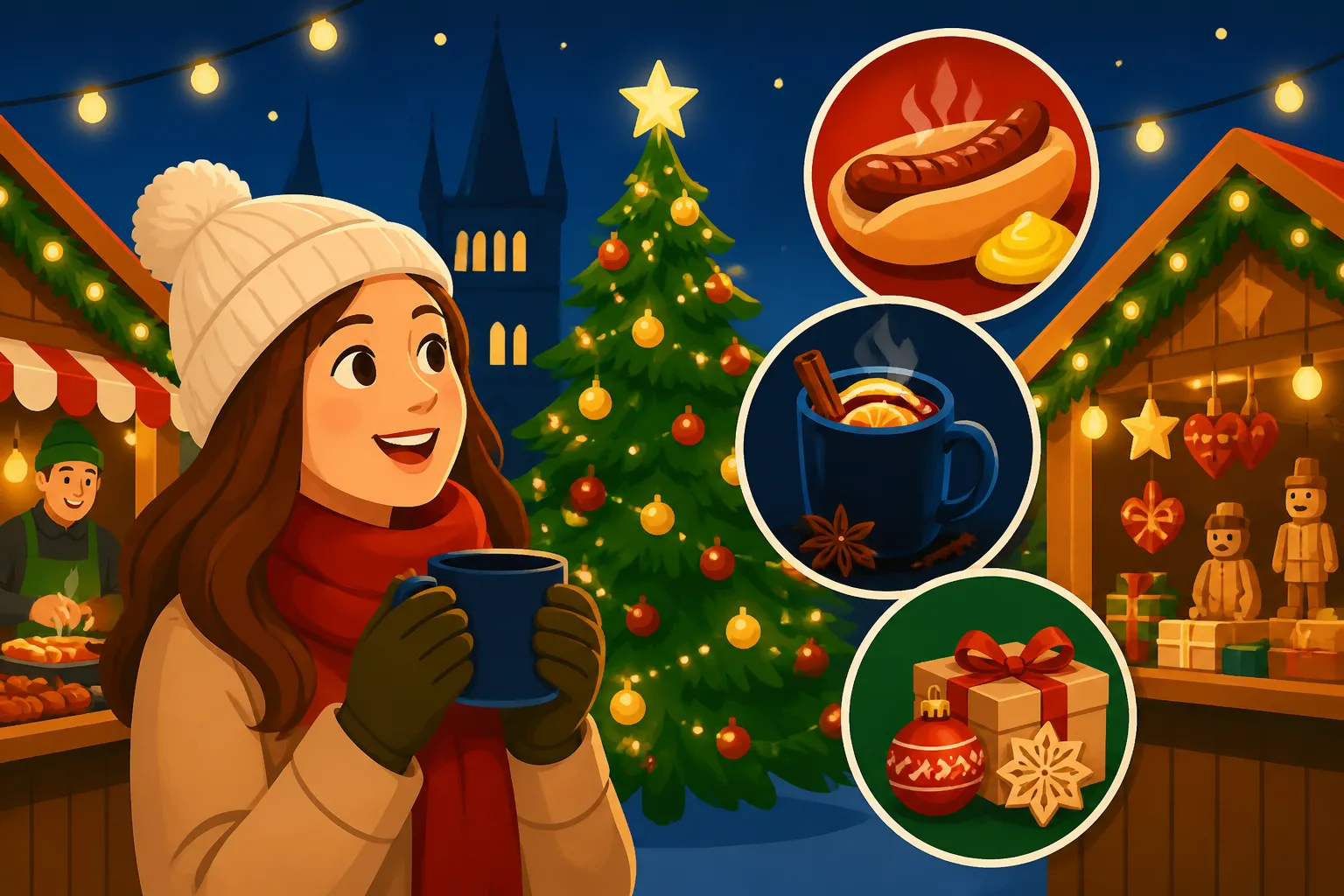
The moment you step into a Weihnachtsmarkt, you're not just entering a collection of stalls; you're immersing yourself in centuries of German tradition. The air is thick with the scent of cinnamon, roasted almonds, pine, and sizzling sausages – a sensory overload in the best possible way. Wooden chalets, often intricately decorated, line cobblestone squares, twinkling with thousands of fairy lights. It's an atmosphere designed to evoke nostalgia, even if you’ve never experienced it before. You'll hear carols, sometimes live brass bands playing festive tunes, and the joyful murmur of conversations in German and a dozen other languages.
Each market has its own unique charm and history. Nuremberg's Christkindlesmarkt, for instance, is world-renowned for its traditional feel and the strict criteria for its stalls, ensuring authenticity. Dresden's Striezelmarkt, one of Germany's oldest, dates back to 1434 and is famous for its namesake Stollen cake. The sheer devotion to tradition is palpable, making it a profound cultural insight into the German way of celebrating the holidays. It's a cherished ritual that families, friends, and colleagues participate in, often multiple times throughout Advent.
When and Where to Find Them: Timing and Locations
German Christmas markets typically kick off in late November, usually the Friday before the first Advent, and run right up until Christmas Eve, or in some cases, a few days into the New Year. This gives you a solid month to explore! You'll find them in practically every city, town, and even many smaller villages across Germany. Major cities like Berlin, Munich, Hamburg, and Cologne boast multiple markets, each with its own character. Berlin alone has dozens, from the grand Gendarmenmarkt to the medieval-themed one at RAW Gelände.
Planning your visits is part of the fun. Many people make it a tradition to visit several different markets, sometimes in various cities. When thinking about How to Plan a German Christmas Market Trip, consider timing your visit to avoid peak weekend crowds if you prefer a more relaxed experience, though the bustling energy is part of the charm! Weekday evenings are generally a good compromise. You can often check local city tourism websites or apps for specific market dates, opening hours, and locations. For seamless travel between cities to explore different markets, you might consider using services like Omio to book train or bus tickets well in advance, especially during the busy holiday season.
A Feast for the Senses: Food at the Weihnachtsmärkte
One of the undeniable highlights of any German Christmas market visit is the incredible array of food on offer. It's not just sustenance; it's a crucial part of the festive experience, designed to warm you from the inside out and delight your taste buds.
Savory Delights: Hearty German Staples
Let's be honest, you can't go to a German Christmas market without indulging in some savory treats. The undisputed king is, of course, the Bratwurst. You'll find various regional specialties, from the long, thin Nürnberger Rostbratwürste (usually served three in a bun) to the thicker Thüringer Rostbratwurst. They're almost always served in a crispy bread roll (Brötchen) with a dollop of mustard (often sweet Bavarian mustard or a sharper senf). Eating a piping hot Bratwurst while standing in the chilly winter air, hands wrapped around the warm bun, is a quintessential market experience.
Beyond the sausages, you'll encounter a plethora of other hearty options. Reibekuchen or Kartoffelpuffer are crispy potato pancakes, deep-fried to golden perfection and traditionally served with apple sauce (Apfelmus). Don't knock it 'til you try it – the sweet and savory combination is surprisingly delicious! You might also find Flammkuchen, a thin-crust pizza-like dish from the Alsace region, topped with crème fraîche, onions, and bacon. For something a bit different, look for Pilzpfanne, a pan of sautéed mushrooms, often served with garlic sauce or fresh herbs. And if you're feeling adventurous, some markets offer wild boar sausages or other game meats, providing a truly regional taste of Germany. These savory offerings are perfect for fueling your market exploration.
Sweet Treats: Indulging Your Sweet Tooth
After a savory bite, it's time to dive into the wonderful world of German Christmas market sweets. The aroma of roasted almonds (Gebrannte Mandeln) is perhaps the most iconic, drawing you in from meters away. These sweet, crunchy, caramelized almonds are utterly addictive and sold in paper cones. Another classic is the Lebkuchen, a traditional gingerbread, often heart-shaped and decorated with icing messages like "Frohe Weihnachten" (Merry Christmas). While many Lebkuchen are meant for decoration, some are soft and delicious to eat.
You'll also find various pastries and baked goods. Zimsterne (cinnamon stars), Spekulatius (spiced biscuits), and Printen (a type of gingerbread from Aachen) are common. Waffles (Waffeln) are always a popular choice, served hot with powdered sugar, chocolate sauce, or cherries and cream. Crepes are also widespread, with sweet fillings like Nutella, apple, or cinnamon sugar. For a truly decadent experience, seek out Schmalzkuchen, small, fluffy doughnuts dusted with powdered sugar, fried in lard (don't worry, they taste amazing!). These sweet indulgences are perfect for pairing with a warm drink and provide that comforting, festive feeling. For a deeper dive into all the delicious offerings, check out our guide on German Food Culture: Eating and Drinking as a Visitor.
Warming Your Soul: Drinks at the Christmas Markets
No visit to a German Christmas market is complete without a warm, comforting beverage. It's not just about staying warm; it's about embracing the communal spirit of toasting the season.
Glühwein Galore: Understanding the Beloved Mulled Wine
Glühwein is, without a doubt, the star of the show when it comes to Christmas market drinks. This warm, spiced mulled wine is a German institution. Made from red wine, heated with cinnamon sticks, cloves, star anise, and orange peel, it's the perfect antidote to the winter chill. You'll find countless variations, including white Glühwein, which is often lighter and fruitier. Many stalls also offer Glühwein mit Schuss, which means with an added shot of liquor, typically rum, Amaretto, or a fruit liqueur, giving it an extra kick. Be warned, it goes down smoothly!
One charming aspect of Glühwein is the Tasse (mug) system. When you buy Glühwein, you pay a deposit (Pfand) for the specially designed, often collectible, ceramic mug. You can then either return the mug at any Glühwein stall to get your Pfand back, or keep it as a lovely souvenir. Many people collect Glühwein mugs from different cities or different years, making them cherished mementos of their festive adventures. This system also significantly reduces waste, a practical German touch amidst the magic. If you're keen to try different kinds, our guide on Glühwein and Festive Drinks in Germany offers more insight into what to expect.
Beyond Glühwein: Other Festive Beverages
While Glühwein reigns supreme, there are plenty of other delightful drinks to discover. For those who prefer a non-alcoholic option, Kinderpunsch (children's punch) is a fantastic choice. It's a warm, spiced fruit punch, usually made from berry or apple juice with similar spices to Glühwein, but without the alcohol. It’s sweet, warming, and perfect for all ages.
You might also find hot chocolate, often generously topped with whipped cream, or various types of tea. For something stronger, some markets offer Feuerzangenbowle, a traditional German drink where a rum-soaked sugarloaf is set on fire and drips into mulled wine below, creating a spectacular and potent beverage. Beer is generally less prominent at Christmas markets compared to other German festivals, but you'll usually find a standard lager or a seasonal brew available if you ask. Regardless of your preference, there's a warm drink waiting to chase away the cold and enhance your festive spirit.
Gifts and Crafts: Treasures to Take Home
The original purpose of these markets was, after all, to allow people to stock up on supplies and gifts for the festive season. Today, the gift stalls are still a huge draw, offering everything from traditional handmade crafts to unique souvenirs that capture the spirit of Germany.
Handcrafted Wonders: Unique German Artisanal Goods
German Christmas markets are a treasure trove of artisanal crafts. You’ll often see elaborate wooden ornaments, hand-carved nativity scenes (Krippen), and traditional wooden toys. The craftsmanship is often exceptional, reflecting generations of skill. Look out for items from the Erzgebirge region (Ore Mountains), famous for its woodworking traditions, including Räuchermänner (smoking men figures), Nussknacker (nutcrackers), and delicate wooden pyramids that spin with the heat of candles. These pieces aren't just decorations; they're often heirloom quality items that tell a story.
Glass ornaments, particularly hand-blown glass, are another beautiful find. Many stalls showcase sparkling baubles, delicate figurines, and intricate Christmas tree toppers. You might even find demonstrations of glassblowing at some larger markets, allowing you to see the artistry firsthand. Another charming traditional gift is a pair of handcrafted wool slippers (Hausschuhe) or warm knitted accessories like scarves and hats, perfect for the cold German winter. These items offer a glimpse into German folk art and make for truly meaningful gifts.
Souvenirs and Seasonal Decorations
Beyond the truly traditional, there's an abundance of lovely souvenirs and seasonal decorations that make wonderful gifts or additions to your own home. You'll find beautifully designed candles, often in festive shapes or with intricate carvings. Scented soaps, handmade jewelry, and charming ceramic mugs (perhaps a different design from your Glühwein mug!) are also popular. For foodies, small jars of local honey, specialty jams, or festive spices can be excellent take-home treats.
Many markets feature unique items specific to their region. For example, in Cologne, you might find items adorned with the city's famous cathedral, while in Berlin, pieces representing the Brandenburg Gate or the TV Tower are common. German Souvenirs Worth Buying (and What to Skip) might give you some ideas before you go. Remember to take your time browsing; chatting with the stallholders, many of whom are artisans themselves, can add an extra layer of enjoyment to your shopping experience. You can also pick up more Lebkuchen for friends back home, and often small, beautifully wrapped packages of other traditional German Christmas cookies.
Navigating the Crowds and Making the Most of Your Visit
Visiting a popular Weihnachtsmarkt means embracing the crowds. But with a few tips, you can make your experience smoother and more enjoyable, focusing on the magic rather than the mayhem.
Practical Tips for a Smooth Experience
- Go during Off-Peak Hours: If you dislike huge crowds, try visiting during weekday mornings or early afternoons. Evenings and weekends, especially closer to Christmas, can get incredibly packed. This is particularly true for world-famous markets like those in Nuremberg or Dresden.
- Dress Warmly: You'll be spending a lot of time outdoors in cold weather. Layering is key! Think thermal underwear, a warm sweater, a thick winter coat, a hat, gloves, and waterproof boots. Nothing spoils the fun faster than being miserably cold.
- Carry Cash: While many larger stalls or food vendors might accept card payments, smaller craft stalls often prefer cash. It's always a good idea to have some euros on hand for smaller purchases or Pfand for your Glühwein mug.
- Mind Your Belongings: In crowded areas, pickpocketing can be a concern. Keep your wallet and phone secure, ideally in a front pocket or a bag worn across your body.
- Designate a Meeting Point: If you're visiting with a group, especially at a large market, it's easy to get separated. Pick a distinctive landmark or a specific stall as a meeting point in case you get lost.
- Embrace the Pace: Don't try to rush through. The joy of the Christmas market is in the slow wander, the browsing, the sipping, and the soaking in of the atmosphere. Understanding German Punctuality and Directness: Adapting to Cultural Norms might be helpful for understanding the general pace, but at markets, it's more about relaxed enjoyment.
Finding Accommodation and Planning Your Trip
If you're planning a trip specifically to visit Christmas markets, booking your accommodation in advance is crucial, especially for popular cities. Hotels fill up quickly, and prices can rise during the Advent season. Websites like Booking.com are excellent resources for finding suitable places to stay, from cozy guesthouses to larger hotels. Consider staying near public transport links so you can easily hop between different markets without worrying about parking or navigating city traffic.
For broader travel planning, particularly if you're coming from abroad or traveling across Germany, consider looking into different public transport options. Our guides like How to Buy Deutsche Bahn Tickets and Save Money or Long-Distance Buses in Germany: FlixBus and Networks can offer valuable tips for getting around efficiently and affordably. If you're staying in one city and plan to explore its various markets, understanding Getting Around German Cities: U-Bahn, S-Bahn, Trams, and Buses will be invaluable. You might even find specific Christmas market tours or themed experiences available through platforms like GetYourGuide that can add a unique dimension to your visit, helping you discover hidden gems or learn more about the local traditions.
| Item Type | Typical Offerings | Approx. Price Range (EUR) | Notes |
|---|---|---|---|
| Savory Food | Bratwurst (various types), Currywurst | 4.00 – 6.00 | Often served in a bun with mustard. |
| Reibekuchen/Kartoffelpuffer (potato pancakes) | 4.00 – 7.00 | Served with applesauce; can be 3-4 pieces. | |
| Flammkuchen (tarte flambée) | 6.00 – 9.00 | Thin-crust flatbread, various toppings. | |
| Pilzpfanne (sautéed mushrooms) | 5.00 – 8.00 | Often with garlic sauce or Kräuter. | |
| Sweet Food | Gebrannte Mandeln (roasted almonds) | 4.00 – 6.00 | Served in paper cones, highly addictive! |
| Waffeln (waffles) | 3.50 – 6.00 | With powdered sugar, chocolate, fruit. | |
| Crepes | 3.00 – 5.50 | Sweet fillings like Nutella, cinnamon sugar. | |
| Schmalzkuchen (mini doughnuts) | 4.00 – 6.00 | Dusted with powdered sugar. | |
| Lebkuchen (gingerbread) | 2.00 – 10.00+ | Hearts are cheaper, elaborate ones are more expensive. | |
| Drinks | Glühwein (mulled wine) | 3.50 – 5.00 (+ Pfand 3-4€) | Price for wine, plus mug deposit. |
| Glühwein mit Schuss (with liquor shot) | 5.00 – 7.00 (+ Pfand 3-4€) | Stronger version, common additions: rum, Amaretto. | |
| Kinderpunsch (non-alcoholic punch) | 2.50 – 4.00 (+ Pfand 3-4€) | Warm fruit punch for all ages. | |
| Heisse Schokolade (hot chocolate) | 3.00 – 5.00 | Often with Sahne (whipped cream). | |
| Gifts/Crafts | Wooden Ornaments, Nativity Scenes | 5.00 – 50.00+ | Varies widely by size and intricacy. |
| Glass Ornaments | 5.00 – 30.00+ | Hand-blown pieces are typically more expensive. | |
| Räuchermänner, Nussknacker, Pyramiden | 20.00 – 200.00+ | Traditional Erzgebirge crafts, can be significant investments. | |
| Handmade Candles, Soaps, Jewelry | 10.00 – 50.00+ | Unique, often locally made items. |
Beyond the Booths: Experiencing Different Markets and Regional Specialties
The beauty of German Christmas markets lies not just in their individual charm, but also in the sheer variety across the country. Each region, and often each city, puts its own distinct stamp on the festive tradition.
Major City Markets vs. Charming Small-Town Gems
While the major city markets in places like Cologne, Berlin, or Munich are grand and often boast impressive light displays and a huge number of stalls, they can also be incredibly crowded. Cologne, for example, has multiple distinct markets, from the sprawling market by the Cathedral to the "Harbor Christmas Market" by the Rhine, offering different flavors and products. These markets are fantastic for their wide selection of food, drinks, and gifts, and for soaking in that grand, bustling festive energy.
However, don't overlook the smaller, more intimate markets. Charming towns like Rothenburg ob der Tauber, Heidelberg, or Quedlinburg host markets that feel like stepping back in time. These tend to be less overwhelming, often with a more focused selection of local crafts and regional specialties, and the picturesque backdrops of medieval architecture add an extra layer of magic. A day trip from a larger city to a smaller town market can offer a delightful contrast and a more authentic, cozy experience. Consider exploring guides on Germany's Most Beautiful Small Towns to Visit for inspiration. You might find that the quieter markets provide a deeper sense of tradition and local community spirit.
Regional Variations: What Makes Each Market Unique
Part of the fun of Weihnachtsmarkt hopping is discovering the regional differences. As mentioned, Nuremberg is synonymous with its Nürnberger Rostbratwürste and gold-foil angels. Dresden proudly presents its Stollen, a rich fruit bread. In the Black Forest, you might find Schwarzwälder Kirschwasser (cherry brandy) Glühwein and traditional cuckoo clocks. Each region showcases its unique culinary traditions and artisanal skills, making every market a distinct experience.
For instance, the markets along the Rhine Valley often feature local wines and specific culinary delights tied to the region's produce. In the north, close to the sea, you might encounter fish sandwiches or more maritime-themed decorations. These regional touches highlight Germany's rich cultural tapestry and prevent any two markets from feeling exactly the same. So, when planning your festive travels, remember to consider not just which cities to visit, but also which regional flavors and traditions you're keen to experience. Our Christmas Markets and Festive Germany guide provides a broader overview of seasonal celebrations across the country, giving you more ideas to craft your perfect festive itinerary.
Disclaimer
The information provided in this guide is for general informational purposes only and does not constitute professional advice. Prices and market details are subject to change, and it is always advisable to check current information from official sources or local tourism boards before making plans. Travel regulations and health guidelines can also change, so please ensure you are up-to-date with the latest requirements for Germany.