How to Experience German Easter Traditions
Easter in Germany can be a bewildering experience for expats and tourists, where high-spirited celebrations often clash with strict silent day laws. This guide solves the mystery of the four-day weekend, from navigating total shop closures to finding the most spectacular regional bonfires, ensuring you participate in the culture rather than just observing it from the sidelines.
Disclosure: This post may contain affiliate links. We may earn a commission at no extra cost to you if you make a purchase through these links. Read full disclosure.
Understanding the German Easter Calendar: More Than Just Sunday
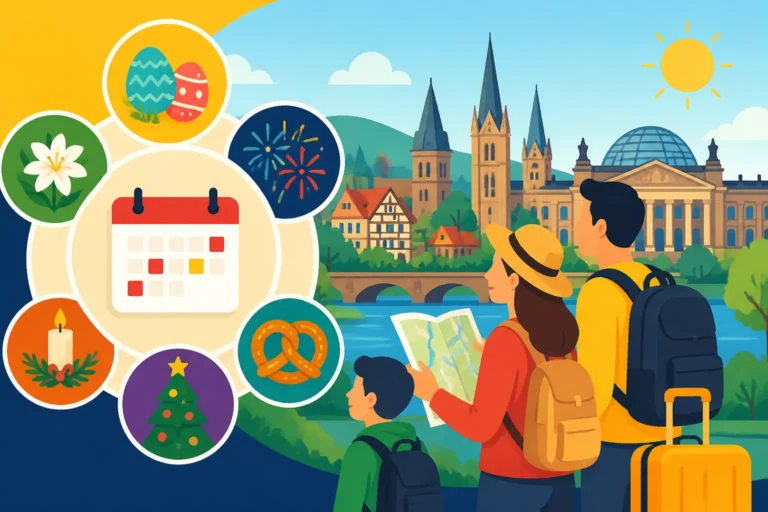
One of the first things you realize as an expat in Germany is that Easter is not just a Sunday event; it is a marathon of cultural significance that spans from Thursday to Monday. If you are used to a culture where shops stay open and the festivities are limited to a brunch, the German approach will require some adjustment. The days are legally protected, and understanding the nuances of each is essential for your survival and enjoyment.
Gründonnerstag, or Maundy Thursday, is the unofficial start. While it is not a public holiday, it carries deep traditional weight. The name "Grün" (green) is thought to be a corruption of the Middle High German word "grinan," meaning to weep, but popular culture has leaned into the literal color green. You will see locals heading to the markets to buy specific herbs for the traditional "Frankfurter Grüne Soße" (Green Sauce) or making herb-heavy soups. It is a day of preparation, a quiet "calm before the storm" before the country essentially shuts down.
Karfreitag (Good Friday) is where many foreigners encounter their first real hurdle: the Tanzverbot, or dancing ban. This is a "stiller Feiertag" (silent holiday). In most federal states, public dancing, loud music, and even certain sporting events are legally prohibited to respect the solemnity of the day. As a veteran expat, I remember the frustration of my first Good Friday, wondering why every club was closed and why even the local gym had turned off its background music. It is a day for reflection, and while it may feel restrictive, it provides a unique window into the lingering influence of tradition on modern German law. For more on how these days function, check out our guide on German Public Holidays: How They Affect Life and Work.
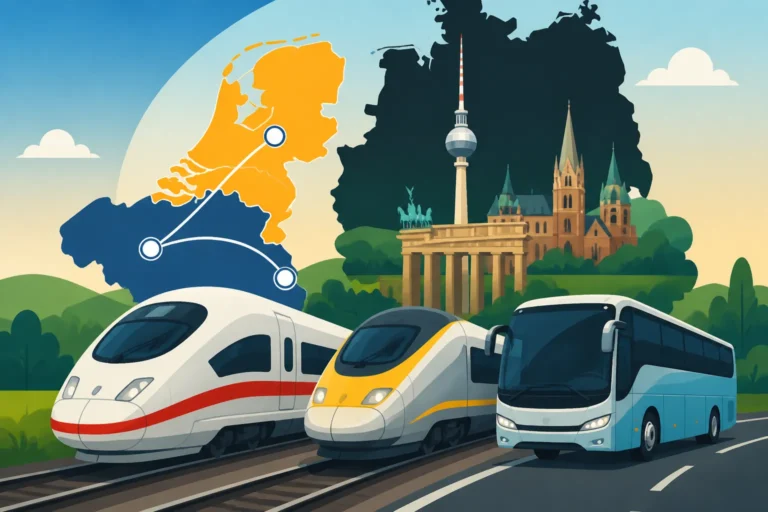
Ostersonntag (Easter Sunday) and Ostermontag (Easter Monday) are the peaks of the celebration. Sunday is family-focused, dominated by the "Ostereiersuche" (Easter egg hunt). Monday, however, is a formal public holiday dedicated to "Osterspaziergang"—the traditional Easter walk. This was famously immortalized by Goethe, and you will see thousands of Germans hitting the hiking trails, regardless of the weather. Because these are formal holidays, you must plan your logistics carefully. If you are traveling between cities, using a platform like Omio can help you compare train and bus schedules, which often run on a restricted "Sonntag" (Sunday) timetable during this period.
Iconic Traditions and Where to Find Them
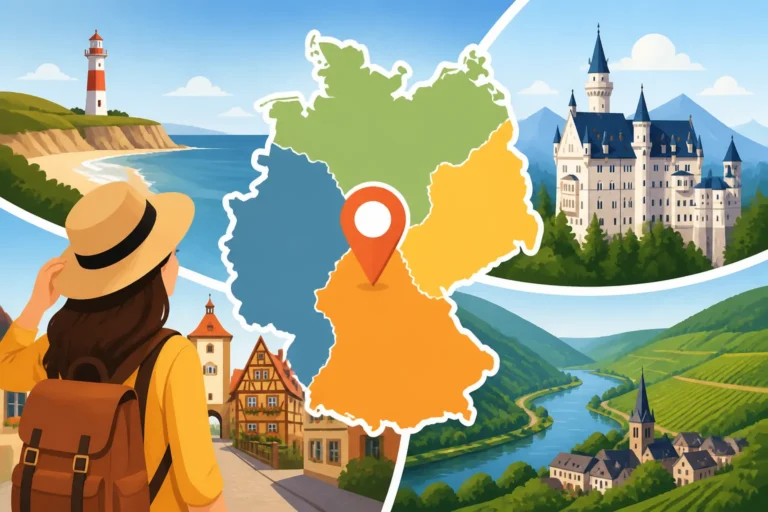
To truly experience German Easter, you have to look beyond the city centers and venture into the regions where the "Brauchtum" (customs) are most vibrant. Each region has its own signature event, often rooted in pre-Christian pagan rituals meant to drive away the winter spirits and welcome the spring sun.
The Osterfeuer, or Easter Fire, is perhaps the most visceral of these traditions. Primarily popular in Northern Germany and parts of Westphalia, these massive community bonfires are lit on the evening of Holy Saturday or Easter Sunday. They are not just fires; they are social hubs. Entire villages gather around the blaze, often with a stand selling Bratwurst and local beer. The atmosphere is electric—the smell of woodsmoke fills the air, and children play on the fringes while adults catch up. It is the perfect example of how to experience a traditional German folk festival on a local, intimate scale.
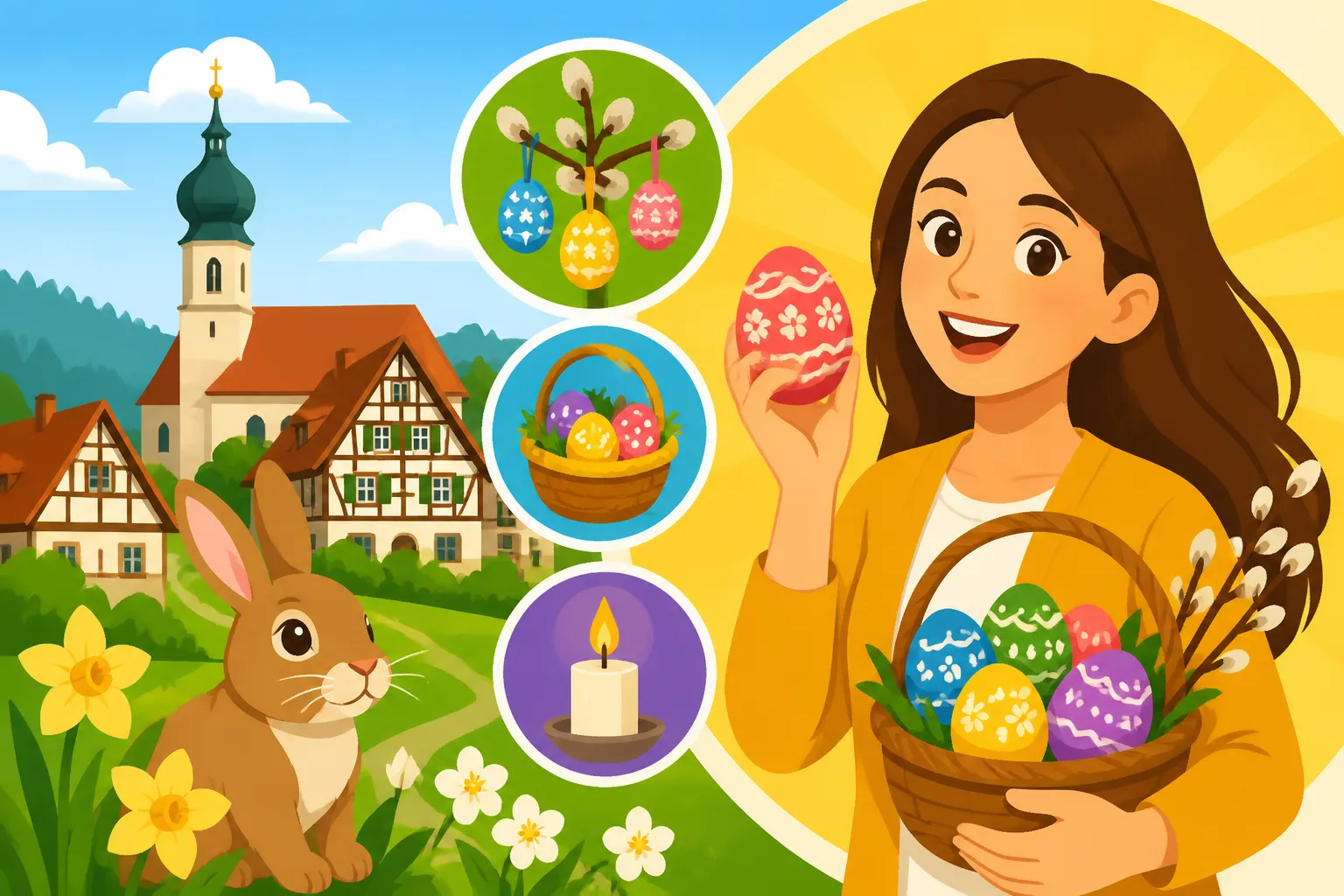
If you find yourself in Southern Germany, specifically in Franconia (Franken), you must witness the Osterbrunnen (Easter Fountains). This tradition involves decorating village wells and fountains with thousands of hand-painted eggshells, evergreen branches, and colorful ribbons. The most famous is in Heiligenstadt, but dozens of villages in the "Fränkische Schweiz" (Franconian Switzerland) participate. This tradition started in the early 20th century as a way to honor water as a life-giving element in the dry upland regions. It has since become a major tourist draw. If you are planning a trip to see these, booking a charming local guesthouse via Booking.com is recommended, as the small towns fill up quickly with "fountain tourists."
For those who prefer a more curated experience, Easter Markets (Ostermärkte) spring up in cities like Nuremberg, Lübeck, and Munich. These are similar to Christmas markets but swap the mulled wine for spring ciders and hand-carved wooden rabbits. You can find high-quality artisan crafts that make for better souvenirs than anything you’ll find in a standard gift shop. For travelers who want to dive deeper into the history of these markets, checking for guided walking tours on GetYourGuide can provide context that you might miss just by wandering through.
| Tradition | Region | Primary Day | Key Feature |
|---|---|---|---|
| Osterfeuer | North/West Germany | Saturday or Sunday | Massive bonfires and community socializing |
| Osterbrunnen | Franconia (Bavaria) | Two weeks around Easter | Elaborately decorated public wells |
| Osterspaziergang | Nationwide | Easter Monday | Long family walks and hiking |
| Ostermarkt | Major Cities | Weeks leading up to Easter | Artisan stalls and spring-themed food |
Traditional Foods and the Easter Table
No German holiday is complete without a specific culinary itinerary. Easter is particularly focused on breaking the Lenten fast, leading to a table laden with rich, symbolic foods. Understanding what to look for at your local "Bäckerei" will make your holiday much more delicious.
The center of the Easter breakfast table is almost always the Hefezopf. This is a sweet, braided yeast bread, often studded with raisins or pearl sugar. The braid itself is symbolic, representing the intertwined nature of life and faith. It is best eaten thick-cut with a generous layer of salted butter or honey. In many households, you will also find the Osterlamm—a cake baked in the shape of a lamb and dusted with powdered sugar. These lambs are a staple in every bakery window starting two weeks before the holiday. To understand more about the importance of these baked goods, see our article on Bread, Bakeries, and the German Breakfast.
Aside from the sweets, the main Easter meal often features lamb as the primary protein, symbolizing the "Agnus Dei." However, the most interesting culinary tradition happens on Gründonnerstag. In many regions, particularly around Frankfurt and Hesse, it is mandatory to eat something green. This usually means "Frankfurter Grüne Soße," a cold sauce made from seven specific herbs: borage, chervil, cress, parsley, burnet, sorrel, and chives. It is typically served with hard-boiled eggs and boiled potatoes. This ritual is a wonderful way to connect with the seasonal shifts in German food culture: eating and drinking as a visitor.
If you are hosting your own Easter brunch, be aware that getting the ingredients can be a challenge. The Saturday before Easter is notoriously one of the busiest shopping days of the year. Every German resident is seemingly at the supermarket at 8:00 AM, stocking up for the two days of total closure that follow. My advice? Buy your non-perishables on Wednesday and hit the bakery early on Saturday morning for your Hefezopf.
Practical Tips for Expats and Travelers
Navigating Easter in Germany requires more than just knowing where the bonfires are; it requires a strategic approach to bureaucracy and logistics. The "everything is closed" reality is the biggest shock for those coming from countries with 24/7 convenience.
First, let's talk about the what closes on Sundays in Germany? rule, which is essentially doubled during Easter. On Good Friday, and again on Easter Sunday and Monday, all supermarkets, clothing stores, and many pharmacies will be shut. Only gas stations and shops inside major train stations (like Berlin Hauptbahnhof or Munich Hauptbahnhof) remain open, and they will be incredibly crowded. If you forget milk or eggs, be prepared to pay "gas station prices" or wait in a 30-minute line at the station. This closure also applies to many museums and smaller tourist attractions on Good Friday, though many reopen on Saturday and Sunday.
Transportation also requires a bit of foresight. If you are using the regional trains and the Deutschland-Ticket explained in our other guides, remember that regional traffic often shifts to a holiday schedule. Trains may run only once an hour instead of every twenty minutes. If you are planning a longer trip across federal states, use Omio to check for high-speed ICE connections, as these tend to get booked out weeks in advance by families traveling home.
Finally, if you are looking for specific cultural activities, such as a guided tour of the Franconian fountains or an Easter-themed river cruise on the Rhine, GetYourGuide is a reliable source for English-speaking options. Many local traditions can be difficult to access without a car, so consider getting around Germany: trains, buses, flights, and car hire options to ensure you can reach the smaller "Dörfer" where the real magic happens. Easter is a time of transition in Germany; the weather can flip from snow to sunshine in an hour (a phenomenon known as "Aprilwetter"), so dress in layers and embrace the unpredictability.
Disclaimer
The information provided in this guide is for general informational purposes only. While we strive to provide accurate and up-to-date details regarding German traditions and public holidays, laws and local customs may vary by federal state and municipality. Always check local government websites or official travel portals for the most current information regarding shop closures and event schedules.