How to Visit Cold War Sites in Berlin
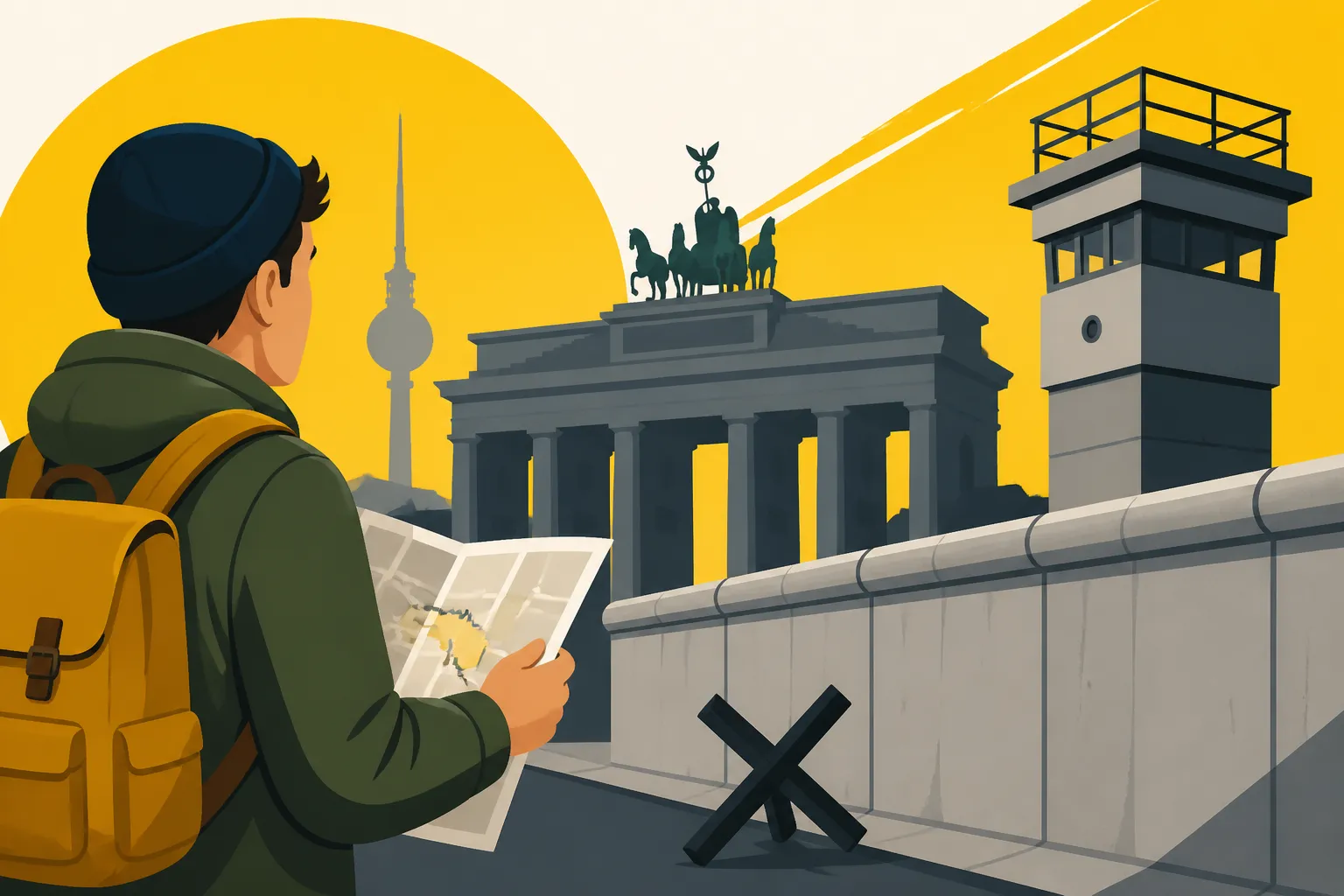
Many visitors arrive in Berlin expecting to see a massive concrete barrier still snaking through the city center, only to realize that most of the physical Wall was dismantled in a fit of euphoric reunification. Finding the authentic traces of the Iron Curtain requires knowing exactly where to look beyond the souvenir shops. This guide provides a deep dive into the most significant Cold War sites, ensuring you uncover the hidden history beneath the modern pavement.
Disclosure: This post may contain affiliate links. We may earn a commission at no extra cost to you if you make a purchase through these links. Read full disclosure.
The Physical Scars: Following the Path of the Wall
When you first land and figure out How to Get From Berlin Brandenburg Airport to the City, you might notice a double row of cobblestones embedded in the streets. This isn't just a quirky design choice; it marks the exact path where the Berlin Wall once stood. I always tell newcomers to spend at least one afternoon simply following this line through the Mitte district. It is a haunting experience to see how the barrier cut through residential streets, graveyards, and even split families apart for nearly three decades. If you are planning your trip, consider How Many Days Do You Need in Berlin? because rushing through these sites does a disservice to the weight of the history they hold.
The most essential stop for any history enthusiast is the Berlin Wall Memorial at Bernauer Straße. This is the only place where you can see a preserved section of the "death strip," complete with the inner and outer walls, a watchtower, and the raked sand used to detect footprints. I personally find this location much more moving than the famous East Side Gallery. At Bernauer Straße, the history feels raw. You can stand on the spot where people jumped from apartment windows into the West just before the buildings were bricked up and eventually demolished.
While the memorial is harrowing, the East Side Gallery offers a more triumphant perspective. This 1.3-kilometer stretch of the Wall is covered in murals painted by international artists after the fall. It is located in Friedrichshain, and while it is often crowded with tourists taking selfies, the scale of the structure is still impressive. To reach it efficiently, you should familiarize yourself with How to Use the Berlin U-Bahn and S-Bahn as a Visitor. Taking the S-Bahn to Ostbahnhof puts you right at the start of the gallery, allowing you to walk toward the Warschauer Straße station while taking in the artwork.
The Invisible War: Espionage and State Control
The Cold War in Berlin wasn't just about concrete; it was a psychological battleground. To truly understand this, you must visit the Stasi Museum in the Lichtenberg district. Located in the former headquarters of the East German secret police, the museum remains largely unchanged since 1989. Walking through the wood-panneled offices of Erich Mielke, the head of the Stasi, feels like stepping back into a 1970s spy thriller. The banality of the environment—the beige rotary phones and simple desks—contrasts sharply with the sophisticated surveillance equipment on display, including cameras hidden in ties and watering cans.
For a deeper, more emotional look at the cost of state control, the Berlin-Hohenschönhausen Memorial is a mandatory visit. This was the main pre-trial prison of the Stasi. What makes this site unique is that many of the tour guides are former inmates. Hearing a first-hand account of psychological torture and the "Zersetzung" (decomposition) techniques used to break the spirits of political dissidents is an experience you won't find in any textbook. I highly recommend checking GetYourGuide for specialized tours that include transportation and expert historians, as the site is a bit removed from the city center and can be difficult to navigate on your own.
If you want to see where the West was listening back, Teufelsberg (Devil’s Mountain) is the place to be. This man-made hill was built from the rubble of post-WWII Berlin and served as a major NSA listening station. Today, the abandoned geodesic domes are covered in world-class street art, but the history of the site as a premier espionage outpost remains palpable. The climb up is a bit of a hike, so make sure you’ve read up on Staying Safe in Germany: Common-Sense Tips for Travelers regarding outdoor excursions and proper footwear. The view from the top offers a panoramic look at the Grunewald forest and the city, reminding you of how isolated West Berlin truly was.
Moving Between the Worlds: Transit and Escape Points
One of the most fascinating aspects of Berlin's 20th-Century History: Wall, Memorials, and Museums is how the city’s infrastructure was adapted to division. Friedrichstraße station was one of the few places where East and West met. Inside the station, you’ll find the "Tränenpalast" or Palace of Tears. This was the departure hall for those traveling from East to West Berlin. It earned its name from the tearful goodbyes that took place there, as East Germans saw off their Western friends and relatives, never knowing if they would see them again. The museum inside is free and provides a poignant look at the bureaucracy of the border.
Checkpoint Charlie is perhaps the most famous crossing point, but I have a bit of a love-hate relationship with it. It has become incredibly commercialized, with actors in fake uniforms charging for photos. However, the Mauermuseum (Wall Museum) located right next to the crossing is worth the entry fee. It documents the ingenious ways people tried to escape—hiding in hollowed-out surfboards, modified cars, and even hot air balloons. If you are staying in the city, I suggest checking What's the Best Area to Stay in Berlin? to find a hotel in Mitte, which makes walking to Checkpoint Charlie and the nearby Topography of Terror very convenient. Booking.com often has great deals on boutique hotels in this historic corridor.
For those willing to venture a bit further, the Glienicke Bridge is a must-see. Known as the "Bridge of Spies," it was the site of high-profile prisoner exchanges between the USSR and the USA. Standing in the middle of the bridge, you can see the distinct change in the paint color where the border line once ran. This excursion is essentially a part of How to Take a Day Trip to Potsdam From Berlin, and the scenery surrounding the bridge is stunning. To get there, you can use the S7 line toward Potsdam. I often use Omio to check the fastest regional train connections if I'm coming into Berlin from other hubs like Hamburg or Munich before starting my historical tours.
Practical Logistics for the Cold War Historian
Navigating these sites requires a bit of planning because they are spread across what used to be two different worlds. While the central areas are walkable, sites like Teufelsberg or the Stasi Prison require public transit. Don't let the German language intimidate you; most ticket machines have an English option, and most museum staff are bilingual. However, learning a few German Slang and Everyday Expressions for Visitors can go a long way in making your interactions with locals smoother, especially when asking for directions in the former East where English was less common historically.
| Site Name | Location | Focus | Recommended Time |
|---|---|---|---|
| Bernauer Straße Memorial | Mitte | Physical Wall/Escapes | 2-3 Hours |
| Stasi Museum | Lichtenberg | Surveillance/State Control | 2 Hours |
| Hohenschönhausen | Alt-Hohenschönhausen | Political Imprisonment | 3 Hours (Guided) |
| Teufelsberg | Grunewald | Western Espionage | 3-4 Hours |
| Tränenpalast | Mitte | Personal Stories/Transit | 1.5 Hours |
| East Side Gallery | Friedrichshain | Art/Post-Wall Reflection | 1 Hour |
When booking your travel to Berlin, platforms like Omio are invaluable for comparing the cost of the Deutsche Bahn (German Rail) versus long-distance buses like FlixBus. If you’re coming from within Europe, the train is often the most comfortable way to arrive at the Hauptbahnhof, which is a Cold War marvel in its own right—rebuilt on the site of a former border station. Once you arrive, having a reliable data connection is key. I suggest looking into How to Stay Connected to Wi-Fi While Traveling in Germany so you can use live maps to find the more obscure Wall segments tucked away in residential courtyards.
Finally, keep in mind that many of these sites are somber. Hohenschönhausen and the Bernauer Straße memorial are places of deep reflection. It is common to see locals laying flowers or students engaged in intense discussions. While tourism is welcomed, maintaining a respectful tone is essential. Using GetYourGuide to book a walking tour can help provide the necessary context that you might miss just by reading the plaques. Their guides often share personal family stories of living under the GDR, which adds a layer of empathy you won't get from a solo visit.
Disclaimer
This guide is for informational purposes only. While every effort has been made to ensure the accuracy of the historical and logistical information provided, site opening hours, entry fees, and public transport schedules in Germany are subject to change. Always check the official website of the specific memorial or museum before your visit. The author and publisher are not responsible for any inconveniences or issues arising from the use of this guide.