When Is the Best Time to Visit Germany for Festivals?
Thinking about planning a trip to Germany, you might wonder when exactly is the "best" time to visit to catch all those amazing festivals everyone talks about. The truth is, Germany is a festival nation year-round, which can be exciting but also a little overwhelming to pinpoint the perfect moment. This guide is here to walk you through the seasonal rhythms of German celebrations, helping you choose the ideal time to immerse yourself in the country's vibrant traditions, music, food, and culture.
Disclosure: This post may contain affiliate links. We may earn a commission at no extra cost to you if you make a purchase through these links. Read full disclosure.
Understanding Germany's Festival Landscape
Germany's festival scene is incredibly diverse, stretching far beyond the world-famous Oktoberfest. From traditional folk festivals (known as Volksfeste) and centuries-old religious celebrations to modern music events, culinary showcases, and sparkling Christmas markets, there’s truly something happening in every corner of the country, no matter the time of year. Each season brings its unique flavour of festivities, making it less about one "best" time and more about what kind of experience you're hoping for.
The Major Seasons for Celebrations
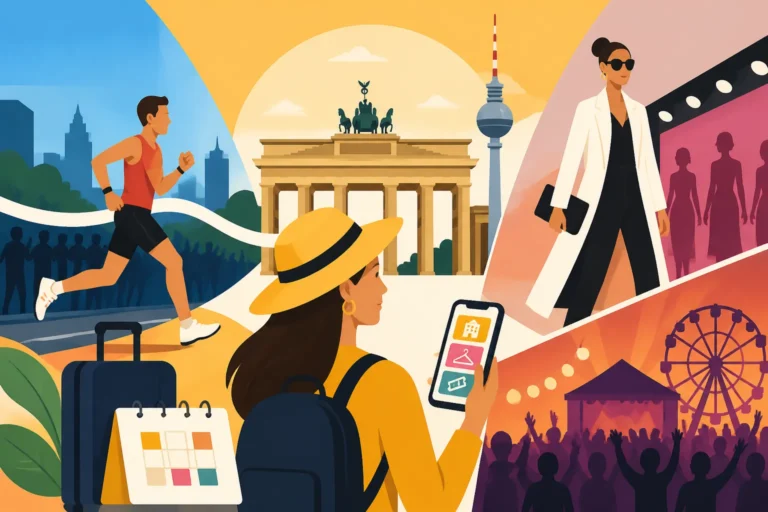
While you can always find a local fete, the intensity and type of festivals really shift with the seasons. Spring often means a fresh start with milder beer festivals and Easter traditions. Summer explodes with outdoor music, wine festivals, and vibrant street parties. Autumn brings the famous harvest celebrations, dominated by colossal beer events and hearty food. And of course, winter twinkles with the magic of its world-renowned Christmas markets. Trying to hit a specific type of festival might mean aligning your travel dates accordingly. Don't underestimate the sheer variety, which can be a double-edged sword: you'll always find something, but missing a particular gem because you were a week too early or late is a common expat lament!
Regional Differences in Festivities
It's crucial to remember that Germany isn't a monolith; it's a collection of regions, each with its own distinct cultural nuances and preferred ways of celebrating. Bavaria, for instance, is the undisputed king of beer festivals, hosting not just Oktoberfest but also numerous local Frühlingfeste (Spring Festivals) and Kirchweih (church consecration festivals). The Rhineland, on the other hand, comes alive with an almost incomprehensible fervor during Karneval (Carnival) in late winter/early spring, especially in cities like Cologne and Düsseldorf.
Then you have the wine regions along the Rhine, Moselle, and Ahr rivers, where summer and autumn are dedicated to glorious Weinfeste. The north, with cities like Hamburg and Bremen, offers maritime festivals and sometimes a more subdued approach to folk events. And the eastern states, while also participating in major festivals, have their own historical and cultural events that reflect their unique heritage. Before you pin down your dates, it’s always a good idea to research specific regions to ensure they align with your festival dreams. For a deeper dive into specific regional celebrations, you might want to read our guide on Germany's Regions and Where to Go: A Traveler's Overview.
Spring: Awakening with Traditions and Beer
As the last vestiges of winter melt away, Germany begins to shake off its hibernation and celebrate the arrival of spring with a mix of traditional and boisterous festivals. The air starts to fill with the scent of blossoming flowers and, rather surprisingly for spring, often the malty aroma of strong beer. This season, typically from March to May, offers a delightful blend of cultural insights and lively communal gatherings, perfect for those who prefer slightly cooler weather and fewer crowds than the summer peak.
Easter Markets and Spring Volksfeste
Easter in Germany is more than just chocolate bunnies; it’s a time for beautiful traditions and charming markets. Many towns and cities host Ostermärkte (Easter Markets) in the weeks leading up to Easter Sunday. These aren't as grandiose as Christmas markets, but they offer handcrafted decorations, regional delicacies, and a lovely, family-friendly atmosphere. You'll often see decorated trees and fountains, known as Osterbrunnen, especially in parts of Franconia, which are truly a sight to behold.
Beyond Easter, spring ushers in the first Volksfeste of the year. These are essentially local fairgrounds with rides, food stalls, and beer tents, a smaller cousin to Oktoberfest. They're a fantastic way to experience authentic German local culture. Cities like Stuttgart host their Frühlingsfest (Spring Festival) on the Cannstatter Wasen grounds, offering a taste of the bigger autumn event without the full-on intensity. It's a great opportunity to enjoy a hearty German meal, listen to traditional music, and ride a few rollercoasters, often with fewer international tourists.
Starkbierfest Strong Beer Festival and Frühlingfest
For many beer enthusiasts, spring truly begins with Starkbierfest (Strong Beer Festival) in Munich. This festival, typically held in March, is like a mini-Oktoberfest but with even stronger, darker, and more potent beers – think liquid bread! It originated from the Paulaner monks who needed sustenance during Lent, and now it's a boisterous affair with traditional Bavarian music, delicious food, and of course, plenty of Starkbier. The atmosphere is electric, often filled with locals in traditional Lederhosen and Dirndl, celebrating the end of winter fast.
Following Starkbierfest, Munich then hosts its own Frühlingsfest on the Theresienwiese, the same grounds as Oktoberfest. Often referred to as "Little Oktoberfest," it runs for a couple of weeks in late April and early May. It’s a wonderful warm-up for the autumn bash, complete with beer tents, carnival rides, and a lively vibe. It’s significantly smaller and a bit more manageable than its famous sibling, making it a perfect introduction to Bavarian festival culture without the overwhelming crowds. If you're pondering Visiting Oktoberfest in Munich: A First-Timer's Guide but want a smaller taste first, Frühlingsfest is your answer.
Summer: The Peak of Outdoor Fun
When summer hits Germany, the entire country seems to shift outdoors. From June to August, the days are longer, the weather is warmer (usually!), and the calendar is jam-packed with open-air events, music festivals, and delightful culinary celebrations. This is arguably the most popular time to visit if your goal is to soak up lively, sunshine-filled festivities.
Music Festivals and Open-Air Events
Germany boasts a vibrant music scene, and summer is its prime time. From massive rock and pop festivals like Rock am Ring/Rock im Park, Hurricane/Southside, and Lollapalooza Berlin, which draw international headliners, to smaller, more niche electronic music events and jazz festivals, there's a beat for every taste. Many cities also host free open-air concerts in parks or along riversides, creating a relaxed, communal atmosphere where you can just chill with a drink and enjoy the tunes. These events are fantastic for experiencing contemporary German culture and meeting both locals and fellow travelers. For planning your travel, sites like Omio can be a lifesaver for booking train tickets to these often remote festival locations.
Wine Festivals (Weinfeste) and Culinary Delights
The picturesque wine regions of Germany, particularly along the Rhine, Moselle, and Ahr rivers, truly come alive in summer. From late spring through early autumn, but especially in July and August, countless Weinfeste (Wine Festivals) pop up in charming villages and historic towns. These festivals are a celebration of the local harvest, featuring tastings of Rieslings, Pinot Noirs, and other regional wines directly from the vintners. Think long tables, delicious regional food like Zwiebelkuchen (onion tart), and a convivial atmosphere.
Beyond wine, many cities organize food festivals and markets that showcase local and international cuisine. Whether it's a specific street food festival or a broader gastronomic event like the Rheingau Wine Festival in Wiesbaden or the Mainzer Weinmarkt, these are perfect opportunities to savor Germany's diverse culinary landscape. If you're keen on exploring German Regional Dishes Every Visitor Should Try, these festivals are an excellent starting point.
Street Festivals and Cultural Celebrations
Summer is also prime time for Straßenfeste (street festivals) and cultural celebrations that transform city centers into lively party zones. Berlin, for example, hosts the vibrant Karneval der Kulturen (Carnival of Cultures) in June, a multi-day spectacle celebrating the city's multicultural diversity with parades, music, and food from around the world. Cologne has its Kölner Lichter (Cologne Lights) in July, a breathtaking fireworks display over the Rhine accompanied by music and festivities.
Many smaller towns also have their annual town festivals, often with historical themes, medieval markets, or traditional performances. These events are wonderful for getting a glimpse into the local community spirit and often involve parades, live music, and plenty of opportunities to mingle. Checking local tourism boards or platforms like GetYourGuide for events in specific cities can help you discover these hidden gems.
Autumn: Harvest, Beer, and Cozy Traditions
As the leaves begin to turn golden and the air gains a crisp coolness, Germany shifts into its harvest season, a time dominated by some of its most famous and grandest festivals. Autumn, from September to November, is a period of abundance, hearty food, and of course, lots of beer, making it a truly iconic time to visit.
Oktoberfest and Cannstatter Wasen: The Big Ones
You can't talk about German autumn festivals without mentioning Oktoberfest in Munich. This world-famous celebration, despite its name, actually kicks off in late September and runs into early October. It's a spectacle of enormous beer tents, traditional Bavarian attire, thrilling rides, and an atmosphere that is absolutely electric. Millions flock to the Theresienwiese to enjoy huge steins of specially brewed Oktoberfest beer, delicious roasted chicken, and gingerbread hearts. It’s an experience that’s truly bucket-list worthy, though it requires significant planning regarding accommodation and reservations. Check out sites like Booking.com well in advance if you plan to stay nearby.
Not to be outdone, Stuttgart hosts the Cannstatter Volksfest, which often runs concurrently with Oktoberfest. It's the second-largest beer festival in Germany and arguably more of a "local's Oktoberfest," offering a similar experience with massive beer tents, carnival rides, and traditional food, but with a slightly less overwhelming international crowd. Both are phenomenal experiences, each offering a unique flavour of German festival culture.
Fall Volksfeste and Wine Harvest Festivals
Beyond the giants, autumn also brings a multitude of smaller Volksfeste across the country. These local folk festivals, often celebrating the harvest, pop up in various towns and cities, providing a more intimate yet equally lively experience. They often feature traditional crafts, regional food specialties, and live music, allowing you to immerse yourself in the local community spirit without the intense crowds of the major events.
For wine lovers, the Weinfeste continue into early autumn, often culminating in specific wine harvest festivals in regions like the Moselle or Pfalz. These are particularly charming, as you get to see the vineyards at their most bountiful, sample the freshest wines, and enjoy the beautiful autumn scenery. These events are often smaller, more relaxed, and offer a deeper connection to Germany's winemaking heritage.
Winter: Magical Markets and Festive Cheer
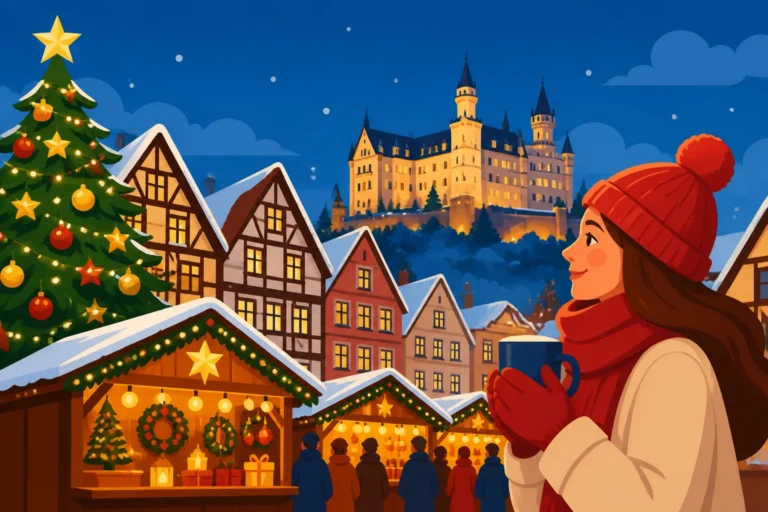
As the year draws to a close, Germany transforms into a winter wonderland, bathed in the glow of countless lights and the comforting aroma of mulled wine and gingerbread. Winter, from late November through December, is an enchanting time, almost entirely dominated by the magic of its Christmas markets, but also offering a few vibrant end-of-year celebrations.
Germany's Enchanting Christmas Markets
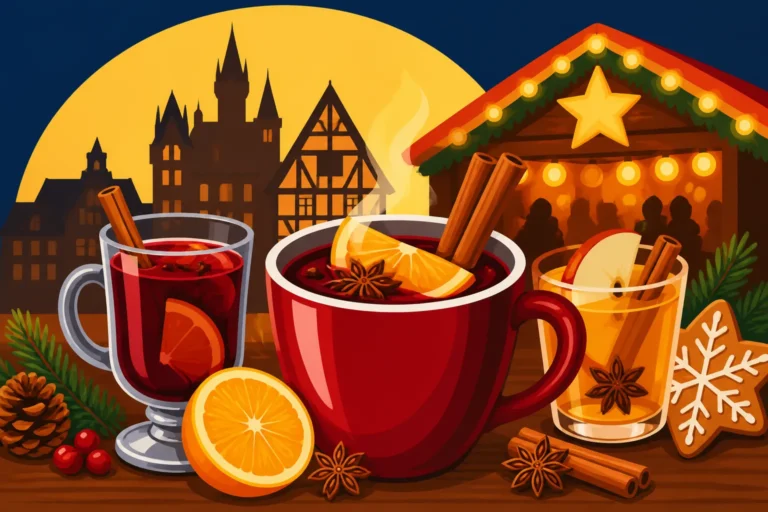
This is arguably Germany's most celebrated winter festival period. From late November until Christmas Eve, nearly every town and city, big or small, hosts a Weihnachtsmarkt (Christmas Market). These markets are a sensory delight, filled with stalls selling handcrafted gifts, festive decorations, delicious seasonal treats like Lebkuchen (gingerbread) and Stollen, and of course, copious amounts of Glühwein (mulled wine).
Cities like Nuremberg, Dresden, Cologne, and Berlin are famed for their large, historic markets, each with its own unique charm and traditions. Nuremberg's Christkindlesmarkt is one of the oldest and most famous, while Dresden's Striezelmarkt holds the title for the oldest. These markets are not just about shopping; they are social hubs, places to meet friends, soak in the festive atmosphere, and enjoy the colder weather with warmth in a mug. For visitors, navigating these can be quite the treat; you might find our guide on How German Christmas Markets Work: Food, Drinks, and Gifts helpful.
New Year's Eve Silvester Celebrations
After the quiet reflection of Christmas, Germany erupts in spectacular fashion to celebrate Silvester (New Year's Eve). While not a "festival" in the traditional sense of a multi-day event, it's a nationwide celebration marked by private fireworks displays and huge public gatherings. Berlin is famous for its massive street party at the Brandenburg Gate, featuring live music, food stalls, and a stunning fireworks display at midnight.
Many other cities also host organized fireworks shows and parties, making it a lively time to experience Germany. The atmosphere is joyous and celebratory, a perfect way to ring in the new year with locals and fellow revelers. Just be prepared for the sheer volume of fireworks, as private displays are very common and can make for a rather smoky, loud, but undeniably exciting night.
Planning Your Festival Trip: Practical Considerations
Visiting Germany for its festivals is an incredible experience, but a little planning goes a long way, especially during peak seasons. As an expat who’s navigated many a festival hurdle, I can tell you that the early bird truly catches the worm, especially when it comes to accommodation and transport.
Booking Accommodation and Transport
If you're aiming for popular festivals like Oktoberfest or major music events, you absolutely must book your accommodation and transport well in advance. Hotels, hostels, and even Airbnb listings can be booked out months ahead, and prices skyrocket during these times. Websites like Booking.com are your best friends here. Don’t be afraid to look at towns a bit further out if city center prices are astronomical; Germany's public transport system is excellent.
Speaking of transport, trains are often the easiest way to get around, especially to avoid parking nightmares at crowded festival sites. Deutsche Bahn, Germany's national rail operator, offers various ticket options. For example, if you're traveling a lot by train, the Deutschland-Ticket might be a great option for regional travel. For longer distances or specific routes, checking platforms like Omio can help you find and compare train, bus, and even flight options to get you right where you need to be. During peak festival times, trains and buses can get incredibly full, so booking seats in advance isn't just a suggestion, it's a necessity for comfort.
Navigating Crowds and Costs
Festivals, by their very nature, attract crowds. And German festivals, particularly the larger ones, can be incredibly dense with people. Be prepared for queues for food, drinks, and restrooms. It's part of the experience, but knowing what to expect helps. Consider visiting on weekdays if possible, as weekends are always the busiest. Costs can also add up quickly. While many street festivals are free to enter, food, drinks, and rides are paid, and at beer festivals, a single Maß (liter of beer) can be quite pricey. Set a budget and stick to it to avoid any post-festival financial surprises.
Essential German Festival Etiquette
While Germans are generally quite orderly, festivals are a time for letting loose, but certain unwritten rules still apply. Politeness is key, even when navigating a crowded beer tent. Always offer a friendly "Prost!" when clinking glasses. Littering is a big no-no – Germans are very strict about recycling and keeping public spaces clean, even amidst revelry. Dress for the occasion, especially at traditional Volksfeste where you'll see many people in Lederhosen and Dirndl; it's not mandatory for tourists but adds to the fun. And finally, pace yourself with the drinks. German beer is potent, and it's easy to get carried away in the festive atmosphere. Remember, it's about enjoying the culture, not just the consumption!
Ultimately, there isn't one single "best" time to visit Germany for festivals because the country offers such a rich, year-round tapestry of celebrations. Whether you're drawn to the vibrant beer tents of autumn, the musical outdoor stages of summer, the traditional charm of spring, or the enchanting magic of winter's Christmas markets, you'll find a festival that speaks to your soul. The key is to decide what kind of festive experience you're dreaming of, and then let that guide your timing. No matter when you choose to come, Germany's festivals promise an unforgettable immersion into its diverse and lively culture.
Disclaimer
Please remember that while I strive to provide accurate and up-to-date information, festival dates and details can change. Always double-check official event websites and local tourism resources before making any definitive travel plans. This guide offers general advice and personal insights, but individual experiences may vary.