Moving to Germany from India: Sea Freight Routes and Common Delays
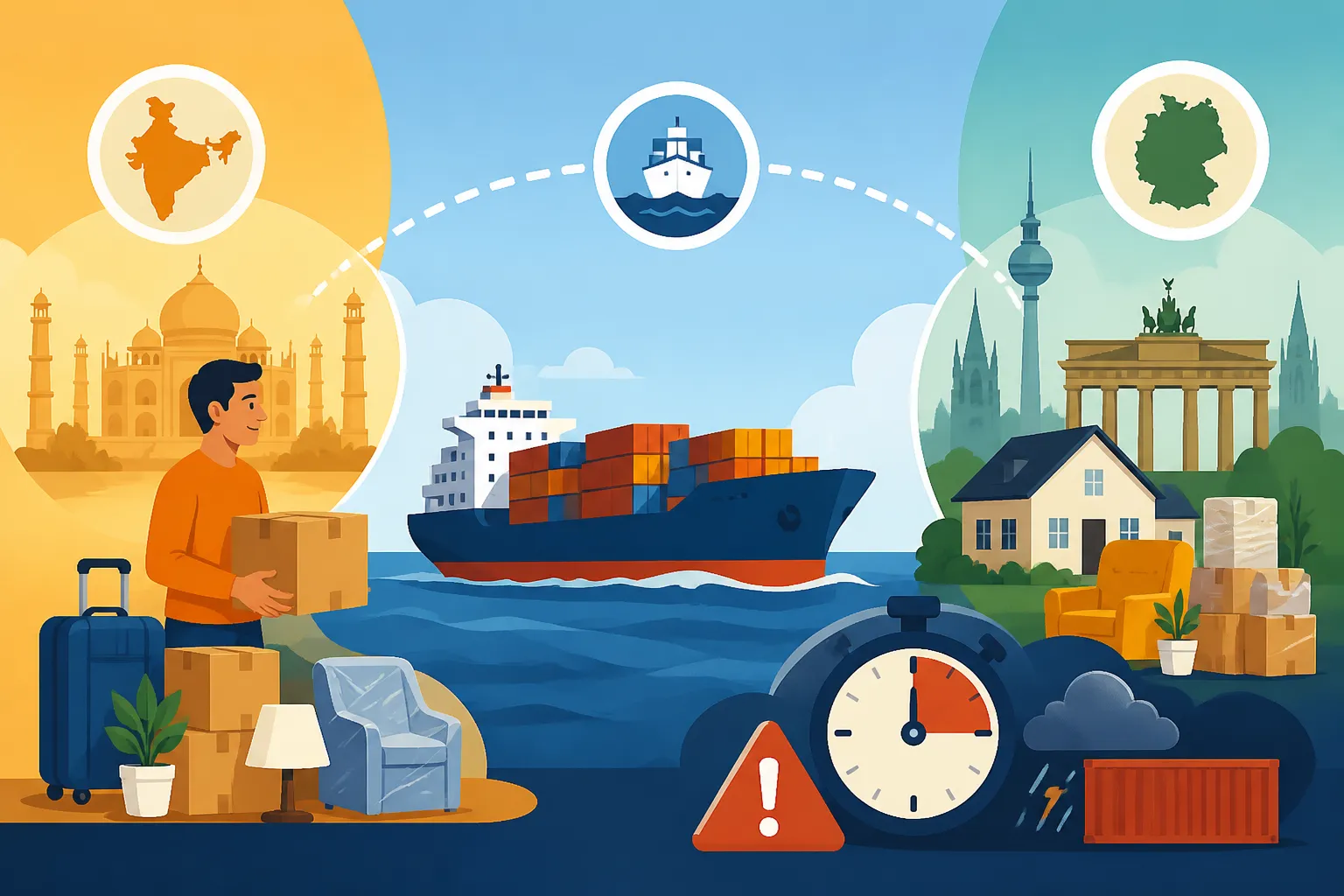
Oh, the sheer thought of packing up your entire life in India and shipping it all the way to Germany can feel utterly overwhelming, can't it? It’s not just about what to take, but how to get it there, and dealing with the infamous German bureaucracy at the other end. This guide is here to shed light on the often-murky waters of sea freight from India to Germany, detailing the routes, the notorious delays, and how a trusted partner like Sirelo can genuinely make this colossal task less of a headache.
Disclosure: This post may contain affiliate links. We may earn a commission at no extra cost to you if you make a purchase through these links. Read full disclosure.
The Grand Undertaking: Why Moving from India to Germany is a Beast
Moving countries isn't just a change of address; it's a monumental life shift, and when you're moving continents, like from India to Germany, the logistical challenges multiply tenfold. It's a journey filled with paperwork, packing, waiting, and hoping everything arrives in one piece. For many expats, this part of the relocation process can be the most stressful.
The Emotional and Practical Weight of International Relocation
Think about it: you've built a life, accumulated possessions, and now you're faced with deciding what comes with you and what gets left behind. Each item holds memories, practical value, or simply reminds you of 'home.' From your favourite spices to essential furniture, the sheer volume of personal belongings can be staggering. The emotional toll of this culling process, combined with the practicalities of packing everything so it survives a multi-week journey across oceans, is immense. It’s not just about boxes; it’s about carefully preserving a piece of your past for your future in a new land. And let's be honest, finding reliable movers who understand the specific challenges of this long-haul route can feel like searching for a needle in a haystack. This is where having a reliable platform to connect you with vetted professionals, like Sirelo, becomes incredibly valuable.
Bureaucracy and Customs: Germany's Strict Rules
Germany, bless its efficient heart, loves its rules and regulations. This applies doubly to customs when importing household goods. It’s not simply a matter of packing your things and sending them off; there's a meticulous process involved to avoid your precious belongings getting stuck at the port for weeks on end. You'll need detailed packing lists, often in German, proof of your move (like your visa and rental contract), and strict adherence to what can and cannot be imported. Prohibited items, restrictions on certain foodstuffs, and detailed declarations are just the tip of the iceberg. Any misstep here can lead to significant delays and unexpected costs. Understanding the nuances of Moving to Germany: Comprehensive Visa & Immigration Guide and Housing in Germany: Renting, Buying, and Finding Your Home as an Expat will give you a head start on preparing necessary documents that might be required for customs.
Sea Freight: Your Best Bet for Shipping from India
When relocating from India to Germany, sea freight is almost always the go-to option for shipping your household goods. While air freight offers speed, its cost is prohibitive for anything more than a few essential boxes. Sea freight, on the other hand, balances affordability with capacity, allowing you to bring a substantial portion of your home with you.
Full Container Load FCL vs. Less Than Container Load LCL
Deciding between a Full Container Load (FCL) and Less Than Container Load (LCL) is a critical step that impacts both cost and timing.
- Full Container Load (FCL): This means you're renting an entire shipping container (typically 20ft or 40ft) exclusively for your belongings.
- Pros: Your goods are sealed in their own container, minimizing handling and reducing the risk of damage or misplacement. It's usually faster than LCL because the container only waits for your goods to be loaded, not for other shipments to fill it. Ideal for larger households (3+ bedrooms) or if you have bulky furniture.
- Cons: Significantly more expensive than LCL, especially if you don't fill the entire container. You pay for the space whether you use it or not.
- Scenario: Imagine you’re moving a three-bedroom apartment, including a full kitchen, a large sofa, and several pieces of art. An FCL would give you peace of mind that your treasured items won't be mixed with other people's cargo and will likely arrive more quickly.
- Less Than Container Load (LCL): This option involves sharing a container with other people's shipments going to the same destination. Your goods are consolidated with others to fill the container.
- Pros: Far more cost-effective, as you only pay for the space your goods occupy within the container. Perfect for smaller moves (studio, one-bedroom) or if you're only bringing essential items.
- Cons: Increased handling means a slightly higher risk of damage. Crucially, transit times can be longer because the container must be completely filled before departure, and then unpacked and sorted at the destination port, potentially delaying your items while waiting for other consignments.
- Scenario: If you’re a single person moving with just a few boxes of clothes, books, and maybe a disassembled bicycle, LCL is probably your best financial bet. Just be prepared for potentially longer waits at both ends.
It's vital to get detailed quotes for both options from experienced movers through a platform like Sirelo, who can help you weigh the costs against your volume of goods and timeline.
The Journey: Major Ports and Transit Times
The sea voyage from India to Germany is a long one, typically passing through major shipping lanes and canals. Understanding the key ports and estimated transit times is crucial for managing your expectations.
- Major Indian Ports: Most international shipments from India depart from major container ports like Nhava Sheva (Mumbai), Chennai, and Mundra. These ports have the infrastructure and regular shipping lines necessary for international cargo. Your chosen moving company, ideally found through Sirelo for vetted options, will likely arrange pickup from your home and transport to one of these hubs.
- Major German Ports: Your goods will almost certainly arrive at one of Germany's two main container ports: Hamburg or Bremerhaven. Hamburg is Germany's largest port and a major European hub, while Bremerhaven is also highly active, particularly for vehicle imports and exports. Once your container arrives, it will be offloaded, cleared through customs, and then transported to your final destination in Germany.
- Typical Transit Times: The actual "sailing time" from an Indian port to a German port can range from 25 to 40 days. However, this is just the time the ship is actively moving. You need to factor in:
- Pre-shipment logistics: Packing, loading, transport to the Indian port, customs clearance in India (could add 1-2 weeks).
- Port layovers: Time spent waiting at intermediate ports or for container consolidation (LCL) or vessel schedules.
- Post-arrival logistics: Offloading at the German port, German customs clearance, and final delivery to your new home (could add another 1-3 weeks).
Therefore, a realistic total door-to-door transit time for sea freight from India to Germany typically falls within 6 to 10 weeks, and sometimes even longer, especially for LCL shipments. It’s a marathon, not a sprint, so patience is key! Reputable moving companies found on Sirelo will give you a more accurate estimate based on current shipping conditions.
Navigating the Maze: Common Delays and How to Mitigate Them
Ask any expat who’s moved internationally, and they’ll have a story about a delay. Shipping your entire life from India to Germany by sea freight is almost guaranteed to encounter a few bumps in the road. Knowing what these potential delays are and how to prepare for them can save you a world of stress and possibly some cash too.
Documentation Mishaps and Customs Holds
This is perhaps the most common, and most preventable, cause of delays. German customs authorities are meticulous, and if your paperwork isn't absolutely spot-on, your shipment will be held.
- Incomplete or Incorrect Declarations: You must declare every single item in your shipment, along with its estimated value. If customs finds discrepancies between your packing list and the actual contents, or if values seem unreasonably low, they will flag your shipment. This could lead to a physical inspection, which is time-consuming and often costly.
- Example: Forgetting to declare a new electronics item still in its original packaging can raise red flags. Or, if you categorize a valuable antique as a "used household item," customs might dispute the classification and demand further proof of ownership and age.
- Missing or Invalid Documents: You'll need more than just a packing list. Essential documents include your visa or residence permit for Germany, proof of address registration (Anmeldung) or intent to register, a detailed inventory, a copy of your passport, and often a declaration that the goods are personal effects and not for resale. If any of these are missing, expired, or don't match other documents, your container will sit.
- Example: If your Germany Work Visa & Immigration Guide for Professionals is still pending, or your Registering Your Address (Anmeldung): Step-by-Step Guide is not yet complete when your goods arrive, customs will have questions about your residency status.
- Mitigation Strategy: The best defence is meticulous preparation. Work closely with your chosen moving company (a great reason to use Sirelo, as they connect you with experienced firms) to ensure every piece of paperwork is perfect. Double-check all spellings, dates, and numbers. Ask for examples of correctly filled forms. Be transparent about all contents. Consider using a moving service that offers assistance with customs documentation, as their expertise can be invaluable in navigating the German system.
Port Congestion and Weather Woes
These are the less controllable factors, but they can still throw a wrench into your moving timeline.
- Port Congestion: Major international ports, especially hubs like Hamburg and Mumbai, can experience congestion due to high traffic volumes, labor shortages, equipment breakdowns, or unforeseen operational issues. When a port is congested, ships might have to wait at anchor for days or even weeks before they can dock and unload. This has a ripple effect, delaying subsequent sailings and arrivals.
- Example: During peak shipping seasons (e.g., before major holidays or during global supply chain surges), containers can pile up, leading to bottlenecking.
- Weather Conditions: While less frequent in modern shipping, extreme weather can certainly cause delays.
- Monsoon Season in India: Heavy monsoons can impact inland transport to ports and even port operations, leading to delays in loading.
- North Sea Storms: Powerful winter storms in the North Sea can force ships to alter courses, slow down, or even delay docking at German ports like Hamburg or Bremerhaven for safety reasons.
- Example: A severe fog advisory in the Elbe River leading to Hamburg can shut down vessel traffic for hours or even a full day, delaying dozens of arrivals and departures.
- Mitigation Strategy: While you can't control the weather or port traffic, you can plan around it. If possible, avoid shipping during known peak seasons or extreme weather periods. Always build extra buffer time into your relocation schedule – assume the longest estimated delivery time, and anything faster is a bonus. Stay in regular communication with your moving company for updates on the vessel's status. Using a service like Sirelo allows you to choose movers who have contingency plans and robust tracking systems.
Unexpected Costs and Hidden Fees
Nothing stings quite like an unexpected bill after you thought you’d budgeted for everything. International shipping can sometimes surprise you with charges you weren't aware of.
- Demurrage and Detention Charges:
- Demurrage: This is a fee charged by the shipping line if your container remains at the port for too long after the allowed free time, typically because of delays in customs clearance or pickup arrangements on the recipient's end.
- Detention: This is a fee charged by the shipping line if you (or your moving company) keep their container outside the port for too long after it's been picked up, typically while it’s being unpacked.
- Example: If your documentation isn't ready when your container arrives, or if there's a strike at the port delaying truck availability, you could incur significant demurrage fees daily. Similarly, if your new apartment isn't ready for delivery, the container might sit on a truck, racking up detention charges.
- Storage Charges: If, for any reason, your goods cannot be delivered directly to your new home after customs clearance, they might need to be stored at a warehouse. This will incur additional daily or weekly storage fees.
- Customs Duties and Taxes: While personal household goods are generally exempt from duties if you're moving for residency (provided you've owned and used them for at least six months and are not selling them), errors in declaration or certain items might still trigger taxes.
- Example: Bringing in a new appliance you bought just before moving, or excessive quantities of a certain item, could be viewed as commercial goods and taxed.
- Mitigation Strategy: The most effective way to avoid these nasty surprises is to get a detailed, all-inclusive quote from your moving company upfront. This quote should clearly state what is and isn't included, especially regarding customs clearance, port charges, delivery to your door, and any potential storage or waiting fees. Ask about their "free days" for demurrage and detention. Choose a mover known for transparent pricing, which Sirelo helps with by providing quotes from multiple, reviewed companies. Ensure all your documentation is ready before your shipment even leaves India, and that your German address is confirmed and accessible for delivery. Discuss potential scenarios with your mover and ask them to outline all possible additional costs.
Choosing Your Moving Partner: Why Sirelo is a Lifeline for Indian Expats
Navigating an international move, especially one as complex as from India to Germany, requires more than just packing tape and boxes. You need a trusted partner, and this is precisely where Sirelo shines as an invaluable resource. They understand the unique challenges expats face and are designed to simplify the entire process of finding a reliable mover.
Seamless Quote Comparison and Vetted Movers
The thought of sifting through countless moving companies, deciphering their services, and comparing quotes can be utterly exhausting, especially when you're already juggling visa applications, Finding an Apartment in Germany: Best Websites and Tips for Expats, and saying goodbye to loved ones. Sirelo takes this burden off your shoulders.
- One-Stop Shop for Quotes: Instead of contacting individual companies one by one, you submit your moving details once to Sirelo. They then connect you with up to five reputable moving companies that specialize in the India-Germany route. This saves you an immense amount of time and effort in the initial research phase.
- Vetted and Experienced Professionals: Sirelo doesn’t just list any company. They work with a network of movers who have a proven track record in international relocations. This is critical because the India-Germany route involves specific customs knowledge, logistics expertise, and the ability to handle long-distance sea freight efficiently. By choosing a mover through Sirelo, you gain an extra layer of assurance that you're dealing with professionals who understand the nuances of this particular move, rather than a generic local moving service.
- Review System for Transparency: One of the most powerful features of Sirelo is its transparent review system. You can read genuine feedback from other expats who have used these companies for their international moves. This direct insight into customer experience regarding reliability, communication, and problem-solving is invaluable. It helps you make an informed decision based on real-world performance, giving you confidence in your choice. Sirelo acts as a vital bridge, connecting you with movers perfectly positioned to ease your transition.
Expert Guidance on Customs and Paperwork
As we've discussed, German bureaucracy and customs requirements are no joke. The complexity can feel like a foreign language in itself, and any error can lead to significant delays and costs. This is where the expertise of Sirelo's partner movers truly becomes a lifesaver.
- Navigating German Customs: The moving companies connected through Sirelo are well-versed in German customs regulations. They can guide you through the specific forms required, explain what needs to be declared, and help ensure your inventory is compliant. This often includes assistance with translations of documents, a process that can be daunting if your German isn't fluent.
- Preventing Common Pitfalls: These experts know the common mistakes people make when moving from India to Germany – such as misdeclaring items, failing to provide sufficient proof of residency, or improperly packing certain goods. They can proactively advise you on how to avoid these pitfalls, thereby minimizing the risk of your shipment being held at the port. Their knowledge can prevent those dreaded demurrage and detention charges.
- Streamlining the Process: With a Sirelo-vetted mover, you're not just getting transport; you're getting a partner who can help streamline the often-overwhelming paperwork process, making it feel less like a bureaucratic nightmare and more like a manageable checklist. This support is crucial for anyone feeling daunted by the administrative load of moving to Germany.
Support Beyond the Move: Reviews and Community
The moving experience doesn't end when the truck pulls away from your old home or even when it arrives at your new one. Post-move support, accountability, and community insights are vital for a smooth transition.
- Accountability Through Reviews: Sirelo's platform fosters accountability. Movers know that their service will be reviewed, which encourages them to maintain high standards. This means you, the customer, benefit from a higher quality of service. If issues do arise, you have a platform to share your experience, which in turn helps future expats make better choices.
- Community of Expats: While Sirelo primarily connects you with movers, the existence of such a robust platform is built on the collective experience of expats. Reading reviews isn't just about vetting a company; it's about learning from others who have walked this path before you. This collective wisdom helps you set realistic expectations and understand potential challenges before they become actual problems.
- Ongoing Assistance (Indirect): Though Sirelo itself isn't a moving company, by facilitating access to reliable movers, it indirectly provides ongoing assistance. You can always refer back to your chosen mover for questions even after delivery, knowing they are part of a trusted network. For further integration into your new life, don't forget to check out resources on German Culture & Etiquette: A Guide to Social Life and Customs and Making Friends in Germany: Social Tips for Expats.
Packing, Planning, and German Arrival Logistics
Getting your stuff from India to Germany is only half the battle. What you do before and after the shipment arrives makes a world of difference to your sanity. Thoughtful packing and smart planning for your arrival are crucial for a smoother landing in your new German home.
Smart Packing for International Moves
This isn't your average local move; these boxes are going on an ocean voyage! Therefore, your packing strategy needs to be robust and mindful of customs.
- Durability is Key: Use high-quality, sturdy moving boxes. Double-wall corrugated boxes are best for heavier or fragile items. Invest in plenty of bubble wrap, packing paper, and strong packing tape. Every item should be securely wrapped and cushioned to withstand the bumps and shifts of long-distance transport. Label each box clearly with its contents (in English and preferably German for customs ease) and the room it belongs to.
- Customs-Friendly Inventory: Create a detailed, itemized packing list before you start packing. Assign a numerical value to each item or category. This list will be vital for customs declaration. Avoid packing prohibited items such as certain types of alcohol, tobacco beyond personal use limits, firearms, illegal drugs, or certain plants/seeds. Be mindful of food items; non-perishable, commercially packaged goods are generally okay, but fresh produce, meat, or large quantities of homemade food are often restricted or prohibited.
- What to Ship, What to Carry, What to Leave:
- Ship: Non-urgent household items, furniture, extensive wardrobes, books, kitchenware. Things you won't need for several weeks.
- Carry-on: Essential documents (passport, visa, flight tickets, original birth/marriage certificates, Health Insurance in Germany: Understanding Public vs Private Coverage documents), valuables (jewelry, irreplaceable photos), immediate change of clothes, basic toiletries, crucial medications with prescriptions, chargers, and anything you cannot live without for the first few days.
- Checked Luggage: Clothes for the first few weeks, a few favourite items, specific Indian ingredients you absolutely can't find in Germany (in sealed, permissible quantities), and some basic linen.
- Leave Behind/Sell: Large, bulky items that are inexpensive to replace in Germany (e.g., some basic IKEA furniture), items that are near the end of their life, or anything that holds little sentimental value if the shipping cost outweighs its worth. Remember that many German apartments come unfurnished, often even without a kitchen, so assess what furniture you genuinely need. For more on this, check out Furnishing a German Apartment and the Empty-Kitchen Problem.
The First Weeks in Germany: What You'll Need Immediately
Even with the best shipping plan, there's a significant gap between your arrival and your belongings showing up. Planning for those initial weeks is paramount.
- Essentials for Arrival: Since your sea freight will take weeks, you need a "survival kit" for your first few days or even weeks. This includes essential clothing, toiletries, crucial documents, important medications, and basic entertainment. Consider having a few simple cooking items if your temporary accommodation allows, especially if you have specific dietary needs.
- Temporary Accommodation: Line up a short-term apartment or extended-stay hotel for your first month or two. This provides a stable base while you complete vital administrative tasks and wait for your permanent housing and shipment. Services like Airbnb or dedicated expat rental platforms can be helpful.
- Administrative Heavy Lifting: Your first priority upon arrival will be your The Anmeldung: Registering Your Address in Germany. This is fundamental for nearly everything else you need to do, from opening a bank account to getting your tax ID. You'll also need to sort out your Internet and Mobile Phone Plans in Germany: Getting Connected Fast and understand your Public Health Insurance (gesetzliche Krankenkasse): What It Covers and Costs options. Remember, Germany runs on paperwork, so being organised is key. For a thorough checklist, refer to Settling in Quickly: A Newcomer’s Checklist for Your First Weeks in Germany.
- Cash is King (Initially): While Germany is slowly embracing card payments, cash is still widely used. Have some Euros on hand for initial expenses like public transport, small groceries, or quick meals before your bank account is fully operational. Understanding Cost of Living in Germany: Budgeting Guide for Expats will also help you plan.
Customs Clearance and Delivery in Germany
The final leg of your journey – getting your goods from the German port to your new home – still requires attention.
- Port Arrival and Customs Processing: Once your vessel docks at Hamburg or Bremerhaven, your moving company's local agent will be notified. They will handle the formal customs clearance process on your behalf, using the documentation you provided. This is where accurate paperwork from India really pays off, as smooth clearance means minimal delays.
- Communication is Key: Stay in close contact with your moving company or their German agent during this phase. They will inform you when your goods are cleared and ready for the final delivery arrangements. They will also coordinate a delivery date and time that works for you.
- Final Delivery and Unpacking: On the day of delivery, ensure you or a trusted representative is present at your German address. The moving crew will typically unload the boxes into your home, but unpacking and assembly services might be an additional cost, depending on your contract. Do a quick inventory check against your packing list to ensure all boxes have arrived and note any visible damage before the crew leaves.
- Don't Forget the Rundfunkbeitrag: As soon as you're registered at a German address, the "public broadcasting fee" will come knocking. It's one of those uniquely German expenses you need to be aware of.
Disclaimer
Please remember that the information provided in this guide is for general informational purposes only and does not constitute legal, financial, or immigration advice. Regulations and procedures in Germany, particularly concerning customs, visas, and taxes, can change frequently. While we strive to provide accurate and up-to-date information, it is always recommended to consult with official government sources, legal professionals, and your chosen moving company (such as those vetted by Sirelo) for personalized advice pertaining to your specific situation before making any decisions related to your international move.