Moving to Germany from Italy and Spain: Southern European Road Routes
Embarking on a move to Germany from sunny Italy or vibrant Spain by road can feel like a colossal undertaking. The sheer thought of navigating different countries, dealing with endless paperwork, and ensuring your beloved belongings arrive safely can be incredibly daunting, often leading to sleepless nights filled with logistical nightmares. This comprehensive guide is here to alleviate that stress, walking you through every step of your journey from Southern Europe to Germany, highlighting how smart planning and leveraging expert services, especially from a platform like Sirelo, can make your transition incredibly smooth.
Disclosure: This post may contain affiliate links. We may earn a commission at no extra cost to you if you make a purchase through these links. Read full disclosure.
The Allure of a German Move: Why Southern Europeans Head North
It’s no secret that Germany has become a beacon for many seeking new horizons. While leaving the warmth and familiar rhythms of Italy or Spain can be bittersweet, the pull of Germany often comes from a very tangible desire for new opportunities and a different way of life. It’s a bold step, but one that countless others have taken, driven by a vision of a stable, prosperous future.
Economic Prospects and Quality of Life
One of the primary drivers for moving from Southern Europe to Germany is often the robust economy and the promise of better career opportunities. Germany boasts a strong job market, especially in sectors like engineering, IT, healthcare, and skilled trades. Many expats find that salaries in Germany offer a significantly higher purchasing power, allowing for a better quality of life than they might have experienced back home. This isn't just about earning more; it's about what that earning potential translates to: better housing options, access to excellent public services, and a sense of financial security that can be hard to come by elsewhere.
Beyond just the paycheck, the overall quality of life is a huge draw. Germany's infrastructure is top-notch, with efficient public transport, well-maintained roads, and reliable utilities. The country also offers a fantastic work-life balance, with generous vacation days and a strong emphasis on leisure time. You'll find a wide range of cultural activities, beautiful natural landscapes, and a healthcare system that, while sometimes bureaucratic, is incredibly comprehensive once you're in it. Of course, understanding the nuances of the German job market and how to navigate the application process is crucial; our guide on Working in Germany: Comprehensive Guide for Foreign Professionals can offer more insights into what to expect in the workplace.
Cultural Draw and New Experiences
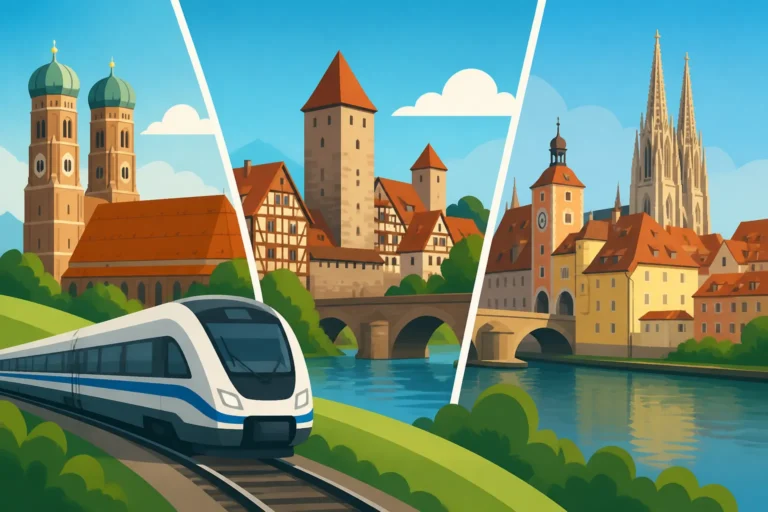
While the initial perception of German culture might be one of efficiency and seriousness, there’s a deep, rich tapestry of experiences waiting to be discovered. From the vibrant art scenes in Berlin to the historic charm of Munich, the cultural offerings are diverse and engaging. Many find themselves drawn to the orderly nature of German society, the emphasis on sustainability, and the opportunities for personal growth that come with adapting to a new environment.
It’s not just about what Germany offers, but what it means for you personally. Stepping out of your comfort zone, engaging with a new language, and embracing different customs can be incredibly enriching. You'll learn a new rhythm of life, perhaps discover a love for hiking in the Black Forest or enjoying Kaffee und Kuchen in a bustling city square. Yes, there will be moments of frustration – like deciphering complex official letters or adjusting to closed shops on Sundays – but these are all part of the unique expat journey. Embracing these challenges and learning from them is part of what makes living abroad so rewarding.
Planning Your Road Trip: Logistics from Italy or Spain to Germany
Deciding to move by road from Italy or Spain to Germany is a brave choice, offering flexibility and the chance to bring more personal belongings. However, it requires meticulous planning. You're not just driving from one city to another; you're traversing multiple countries, each with its own rules and regulations. This isn't a casual drive, it's a strategic operation.
Route Planning and Border Crossings
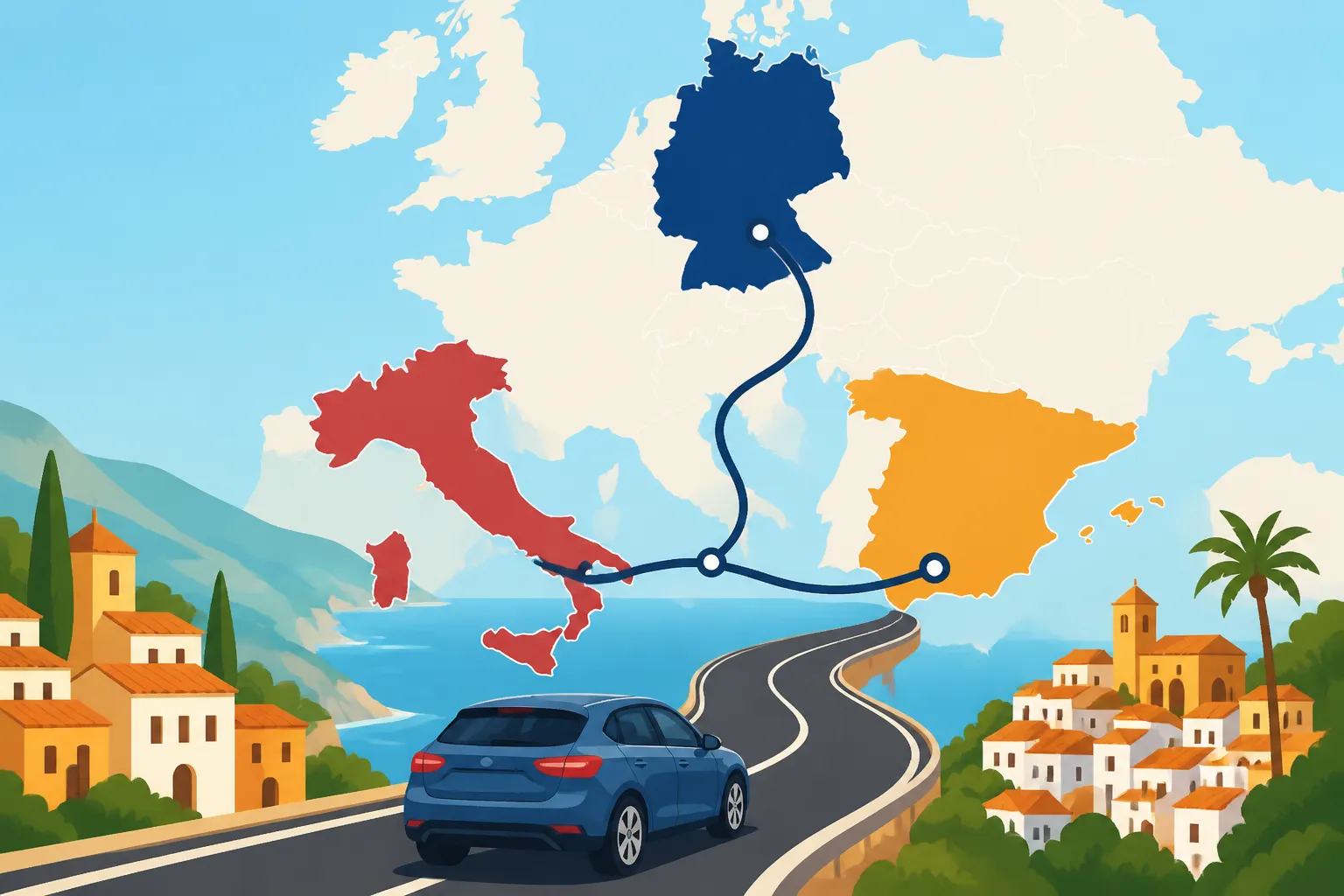
Your route will largely depend on your starting point in Italy or Spain and your destination in Germany. From Northern Italy, you'll likely pass through Austria or Switzerland. From Southern Italy, you might add France into the mix. From Spain, France is almost a given. These are all Schengen Area countries, meaning border checks between them are typically minimal or non-existent for EU citizens. However, it's wise to have your ID and vehicle documents readily accessible, just in case.
When planning, consider the following:
- Tolls and Vignettes: Many countries along your route (e.g., Austria, Switzerland, France) have road tolls or require a Vignette (a sticker you buy for a certain period to use their motorways). Failing to display a valid Vignette or pay tolls can result in hefty fines. Research these thoroughly for each country you’ll pass through and purchase them before you enter the country, often available at border crossings or petrol stations. For example, Switzerland is quite strict and requires an annual vignette.
- Rest Stops and Fuel: Plan your stops strategically. While petrol stations are frequent, knowing where you'll refuel and rest can save you stress. Take advantage of the larger Autohöfe (motorway service areas) in Germany, which often have restaurants, shops, and clean facilities.
- Driving Laws: Familiarize yourself with the driving laws in each country. Speed limits, rules about daytime running lights, reflective vests, and warning triangles can vary. For instance, in Germany, you generally need to have a first-aid kit, warning triangle, and reflective vest in your car.
- Time of Year: If you're moving in winter, be prepared for potential snow and ice, especially when crossing the Alps. Winter tires or snow chains might be mandatory in certain regions or specific periods. Always check the weather forecast for your entire route.
Vehicle Requirements and Documentation
Moving your car across international borders, especially for relocation, involves ensuring it meets all legal standards. Your Italian or Spanish vehicle registration might be sufficient for a temporary stay, but for permanent residency in Germany, you'll eventually need to register your car there.
Here's what to keep in mind:
- Valid Driver's License: Your Italian or Spanish driving license is perfectly valid in Germany, as both are EU member states. No need for an international driving permit.
- Insurance: Your existing car insurance from Italy or Spain should cover you across Europe, but double-check your policy's territorial coverage. For a long-term move, you'll eventually need German car insurance, which can sometimes be more expensive for new arrivals without a German driving history.
- Vehicle Condition: Ensure your vehicle is in excellent condition before embarking on such a long journey. Get a full service, check tire pressure, fluid levels, and lights. Breakdowns hundreds of kilometers from home are an expat's worst nightmare.
- Documents, Documents, Documents: Have all your vehicle documents (registration, insurance, proof of ownership, valid ID) easily accessible, not packed away. A little plastic wallet in your glove compartment can be a lifesaver at a random police check.
Packing Smart and Efficiently
When moving by road, every inch of space in your vehicle (or the moving truck) counts. This is not the time for sentimental hoarding. Think strategically about what you absolutely need immediately upon arrival versus what can be shipped or purchased later.
Consider these tips:
- Essentials Box: Pack a separate, clearly labeled box (or suitcase) with essentials you'll need for your first few days in Germany: toiletries, a change of clothes, important documents (passports, visa papers, copies of your Moving to Germany: Comprehensive Visa & Immigration Guide), chargers, basic kitchen items like a coffee mug, and any medications. This box should travel with you, not in the back of a large moving truck, especially if you're coordinating with a service that handles the bulk of your possessions.
- Valuables and Documents: Keep all critical documents (passports, birth certificates, marriage licenses, university diplomas, job contracts, copies of your Housing in Germany: Renting, Buying, and Finding Your Home as an Expat information, and any rental agreements), jewelry, and other highly valuable items with you in your personal vehicle. Do not put these in a moving truck.
- Weight Distribution: If you're loading a rental van yourself, pay attention to weight distribution. Heavier items should be on the bottom and centered. Overloading a vehicle is dangerous and illegal.
- Labels, Labels, Labels: Label everything clearly. Not just "Kitchen" but "Kitchen – Pots & Pans" or "Kitchen – Glasses." This makes unpacking in your new German apartment so much less stressful, especially when you encounter the notoriously unfurnished German apartments, where even a kitchen often needs to be installed, as discussed in Unfurnished Apartments in Germany: Dealing with Kitchens and Light Fixtures.
The Big Move: Hiring Professional Movers (and why Sirelo shines)
This is where the real stress of an international move often hits. Do you rent a van and drive it yourself, or do you entrust your entire life's possessions to a moving company? For a cross-country move from Italy or Spain to Germany, especially with a family, the latter often becomes the more sensible, albeit initially more expensive, option. This is exactly where platforms like Sirelo come in as a lifesaver.
DIY vs. Professional Moving Services
Let's be brutally honest about the DIY approach for such a long haul:
- DIY Pros: Cost-saving (initially), complete control over your belongings, flexibility on timing.
- DIY Cons: Exhaustion from driving a large vehicle, potential for unforeseen issues (breakdowns, parking fines, tolls), lack of insurance for goods in transit, physical strain of packing and lifting, potential language barriers if issues arise in transit countries. Imagine trying to explain a broken-down van in rural Austria with limited German or French!
- Professional Movers Pros: Peace of mind, dedicated insurance for your goods, expert packing and loading, customs navigation (if applicable), less physical strain, often quicker.
- Professional Movers Cons: Higher upfront cost, less control over timing (within a window), entrusting your possessions to others.
For a move of this magnitude, the peace of mind offered by professional movers usually outweighs the perceived cost savings of a DIY job. The value of arriving in Germany rested and ready to tackle the initial bureaucracy, rather than utterly drained from driving a heavily loaded van for two days, is immense.
Choosing the Right Moving Partner: Highlighting Sirelo
When you’re looking for a professional moving partner, especially from Italy or Spain to Germany, you’re not just looking for someone with a truck. You need a reliable, experienced company that understands international logistics. This is where Sirelo truly makes a difference. Sirelo isn't just a moving company; it's a platform that connects you with a network of vetted, reputable international movers. Think of them as your personal matchmaker for moving services.
Here's why Sirelo is often the hero of the moving story for expats:
- Comparison Made Easy: Instead of spending hours scouring the internet for individual moving companies, requesting quotes, and comparing them manually, Sirelo simplifies the entire process. You input your moving details once, and Sirelo provides you with multiple quotes from different movers. This transparency allows you to compare prices and services side-by-side, ensuring you get the best deal for your specific needs.
- Vetted Movers: Sirelo works only with pre-qualified moving companies that have a proven track record. This means you’re not dealing with fly-by-night operations, but with professionals who understand the complexities of cross-border moves, including the routes from Italy and Spain to Germany.
- Cost-Effectiveness: By allowing you to compare multiple quotes, Sirelo helps you find competitive prices without compromising on quality. This is crucial for expats who are often trying to manage their budget while relocating to a new, potentially more expensive, country, as outlined in our guide on the Cost of Living in Germany: Budgeting Guide for Expats.
- Specialized Services: Many of the movers connected through Sirelo offer a range of services from basic transport to full-service packing and unpacking, storage solutions, and even specialty item handling (like pianos or delicate artwork). This flexibility ensures you can tailor the service to your budget and needs.
- Customer Reviews and Support: Sirelo often features customer reviews, giving you an honest perspective on various movers. Their platform is designed to make the process as straightforward as possible, offering a level of guidance that can be invaluable when you're feeling overwhelmed.
- International Expertise: When moving from Italy or Spain to Germany, customs procedures are generally simplified due to EU membership, but proper documentation for household goods is still important. A moving company sourced via Sirelo will have experience with these routes and requirements, ensuring a smoother journey for your possessions.
Using a platform like Sirelo means you’re not just picking a mover; you’re making an informed decision supported by a network of professionals. It takes a huge load off your shoulders, allowing you to focus on the myriad other tasks that come with an international relocation.
Cost Considerations and Insurance
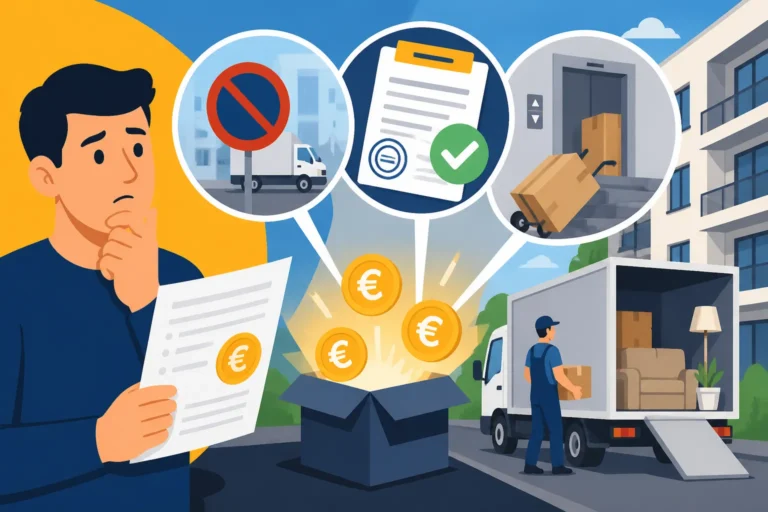
Moving is expensive, there's no way around it. When getting quotes, understand what's included and what's extra. A cheaper quote might exclude packing materials, insurance, or even assembly/disassembly services.
Here’s a breakdown of potential costs:
| Service Type | Description | Typical Cost Impact (vs. DIY) | Sirelo Advantage |
|---|---|---|---|
| Basic Transport | Loading, transport, unloading. You pack everything. | Medium increase | Find competitive rates from multiple providers. |
| Partial Packing | Movers pack fragile/large items. | Moderate increase | Access to movers offering customizable services. |
| Full Service | Movers handle all packing, loading, transport, unloading, and sometimes even unpacking. | Significant increase | Ideal for busy expats; easily compare all-inclusive packages. |
| Insurance | Coverage for loss or damage during transit. Crucial for international moves. | Moderate | Most professional quotes via Sirelo include basic coverage; option to upgrade. |
| Special Items | Pianos, artwork, antique furniture, vehicles. | Variable, often high | Connects you with movers experienced in handling delicate or oversized items. |
| Storage | If your new home isn't ready immediately. | Variable | Some Sirelo partners offer temporary storage solutions. |
| Customs/Paperwork | While simplified within the EU, professional movers ensure all necessary declarations are in order. | Often included | Movers on Sirelo are well-versed in cross-border administrative requirements. |
Always ensure your goods are properly insured. Accidents happen, and while you hope for the best, having comprehensive transit insurance means you won't be left financially devastated if something goes wrong. Most reputable moving companies offer basic liability insurance, but it's often wise to opt for additional coverage, especially for valuable items. When evaluating quotes from Sirelo’s network, pay close attention to the insurance details. Don't be shy to ask questions – a good mover will patiently explain everything.
Settling into Your New German Home
You’ve made it! The long drive is over, your belongings are (hopefully) safely in Germany thanks to a seamless move facilitated by Sirelo, and now the real adventure begins: making Germany your home. This phase is often a mix of excitement and a new wave of administrative hurdles.
Initial Bureaucracy and Registration
Germany is known for its bureaucracy, and rightly so. The first few weeks are a whirlwind of paperwork, but getting these initial steps right is crucial for a smooth start.
- Anmeldung (Address Registration): This is the very first thing you need to do within two weeks of arrival. Registering your address at the local Bürgeramt (citizen's office) is non-negotiable and unlocks almost everything else you need, from opening a bank account to getting your tax ID. Our detailed guide, Registering Your Address (Anmeldung): Step-by-Step Guide, is an absolute must-read for this process.
- Bank Account: You'll need a German bank account for everything from receiving your salary to paying rent and utilities. While some international banks operate in Germany, opening a local account is usually easier and more practical. Check out our advice on Opening a Bank Account in Germany: Step-by-Step for Newcomers to get started.
- Health Insurance: If you're employed, your employer will typically help set this up. If you're freelancing, you'll need to choose between public or private insurance. Health insurance is mandatory in Germany.
- Tax ID (Steuer-ID): This will be sent to your registered address after your Anmeldung. You'll need it for work and other official purposes.
The key here is patience. Appointments can be hard to get in bigger cities, and things rarely happen as quickly as you'd like. Be prepared with all your documents (originals and copies!), and don't hesitate to ask for help if your German isn't yet up to par.
Getting Your Belongings into Your New German Home
After the official hurdles, it's time to transform your new apartment into a home. If you used a professional moving service via Sirelo, your belongings should arrive within the agreed timeframe. This is where the meticulous labeling during packing pays off.
- Unpacking Strategy: Start with the essentials. Get your bedroom and bathroom set up first. Then, tackle the kitchen. Remember, many German apartments come without kitchens, so you might need to coordinate kitchen installation before you can even unpack your pots and pans.
- Utilities: Setting up your electricity, gas, water, and internet is another crucial step. Don't wait until the last minute, as connection times can vary. Our guide on Utilities Setup: How to Get Electricity, Gas, and Water in Your New Home offers practical advice. You’ll also want to look into Internet and Mobile Phone Plans in Germany: Getting Connected Fast soon after arrival.
- The Rundfunkbeitrag (Broadcast Fee): This infamous fee for public broadcasting is mandatory for every household, regardless of whether you own a TV or radio. You'll receive a letter about it eventually. Just pay it. It's one of those uniquely German quirks.
Adapting to German Life
Beyond the paperwork, the biggest challenge (and opportunity!) lies in adapting to a new culture. German culture has its own rhythm, and it can be a significant shift from the more relaxed pace of Southern Europe.
- Language Learning: While many Germans speak English, especially in larger cities and professional environments, learning German will exponentially improve your experience and integration. Enroll in a language course, join a tandem partner program, or simply try to speak German whenever possible. Even a little bit goes a long way, and Germans generally appreciate the effort.
- Social Life: Making friends can take time. Germans value deeper friendships, and while they might not be as outwardly effusive as some Southern European cultures, their friendships are often incredibly loyal. Join clubs, attend local events, or use expat meetups to build your network. Understanding German Culture & Etiquette: A Guide to Social Life and Customs will definitely help.
- Embrace the Differences: From the punctuality to the recycling system (which can be surprisingly complex, but is excellent once you get the hang of it!), Germany has its unique ways. Instead of fighting them, try to understand and embrace them. You’ll find that many of these differences contribute to the high quality of life. The orderliness, the efficiency, the respect for rules – these are all part of what makes Germany, well, Germany.
Your journey from Italy or Spain to Germany is a marathon, not a sprint. There will be bumps in the road, but with careful planning, the right support (like a reliable moving service from Sirelo), and an open mind, you'll soon be calling Germany home.
Disclaimer
The information provided in this article is for general guidance only and does not constitute legal, financial, or immigration advice. While we strive to ensure accuracy, regulations and procedures in Germany can change. It is always recommended to consult with official government sources, legal professionals, or qualified advisors for specific advice pertaining to your individual situation.