Moving to Germany from Austria and Switzerland: Non-EU Border Paperwork
Moving to Germany, even from neighboring countries like Austria and Switzerland, might seem straightforward on the surface, but don's be fooled – there are still specific administrative hoops you need to jump through. While we often think of "border paperwork" as strictly for non-EU countries, there are nuanced differences that can catch even experienced expats off guard, especially when transporting your entire life. This guide will walk you through the essential administrative steps and customs requirements, ensuring your move is as smooth as possible, and show you how a service like Sirelo can simplify the entire process.
Disclosure: This post may contain affiliate links. We may earn a commission at no extra cost to you if you make a purchase through these links. Read full disclosure.
Understanding the "Border" in an Open Europe
It's easy to assume that because Austria and Switzerland are so close, moving your life to Germany would be a breeze. In many ways, it is, but the devil, as always, is in the details – particularly when it comes to your belongings and official registration.
Moving from Austria to Germany: Seamless but Not Paperless
If you're making the leap from Austria to Germany, you're in a relatively privileged position. Both countries are part of the European Union and the Schengen Area, which means that for people, there are no traditional border controls or visa requirements. You can literally drive across the border without stopping, much like moving between two states in a larger country. This free movement of people is a huge benefit!
However, this doesn't mean you can just waltz in and forget about bureaucracy. While you won't be showing your passport to a border guard, you still need to formally integrate yourself into the German system once you arrive. This includes registering your new address (the famous Anmeldung), sorting out your German tax ID, and ensuring you have mandatory German health insurance. These aren't "border paperwork" in the sense of customs checks, but they are absolutely critical administrative steps that must be completed promptly. Think of it as crossing a bureaucratic border, even if the physical one is invisible. The good news is that for your personal belongings and household goods, customs checks are generally non-existent. You can pack up your furniture, clothes, and appliances and move them freely across the Austrian-German border without needing to declare them or pay duties, provided they are for your personal use.
Moving from Switzerland to Germany: Customs is the Key
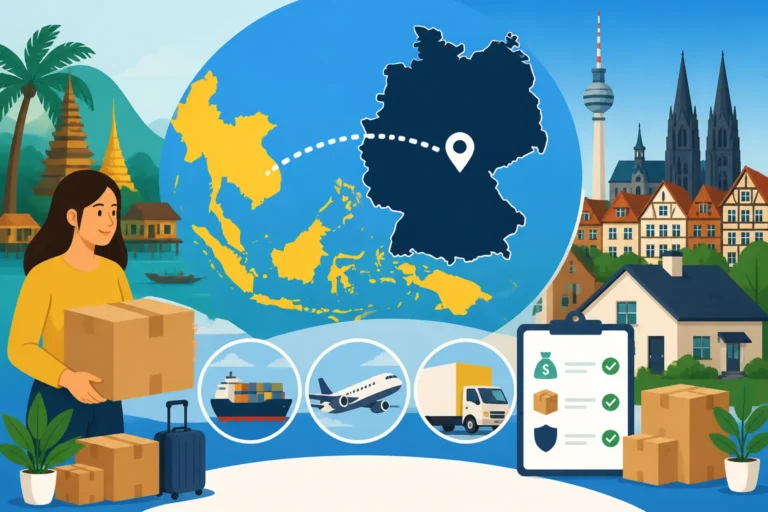
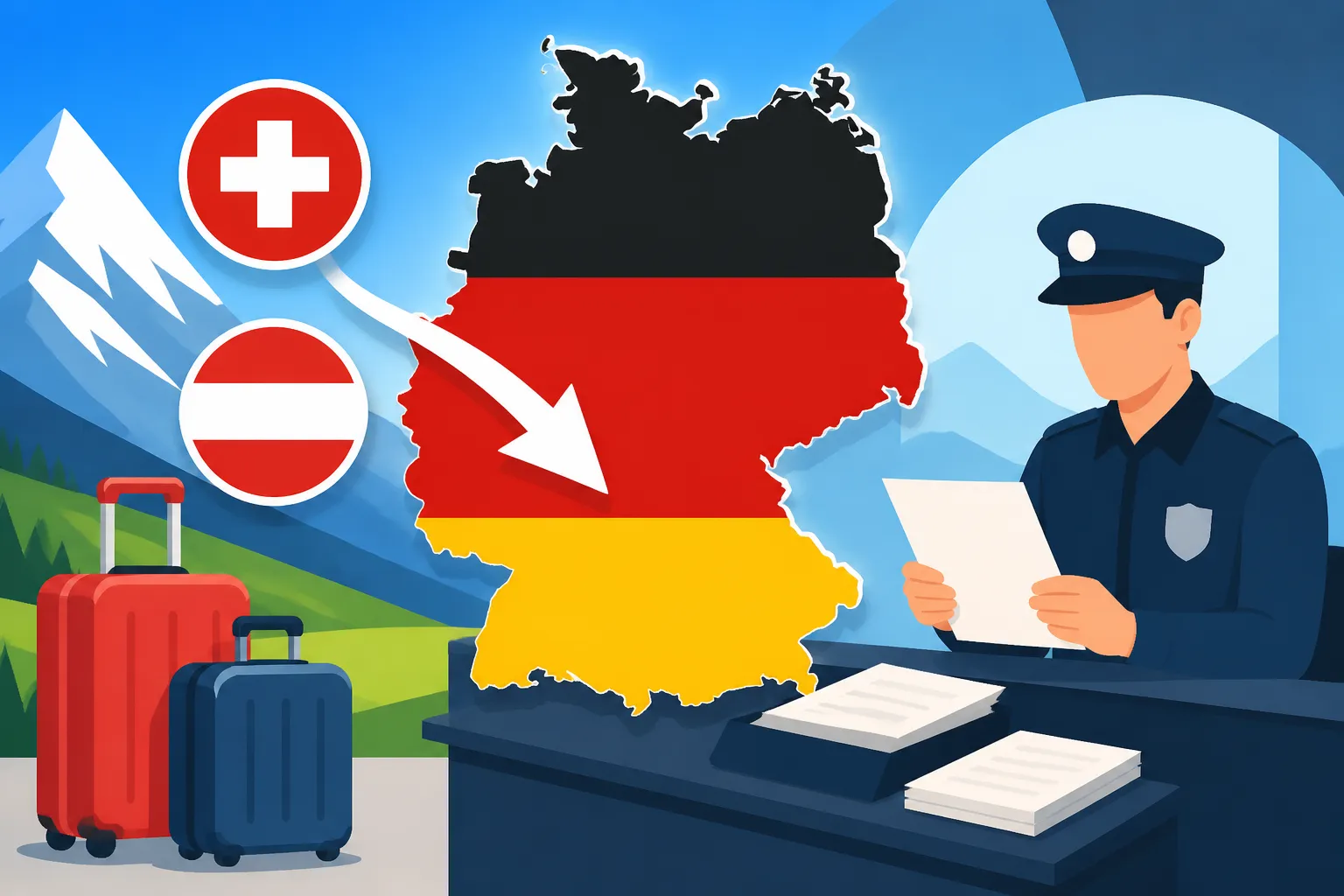
Now, moving from Switzerland is where the concept of "border paperwork" truly comes into play. Switzerland, while surrounded by EU countries and part of the Schengen Area for travel (meaning you generally don't face passport checks when crossing the land border), is not a member of the European Union. This single fact changes everything when it comes to bringing your household goods into Germany.
Because Switzerland is considered a "third country" by the EU for customs purposes, your personal belongings and household effects are subject to import regulations. This means you absolutely will encounter customs declarations. Many expats are caught off guard by this, assuming that because travel is easy, moving belongings will be too. Unfortunately, that's not the case. You'll need to prove that your goods are indeed "moving goods" (Umlzugsgut) and qualify for duty-free import. This involves a clear inventory, specific forms, and potentially presenting yourself at a customs office. Neglecting this step can lead to significant delays, fines, or even having to pay import duties on your cherished possessions – something no one wants after a long move. This is precisely the kind of complex situation where professional assistance, like what you can find through Sirelo, becomes not just helpful, but truly essential to navigate the intricacies of Swiss-German customs.
Essential Paperwork for Your Personal Belongings
Whether you're moving from Austria or Switzerland, preparing your belongings correctly can make or break your moving experience. For Austrian movers, it’s about organization; for Swiss movers, it’s about meticulous customs adherence.
For Your Household Goods: The Customs Declaration (Switzerland only)
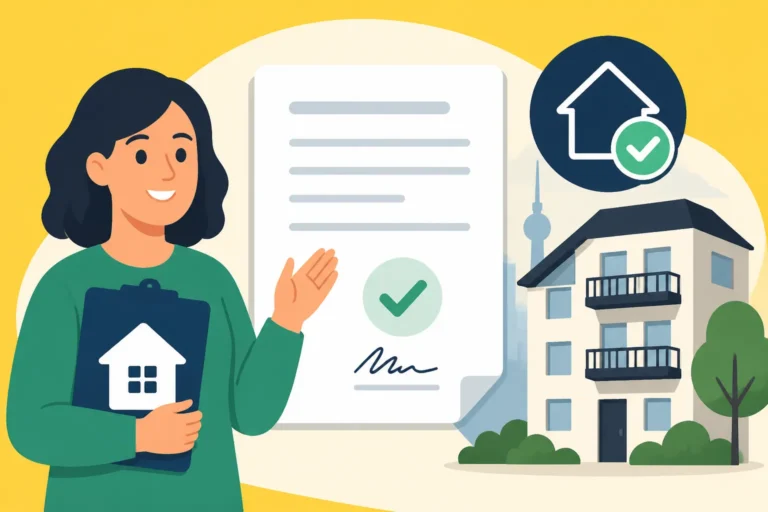
If you’re moving from Switzerland, this is the most critical piece of "border paperwork" you’ll face. To import your household goods duty-free into Germany, you'll need to make an official customs declaration for your Umlzugsgut (moving goods). This isn't just a formality; it's a legal requirement designed to prevent people from importing new goods without paying the relevant VAT and duties.
Here’s what you generally need to qualify for duty-free import and the documents to prepare:
- Proof of Prior Residence: You must demonstrate that you have been living in Switzerland for at least the last 12 months. This usually means utility bills, rental contracts, or official registration documents from Switzerland.
- Proof of New Residence: You need to show that you are establishing your normal place of residence in Germany. A German rental contract or a confirmation of your Anmeldung (address registration) is usually sufficient.
- Ownership Period: The goods you are importing must have been in your possession and used by you in Switzerland for at least six months. This prevents people from buying new items in Switzerland just before moving to Germany to avoid German taxes.
- Intention for Personal Use: The items must be intended for the same purpose in your new German home. You can't, for example, import commercial goods disguised as personal effects.
- Comprehensive Inventory List: This is perhaps the most crucial document. You need a detailed list of all the items you are bringing, often itemized by box. This list will be checked against your shipment.
- ID/Passport: A copy of your valid identification document.
The process typically involves submitting these documents to the German customs office at the border crossing where your moving truck will enter Germany. While it sounds simple, preparing a truly comprehensive and accurate inventory can be incredibly time-consuming and prone to errors. This is where a service like Sirelo can be a game-changer. They connect you with professional moving companies that have extensive experience in Swiss-German cross-border moves. These companies can guide you through preparing your customs forms, ensure your inventory is meticulous, and often handle the customs clearance process on your behalf, saving you untold headaches and potential delays. Trust me, trying to navigate German customs forms on your own, especially in a foreign language, is a special kind of hell!
Vehicles and Valuables: Special Considerations
Beyond your general household goods, certain items require extra attention when crossing the border, particularly from Switzerland.
- Vehicles: Bringing a car from Switzerland involves more than just driving it over. You'll need to officially import it, pay 19% import VAT (unless it qualifies as part of your Umlzugsgut for duty-free import, which also requires owning and using it in Switzerland for at least 6 months), and potentially import duty, and then re-register it in Germany. This includes obtaining a German technical inspection (TÜV) to ensure it meets German safety and environmental standards. If the car is new and you haven't owned it for long enough, duties and VAT will apply. For Austrian movers, bringing a car is much simpler as it’s an intra-EU transfer, but you still need to register it with German authorities and switch plates.
- Pets: Your furry (or scaly!) family members aren't just personal effects. Pets moving from either Austria or Switzerland into Germany generally need an EU pet passport, microchipping, and up-to-date vaccinations (especially rabies). Make sure all these documents are in order to avoid quarantine or other unpleasant surprises.
- Valuables and Antiques: If you're moving particularly high-value items, art, or antiques, especially from Switzerland, it's wise to declare them specifically and potentially have them appraised. While they might qualify for duty-free import as Umlzugsgut, proper documentation can prevent questions or complications with customs officials.
Understanding these specific requirements early can save you a world of trouble. Again, this is where leaning on the expertise of international moving companies found through platforms like Sirelo can provide immense peace of mind. They have the experience to handle these specific items and their associated paperwork correctly.
Beyond the Border: Your First Steps in Germany
Once your belongings are safely across and you've physically arrived in Germany, the "border paperwork" gives way to the standard German administrative gauntlet. These steps are crucial for both Austrian and Swiss newcomers to establish their lives legally and practically in Germany.
The All-Important Anmeldung (Address Registration)
This is arguably the single most important administrative task you need to complete after arriving in Germany, regardless of where you've moved from. The Anmeldung is your official registration of residence with your local city authority (Bürgeramt or Meldeamt). You are legally required to do this within two weeks of moving into your new permanent address.
Without your Anmeldung, you can't do anything else. Seriously. It's the key that unlocks virtually all other bureaucratic processes in Germany. You'll need your Anmeldung confirmation (the Meldebescheinigung) to:
- Get your tax identification number (Steuer-ID), which is essential for working and filing taxes. We have a detailed guide on How to Get Your Tax ID Steuer-ID and Tax Number in Germany that can help you with this.
- Open a German bank account.
- Sign up for utilities (electricity, gas, internet).
- Register for health insurance.
- Apply for a residence permit (if applicable, which it won't be for EU/Swiss citizens, but is for others).
Booking an Anmeldung appointment can sometimes be a challenge, especially in popular cities like Berlin or Munich, so try to do it as soon as you have a confirmed address. Don't underestimate this step; it's the foundation of your life here. If you want more details, check out our comprehensive guide on The Anmeldung: Registering Your Address in Germany.
Health Insurance: A Non-Negotiable Must-Have
Germany operates a mandatory health insurance system. This isn't optional; you must have valid health insurance from day one of your official residence. If you're coming from Austria, your existing EU health insurance might provide temporary coverage, but you'll need to transition to a German plan quickly. For those from Switzerland, you'll need to secure German health insurance right away.
There are two main systems: public (gesetzliche Krankenkasse) and private (private Krankenversicherung). Most employees will automatically fall into the public system, while higher earners, freelancers, and some self-employed individuals might opt for private. The choice depends on your income, employment status, and personal preferences. Failing to have insurance can lead to significant back payments and difficulties accessing medical care.
It's a complex topic, but crucial to understand. You can learn more about your options in our article Health Insurance in Germany: Understanding Public vs Private Coverage. Remember, your health is paramount, and Germany takes its healthcare seriously!
Banking and Finances: Getting Settled
After your Anmeldung and sorting out health insurance, opening a German bank account is your next financial priority. While you might be able to use your Austrian or Swiss bank account for a short period (especially if it’s SEPA-compatible), having a local account makes life infinitely easier. Rent payments, utility bills, and your salary will all flow through this account.
Many German banks offer services tailored for expats, with some even providing English-speaking customer support. You'll generally need your passport/ID, Anmeldung certificate, and sometimes your Steuer-ID. Some online banks make the process quite smooth.
Understanding the German banking system, from IBANs to SEPA direct debits, is vital for managing your daily finances. For a full breakdown, take a look at our guide on Opening a Bank Account in Germany: Step-by-Step for Newcomers.
Making Your Move Easier with Professional Help
The sheer volume of logistics and paperwork involved in moving countries, even within close proximity, can be overwhelming. This is where professional moving services truly shine, especially for those navigating the Swiss-German customs border.
Why a Moving Company is Your Best Friend for Cross-Border Moves
Moving isn't just about putting things in boxes; it's about careful planning, efficient logistics, and, crucially, navigating administrative hurdles. For cross-border moves, especially from non-EU countries like Switzerland, the value of a reputable moving company is immense.
Consider the benefits:
- Packing and Inventory: Professional movers can expertly pack your belongings, ensuring they're protected for transit. More importantly for Switzerland, they can help create the detailed, accurate inventory required for customs, often in the correct format.
- Transport Logistics: From securing the right-sized vehicle to navigating international routes and dealing with border crossings, movers handle all the transport details.
- Customs Expertise: This is HUGE for Switzerland. Experienced international movers are well-versed in German customs regulations for Umlzugsgut. They can advise you on what documents you need, help you fill out the forms correctly, and even manage the customs clearance process at the border. This reduces the risk of delays, unexpected duties, or complications. Trying to tackle German customs on your own without fluent German and prior experience can be a bureaucratic nightmare.
- Insurance: Reputable movers offer transit insurance, protecting your possessions against damage or loss during the move.
- Peace of Mind: Knowing that experts are handling the heavy lifting (both physical and administrative) allows you to focus on other aspects of your relocation, like finding a job or settling your family.
This is where a service like Sirelo becomes invaluable. Instead of frantically searching for reputable movers and deciphering their international service offerings, Sirelo connects you with reliable, vetted moving companies that specialize in cross-border moves, including those from Switzerland to Germany with their specific customs expertise. They simplify the comparison and booking process, putting you in touch with professionals who know the ropes.
Comparing Moving Services: What to Look For
When choosing a moving company, don't just go with the first quote you receive. Comparison is key, and Sirelo's platform is designed precisely for this. Here's what to look for:
- Experience with Cross-Border Moves: Especially vital for Switzerland. Ask if they regularly handle moves between your specific origin and Germany.
- Services Offered: Do they provide full packing and unpacking services? Do they assist with customs declarations (e.g., preparing the Umlzugsgut form and inventory)? Do they offer insurance options?
- Reputation and Reviews: Check online reviews and testimonials. A company's track record speaks volumes. Sirelo provides a transparent platform where you can see reviews from other expats.
- Transparent Pricing: Ensure the quote is comprehensive and includes all potential costs, such as transport, packing materials, customs assistance, and insurance. Avoid hidden fees.
- Communication: How responsive and clear are they in their communication? You want a company that keeps you informed throughout the process.
Sirelo helps you cut through the noise by providing a streamlined way to get multiple quotes from different movers. You can compare not just prices, but also the services included and the companies' reputations, making an informed decision about who to trust with your move to Germany. By leveraging platforms like Sirelo, you can find the perfect moving partner to ensure your valuable belongings, and your peace of mind, make it safely and legally to your new German home. Start comparing quotes on Sirelo today and take the first step towards a stress-free relocation!
Austrian vs. Swiss Move to Germany: Key Administrative Differences
To help you visualize the main differences, here’s a quick comparison of the key administrative points related to moving your belongings.
| Feature | Moving from Austria to Germany | Moving from Switzerland to Germany |
|---|---|---|
| People Movement | Free movement (EU/Schengen), no border checks | Free movement (Schengen), no passport checks at land border |
| Household Goods Customs | Generally no customs declaration or duties (intra-EU) | Mandatory customs declaration for Umlzugsgut |
| Duty-Free Import Conditions | N/A | Goods owned/used > 6 months, intent for personal use, etc. |
| Key Customs Document | N/A | Detailed inventory list, customs form 0350 |
| Vehicle Import | Re-registration, TÜV needed | Import VAT (19%), potential duties, re-registration, TÜV |
| Pet Requirements | EU Pet Passport, microchip, vaccinations | EU Pet Passport, microchip, vaccinations |
| Post-Arrival Anmeldung | Mandatory within 2 weeks | Mandatory within 2 weeks |
| Health Insurance | Transition to German system | Secure German health insurance |
| Bank Account | Open German account | Open German account |
| Professional Mover Value | Logistics, packing, insurance | Customs expertise, documentation, border handling |
Disclaimer
The information provided in this article is for general guidance only and does not constitute legal, financial, or immigration advice. While we strive to provide accurate and up-to-date information, regulations and procedures in Germany, Austria, and Switzerland can change. Always consult with relevant official bodies (e.g., German customs, Bürgeramt, health insurance providers) or professional advisors for advice tailored to your specific situation. We recommend confirming all requirements directly with the German Federal Customs Administration (Zoll) and the German consulate or embassy in your current country of residence before making any final arrangements.