Moving From Germany to Switzerland: Non-EU Customs on a Short Move
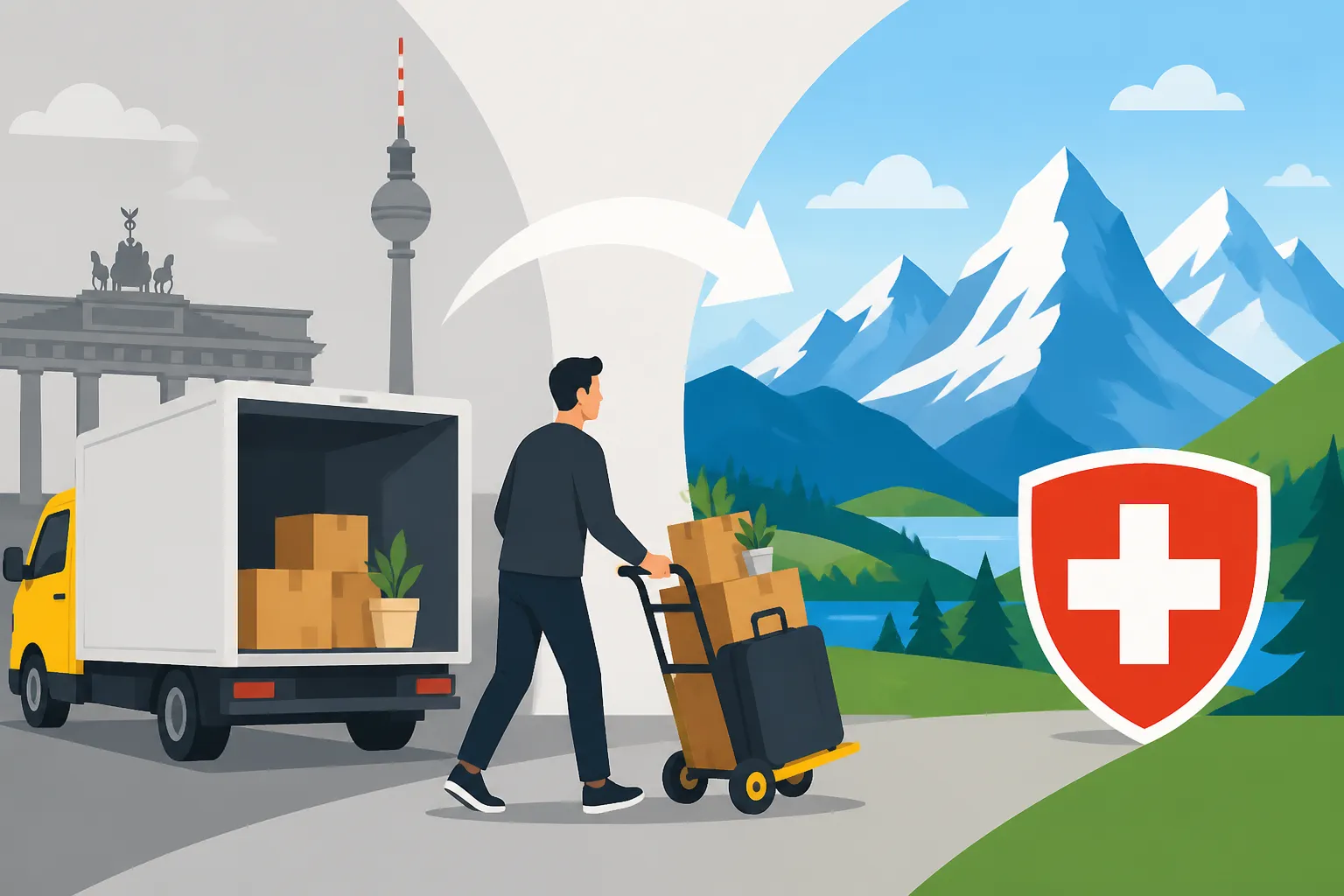
Alright, my friends, let's talk about a real expat adventure that can feel less like a joyful journey and more like a bureaucratic boxing match: moving from Germany to Switzerland. It’s not just a hop across the border; it’s a leap into non-EU customs territory, and that can trip up even the most seasoned movers, especially when you're making a "short move" with just some personal items. This guide is here to untangle the customs knots and show you how a platform like Sirelo can be your secret weapon to navigate this tricky transition smoothly, helping you avoid headaches and unexpected costs.
Understanding the "Short Move" to Switzerland and Its Customs Implications
When you’re thinking about packing up some belongings and heading to Switzerland, you might assume "short move" means less hassle. But Switzerland, despite its close ties and open borders with the EU, isn't actually in the EU. This single fact changes everything when it comes to customs, even for a few boxes. It's a proper international relocation in the eyes of the authorities, and understanding this distinction is your first step to a stress-free transition.
Disclosure: This post may contain affiliate links. We may earn a commission at no extra cost to you if you make a purchase through these links. Read full disclosure.
What Constitutes a Short Move for Customs?
"Short move" can mean a lot of things to different people, but for German and Swiss customs officials, it generally refers to moving a partial household, personal effects for a temporary stay, or specific high-value items like a car, without necessarily relocating your entire life savings and every piece of furniture you own. Perhaps you're a student heading to Zürich for a semester, a temporary project worker in Basel, or simply consolidating items from a German storage unit into your existing Swiss home. These aren't the full-scale, multi-container moves that warrant endless paperwork, but they still require careful attention.
For instance, if you've been living in a small flat in Munich and are now taking a job in Bern, but you're only bringing clothes, books, and maybe a bicycle, that’s a "short move." It's distinct from someone moving their entire three-bedroom house contents. However, the critical takeaway here is that any movement of personal goods across the German-Swiss border requires a declaration process. You can't just throw things in the car and drive across like you might between Germany and France. The rules are different, and failing to acknowledge this can lead to uncomfortable stops at the border, fines, or even the temporary confiscation of your goods.
Key Differences: EU vs. Non-EU Status of Switzerland
This is where many expats get caught out. Germany is a member of the European Union, which means moving goods between Germany and, say, Austria, is part of the free movement of goods principle. There are generally no customs checks for personal belongings. Switzerland, however, is not. It's part of the Schengen Area for free movement of people, but not the EU's customs union. This means:
- A Customs Border Exists: Every item crossing from Germany into Switzerland (or vice-versa) passes through a customs border.
- Declarations Are Mandatory: You must declare what you are bringing into Switzerland. This isn't optional, even for old clothes.
- Potential Duties and Taxes: While personal household effects (used items you've owned for at least six months) are generally duty-free, there are exceptions, especially for new purchases, certain categories of goods, or items exceeding specific allowances.
- Specific Forms are Required: You can't just show up and explain. There are official Swiss customs forms that need to be completed accurately.
This non-EU status is precisely why engaging with a service that understands these nuances, like a moving company found through Sirelo, can be incredibly valuable. They specialize in international moves, including those to non-EU countries like Switzerland, and can guide you through the specific requirements.
Navigating Swiss Non-EU Customs for Personal Effects
The Swiss authorities are quite clear about their import procedures. The good news is that if you're moving your personal household effects (your used belongings, not commercial goods), you can generally import them duty-free. The catch, of course, is proving they are indeed personal effects and not new items you’re trying to avoid paying VAT on.
The Declaration Process: Forms, Timing, and Where to Declare
To import your personal belongings duty-free, you'll need to use the Form 18.44 (Declaration/Application for Clearance of Removal Goods). This is your most important document. It’s available in German, French, and Italian from the Swiss Federal Customs Administration (FCA) website.
Here’s a general rundown of the process:
- Fill out Form 18.44: This form asks for your personal details, your old address in Germany, your new address in Switzerland, and a detailed list of your removal goods.
- Inventory List: You must attach a comprehensive inventory list (in duplicate) of all the items you're bringing. Be detailed! Don't just write "boxes." Specify "Books (3 boxes)," "Kitchenware," "Clothes," etc. For larger items, list them individually (e.g., "Sofa," "Dining Table").
- Timing is Key: The best time to clear your goods is during the customs office's opening hours for commercial goods. This is important! While some smaller border crossings might be open 24/7 for passenger traffic, they may not have customs officers available to process your removal goods. Check the opening hours for major border crossings like Basel-Weil am Rhein or Konstanz-Kreuzlingen. You generally want to arrive during the week, ideally not during peak morning or evening rush hours.
- Present at the Border: Drive to a designated customs office at the border crossing. Look for the "Zoll" (customs) signs. You’ll need to stop on the Swiss side to declare your goods.
- Be Prepared for Inspection: Customs officers have the right to inspect your vehicle and your belongings. Having everything neatly packed and listed makes their job easier, and yours.
This entire process can feel daunting, especially if you're not fluent in German or French. This is where the expertise of a professional moving company found through Sirelo truly shines. They handle this paperwork daily, know which border crossings are best, and can ensure your declaration is prepared correctly, saving you a world of potential stress and delays.
Required Documentation for Your Belongings
Beyond Form 18.44 and your inventory list, you’ll need a few other documents to prove your eligibility for duty-free import as removal goods:
- Proof of Identity: Your passport or national ID card.
- Proof of German Residence: A copy of your former German address registration (Abmeldung) and possibly proof of termination of your rental contract. For internal linking, remember to check out Abmeldung: Deregistering When You Leave Germany and Why It Matters to ensure you've got that covered properly.
- Proof of Swiss Residence/Intention to Reside: This could be:
- Your Swiss residence permit (if you already have one).
- Your rental contract for your new Swiss home.
- An employment contract from a Swiss employer.
- A confirmation of registration from your Swiss municipality (Anmeldebestätigung).
- For students, a letter of acceptance from a Swiss educational institution.
- Vehicle Registration (if applicable): If you're bringing a car, you'll need its German registration documents (Fahrzeugschein and Fahrzeugbrief). We'll dive into this more below.
Make sure you have originals and copies of everything. A neat folder with all your documents easily accessible will make a great impression and speed up the process.
Items Subject to Duties and Prohibitions
While most personal effects are duty-free, there are important exceptions and rules to be aware of:
- New Items: Goods purchased less than six months before your move are generally not considered removal goods and are subject to Swiss VAT (currently 8.1%) and potentially customs duties. Keep receipts for proof of purchase date.
- Alcohol and Tobacco: There are strict limits on duty-free quantities. Exceeding these limits means paying duties. For example, for spirits, it's typically 5 liters (up to 18% alcohol volume) and 1 liter (over 18%). For wine, it's 20 liters. Tobacco limits are also specific (e.g., 250 cigarettes). Anything over these allowances will incur significant taxes.
- Food and Plants: While small quantities for personal consumption are usually fine, certain plants, plant products, and fresh meat or dairy might have restrictions due to phytosanitary or veterinary regulations. It's always best to check the latest rules to avoid issues.
- Vehicles: Importing a car or motorcycle has its own set of rules, which we'll cover next.
- Restricted/Prohibited Goods: Firearms, certain medicines, protected animal/plant species (CITES), and illegal substances are strictly controlled or prohibited. Don't even think about it.
- Pets: Bringing your furry friends has specific requirements, including pet passports, vaccinations, and sometimes microchips.
The complexity of these rules underscores the benefit of professional moving assistance. A moving company, especially one vetted through Sirelo, can help you compile an accurate inventory, advise on what might incur duties, and ensure you're not unknowingly bringing in prohibited items. They understand the intricacies of customs clearance and can streamline the entire process for you.
Specific Scenarios and Pitfalls to Avoid
Even with all the documents in order, cross-border moves, particularly "short moves" that involve specific items, can still throw curveballs. Anticipating these can save you a lot of grief.
Bringing Your Vehicle: Registration, Import Duties, and Technical Inspection
This is one of the most common and complex aspects of moving from Germany to Switzerland. You can import your used vehicle (car, motorcycle) duty-free as part of your removal goods if:
- You have owned and used it for at least six months in Germany.
- You will continue to use it personally in Switzerland.
- You declare it on Form 18.44.
The Process:
- Declaration: Declare your vehicle on Form 18.44 along with your other household goods. You'll need the original German registration documents.
- Form 13.20A: You will receive Swiss customs form 13.20A (Proof of Customs Clearance) at the border. This is crucial for Swiss registration.
- Swiss Registration and Plates: You have up to 12 months from the date of import to register your car with the Swiss road traffic office (Strassenverkehrsamt) in your canton of residence. This involves:
- Technical Inspection (MFK – Motorfahrzeugkontrolle): Your vehicle will need to pass a strict technical inspection. German TÜV doesn't count. Older cars or heavily modified vehicles might struggle here.
- Emissions Test: Ensure your car meets Swiss emission standards.
- Swiss Insurance: You must get Swiss car insurance. This is mandatory before you can get plates. Consider checking out Car Registration and Insurance in Germany: What Expats Need to Do for comparison on your prior setup.
- German Deregistration: Don't forget to deregister your vehicle in Germany after you've successfully imported and registered it in Switzerland. This avoids issues with German taxes and insurance.
If you haven't owned the car for six months or are importing a brand-new vehicle, it will be subject to Swiss import duties (a percentage of the vehicle's value, plus weight-based taxes) and VAT. This can add thousands to the cost, so be very sure about the "used for six months" rule.
Temporary Imports and Special Considerations
What if your "short move" is truly temporary? For example, you're on a short-term work assignment, a sabbatical, or a student exchange program, and you intend to bring your items back to Germany.
- Carnet de Passages en Douane (CPD): For vehicles and some professional equipment, a CPD allows for temporary, duty-free import. This is a complex document usually guaranteed by an automobile club (like ADAC in Germany).
- Oral Declaration/Simplified Procedure: For personal effects for truly temporary stays (e.g., a few weeks or months), customs officers might allow an oral declaration or a simplified process, but this is at their discretion and less common for significant items. It's best to declare everything formally via Form 18.44 and clearly state the temporary nature of your stay. You might be asked to provide proof of your return journey or temporary employment.
It’s generally safer to follow the standard procedure for removal goods, even if your stay is temporary, as this offers clear legal certainty. Then, when you eventually move back, you'll go through the reverse customs process for importing your goods back into the EU (Germany).
The Costly Mistakes: What Happens If You Get It Wrong?
Oh, the stories I could tell! Crossing the border unprepared is a classic expat mistake. Ignoring customs rules for even a "short move" can lead to:
- Fines: The Swiss customs authorities don't mess around. Undervalued goods, undeclared items, or false declarations can result in hefty fines, often multiples of the duties that would have been payable.
- Delays: If your paperwork isn't in order, you could be stuck at the border for hours while they sort it out, or even turned back. This is especially frustrating if you're on a tight schedule or have other appointments.
- Confiscation: In severe cases, undeclared or prohibited goods can be confiscated. Imagine losing a prized possession because you didn't fill out a form correctly.
- Retrospective Taxation: Customs can demand duties and VAT for items you should have declared but didn't, often with added penalties.
Remember, the officials are there to do their job. Being polite, having your documents perfectly organized, and being honest about your goods will go a long way. But the easiest way to avoid these pitfalls is to get expert help.
Making Your Move Smoother with Expert Help
Moving is already stressful enough without adding international customs bureaucracy into the mix. For a move from Germany to Switzerland, whether it's a few boxes or a full household, getting professional assistance is not just a luxury; it's often a necessity for peace of mind.
Why a Moving Service is Crucial for Cross-Border Moves
Think about it: you're dealing with two different countries' legal systems, customs regulations, transport logistics, and potentially language barriers. A specialized international moving service understands these complexities inside out. They offer:
- Expert Knowledge: They know the latest customs regulations, required forms, and duty exemptions for Germany-Switzerland moves. They can advise you on what can and cannot be imported duty-free.
- Paperwork Assistance: They can help you accurately complete Form 18.44 and all other necessary declarations, ensuring no detail is overlooked.
- Logistical Support: From packing materials and secure transportation to navigating border crossings and delivery to your new Swiss home, they handle the heavy lifting and coordination.
- Time-Saving: Outsourcing the customs and logistics saves you countless hours of research, paperwork, and potential border delays. You can focus on other aspects of settling into your new Swiss life.
- Reduced Stress: Knowing that professionals are handling the most complex parts of your move significantly reduces anxiety.
Trying to DIY a move across a non-EU border, even a "short move," is a gamble. The potential cost of fines, delays, and frustration often far outweighs the cost of professional help.
Choosing the Right Partner through Sirelo
This is precisely where Sirelo comes into its own. Sirelo isn't a moving company itself, but rather an incredibly helpful platform that connects you with reliable, vetted international moving companies. It’s like having a knowledgeable friend in the moving industry who can point you in the right direction.
Here's how Sirelo makes a difference:
- Access to Specialized Movers: Sirelo's network includes movers with extensive experience in Germany-Switzerland relocations. These companies are well-versed in Swiss customs procedures and can manage your Form 18.44, vehicle import, and other specifics.
- Compare Quotes: Instead of sifting through countless websites and making individual inquiries, you can submit your moving details to Sirelo once and receive multiple competitive quotes from different reputable movers. This saves you immense time and helps you find the best value for your specific "short move."
- Vetted Professionals: Sirelo pre-screens moving companies, so you can be confident you’re getting offers from reliable and professional services. This minimizes the risk of dealing with shady operators.
- Transparent Reviews: You can read reviews from other expats who have used these services, giving you real-world insights into their experiences. This helps you make an informed decision.
Whether you're taking just a few cherished items, relocating your car, or moving a substantial part of your household, utilizing Sirelo allows you to effortlessly find and compare movers who are experts in this particular cross-border journey. Don't underestimate the complexity of this "short move" – get the right help and start your new chapter in Switzerland on the right foot. To ensure you’re financially prepared for this step, it's also smart to consider options for Transferring Money Internationally: Cheapest Ways to Send Money Abroad.
Essential Documents for Your German-Swiss Move
Here's a quick reference table for the key documents you'll likely need, depending on what you're moving. Remember, this isn't exhaustive, but covers the most common requirements for non-EU customs.
| Document Category | General Purpose | Specific Item/Context |
|---|---|---|
| Personal Identity | Proof of who you are | Passport / National ID card |
| German Departure Proof | Shows you're leaving Germany | Abmeldung (Deregistration Certificate from Germany) |
| Swiss Arrival Proof | Shows you're moving to Switzerland | Swiss Residence Permit, Rental Contract, Employment Contract |
| Customs Declaration | Official declaration of goods | Swiss Customs Form 18.44 (Declaration for Removal Goods) |
| Inventory List | Detailed list of all items moving | Detailed, signed, and dated inventory (in duplicate) |
| Vehicle Documents | For importing a car | German Fahrzeugschein/brief, Proof of Ownership (purchase contract if <6 months) |
| Customs Clearance Proof | Confirmation of car import clearance | Swiss Customs Form 13.20A (for vehicles) |
| Pet Documents | For bringing pets | EU Pet Passport, Vaccination Records (Rabies), Microchip ID |
| New Item Receipts | Proof of purchase date | Receipts for any goods bought within 6 months of the move |
Making sure your new home is ready can also be a big task, especially understanding the details of your Housing in Germany: Renting, Buying, and Finding Your Home as an Expat before you leave it, or knowing the Cost of Living in Germany: Budgeting Guide for Expats compared to your new Swiss costs.
Don't forget to consider how your new status might affect your tax class; understanding German Tax Classes (Steuerklassen) Explained is vital before you leave, and you'll want to explore the German Language and Everyday Communication for Visitors for your new life in Switzerland, even if you are just visiting for a "short move."
Final Thoughts on Your Cross-Border Journey
Moving to Switzerland, even for a "short move" with just personal items, involves more than just a quick drive. It’s a formal international relocation, complete with customs declarations and specific rules you absolutely cannot overlook. The good news is that you don't have to navigate this labyrinth alone. Services found through Sirelo specialize in making these complex moves straightforward and stress-free.
So, take a deep breath, gather your documents, and let Sirelo help you find the right moving partner. Your Swiss adventure should be about enjoying the stunning Alps and efficient public transport, not battling customs forms. Remember, the key to a successful move is preparation, accurate documentation, and sometimes, a little help from the right experts. Good luck with your move!
Disclaimer
The information provided in this guide is for general informational purposes only and does not constitute legal, financial, or customs advice. While we strive to keep the information up-to-date and accurate, customs regulations in Germany and Switzerland can change rapidly. Always consult the official websites of the German and Swiss customs authorities, as well as a qualified moving professional or customs broker, for the most current and specific advice pertaining to your individual situation. We accept no liability for any loss or damage arising from reliance on the information in this guide.