Cover While Your Residence Permit Is Processing: Bridging a Multi-Month Wait
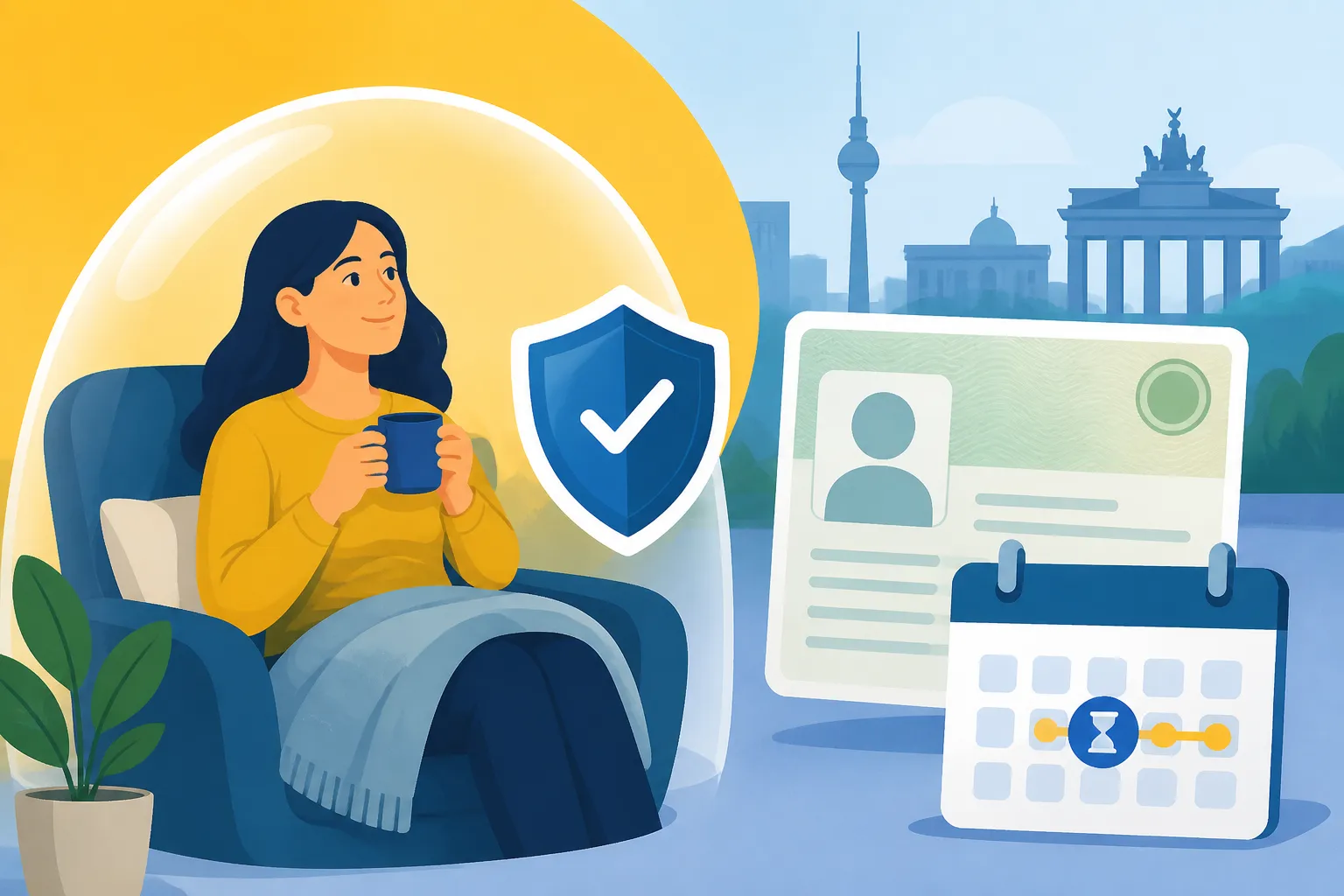
Oh, the infamous waiting game in Germany! You've navigated the visa application, submitted your documents, perhaps even started a new job, and then BAM – you hit the wall of the Ausländerbehörde (Foreigners' Office), where your shiny new residence permit seems to be stuck in a bureaucratic black hole for months on end. This period, when your old visa is expiring and your new permit is nowhere in sight, leaves so many expats in a terrifying limbo, especially when it comes to the absolutely critical issue of health insurance. This guide is here to walk you through exactly how to bridge that multi-month waiting period, ensuring you stay legally insured and, more importantly, healthy and stress-free.
Disclosure: This post may contain affiliate links. We may earn a commission at no extra cost to you if you make a purchase through these links. Read full disclosure.
The Bureaucratic Black Hole: Why You Need Bridging Coverage
Let's be honest, German bureaucracy can feel like a labyrinth designed by Franz Kafka himself. You think you've done everything right, jumped through all the hoops, only to find yourself in a prolonged waiting period for your official residence permit. It's not just an inconvenience; it can have serious implications for your legal status and, crucially, your health insurance.
The Waiting Game: Understanding Residence Permit Processing Times
You've probably heard the horror stories, or maybe you're living one right now. You apply for your Aufenthaltstitel (residence permit) at the Ausländerbehörde, often with all your hopes pinned on a swift approval, only to be told it could take weeks, or even several months. In bustling cities like Berlin, Munich, Hamburg, or Frankfurt, the processing times can stretch even longer due to high demand and understaffed offices. It’s a frustrating reality many expats face, a period where you technically have applied to be a long-term resident, but haven't yet received the physical card that proves it.
During this time, your previous visa might expire, whether it was a job seeker visa, a student visa, or even a tourist visa you managed to convert from within Germany (a rare but sometimes possible feat). You're left with a stamp in your passport or a temporary paper, but no solid, undeniable proof of your new long-term status. This is precisely where the insurance conundrum begins. You are physically in Germany, legally applying to stay, but your future insurance status hangs in the balance, creating immense anxiety and uncertainty.
The Fiktionsbescheinigung: A Temporary Lifeline (But Not Always for Insurance)
Often, when your current visa is about to expire and your new residence permit is still processing, the Ausländerbehörde will issue you a document called a Fiktionsbescheinigung. Think of it as a temporary certificate that confirms your legal stay in Germany and, depending on the specific paragraph cited on the document, might even allow you to continue working. It literally means "fiction certificate," implying that your previous status is fictitiously continuing.
While a Fiktionsbescheinigung is absolutely essential for proving your legal residency and work permission during this limbo, it does not automatically ensure your health insurance situation is settled. This is where many expats get caught out. If your previous insurance was tied directly to your old visa (e.g., a specific student health insurance plan that ends with your student visa) or if you’re moving from private to public insurance, the Fiktionsbescheinigung alone doesn't guarantee continuous, accepted coverage. It’s a piece of paper that says you can stay, but not necessarily that you are insured in the eyes of German medical providers or future health insurance companies. It's a key document, but it's vital to understand its limitations for something as critical as your health coverage. For more details on this essential document, check out our guide on The Fiktionsbescheinigung: Bridging Your Permit in Germany.
The Insurance Gap: What Happens When Your Current Coverage Ends
The absolute truth of living in Germany is this: you cannot be uninsured. It's not a suggestion; it's a legal obligation that is taken very seriously. The moment your current insurance ends, and your new German health insurance hasn't kicked in, you're in what we call an "insurance gap." And believe me, you don't want to be in that gap for a second longer than necessary.
Public Health Insurance GKV and the "Initial Contract" Dilemma
If you're transitioning into the German public health insurance system (gesetzliche Krankenversicherung or GKV), perhaps because you've landed a job, this transition period can be particularly tricky. Your employer will enroll you with a Krankenkasse like TK, AOK, or Barmer, but the actual processing of your enrollment and the issuance of your public health insurance card can take time. Sometimes, the Krankenkasse might require a copy of your actual residence permit, not just the Fiktionsbescheinigung, especially if there's any ambiguity in your status.
What happens if your old insurance expires on, say, October 31st, and your public insurance can't officially start until your residence permit is issued on December 15th? You're uninsured for over a month and a half. This is a nightmare scenario, as you are legally obligated to have insurance for every single day you reside in Germany. Even if you're employed, you're not fully covered until the GKV registration is complete and confirmed. The expectation is continuous coverage, and any gap will eventually be caught, leading to demands for retroactive payments – sometimes even for the full premium you would have paid, plus penalties. For a deeper dive into how public health insurance works, you might find our guide on Public Health Insurance (gesetzliche Krankenkasse): What It Covers and Costs quite helpful.
Private Health Insurance PKV and Policy End Dates
Maybe you arrived on a job seeker visa, a freelance visa, or a student visa, and you've been covered by a private health insurance policy. These policies often have fixed end dates that align with your visa's validity or a specific period you initially chose. For example, a travel insurance policy required for a Schengen visa will typically expire when the visa expires, or after a maximum of 90 days. Similarly, private policies designed for freelancers or students might have a 1-year term that comes to an end.
When your residence permit application hits delays, your private policy might simply expire while you're still waiting. You might think, "Oh, I'll just extend it." However, many private providers, especially those offering cheap travel or short-term expat insurance, have strict limits on extensions or might not offer them once you've been in Germany for a certain period. They're designed for initial entry, not indefinite bridging. You could be left scrambling to find new coverage, often more expensive and less flexible, right when you're most vulnerable. This is especially true if you're trying to transition to permanent private health insurance, which has stricter entry requirements. Our article on Private Health Insurance in Germany: Benefits, Costs, and Eligibility explores these options further.
The Legal Obligation: Why Uninsured Is Not an Option
Let me be absolutely clear: being uninsured in Germany is a serious legal offense with potentially devastating financial and legal consequences. It's not like in some countries where you can "risk it" for a few weeks. Here, health insurance is mandatory. Full stop. If you're caught without valid health insurance, the repercussions can include:
- Massive Fines and Retroactive Payments: You will be required to pay for the entire period you were uninsured, retroactively. This can accumulate into thousands of Euros, as you'll have to pay the full premiums you should have paid, plus potential penalty fees.
- Denial of Medical Care: Hospitals and doctors might refuse non-emergency treatment if you cannot prove valid insurance coverage. In emergencies, you will be treated, but you'll be on the hook for the full, often exorbitant, cost out-of-pocket.
- Visa/Residence Permit Issues: The Ausländerbehörde will absolutely check your insurance status when you apply for extensions or permanent residency. A gap in coverage can lead to your application being denied or significantly delayed, jeopardizing your entire stay in Germany.
- Exclusion from Future Coverage: Some German insurance companies might be hesitant to accept you if you have a known gap in your previous coverage.
This isn't a situation you want to be in. The stress of waiting for your permit is enough without adding the burden of being uninsured.
Finding Your Bridge: Solutions for the Insurance Void
So, what do you do when you're caught in this bureaucratic holding pattern, with your existing insurance running out and your long-term German health plan not yet active? You need a "bridge" – a reliable, flexible, and affordable solution that keeps you legally insured and gives you peace of mind.
Special "Anschlussversicherung" or Temporary Private Plans
Some German private health insurance companies do offer what they call Anschlussversicherung (follow-up insurance) or specific temporary private plans designed for certain transition periods. These can sometimes be an option if you were previously privately insured and are looking to extend for a short, defined period. The idea is to maintain continuous coverage within the German system.
The pros of these plans are that they are officially recognized within Germany and might offer more comprehensive coverage than basic travel insurance. However, they often come with significant cons: they can be quite expensive, might have strict eligibility criteria (e.g., you needed to have specific prior insurance), and are still often tied to the expectation of a valid Aufenthaltstitel being issued soon. If your permit delays drag on unexpectedly, you could find yourself needing to extend a plan that wasn't designed for indefinite extensions, potentially leading to further complications and higher costs. It's crucial to compare these options carefully and understand their terms, especially if your German language skills aren't yet fluent.
The Flexible & Expat-Friendly Alternative: Travel & Nomad Insurance
This is where a truly flexible, expat-focused travel and nomad insurance provider can be an absolute lifesaver. These plans are specifically designed for individuals who are constantly on the move, remote workers, or indeed, expats stuck in transitional phases, often between long-term insurance plans. They understand the unpredictable nature of expat life and bureaucracy, offering a much-needed agile solution.
SafetyWing stands out in this category as a fantastic option for bridging your insurance gap in Germany. It’s built for the global citizen, meaning it’s incredibly flexible and user-friendly, especially for those who need a temporary, reliable solution. Here’s why SafetyWing is so effective for this specific scenario:
- Monthly, Flexible Coverage: Unlike many traditional policies, SafetyWing operates on a monthly subscription model. You can sign up, extend, or cancel online with ease, without being locked into a long-term contract. This is perfect for the unpredictable nature of Ausländerbehörde processing times – you pay only for what you need, month-to-month.
- Designed for Expats in Transition: SafetyWing is explicitly marketed towards digital nomads, remote workers, and, yes, expats who are waiting for their long-term German health insurance to kick in. It's built for those who need coverage before their comprehensive public or private German insurance becomes active.
- Global Coverage with German Base: While based on a travel insurance model, SafetyWing offers coverage while you are residing in Germany and even for incidental travel outside Germany (excluding the US). This makes it ideal if you're planning short trips during your waiting period.
- Online Accessibility: The entire process—from purchase to claims—is managed online, which is a huge relief when you're already dealing with German paperwork. No need to visit offices or fill out mountains of forms.
Think of SafetyWing as your reliable safety net during a stressful, uncertain time. It's not a substitute for comprehensive, long-term German health insurance (public or private), but it perfectly fills that critical gap when you absolutely must have valid coverage. It's an affordable and effective way to ensure you're legally compliant and protected from medical emergencies until your permanent German health plan kicks in. For context on other travel insurance options, you can read our guide on Travel Health Insurance: What Expats Need for Schengen Visa & Short Trips.
Other Considerations: EHIC and Home Country Coverage
Many expats wonder if their European Health Insurance Card (EHIC) or their health insurance from their home country can cover this gap. The short answer for long-term residents in Germany is almost always "no."
- European Health Insurance Card (EHIC): The EHIC is designed for temporary stays in other EU countries, like a holiday or a business trip. It ensures you receive necessary medical treatment under the same conditions and at the same cost as residents of the country you're visiting. However, once you establish residency in Germany (even with a Fiktionsbescheinigung and an intention to stay), your EHIC from your home country is generally no longer considered sufficient. You are no longer a "visitor"; you are a resident, with different insurance obligations.
- Home Country Insurance: Similarly, relying on your health insurance from back home is usually not accepted by German authorities or medical providers for a long-term stay. Germany requires you to have health insurance that meets its specific standards for residents. While your home country insurance might cover you internationally, it rarely satisfies the legal requirement for residency in Germany and will not be accepted by the Ausländerbehörde or most German doctors for routine care. You would likely have to pay upfront for any treatment and try to claim it back later, which can be a huge hassle and might not even be fully reimbursed.
The bottom line is: don't risk it with these options for bridging the gap. You need a solution specifically designed for residents or those in a transition phase, like a flexible expat insurance plan, to ensure legal compliance and proper coverage.
Choosing Your Bridging Plan: Key Factors to Consider
Selecting the right bridging insurance isn't just about picking the first option you see. It's about making an informed decision that aligns with your situation, your budget, and the unpredictable nature of German bureaucracy. Let’s break down the key factors.
Duration and Flexibility: Matching Your Unknown Wait Time
The biggest unknown when waiting for your residence permit is how long it will actually take. It could be a few weeks, or it could stretch into several months. This unpredictability makes flexibility the number one factor in choosing bridging insurance. A fixed-term policy, say for three months, might sound good, but what if your permit takes four or five? You'll be back in the same boat, scrambling for new coverage just when you thought you were safe.
This is precisely where services like SafetyWing shine. Their monthly subscription model means you're not locked into a long, rigid contract. You can initiate coverage for one month, and if your permit is still delayed, simply extend it for another month, and another, until your official German health insurance kicks in. This kind of flexibility is invaluable for managing the stress of an unknown timeline and ensures continuous coverage without overpaying for time you don't need. It allows you to align your insurance needs with the Ausländerbehörde's pace, not a rigid policy.
Coverage Scope and Acceptance: Will Doctors Take It?
It’s crucial to understand what kind of coverage you're getting with a bridging plan and, perhaps more importantly, how it's typically accepted by German medical providers. While plans like SafetyWing provide essential, legally compliant coverage for the transition period, they usually operate on a reimbursement basis, similar to many private health insurances. This means you might pay upfront for doctor's visits or medications and then submit a claim for reimbursement.
Generally, these plans are excellent for emergencies, acute illnesses, and unexpected medical needs. They cover doctors, hospitals, and prescription medications related to these events. However, they are typically not designed for routine check-ups, dental cleanings, pre-existing conditions (unless explicitly stated and usually after a waiting period), or elective procedures. You wouldn't expect to walk into a Hausarzt (general practitioner) for a routine check-up and simply present your SafetyWing card expecting direct billing, like you would with a public Gesundheitskarte.
So, when evaluating options, ask yourself:
- Does it cover me for serious illness and accidents while I'm in Germany? (Yes, for SafetyWing and similar expat insurances)
- Will it satisfy the legal requirement for health insurance in Germany during this gap? (Yes, for a temporary bridging period, but always verify with the Ausländerbehörde if specific requirements are outlined for your visa type.)
- How do I make a claim? What's the reimbursement process like? (Online and straightforward with SafetyWing).
It’s about striking a balance. You need sufficient coverage to be legally compliant and financially protected against unforeseen medical events, without necessarily needing a full-blown public or comprehensive private plan for just a few weeks or months. For a better understanding of how medical care generally works here, our guide on Navigating Medical Care in Germany: Doctors, Hospitals, and Pharmacies is a good read.
Cost-Effectiveness: Balancing Budget and Security
Let’s talk money. Nobody wants to pay for insurance they might not use, but the alternative – being uninsured – is far, far more expensive. Imagine breaking a leg or needing emergency surgery while uninsured. The bills could run into tens of thousands of Euros, bankrupting you before you've even properly settled in. Comparing that to a few hundred Euros for temporary coverage makes the choice obvious.
When considering cost-effectiveness, look at:
- Monthly Premiums: How much will you pay each month?
- Deductibles/Excess: Is there an amount you have to pay out of pocket before the insurance starts covering costs?
- Coverage Limits: What's the maximum the policy will pay out?
- Exclusions: What won't it cover?
Again, SafetyWing offers a competitive price point for its flexibility and coverage, making it a very cost-effective solution for bridging these unpredictable gaps. It's an investment in your peace of mind and your legal status. Remember, the cost of being legally uninsured in Germany is not just financial; it can derail your entire expat journey. Don’t cheap out on this critical requirement. If you're pondering the wider health insurance landscape, our pillar guide Health Insurance in Germany: Understanding Public vs Private Coverage has a full breakdown.
Here's a quick comparison of typical bridging options:
| Feature | Dedicated German "Anschlussversicherung" | Expat Travel/Nomad Insurance (e.g., SafetyWing) | Relying on Fiktionsbescheinigung Alone |
|---|---|---|---|
| Flexibility | Moderate (often fixed-term extensions) | High (monthly, cancel anytime) | None (no insurance coverage) |
| Cost | Moderate to High | Low to Moderate (depending on age) | None (but high risk of retroactive costs) |
| Acceptance by Ausländerbehörde | Generally high (German-regulated) | Generally accepted for bridging | None (not health insurance) |
| Acceptance by Doctors | High (direct billing often possible) | Moderate (reimbursement basis, emergency focus) | None (no insurance) |
| Coverage Scope | More comprehensive (can include routine care) | Emergency & acute illness focused | None |
| Ease of Purchase/Extension | Can be complex, requires German paperwork | Very easy (online, English-friendly) | N/A |
| Peace of Mind | High | High | Zero (high stress, high risk) |
Practical Steps for Staying Insured During the Wait
Navigating this tricky period successfully means being proactive and meticulous. Don't wait until your current insurance has expired to figure things out. Here are some actionable steps to take.
Communicate with Your Ausländerbehörde and Employer/University
Communication is key, even if it feels like you're talking to a brick wall sometimes.
- Stay in Touch with the Ausländerbehörde: While they won't give you daily updates, try to get a rough timeline for your permit processing. If you have any specific concerns about your insurance and the Fiktionsbescheinigung, ask for clarification. Remember, they are the ones who ultimately dictate your legal status. For tips on dealing with them, our guide on Booking Ausländerbehörde and Visa Appointments in Germany could be useful.
- Inform Your Employer/University: If your new long-term insurance (especially public insurance) is linked to your employment or studies, make sure your employer's HR department or your university's international office is fully aware of your Fiktionsbescheinigung and the permit delay. They might be able to offer guidance or accelerate the enrollment process once your permit is issued. Confirm with them the exact start date of your new GKV coverage.
This proactive communication can prevent misunderstandings and ensure all parties are on the same page regarding your temporary status and the need for bridging insurance. It also shows you are taking your responsibilities seriously.
Proactively Arrange Bridging Insurance (e.g., SafetyWing)
This is the most crucial step. As soon as you realize your residence permit will not be issued before your current insurance expires, you must act. Do not assume your Fiktionsbescheinigung covers it, and do not assume your new GKV will miraculously start on time.
Take Action Now:
- Identify the Gap: Pinpoint the exact dates when your current insurance will end and when your new German insurance is guaranteed to begin (this often means after your physical residence permit is in hand).
- Choose Your Bridge: For most expats in this situation, a flexible solution like SafetyWing is the ideal choice. It's designed for this exact purpose: temporary, flexible coverage during unpredictable administrative delays.
- Purchase Online: Go to SafetyWing's website, input your details, and purchase coverage starting the day after your current insurance expires. The process is quick, entirely online, and in English, which is a huge relief when you're already stressed with German paperwork.
- Extend as Needed: If your permit delays continue, simply log in and extend your SafetyWing coverage for another month. It’s that easy.
Getting this bridging insurance in place early will lift a massive weight off your shoulders. It means you're legally compliant, protected against medical emergencies, and you can focus on the next steps of your life in Germany. It’s a vital part of How to Get Health Insurance in Germany: Step-by-Step for Newcomers.
Document Everything (and Keep Your Fiktionsbescheinigung Safe)
The German system runs on paper, even in the digital age. When dealing with bureaucratic delays and multiple insurance policies, meticulous record-keeping is your best friend.
- Keep all paperwork: This includes copies of your visa applications, your Fiktionsbescheinigung (both physical and digital copies), all correspondence from the Ausländerbehörde, your expiring insurance policy, and your new bridging insurance policy (like SafetyWing's confirmation and policy documents).
- Digital Backups: Scan everything and keep digital copies in a secure, accessible cloud storage or external drive.
- Know Your Dates: Be crystal clear on the start and end dates of all your insurance policies.
- Carry Essential Documents: Always have your Fiktionsbescheinigung and proof of your bridging insurance easily accessible, especially if you need to visit a doctor or hospital.
Having a clear, organized folder (physical and digital) of your documents will save you immense stress down the line if any questions arise about your legal status or insurance coverage. This is part of a larger strategy for Medical Records in Germany: Keeping Track of Your Health Documents. Being prepared and proactive is the key to minimizing the headaches that often come with the German bureaucratic system.
Disclaimer
This article is for general informational purposes only and does not constitute professional advice. Laws, prices and regulations vary by location and change over time. Consult a qualified professional for guidance on your specific situation.