German Train Price Curves: How Fares Move From 180 Days Out to Departure
Oh, the elusive German train ticket! If you’ve spent any time here, you know the feeling: one day a ticket to Hamburg is €19.90, the next it’s €80. It’s enough to make you pull your hair out, especially when you’re trying to navigate life in a new country. This guide is here to shed some light on the mysterious world of Deutsche Bahn’s dynamic pricing, explaining exactly how those train fares fluctuate from the moment they’re released up to departure, and most importantly, how to bag the best deals. We’ll dive deep into the strategies that can save you a pretty penny, and show you how a tool like Omio can be your secret weapon in this ongoing battle against soaring prices.
Disclosure: This post may contain affiliate links. We may earn a commission at no extra cost to you if you make a purchase through these links. Read full disclosure.
The Anatomy of German Train Fares: Understanding the Basics
Before we can even begin to talk about price curves, we need to understand the fundamental building blocks of German train tickets. Deutsche Bahn operates on a tiered system, and knowing these tiers is like knowing the secret handshake to cheaper travel. It's not just a simple "first-class" or "economy" situation; there are different types of fares that dictate flexibility, price, and even availability, and they all play a part in how prices shift over time.
Flexpreis vs. Sparpreis vs. Super Sparpreis: Decoding Ticket Types
The core of Deutsche Bahn's pricing structure revolves around three main ticket categories:
- Flexpreis: This is your fully flexible, "turn up and go" ticket. As the name suggests, it offers maximum flexibility. You can take any train on your chosen day (or even the day after, depending on the exact ticket terms), change your route, and even get a full refund before the first day of validity if your plans go awry. However, this flexibility comes at a significant premium. Flexpreis tickets are almost always the most expensive option, and their prices tend to remain relatively stable, rarely dropping significantly, as they don't operate on the dynamic pricing model in the same way the cheaper tickets do. You pay for the peace of mind.
- Sparpreis (Savings Fare): This is where things get interesting. Sparpreis tickets are specific to a particular train, date, and route. Once booked, they are non-refundable and non-changeable, or only changeable for a fee and often an upgrade to a more expensive current fare. The crucial point here is that these tickets are dynamically priced. This means their cost can vary wildly depending on demand, how far in advance you book, and the route's popularity. The earlier you book, the higher your chances of snagging a good Sparpreis deal.
- Super Sparpreis (Super Savings Fare): If you thought Sparpreis was restrictive, meet its even more rigid sibling. Super Sparpreis tickets are the absolute cheapest you'll find for long-distance travel on Deutsche Bahn. Like Sparpreis, they're tied to a specific train, date, and route, and they are strictly non-refundable and non-changeable – no exceptions, no fees, just gone. They also often exclude local public transport connections that Sparpreis sometimes includes. These are the golden tickets for budget-conscious travelers, but they're limited in quantity and disappear quickly, especially for popular routes and times. Finding a Super Sparpreis can feel like winning a small lottery, and that's precisely why it's a target for many expats trying to save some euros.
Understanding these distinctions is paramount. When you see a price jump, it's usually because the Super Sparpreis and Sparpreis contingents for your desired train have been sold out, leaving only the more expensive tiers or Flexpreis options available. This is where tools like Omio become invaluable, as they clearly show you these different options side-by-side, helping you make an informed decision about flexibility versus cost.
Dynamic Pricing: The Algorithm Behind the Fluctuations
The concept of dynamic pricing, also known as surge pricing or demand-based pricing, isn't unique to Deutsche Bahn, but it certainly dictates the ebb and flow of their Sparpreis and Super Sparpreis fares. Think of it like airline tickets: the prices aren't fixed; they respond to a complex algorithm that takes various factors into account.
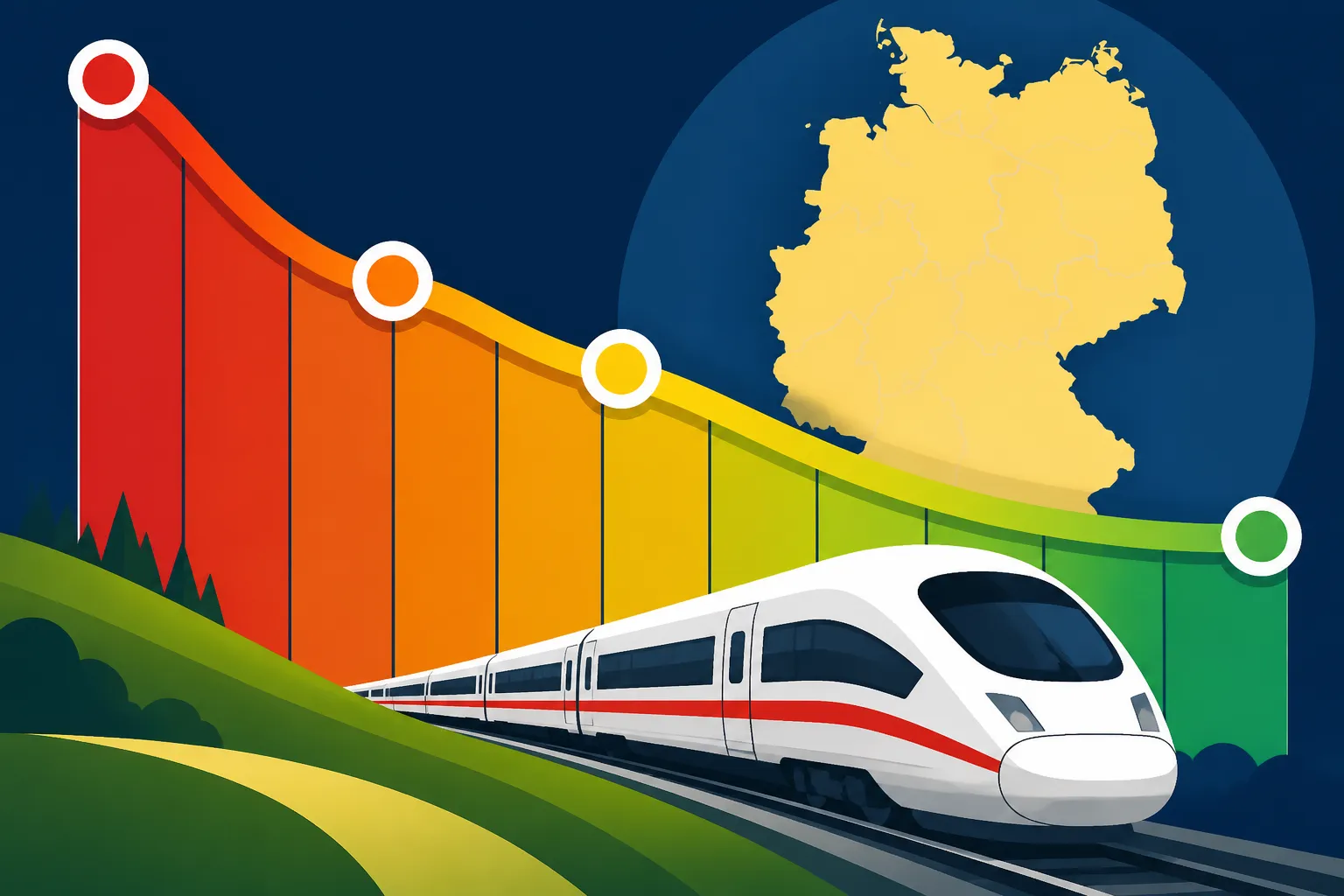
Deutsche Bahn's system monitors demand for specific connections in real-time. If a particular train is filling up fast, the remaining cheaper tickets will be incrementally more expensive, or even completely withdrawn, leaving only the pricier options. Conversely, if a train is relatively empty close to departure, the system might (though this is rare for highly popular routes) release a few more Sparpreis tickets to fill seats, but don't count on it. This means that the lowest possible prices are almost always offered when tickets are first released, and they generally trend upwards as the departure date approaches. This is why you need to be strategic. You’re not just buying a ticket; you're playing a game against an algorithm. And having a reliable platform like Omio on your side, which can quickly pull up and compare these dynamic prices, gives you a significant edge.
Seat Reservations: An Often-Overlooked Cost
While not directly part of the ticket price curve in the same way Flexpreis, Sparpreis, and Super Sparpreis are, seat reservations are a crucial component of train travel costs in Germany, especially for those longer journeys on high-speed ICE trains. For Flexpreis tickets, a seat reservation is typically included. For Sparpreis and Super Sparpreis tickets, however, it's usually an optional add-on that costs a few extra euros (currently €4.90 for 2nd class, €5.90 for 1st class per person per journey segment).
Many expats, used to trains in other countries where seat reservations are often mandatory or not even an option, might overlook this. But skipping it can lead to a stressful journey, particularly on busy routes or during peak travel times. Imagine standing for three hours from Berlin to Munich after paying for a "cheap" ticket! While the core ticket price is what fluctuates dynamically, the decision of whether to add a seat reservation needs to be factored into your overall budget. Sometimes, paying that small extra fee is absolutely worth the comfort and peace of mind. When you're using a booking platform, it's easy to add these during the process, and Omio conveniently presents this option to you before finalizing your purchase.
The Early Bird Gets the Worm: Booking 180 Days Out
Ah, the holy grail of German train travel: booking 180 days (or roughly six months) in advance. This is almost universally touted as the best way to secure the lowest possible fares, and for good reason. Deutsche Bahn officially releases tickets for its long-distance connections up to six months ahead of time. This window is your prime opportunity to pounce on those coveted Super Sparpreis tickets.
Unlocking the Cheapest Fares: The Super Sparpreis Opportunity
When tickets are first released, Deutsche Bahn typically offers a substantial contingent of Super Sparpreis tickets, often starting at incredibly low prices like €17.90 or €19.90 for a long-distance journey. This is a deliberate strategy to fill trains early and ensure a baseline level of bookings. For popular routes, like between major cities such as Berlin, Munich, Hamburg, or Frankfurt, these initial bargain-basement prices will evaporate surprisingly quickly. I've personally seen €19.90 tickets to Cologne disappear within hours of release for a prime Friday evening slot in the summer.
If you have fixed travel dates, especially for holidays, long weekends, or during busy periods like Oktoberfest or Christmas markets, setting a reminder for 180 days out is absolutely essential. This is the moment when the supply of the cheapest tickets is at its highest, and competition is at its lowest. Many people don't plan their travel six months ahead, which means fewer people are vying for those specific low-cost tickets. This is the golden window for those who can plan far in advance.
The Catch with Early Booking: Rigidity and Changes
While booking far in advance offers incredible savings, it comes with a significant trade-off: inflexibility. As mentioned, Super Sparpreis tickets are non-refundable and non-changeable. Sparpreis tickets offer a little more wiggle room (a fee to change, but often a price increase too), but they're still largely rigid. This means if your plans shift – a meeting gets canceled, a friend changes their mind, or you simply wake up feeling like a different destination – you could lose the entire value of your ticket.
This rigidity can be a real headache for expats whose lives are often in flux. A new job, a visa appointment, or unexpected family events back home can easily disrupt carefully laid plans. You have to weigh the financial savings against the potential risk of losing your investment. For short, inexpensive trips, the risk might be worth it. For longer, more costly routes, that decision becomes much harder. Always be realistic about your plans before committing to a non-flexible ticket, even if the price is incredibly tempting. Consider using a platform like Omio, which clearly outlines the cancellation and change policies for each ticket type, so you know exactly what you're signing up for.
Planning for Popular Routes and Peak Seasons
Certain routes and times are inherently more expensive due to consistent high demand. Think high-speed connections between economic hubs like Frankfurt and Munich, or leisure routes to popular tourist destinations on a Friday afternoon or Sunday evening. During German public holidays, school vacations, or major events, the entire pricing structure shifts upwards, and the cheapest tickets become an even rarer commodity. If you're planning a Day Trips and Weekend Getaways Across Germany during these times, your best bet is absolutely to book at the 180-day mark.
For example, traveling to a city like Cologne for the famous Karneval, or visiting the German Christmas Markets: Where to Go in Nuremberg in December, will almost certainly see demand surge and prices escalate quickly. Planning ahead isn't just a recommendation; it's a necessity if you want to avoid paying exorbitant prices. I remember one year trying to book a last-minute trip during Ostern (Easter), and the prices were quadruple what they would have been a few months prior. Learn from my mistakes! Always check the German Public Holidays: How They Affect Life and Work calendar if you're planning travel.
Mid-Range Booking: The Sweet Spot or Slippery Slope?
So, you missed the 180-day window, or your plans aren't firm enough that far out. Don't panic just yet! The mid-range booking period, usually a few weeks to a couple of months before departure, can still offer decent deals, but it's a trickier game. This is where the price curve really starts to reveal its dynamic nature, and you need to be vigilant.
Finding Good Deals a Few Weeks Out
Sometimes, for less popular routes or off-peak times, you can still find perfectly reasonable Sparpreis tickets a few weeks or even a month or two before your travel date. This usually happens if demand hasn't been as high as anticipated, or if Deutsche Bahn releases additional contingents of Sparpreis tickets to fill remaining seats. I've often found good deals for midweek travel or for less conventional times (e.g., early morning or late evening) by checking around 4-6 weeks out.
The key here is flexibility with your travel times. If you can shift your departure by an hour or two, or travel on a Tuesday instead of a Wednesday, you might unlock a significantly cheaper fare. This is also where the choice of train plays a role; a slower connection with one change might be substantially cheaper than a direct, high-speed ICE train. When searching on Omio, you can easily compare these different options and see how small adjustments to your search parameters can affect the price. The platform is designed to show you these variations clearly, empowering you to make smart choices without having to dig through countless individual searches.
The Risk of Procrastination: Watching Prices Creep Up
While there's a slim chance of finding last-minute gems, the general trend for train prices in Germany is an upward trajectory as the departure date approaches. If you wait too long – say, a week or less before you plan to travel – those mid-range Sparpreis tickets will have mostly vanished, and you'll be left staring at Flexpreis prices that can easily be three or four times higher than the initial Super Sparpreis offers.
This creeping increase is a common source of frustration for expats. You check a price one day, decide to think about it, and the next day, it's gone up by €20. It's not a conspiracy; it's simply the dynamic pricing algorithm doing its job. The closer to departure, the higher the perceived demand for the remaining seats, and thus, the higher the price. For a deeper understanding of planning your rail journeys, checking out a guide like High-Speed Trains in Germany (ICE): Deutsche Bahn Routes and Savings can offer more insights into optimizing your travel.
Flexibility at a Moderate Price Point
The mid-range booking period is often a balancing act between cost and flexibility. If you need a bit more flexibility than a Super Sparpreis offers, but can't justify the expense of a Flexpreis, a standard Sparpreis ticket booked a few weeks out might be your best bet. While still somewhat restrictive, it might provide a slightly more palatable price point than a last-minute Flexpreis if your plans do change and you need to pay a fee.
It's about assessing your personal risk tolerance and the likelihood of your plans changing. For instance, if you're booking a train for a casual weekend visit to friends, and you know you'll go, a Sparpreis is a no-brainer. If it's for a crucial job interview where the exact timing might shift, perhaps booking a slightly more expensive Sparpreis with a flexible change option, or even swallowing the cost of a Flexpreis, might be a safer bet. Using Omio helps here by clearly differentiating between these options and showing their respective prices and conditions upfront. It's like having a helpful friend explain all the nuances without the confusing German railway jargon.
Last-Minute Travel: Spontaneity vs. Cost
For many expats, the desire for spontaneity is strong. Germany is perfectly positioned for impromptu weekend trips to neighboring countries or exploring domestic gems. However, when it comes to long-distance train travel within Germany, last-minute decisions usually come with a hefty price tag.
The Steep Price of Spontaneity: Flexpreis Dominance
If you wake up on a Saturday morning and decide you absolutely must visit Berlin by midday, be prepared to pay. At this point, almost all the Super Sparpreis and Sparpreis tickets will have been snapped up. What's left? Primarily Flexpreis tickets. These will be at their maximum price, sometimes costing hundreds of euros for a single journey, depending on the distance and route.
This can be a significant shock for newcomers. In some other countries, last-minute train tickets might not be that much more expensive, or there might be special off-peak deals. Not so much in Germany for long-distance routes. The system is designed to reward early booking and penalize procrastination. It's a stark reality check for those used to different travel cultures. Always remember that the Deutsche Bahn Guide: Using Trains for City and Long-Distance Travel emphasizes planning, and this really applies to getting good prices. If you're a spur-of-the-moment traveler, your budget will need to reflect that. Omio, however, will always show you the best available price for your spontaneous adventure, even if it's a Flexpreis, ensuring you don't overpay for the last remaining ticket.
Regional Trains and the Deutschland-Ticket: Alternative Last-Minute Options
While the long-distance ICE and IC trains will be expensive last-minute, there are salvation options for those with flexible schedules and a bit more time. The Deutschland-Ticket (formerly 9-Euro-Ticket, now €49 per month) is an absolute game-changer for last-minute domestic travel. For a flat monthly fee, you can use all regional trains (RE, RB, S-Bahn) and local public transport (U-Bahn, buses, trams) anywhere in Germany. This ticket is not valid on long-distance ICE/IC trains.
If you're not in a rush, are traveling shorter distances, or don't mind changing trains multiple times, the Deutschland-Ticket can turn a potentially very expensive last-minute trip into a highly affordable one. It's subscription-based, so you need to remember to cancel it if you only need it for a month, but it offers incredible value. For example, a journey from Munich to Nuremberg on regional trains might take an hour or two longer than an ICE, but with the Deutschland-Ticket, the marginal cost is zero. This is a fantastic option for exploring smaller towns and cities, or even for longer journeys if you have a full day to spare. You can find more detailed information in our guide, Regional Trains and the Deutschland-Ticket Explained. Omio can help you compare regional train routes with their longer-distance counterparts, helping you decide if the time-saving is worth the extra cost.
Another option for last-minute, same-day regional travel for groups is the Quer-durchs-Land-Ticket. This is a day ticket for up to five people, valid on all regional trains across Germany, typically starting around €44 for one person and increasing incrementally for each additional traveler. It's valid after 9 AM on weekdays and all day on weekends/public holidays. If you're traveling with friends last minute and staying within regional transport, this can be an excellent deal.
When It's Actually Cheaper Last Minute (Rare Exceptions)
It's rare, but sometimes, for very specific, unpopular routes or train times, a few Sparpreis tickets might reappear close to departure. This usually happens if there are last-minute cancellations or if Deutsche Bahn's algorithm identifies exceptionally low demand for a particular service. These instances are more anomalies than the norm and should not be relied upon as a strategy.
I’ve heard anecdotes, and once or twice experienced it myself for a very inconvenient, late-night route, where a Sparpreis popped up a day before. But these are like finding a needle in a haystack. For the vast majority of long-distance routes, especially those connecting major cities, the price will only go up as the departure date looms. So, while it's tempting to hold out hope, for anything important or time-sensitive, book ahead! And use platforms like Omio which constantly update their prices to show you if one of these rare opportunities has actually emerged.
Factors Influencing Price Volatility Beyond Time
While booking window is a huge determinant of price, it's not the only factor influencing how much you'll shell out for a German train ticket. Several other variables play into Deutsche Bahn's dynamic pricing model, creating additional peaks and valleys in the fare curves. Being aware of these can help you fine-tune your travel plans and save even more money.
Day of the Week and Time of Day: Avoiding Peak Travel
Just like commuting in any major city, certain days and times are inherently more popular for train travel. Fridays and Sundays are almost universally the most expensive days to travel long-distance, as people head home for the weekend or return to work/university. Similarly, early morning commuter hours (e.g., 6 AM – 9 AM) and late afternoon/early evening (e.g., 4 PM – 7 PM) see higher demand and consequently higher prices.
If your schedule allows for it, traveling mid-week (Tuesday, Wednesday, Thursday) will almost always yield cheaper Sparpreis and Super Sparpreis tickets. Opting for off-peak times like late morning (after 9 AM), mid-day, or late at night can also lead to significant savings. I've often found that taking the 10 AM train instead of the 8 AM, or the 8 PM instead of the 6 PM, can shave a good €10-€30 off the price for the exact same route. It's about being clever with your schedule. Omio’s search results clearly show prices across different times of day, making it easy to compare and pick the most cost-effective option for your chosen day.
Holidays and Major Events: Price Surges to Expect
This might seem obvious, but it's worth emphasizing: German public holidays and major events are huge price multipliers. Think Christmas, Easter, Pentecost, Unity Day (October 3rd), and regional school holidays. During these periods, travel demand skyrockets, and Deutsche Bahn's dynamic pricing system responds by significantly reducing the availability of cheaper tickets and pushing up Flexpreis prices.
If you absolutely must travel during these times, your only recourse is to book as soon as tickets are released at the 180-day mark. Waiting even a few weeks could mean missing out on any affordable options. This also applies to major city events like Oktoberfest in Munich, the Kirschblütenfest in Bonn, or significant trade fairs (Messen) in cities like Frankfurt or Hannover. These events draw huge crowds, and accommodation and transport prices will reflect that. Always consult a calendar of German public holidays and local events when planning your trips to avoid nasty surprises. Our guide on German Public Holidays: How They Affect Life and Work can be a lifesaver here.
Route Popularity and Train Capacity
Not all routes are created equal. High-speed, direct connections between major metropolitan areas (e.g., Berlin-Munich, Hamburg-Frankfurt) are always more expensive and see faster depletion of cheap tickets than less direct routes or those connecting smaller towns. Similarly, trains that are known to be particularly popular or have limited capacity (e.g., older IC trains on specific stretches) might have fewer cheap tickets available.
The number of direct connections also plays a role. If there are many direct trains on a route, there might be more competition among them, potentially keeping prices slightly lower if demand isn't overwhelming. If there are only a few direct trains, those will likely be the first to sell out of their Sparpreis and Super Sparpreis contingents. When booking with Omio, you can often see the train type (ICE, IC, RE) and number of changes, which helps you understand why some routes are pricier than others, even if they're going to the same destination. This transparency helps you choose between speed, convenience, and cost.
Mastering the System: Strategies to Save on German Train Tickets
Navigating the German train ticket landscape can feel like a labyrinth, but with the right strategies, you can consistently find better deals. It’s all about leveraging the system to your advantage and having the right tools in your arsenal.
Using Price Alert Tools and Comparison Sites
This is probably the single most powerful strategy for consistent savings. Because prices are dynamic, they can change minute-by-minute. Trying to manually check Deutsche Bahn's website repeatedly is a recipe for frustration. Instead, utilize technology:
- Price Alert Services: Many travel platforms and even Deutsche Bahn's own apps allow you to set up price alerts for specific routes and dates. You'll receive an email notification if the price drops (or, more commonly, when it’s first released at a low point). This means you don't have to constantly monitor, and you can pounce on a good deal as soon as it appears.
- Comparison Platforms like Omio: This is where Omio truly shines. Not only does it allow you to easily compare train, bus, and even flight options for your journey, but it also aggregates all the available Deutsche Bahn fares (Flexpreis, Sparpreis, Super Sparpreis) in one clear view. You can see the different departure times, train types, and prices side-by-side, without getting lost in multiple tabs or confusing interfaces. Omio makes it incredibly easy to see if a slightly earlier or later train offers a significant saving, or if taking a regional connection via the Deutschland-Ticket would be a better choice. It's your one-stop shop for deciphering the best route and price, acting as your personal train-ticket-hunting assistant. This can really help you with How to Buy Deutsche Bahn Tickets and Save Money.
BahnCard Discounts: Is It Worth It for You?
For frequent travelers, a BahnCard can offer substantial savings over the long run. Deutsche Bahn offers several types, but the most common for expats are:
- BahnCard 25: Gives you a 25% discount on Flexpreis, Sparpreis, and Super Sparpreis fares.
- BahnCard 50: Gives you a 50% discount on Flexpreis fares and a 25% discount on Sparpreis and Super Sparpreis fares.
There are also trial versions (Probe BahnCard) and BahnCard 100 (unlimited travel, essentially a yearly pass). The cost of a BahnCard varies by age and class, but for someone traveling even a few long-distance trips a year, a BahnCard 25 can pay for itself surprisingly quickly. For example, if you spend €200-300 on tickets annually, a BahnCard 25 (around €50-€60/year) can already start saving you money. Remember, the BahnCard discount applies after the dynamic pricing has been set, so it's an additional layer of savings on top of finding a good base fare. Omio integrates BahnCard discounts seamlessly into its search results, so you can see the price with your potential discount applied, helping you decide if buying a BahnCard is a smart move for your travel habits. This is crucial for expats who travel frequently around Germany for work or leisure.
Group Travel and Special Offers
Deutsche Bahn also has several specialized tickets that can offer savings, particularly for group travel or specific types of journeys:
- Group Tickets (Gruppentickets): For groups of six or more, special group rates are available for long-distance travel, often offering significant discounts compared to individual Sparpreis tickets. These need to be booked well in advance.
- Länder-Tickets: These are regional day tickets valid for unlimited travel on regional trains (RE, RB, S-Bahn) within a specific German federal state for one day. Prices start around €25 for one person and go up by a few euros for each additional traveler, up to five people. They are perfect for exploring a particular region and are available for last-minute purchase.
- Quer-durchs-Land-Ticket: As mentioned earlier, this is similar to the Länder-Tickets but covers all of Germany on regional trains.
- Deutschland-Ticket: The monthly subscription for €49 is an absolute must-consider for anyone planning extensive regional travel. Our article What Is the Deutschland-Ticket and Is It Worth It? goes into much more detail.
These special tickets are fantastic for local excursions or when you have time on your hands and want to see more of the country without breaking the bank. Always consider these alternatives if long-distance ICE tickets are too pricey, especially if you’re traveling with others. Omio often includes these regional options in its comprehensive search results, giving you a full picture of all available transport solutions and helping you compare not just prices, but travel times and flexibility too.
Leveraging Omio for Smart Bookings and Comparisons
Let's be real, Deutsche Bahn's own website, while functional, can be a bit… German in its user experience. It's thorough, but not always the most intuitive for an expat who might be new to the system or simply doesn't want to decipher every single German term. This is where Omio truly shines as a hero for expats.
Omio offers a clean, easy-to-understand interface that aggregates all your transport options – trains, buses, and flights – for a given route. You can clearly see the different Deutsche Bahn fare types, their prices, and their conditions, without having to click through multiple pages or get lost in confusing jargon. It highlights the cheapest options, allows you to apply BahnCard discounts, and even compares travel times between different modes of transport.
For example, if you're traveling from Berlin to Prague, Omio won't just show you the train; it'll show you bus options (which are often significantly cheaper, especially last minute) and even flights, allowing you to quickly determine the fastest, cheapest, or most convenient route for you. This comparison aspect is invaluable in a country where train prices can be volatile. It saves you countless hours of cross-referencing different websites and ensures you're always getting the best deal available, without the headache. It’s the smart way to travel in Germany, especially when navigating these tricky price curves.
| Ticket Type | Flexibility (Changes/Refunds) | Price Range (Indicative) | Best Booking Window | Key Benefit | Drawback | Omio Visibility |
|---|---|---|---|---|---|---|
| Super Sparpreis | None (no changes/refunds) | €17.90 – €70+ | 180 days out | Absolute cheapest fares | Zero flexibility; sells out fastest | Clearly labeled "Super Sparpreis", lowest price |
| Sparpreis | Limited (fee for change) | €25.90 – €100+ | 1-3 months out | Good balance of price & minor flexibility | Still relatively inflexible | Clearly labeled "Sparpreis" |
| Flexpreis | Full (changes/refunds possible) | €60+ to several hundred | Anytime, including last minute | Maximum flexibility, no commitment | Most expensive | Clearly labeled "Flexpreis", highest price |
| Deutschland-Ticket | High (monthly subscription) | €49/month | Monthly subscription | Unlimited regional travel, incredible value | Not valid on ICE/IC, slower journeys, subscription-based | Often shown as a regional alternative option |
Remember to always consult Omio before you book! It provides all these options in an easy-to-digest format.
Disclaimer
The information provided in this guide is for general informational purposes only and is based on current Deutsche Bahn policies and pricing structures. Train fares and conditions are subject to change by Deutsche Bahn. While we strive to keep this information up-to-date, we recommend checking the latest details directly on Omio or the official Deutsche Bahn website before making any travel arrangements. This guide does not constitute financial or legal advice.