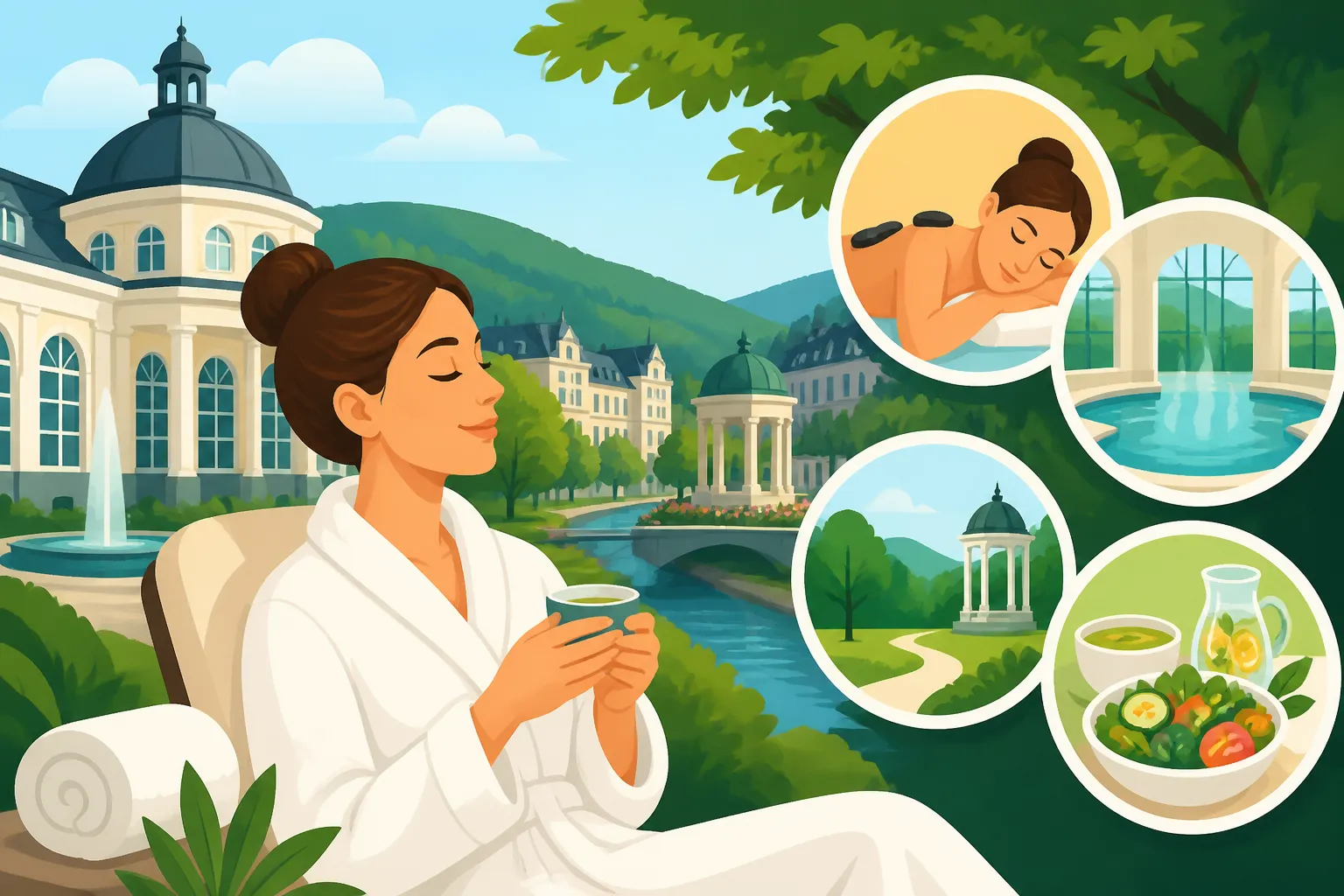
Kurhotels and Spa Towns: What a German Wellness Stay Actually Includes
You've likely heard hushed whispers about "Kur" or seen "Bad" prefixed to charming German town names, but if you're like many expats or curious tourists, you might still be wondering what a German wellness stay truly means. It's far more than a simple hotel spa and can feel like navigating a hidden world of traditional health cures. This guide will pull back the curtain on Kurhotels and spa towns in Germany, explaining precisely what a German wellness stay includes, from its unique blend of medical tradition and deep relaxation, and how to seamlessly find your perfect retreat using tools like Booking.com.
Disclosure: This post may contain affiliate links. We may earn a commission at no extra cost to you if you make a purchase through these links. Read full disclosure.
What Exactly is a "Kur" and a German Spa Town? Demystifying the Concept
When you first encounter the term "Kur" in Germany, it's easy to dismiss it as just another word for "spa." But that would be like calling a Michelin-starred meal "food." A Kur is steeped in centuries of German tradition, a serious, often medically-backed health regimen designed for healing, prevention, and recuperation. Understanding this distinction is key to truly appreciating the German approach to wellness.
More Than Just a Spa: The "Kur" Tradition
The "Kur" tradition, short for Kurbehandlung (curative treatment) or Kuraufenthalt (curative stay), is deeply ingrained in Germany's healthcare and cultural fabric. Historically, these were prescribed treatments, often covered by health insurance, targeting specific ailments or chronic conditions. Think of it as a comprehensive health retreat, guided by medical professionals, designed to restore balance and well-being. It's not about a quick facial and a dip in the hot tub; it’s a holistic commitment to improving your health over a period of days, sometimes even weeks.
This tradition emphasizes a blend of therapies, diet, gentle exercise, and above all, rest. The philosophy is that immersing oneself in a specialized environment, away from daily stressors, and following a structured regimen of natural remedies can lead to significant and lasting health improvements. For expats especially, this can be quite a cultural revelation. You might expect fluffy robes and endless champagne, but a true Kur is much more about quiet reflection, scheduled treatments, and often a focus on specific health outcomes. It’s a very German kind of wellness – organized, thorough, and effective. Unlike a casual wellness weekend, a Kur is about proactive health management and often serves as a preventative measure or a rehabilitative step.
The "Bad" in German Town Names: A Mark of Quality
When you see a town name beginning with "Bad," such as Baden-Baden, Bad Füssing, Bad Reichenhall, or Bad Mergentheim, you're looking at an officially recognized spa town. The prefix "Bad" literally means "bath" and signifies that the town has natural therapeutic resources – typically mineral springs, thermal waters, or a beneficial climate – that have been scientifically proven to promote health. This isn't just a marketing gimmick; it's a legal designation, meaning these towns adhere to strict standards for their healing waters and facilities.
These "Bad" towns are often picturesque, nestled in scenic regions, and designed around their primary healing resource. For instance, Bad Füssing in Bavaria is famous for its highly concentrated thermal mineral water, ideal for rheumatic conditions and joint pain. Baden-Baden, on the edge of the Black Forest, boasts luxurious thermal baths fed by ancient springs. Bad Wörishofen is the birthplace of Kneipp therapy, focusing on hydrotherapy (cold and warm water treatments), herbal remedies, and a healthy lifestyle.
The presence of "Bad" ensures that you'll find extensive public thermal baths (Therme), Kurparks (curative parks perfect for gentle walks), specialized clinics, and a range of Kurhotels offering specific therapeutic programs. These facilities often feature state-of-the-art medical equipment alongside traditional remedies, overseen by doctors and therapists. It’s an entire ecosystem built around health, making it an ideal destination for a truly authentic German wellness experience. When you’re browsing for your next escape on Booking.com, keeping an eye out for these "Bad" prefixes will give you a great starting point for finding authentic Kur experiences.
The Components of a German Wellness Stay: Treatments, Facilities, and Philosophy
So, what can you actually expect to do during a German wellness stay? It's a symphony of traditional and modern therapies, all orchestrated to promote deep healing and relaxation. This isn't just about passive pampering; it often involves active participation in your own well-being journey.
A Deep Dive into Therapeutic Offerings
The core of any German wellness stay revolves around its therapeutic offerings. These are often rooted in the specific natural resources of the spa town and are designed to address a wide range of health concerns or simply provide profound relaxation. Here’s a rundown of what you might encounter:
- Balneotherapy: This is a broad term for therapeutic bathing, often in mineral-rich waters. Towns like Baden-Baden and Bad Füssing specialize in thermal baths, where the naturally warm, mineral-infused water can soothe aching muscles, improve circulation, and alleviate joint pain. You might find various pools with different temperatures, mineral compositions, or even added herbs.
- Hydrotherapy (Kneipp Therapy): Pioneered by Sebastian Kneipp, this involves systematic application of water at different temperatures to stimulate the body. Think alternating hot and cold foot baths, showers, or even walking through cold water basins. It’s invigorating and known to boost circulation, strengthen the immune system, and calm the nervous system.
- Fango and Moor Packs: These involve applying warm mud or peat (Moor) packs to the body. The heat and natural minerals penetrate the skin, helping to relax muscles, reduce inflammation, and alleviate conditions like rheumatism or muscle tension. It can feel quite heavy and earthy, but incredibly therapeutic.
- Massages and Physiotherapy: Beyond standard relaxation massages, Kurhotels often offer medically prescribed massages like lymphatic drainage (to reduce swelling) or specific physiotherapy sessions. These are performed by trained therapists and can be crucial for rehabilitation or managing chronic pain.
- Inhalation Therapy: Especially in spa towns known for their healthy climate or saline springs, you might find inhalation rooms or therapies using atomized mineral water. This is particularly beneficial for respiratory conditions, allergies, or simply clearing the airways.
What truly sets these treatments apart is the potential for medical supervision. Many Kur stays begin with an initial consultation with a resident doctor or health professional. They'll discuss your health history, goals, and then create a personalized treatment plan, combining various therapies. This structured approach means you're not just guessing what might help; you're following an informed path to wellness. While your public health insurance in Germany might cover some of these "Kur" treatments if medically prescribed, private insurance often offers more flexibility. It's always a good idea to check your specific plan, whether it's Public Health Insurance (gesetzliche Krankenkasse): What It Covers and Costs or if you're exploring Healthcare in Germany: A Comprehensive Guide for Expats. The blend of traditional remedies with modern medical oversight is a unique hallmark of the German system.
Beyond the Treatment Room: Facilities and Atmosphere
A German wellness stay isn't confined to the scheduled treatments; the entire environment is crafted for relaxation and rejuvenation. The facilities and atmosphere are integral to the healing process.
First and foremost, you can expect impressive thermal pools and extensive sauna landscapes. German sauna culture is an experience in itself, often involving a clothing-optional (FKK) approach, multiple saunas (Finnish, bio, steam, infrared), and elaborate Aufguss ceremonies where an attendant infuses the air with essential oils by pouring water over hot stones. It's a deeply cleansing and social ritual, but also one that prioritizes quiet and respect. If you’re not familiar with it, it can be a bit of a culture shock, but it’s an incredible part of German wellness culture, which you can learn more about in our guide to Spa and Sauna Culture in Germany: Wellness for Health and Relaxation.
Beyond the heat, you'll find tranquil relaxation areas, often with panoramic views, comfortable loungers, and sometimes even waterbeds, where guests are encouraged to simply be. There are usually well-equipped fitness rooms for gentle exercise, and many Kurhotels offer guided activities like water aerobics, yoga, or Nordic walking in the surrounding nature.
Healthy dining options are another cornerstone. Meals are often fresh, seasonal, and designed to complement the wellness focus. You might find options for specific dietary needs, calorie-reduced menus, or simply an emphasis on wholesome, local ingredients. This isn't just about eating well; it's about mindful nutrition as part of a larger health plan, tying into broader concepts of Diet and Nutrition: German Foods and Staying Healthy as an Expat.
Crucially, the atmosphere in a Kurhotel emphasizes Ruhe, or quiet. Unlike some bustling resorts, German wellness destinations prioritize peace. This might mean designated quiet zones, a subdued ambiance, and an unspoken understanding among guests to minimize noise. It’s part of the restorative process – a chance to unplug and de-stress from the constant sensory overload of daily life. This quietude can be a striking difference for those accustomed to louder, more animated leisure environments, aligning with the general German cultural value of quiet hours, as explored in German Etiquette: Do’s and Don’ts in Social and Professional Settings.
The Mental and Holistic Aspect: Prevention and Lifestyle Change
The true genius of the German Kur system lies in its holistic perspective, extending far beyond physical treatments to encompass mental well-being, stress reduction, and ultimately, promoting lasting lifestyle changes. It’s not just about repairing what’s broken; it’s about fortifying the whole person.
Many Kurhotels incorporate elements designed to foster mental tranquility. This can include guided meditation sessions, mindfulness workshops, or simply providing serene spaces where guests can read, reflect, or enjoy the quiet beauty of nature. The deliberate removal from daily routines, coupled with the peaceful environment, allows for a significant reduction in stress and mental fatigue, helping expats cope with the unique challenges of Coping with Culture Shock: Adjusting to Life in Germany.
There's also a strong educational component. A stay in a Kurhotel is often an opportunity to learn healthier habits that you can integrate into your life long after you leave. This might manifest as nutrition workshops, cooking classes focused on wholesome eating, lectures on stress management techniques, or personalized consultations on exercise and posture. The aim is to empower individuals with the knowledge and tools to maintain their well-being proactively. It's about moving from a reactive approach to health to a preventative one, addressing underlying issues before they manifest as more serious problems.
The long-term benefits are paramount. A German wellness stay isn't typically seen as a one-off indulgence, but rather an investment in sustained health. By combining physical therapies, mental restoration, and educational components, a Kur provides a robust foundation for a healthier lifestyle. It encourages a shift in mindset, fostering a deeper connection to one's body and a greater awareness of the daily choices that impact health. Many Germans return to their favorite Kurorte (spa towns) annually, recognizing the profound impact these retreats have on their overall vitality and resilience. It's a serious commitment to living well, rather than just feeling good for a weekend.
Planning Your Perfect Kurhotel Escape: Finding the Right Spot
Now that you understand what a German wellness stay truly entails, how do you go about finding the perfect one for you? Germany is blessed with a wealth of spa towns, each offering unique strengths. The key is to match your personal health goals and preferences with the right destination and approach your search strategically.
Choosing Your Destination and Focus
Germany's spa landscape is incredibly diverse, so identifying your primary health goal is the first step. Are you seeking deep relaxation, relief from specific ailments, an immunity boost, or a complete detox?
- Thermal Water Sanctuaries: If you're looking for muscle relaxation, joint pain relief, or improved circulation, towns renowned for their natural thermal and mineral springs are ideal. Think of places like Baden-Baden with its blend of luxury and Roman bath traditions, or Bad Füssing in Bavaria, known for its potent sulfur-rich waters. These are perfect for unwinding in warm, healing pools.
- Kneipp Therapy Hubs: For those interested in boosting their immune system, improving circulation, or tackling nervous system imbalances, a Kneipp spa town like Bad Wörishofen offers a unique approach. Here, water applications (cold plunges, alternating temperature baths), herbal remedies, healthy diet, exercise, and mental balance form the core of the experience.
- Moor and Mud Pack Specialists: Towns featuring Moor (healing peat) or Fango (therapeutic mud) treatments are often sought after for chronic pain, rheumatism, and detoxification. Places like Bad Kohlgrub in Bavaria are well-known for their healing mud baths.
- Climate Health Resorts (Kurorte): Many beautiful regions, particularly in the German Alps, the Black Forest, or along the North Sea and Baltic Sea coasts, are designated Luftkurorte (air health resorts) or Heilklimatische Kurorte (climatic health resorts). Their focus is on the therapeutic effects of clean air, specific microclimates, and gentle outdoor activity. These are excellent for respiratory issues, stress reduction, and general recuperation, offering a tranquil backdrop for your wellness journey. You might consider specific regions if you're exploring What's the Best Region in Germany for a First-Time Visitor?.
- Thalassotherapy: Along the North Sea and Baltic Sea coasts, you'll find resorts offering Thalassotherapy, which utilizes seawater, marine algae, and mud for treatments beneficial for skin conditions, respiratory ailments, and overall vitality.
Consider the atmosphere you prefer too. Some towns, like Baden-Baden, offer a more upscale, cosmopolitan vibe with casinos and high-end shopping alongside their spas. Others, particularly in more rural settings, are incredibly serene and quiet, perfect for deep introspection and a digital detox.
Booking Your Stay with Confidence: Your Gateway to German Wellness
Once you have an idea of your preferred type of wellness experience, it's time to start looking for the perfect Kurhotel. This is where a platform like Booking.com truly shines as your hero, providing an incredibly comprehensive and user-friendly way to navigate the vast array of options in Germany.
Finding a place that matches your specific wellness needs, language preferences, and budget can be daunting, especially when dealing with German terms and local nuances. Booking.com simplifies this immensely. You can start by searching for your chosen "Bad" town or region. Then, the magic happens with its powerful filters. Look specifically for options like "Spa and wellness centre," "Thermal baths," or "Medical services" to narrow down properties that offer true Kur experiences. Many hotels will explicitly list their therapeutic offerings, from Kneipp pools to Fango treatments, directly in their descriptions.
The beauty of Booking.com for expats and tourists is multi-fold:
- Vast Selection: It aggregates a huge number of Kurhotels and wellness resorts across Germany, giving you plenty of choices in various price ranges and styles.
- Detailed Information: Each listing typically includes extensive photos, detailed descriptions of rooms, facilities (including specific types of saunas, pools, and treatment rooms), and a breakdown of services offered. Many Kurhotels will list their specific health packages.
- Reliable Reviews: Perhaps most importantly, you can read reviews from previous guests. These are invaluable for getting a real sense of the atmosphere, the quality of the treatments, the friendliness of the staff, and whether the hotel lives up to its wellness promises. Look for comments on the quietness, the expertise of therapists, and the quality of the food.
- Ease of Comparison: You can easily compare prices, amenities, and available dates side-by-side, ensuring you find the best value for your personalized wellness journey.
- Language Accessibility: The platform is available in multiple languages, making the booking process straightforward even if your German isn’t perfect. This removes a significant barrier to accessing these wonderful retreats.
Remember, when using Booking.com, pay close attention to what’s included in the price. Some Kurhotels offer all-inclusive wellness packages with specific treatments, doctor consultations, and meals. Others might offer the room and access to basic thermal facilities, with treatments booked and paid for separately. Always double-check the fine print to ensure your Booking.com reservation aligns with your expectations for a comprehensive Kur stay. This is also a great platform for finding general Accommodation in Germany: Hotels, Pensionen, and Hostels, whether it’s a full Kurhotel or just a comfortable place to stay while exploring the thermal baths of a spa town.
Practical Tips for a Successful Kurhotel Experience
To ensure your German wellness escape is as restorative as possible, keep these practical tips in mind:
- Language Readiness: While many Kurhotels, especially in popular tourist regions or larger spa towns like Baden-Baden, will have English-speaking staff, venturing into smaller, more traditional Kurorte might mean encountering less English. Learning a few basic German phrases related to health, bookings, and asking questions can significantly enhance your experience. Consider brushing up with resources from German Language and Everyday Communication for Visitors or even looking into Learning German: Top Language Schools and Resources for Expats before your trip!
- Pack Smart, Pack for Comfort: Your luggage should lean heavily towards comfort. Bring multiple swimsuits, flip-flops, comfortable clothing for lounging and light exercise, and sturdy shoes for walks in the Kurpark. Many hotels provide bathrobes, but check beforehand. Don’t forget a good book or two; this is a place for quiet reflection, not constant screen time.
- Embrace the Quiet (Ruhezeit): Germany takes its quiet hours seriously, and Kurhotels amplify this. Respect the atmosphere of Ruhe. Keep conversations low, use headphones for media, and understand that many guests are there for deep rest and recuperation. This isn't the place for loud phone calls or late-night parties.
- Don't Be Afraid to Ask: German service can sometimes seem formal, but staff at Kurhotels are generally very helpful. If you have questions about your treatment schedule, dietary options, how to use a specific sauna, or local activities, don't hesitate to ask. Clear communication ensures you get the most out of your stay.
- Book Treatments in Advance: Especially if you're visiting during peak season or have specific treatments in mind, it's wise to book them ahead of your arrival. Popular slots, particularly for massages or specialized therapies, can fill up quickly. Many hotels allow you to do this directly after confirming your booking on Booking.com.
- Consider a Longer Stay: To truly benefit from the holistic approach of a German Kur, a single night or even a short weekend might not be enough. Aim for at least 3-5 days, or even a full week, to allow your body and mind to fully unwind and respond to the treatments.
By understanding the distinct philosophy behind Germany's Kurhotels and spa towns, and by leveraging powerful tools like Booking.com, you can unlock a truly unique and deeply restorative wellness experience that goes far beyond a typical spa day.
Disclaimer
This article is for general informational purposes only and does not constitute professional advice. Laws, prices and regulations vary by location and change over time. Consult a qualified professional for guidance on your specific situation.