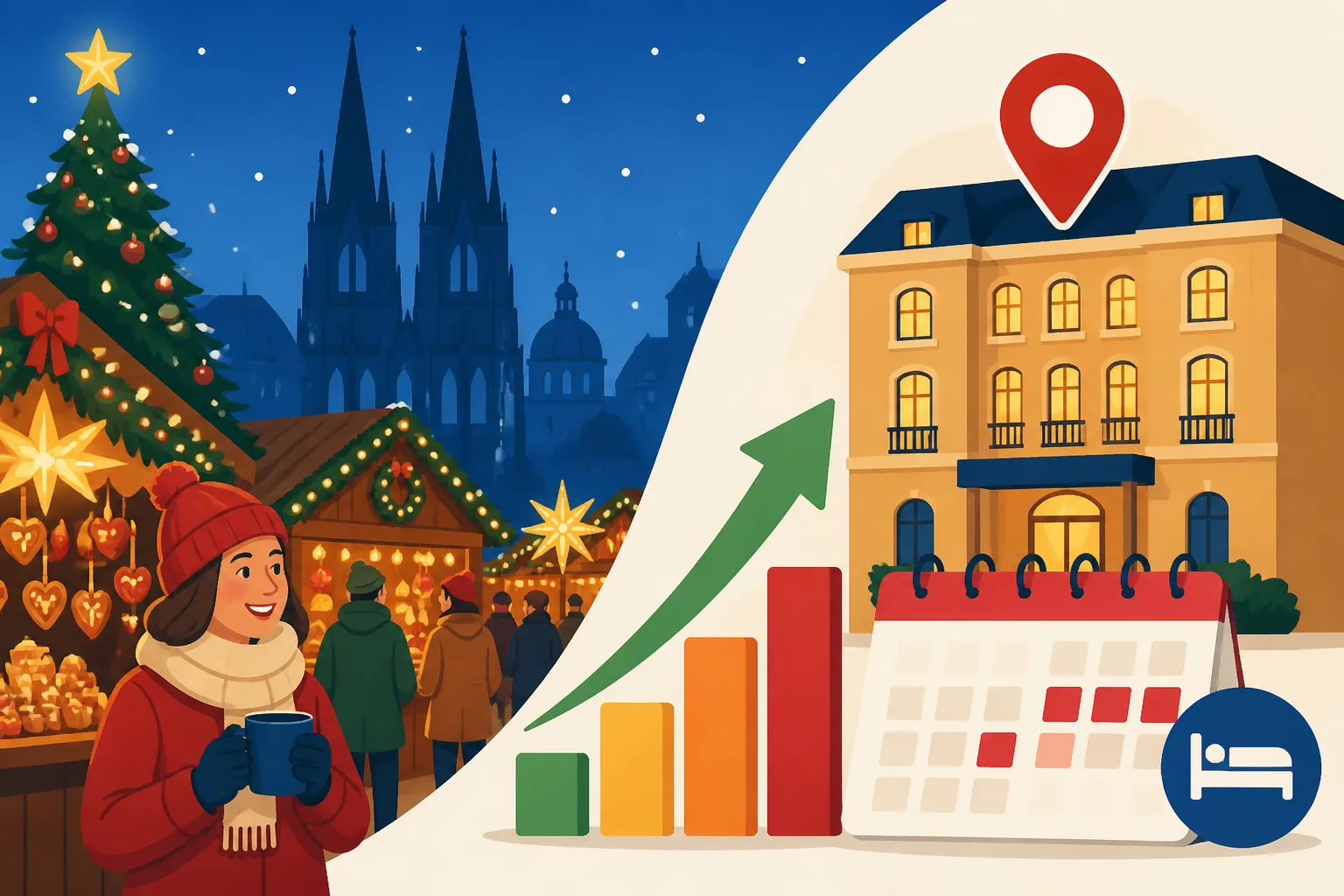
Christmas Market Season: When Hotel Rates Move and How Far Ahead to Book
Oh, the magic of German Christmas markets! It's an absolute highlight of the year, a twinkling wonderland of Glühwein, handcrafted gifts, and festive cheer. But let's be real, finding a place to lay your weary, mulled-wine-warmed head after a day of market hopping can turn into a nightmare if you don't plan ahead. Trust me, I've seen countless expats and tourists scramble, so this guide is here to tell you exactly when those hotel rates start to dance, and how far in advance you really need to secure your spot, making Booking.com your new best friend in the process.
Disclosure: This post may contain affiliate links. We may earn a commission at no extra cost to you if you make a purchase through these links. Read full disclosure.
The Irresistible Pull of German Christmas Markets: Why Everyone Wants to Be There
There's something uniquely enchanting about Germany during Advent. The air fills with the scent of roasted almonds and cinnamon, ancient city squares transform into shimmering villages, and the collective spirit of "Gemütlichkeit" is almost palpable. It’s no wonder these markets draw millions of visitors each year, from all corners of the globe, creating an unparalleled demand for accommodation.
More Than Just Markets: A Cultural Phenomenon
These aren't just pop-up shops; German Christmas markets, or Weihnachtsmärkte, are deeply rooted in centuries of tradition. They're a place for communities to gather, to celebrate the festive season, and to enjoy unique regional delicacies and artisanal crafts. Each city, from the medieval charm of Nuremberg's Christkindlesmarkt to the bustling waterfront magic of Hamburg, puts its own spin on the experience. You'll find yourself sipping warm, spiced wine (don't forget the Pfand!), indulging in hearty Bratwurst, and marveling at the intricate wooden carvings and delicate glass ornaments. It's a sensory feast, a true cultural immersion that goes far beyond simple souvenir shopping. If you're wondering which markets to prioritize, check out our guide on Germany's Best Christmas Markets: Where to Go.
The atmosphere is what truly sets them apart. Imagine strolling through a market illuminated by thousands of fairy lights, choirs singing carols, and the laughter of families echoing through historic alleys. It’s pure, unadulterated joy, a feeling that lingers long after you've returned home. It’s this authentic, heartwarming experience that makes them so popular, year after year. For a deeper dive into what to expect once you're there, read How German Christmas Markets Work: Food, Drinks, and Gifts.
The Peak Season Scramble: Why Accommodation Disappears Fast
With such immense popularity, it should come as no surprise that hotels and guesthouses in and around popular market cities become hot commodities. It's not just international tourists filling up rooms; Germans themselves cherish their Christmas markets and often travel domestically to experience different ones. This means that accommodation, particularly for desirable dates and locations, gets booked up astonishingly quickly.
You're competing with tour groups, corporate Christmas parties, and individuals who mark their calendars a year in advance. Many hotels, especially smaller, family-run establishments, have regular clientele who re-book the same rooms for the same weekends every year. This significantly reduces the available pool, and what's left is often snapped up at a premium. The result? If you wait too long, you might find yourself either paying exorbitant prices for a mediocre room miles from the action or, worse, having no options at all, forcing you to reconsider your trip or commute from a less convenient location.
Understanding the Christmas Market Season Calendar
To truly master your Christmas market trip, you need to understand the rhythm of the season. It's not a single, monolithic event, but rather a carefully orchestrated period that peaks and ebbs with the Advent calendar.
When Do Markets Open and Close? The Key Dates
Generally, most German Christmas markets kick off in the last week of November, usually the Friday before the first Advent Sunday. They then run continuously until December 23rd or 24th. A few, often smaller or more specialized ones, might extend into the first few days of January, particularly those focused on New Year's celebrations, but the core Christmas market experience wraps up before Christmas Day itself.
The first two weekends of Advent are typically a massive draw, but the absolute peak often falls on the second and third weekends of December, especially if there's good weather forecast. Cities like Cologne, Dresden, and Berlin, with multiple large markets spread across their centers, will see their hotels completely saturated during these times. It's crucial to check the specific dates for the markets you plan to visit, as they can vary slightly year to year and by city. Our post on When Do German Christmas Markets Open and Close? offers more detailed insights.
The Weekday vs. Weekend Dynamic
This is where smart planning comes in. Weekends, particularly Friday and Saturday nights, are undeniably the most popular times to visit. This means higher hotel rates, larger crowds, longer queues for Glühwein, and more difficulty securing dinner reservations. While the festive atmosphere is always buzzing, it can be a bit overwhelming.
If your schedule allows, consider traveling during the week. Tuesdays, Wednesdays, and Thursdays often offer significantly better hotel rates and noticeably smaller crowds. You'll still get all the magic, but with a more relaxed pace and potentially more favorable prices. Many markets also have special weekday events or quieter opening hours that can enhance your experience. Even just shifting your Friday night stay to a Sunday night can sometimes yield surprising savings.
The Impact of Demand on Hotel Rates and Availability
It’s simple economics, really, but for expats new to Germany, the sheer scale of the Christmas market rush can be a rude awakening when it comes to booking accommodation. The demand for a limited supply of desirable rooms pushes prices up dramatically.
Supply and Demand: How It Inflates Prices
Think of it like this: for a few short weeks, every hotel room, guesthouse, and apartment in and around a popular Christmas market destination becomes a coveted prize. When millions of people suddenly descend upon a relatively fixed number of beds, prices will, without fail, skyrocket. What might be a modest €80-100 per night room in October could easily command €200-300 or more per night during a peak December weekend. And for those truly prime locations right next to the market squares? You can expect even higher figures. This isn't unique to Germany – popular festivals around the world see similar price hikes, like How to Visit Oktoberfest in Munich for the First Time.
This inflation isn't just about profiting; it reflects the market value of being there during that special time. Hotels know their rooms will sell, so they adjust their pricing algorithms accordingly. It’s not uncommon to see rates increase by a staggering amount, sometimes doubling or tripling, as the availability dwindles closer to the season. The closer you get to those peak weekends, the more you'll feel this pinch.
The Advantage of Early Booking: Why It Pays Off
This is where your proactive planning really shines, and why platforms like Booking.com become indispensable. By booking well in advance – we’re talking 6 to 9 months ahead for the most popular cities and dates – you put yourself in the driver's seat. You'll have access to a much wider selection of hotels, from charming boutique guesthouses to well-known international chains, and crucially, you'll secure rooms at significantly lower rates than those last-minute hopefuls.
Booking.com is a hero here because it allows you to filter for properties with flexible cancellation policies. This is a game-changer when you're booking so far out. You can lock in a great rate for a desirable hotel, knowing that if your plans change, you can often cancel without penalty up to a certain point. This flexibility provides peace of mind and allows you to adapt if unexpected circumstances arise. It ensures you don't miss out on the perfect stay simply because you were hesitant to commit early.
Last-Minute Strategies: Is It Ever Worth the Risk?
While the idea of snagging a spontaneous, last-minute deal might sound appealing, for German Christmas markets, it's generally a risky gamble that rarely pays off. Unlike some destinations where last-minute availability might lead to steep discounts, the demand during Christmas market season is so consistently high that hotels simply don't need to drop their prices.
Instead, what often happens is that the only rooms left are either exorbitantly priced luxury suites, or establishments located far outside the city center, requiring lengthy commutes. You might find yourself compromising heavily on quality, location, or budget. While a stray room might pop up due to a cancellation, relying on this is like hoping for a winning lottery ticket. If you absolutely must try a last-minute approach, ensure you have a backup plan, perhaps a list of alternative, smaller towns within train reach, and prepare for potential disappointment or a significantly higher cost. For general guidance on accommodation, consider our article on Accommodation in Germany: Hotels, Pensionen, and Hostels.
Navigating Accommodation Types for Christmas Market Trips
Germany offers a wide spectrum of lodging options, each with its own charm and benefits, depending on your travel style and budget. Knowing what’s available can help you make an informed decision when you’re scouting for that perfect festive stay.
Hotels, Guesthouses, and Boutique Stays
The most straightforward option is, of course, a traditional hotel. Germany boasts everything from international five-star chains in major cities to quaint, family-run guesthouses (Pensionen or Gasthöfe) in smaller towns. Boutique hotels, often found in renovated historic buildings, offer a more unique and personalized experience, though they tend to be pricier and book up even faster.
The advantages of hotels are numerous: professional service, often on-site restaurants, daily cleaning, and reception staff who can offer local tips. For Christmas market visits, consider location carefully. Staying within walking distance of the main market areas or a short public transport ride away is invaluable. The energy of being right in the heart of the festive buzz is part of the magic. When you use Booking.com, you can easily filter by distance to city center or specific landmarks, allowing you to pinpoint properties perfectly situated for your market explorations.
Apartments and Holiday Rentals: A Home Away From Home
For families, groups of friends, or those planning a longer stay, apartments and holiday rentals (Ferienwohnungen) can be a fantastic alternative. These typically offer more space, separate bedrooms, and crucially, kitchen facilities. Having a kitchen means you can save money by preparing some meals yourself, perhaps even enjoying some local market produce for breakfast. It’s also wonderful for unwinding with a cup of tea or a local beer in a cozy living room after a long day of walking.
Booking.com has an extensive selection of apartments and private rentals, which can be particularly useful during peak seasons when traditional hotels are scarce or expensive. These options often provide a more authentic local experience, allowing you to settle into a neighborhood rather than just pass through. Just remember to check the specific amenities, as "unfurnished" in Germany for long-term rentals can mean no kitchen, but holiday rentals usually come fully equipped.
Strategic Booking: When and How to Secure Your Christmas Market Stay
So, we've established that early booking is king. But what does "early" actually mean in the context of German Christmas markets, and how can you leverage tools like Booking.com to make the process as seamless as possible?
The Golden Window for Booking: How Far Ahead is Enough?
To maximize your choices and secure the best rates, you should aim to book your Christmas market accommodation 6 to 9 months in advance. Yes, you read that right. For instance, if you're planning to visit in December, start your search in March or April. For highly sought-after cities like Nuremberg, Dresden, or Cologne, especially if you're targeting a specific popular weekend, push that window even earlier – 9 to 12 months out is not unreasonable.
I know, it feels like planning for next Christmas while this one is barely over, but those popular spots disappear quickly. Being flexible with your dates – perhaps choosing the first week of Advent instead of the third, or opting for weekdays – can extend this window slightly and offer more wiggle room. However, for those iconic, must-see markets during peak times, seriously consider making your reservations as early as possible. It truly makes all the difference in cost and convenience. You can even create a personalized How to Plan a German Christmas Market Trip itinerary well in advance.
Leveraging Booking.com for Optimal Results
Booking.com isn't just a booking platform; it's a powerful tool for strategic planning. Here’s how to use it effectively:
- Filter, Filter, Filter: Once you input your destination and dates (even tentative ones for early research), use the comprehensive filters. Want to be within 1km of the main market square? There's a filter for that. Need a family room? A pet-friendly option? A specific star rating or guest review score? All easily adjustable.
- Flexible Cancellation: As mentioned, this is your best friend when booking far in advance. Look for properties offering "Free cancellation" or "Book now, pay later" options. This allows you to secure a room without financial commitment, giving you the freedom to adjust if better deals or different plans emerge down the line. Booking.com makes it easy to specifically search for these types of bookings.
- Price Alerts: While Booking.com doesn't have a direct "price alert" function for specific hotels in the same way some flight aggregators do, you can use the platform to constantly monitor rates by doing periodic searches. If you have a few favorite hotels in mind, keep checking their prices for your dates.
- Genius Loyalty Program: If you travel frequently, becoming a Genius member on Booking.com can unlock discounts and perks like free breakfast or room upgrades, which can add up, especially during peak season.
By using these features, you transform the daunting task of early booking into a strategic advantage, ensuring you land the best possible accommodation for your magical Christmas market adventure.
Alternative Cities and Hidden Gems
Don't let the hype for the biggest names blind you to Germany's incredible diversity of Christmas markets. While Munich, Berlin, Nuremberg, and Dresden certainly offer grand spectacles, many smaller cities and towns host equally enchanting, and often more intimate, markets. These hidden gems can offer better accommodation rates and a less crowded experience.
Consider places like Bamberg, a UNESCO World Heritage site, with its stunning old town; Quedlinburg, with its picturesque half-timbered houses; or Rothenburg ob der Tauber, famous for its year-round Christmas shop. These towns might require a bit more planning to reach, but the charm is undeniable, and you'll find it much easier to secure a lovely hotel or guesthouse. Exploring these alternatives through Booking.com can reveal fantastic options you might otherwise overlook, offering a unique holiday experience without the premium price tag of the major hubs.
Practical Tips for a Smooth Christmas Market Trip
Beyond booking your stay, there are a few other practical considerations to ensure your Christmas market experience is nothing short of wonderful. A bit of foresight goes a long way, especially when navigating a new country during a busy holiday season.
Transportation Considerations
Germany's public transport system is generally excellent, but during peak Christmas market season, trains and city transport can get crowded.
- Trains: The Deutsche Bahn (DB) network is extensive, connecting all major cities and many smaller towns. Booking your train tickets in advance, especially for ICE high-speed connections, is highly recommended to secure better prices and ensure a seat. You can learn more about this in How to Book Deutsche Bahn Tickets and Save Money.
- City Transport: Most cities have efficient U-Bahn (subway), S-Bahn (light rail), tram, and bus networks. Consider purchasing a day ticket or a multi-day pass if you plan on visiting several markets within one city or commuting from slightly further out. Our guide on Public Transport Tickets and Passes: Navigating German Transit Systems provides a good overview.
- Driving: While driving gives you flexibility, parking in city centers during Christmas market season can be an absolute nightmare and expensive. Only consider a rental car if you plan to visit multiple, more rural markets where public transport connections might be sparse.
Budgeting Beyond Accommodation
Your hotel room is just one part of the equation. Germany's Christmas markets are known for their delicious food, warm drinks, and unique gifts, and it’s easy to get carried away.
- Food and Drink: Factor in the cost of Glühwein, Bratwurst, waffles, roasted almonds, and other treats. While not outrageously expensive individually, these add up quickly. For specific details on these festive treats, refer to What to Eat and Drink at a German Christmas Market and Glühwein and Festive Drinks in Germany.
- Souvenirs: From handcrafted wooden ornaments to regional specialties, there's no shortage of things to buy. Set a budget to avoid overspending.
- Cash is King (Still): While cards are increasingly accepted in Germany, many smaller market stalls still prefer or only accept cash. Always carry a decent amount of euros with you. This is a common theme in Germany, so read Cash vs Card in Germany: What Visitors Should Know for more context.
Packing for German Winters
December in Germany can be beautiful, but it's also cold. You'll be spending a lot of time outdoors, standing and strolling, so dressing appropriately is crucial for enjoying the markets without turning into a human icicle.
- Layers are Key: Think thermal base layers, warm sweaters, and a thick, waterproof winter coat.
- Warm Accessories: A good hat, scarf, and gloves are non-negotiable.
- Waterproof Footwear: You'll be doing a lot of walking, often through potential snow, slush, or puddles. Insulated, waterproof boots are your best friend.
- Socks: Pack several pairs of thick, wool socks to keep your feet toasty.
Don't underestimate the German winter. A little preparation in your packing will ensure you stay comfortable and can fully immerse yourself in the festive atmosphere. For more on this, check out What's the Weather Like in Germany in Winter?. And remember, being aware of your surroundings and keeping valuables secure is always a good idea in crowded places; for general advice, see Staying Safe in Germany: Common-Sense Tips for Travelers.
| Booking Timeline for German Christmas Markets | Recommendation | Notes |
|---|---|---|
| Ultra-Popular Cities/Weekends | 9-12 months | Nuremberg, Dresden, Cologne, especially Friday/Saturday nights in December. Essential for best rates & choice. |
| Popular Cities/Weekends | 6-9 months | Berlin, Munich, Hamburg, Stuttgart. Good rates and selection. |
| Smaller Cities/Weekends | 4-6 months | Bamberg, Heidelberg, Rothenburg ob der Tauber. Still advisable for prime locations. |
| Weekdays (Any City) | 3-5 months | More flexibility, better rates, smaller crowds. |
| Last Minute (1-2 months out) | Risky | Limited choice, high prices, possible long commutes. Not recommended. |
Disclaimer
This article is for general informational purposes only and does not constitute professional advice. Laws, prices and regulations vary by location and change over time. Consult a qualified professional for guidance on your specific situation.