Germany to the UK: Flight, Rail, and Ferry Combinations
Moving between Germany and the UK, whether for a quick visit or a more permanent relocation, can feel like navigating a labyrinth of flight schedules, train connections, and ferry routes. What once felt like a relatively straightforward hop across the channel has, with shifting regulations and travel landscapes, added layers of complexity that can genuinely frustrate any expat or traveler. This guide is here to untangle those knots, meticulously breaking down your best options for travel, offering insider tips, and helping you orchestrate a journey that's both efficient and as stress-free as possible.
Disclosure: This post may contain affiliate links. We may earn a commission at no extra cost to you if you make a purchase through these links. Read full disclosure.
Flying from Germany to the UK: The Fastest Route Across
Let's be honest, for many, the quickest way to bridge the gap between Germany and the UK is by air. It cuts down on travel time significantly, especially if you're coming from cities deeper within Germany like Munich or Berlin, rather than closer to the French or Belgian borders. However, "quick" often applies mostly to the flight duration itself, and there's a fair bit more to consider.
Major Airports and Airlines Connecting Germany and the UK
Germany boasts several major international airports that offer direct connections to various UK hubs. Frankfurt Airport (FRA) and Munich Airport (MUC) are your big players, acting as primary hubs for long-haul and inter-European flights. You'll find a plethora of options from these, including national carriers like Lufthansa and British Airways, offering daily services to London Heathrow (LHR) and London Gatwick (LGW), among others.
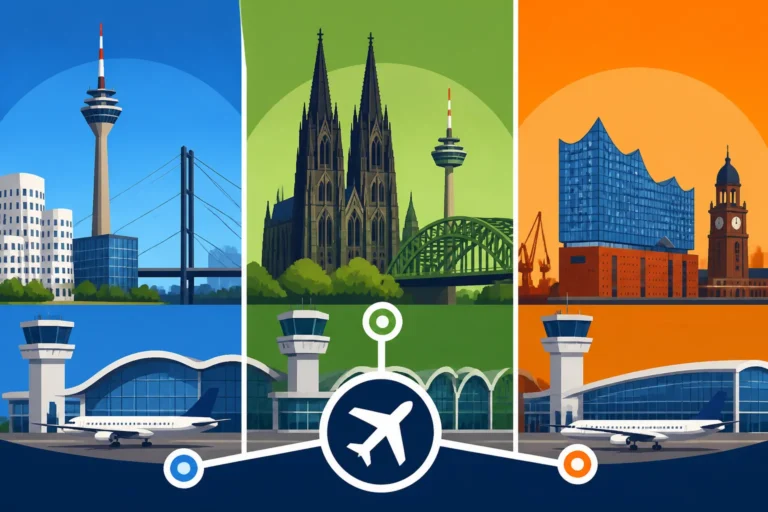
But don't overlook other significant German airports like Berlin Brandenburg Airport (BER), Düsseldorf Airport (DUS), Hamburg Airport (HAM), and Cologne Bonn Airport (CGN). These often feature a strong presence from budget airlines such as Ryanair and EasyJet, which are excellent for direct, wallet-friendly flights to a wider array of UK airports beyond just London – think Manchester, Edinburgh, Dublin (for Ireland, but often combined with UK plans), and even smaller regional airports like Bristol or Newcastle. The key here is flexibility; sometimes a slightly less convenient UK airport with a direct, cheap flight from a smaller German city can save you a bundle.
When you're trying to piece together a complex journey, juggling different airline sites, train operators, and ferry schedules can be a real headache. That's where a platform like Omio comes in incredibly handy. It allows you to compare flights across multiple airlines, often showing you the best deals and the most convenient routes without having to open a dozen tabs. It's a lifesaver when you're trying to figure out if it's cheaper to fly direct with a national carrier or combine a budget flight with some ground transport.
The True Cost and Time of Flying
While a flight might technically be 1.5 to 2 hours, the actual travel time is much, much longer. You have to factor in getting to the German airport, which could involve navigating public transport in Germany like the S-Bahn or regional buses, security checks, boarding, deplaning, and then the journey from your arrival UK airport into the city centre or your final destination.
For example, a flight from Berlin to London might be under two hours in the air. But if you take an hour to get to BER, arrive two hours early for an international flight, spend 30 minutes deplaning and clearing immigration (which can vary wildly post-Brexit!), and then another hour or more to get from Heathrow into central London, your "short" flight has easily ballooned into a 6-7 hour endeavor. Budget airlines, while cheap, often fly into airports further from city centers, such as London Stansted or Luton, adding even more transfer time and cost. Always add these hidden "transit" times to your planning. For those new to the German transit system, understanding how to use Deutsche Bahn for intercity travel or local public transport within cities is crucial for a smooth start to your journey. You can find more specific advice on this in our guide to Getting Around Germany: Trains, Buses, Flights, and Car Hire.
Rail and Ferry Combinations: A Scenic Alternative
For those who detest flying, are concerned about their carbon footprint, or simply prefer a more relaxed and scenic journey, combining rail and ferry offers a fantastic alternative. This multi-modal approach truly connects the continent with the island, providing a different perspective on your journey.
The Eurostar Option: Germany to London by Train
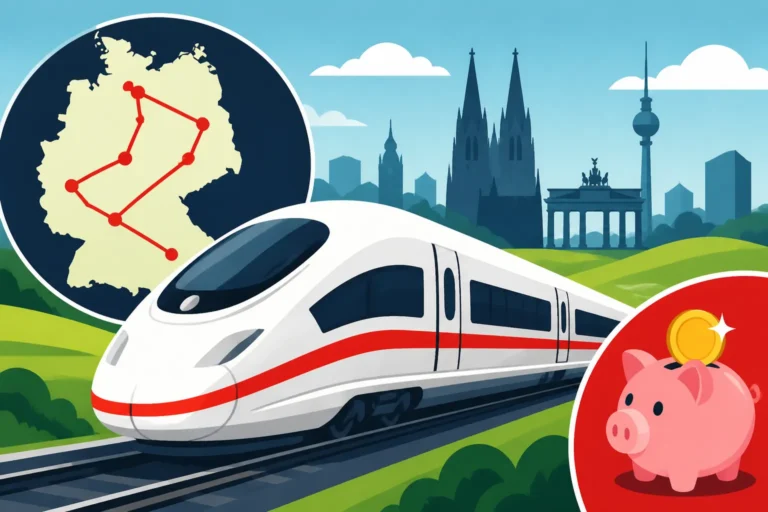
While there isn't a direct train from Germany to the UK, the Eurostar service is your key to unlocking this route. The journey typically involves taking a high-speed train, often an ICE (Intercity-Express), from your German city to a major hub like Brussels (Bruxelles-Midi/Zuid) or Paris (Gare du Nord). From there, you connect to the Eurostar, which whisks you under the English Channel directly into London St Pancras International.
Imagine starting your day in, say, Cologne. You could catch an early morning Thalys or ICE train to Brussels. From Brussels, the Eurostar journey to London is just about two hours, and you step off right in the heart of the city. This city-centre to city-centre convenience is a massive draw, eliminating the need for airport transfers. The journey from Frankfurt to London via Brussels, including the Eurostar, could take roughly 6-7 hours total, which is comparable to flying when you account for all airport faff.
Booking these multi-leg train journeys can be tricky, as different operators handle different segments. Again, this is where a unified booking platform like Omio becomes invaluable. It can help you find and book these intricate connections, showing you the full itinerary and even suggesting the best times for transfers. It takes the guesswork out of coordinating schedules across international borders. For detailed information on German train services, check out our guide on High-Speed Trains in Germany (ICE): Deutsche Bahn Routes and Savings.
Ferry Crossings: The Classic Way to the UK
For a more traditional (and often more budget-friendly) crossing, the ferry remains a popular choice, especially if you're traveling with a car or just prefer to breathe fresh sea air. The most common ferry routes connect Calais or Dunkirk in France with Dover in the UK.
To get there from Germany, you'd typically take a train or bus – or even drive your own car – to one of these French port cities. For instance, you could take a long-distance bus service like FlixBus from Berlin or Frankfurt all the way to Calais, though this would be a substantial journey. Once at the port, you'd board a ferry operated by companies like DFDS Seaways or P&O Ferries. The crossing itself usually takes around 90 minutes to two hours.
This option is particularly appealing for those residing in western Germany, close to the Belgian and French borders. Driving from, say, Düsseldorf to Calais takes around 4-5 hours, after which you have the short ferry ride. It's not the fastest, but it offers a tangible sense of crossing the water, and you can stretch your legs, grab a meal, and even enjoy some duty-free shopping. When weighing this against pure rail, remember the extra logistical step of getting to the port. Omio, once again, can help here by allowing you to search for both train and bus tickets to these French ports, making it easier to compare the entire door-to-door journey.
Essential Planning and Considerations
Traveling between Germany and the UK requires more than just booking tickets; it demands careful planning and an understanding of the nuances involved. The post-Brexit travel landscape has certainly added some layers to this.
Visa and Immigration Realities
Since Brexit, UK citizens living in Germany and German/EU citizens traveling to the UK face different rules. German citizens (and other EU/EEA nationals) can typically enter the UK for up to six months as a tourist without a visa, but you'll need a valid passport. For longer stays or work, a visa is required. Conversely, UK citizens visiting Germany (or any Schengen country) can stay for 90 days within any 180-day period without a visa, also requiring a valid passport. Always double-check the latest government guidelines for both countries well in advance of your travel. This is especially critical if you hold a Traveling in the Schengen Area with a German Residence Permit: Your Rights and Limits.
Expect potential queues at immigration, particularly when entering the UK. While previously EU citizens could often breeze through, now manual passport checks are more common. Factor this into your overall journey time, especially if you have tight connections.
Luggage, Comfort, and Costs: Comparing Your Options
Each travel method comes with its own set of advantages and disadvantages regarding luggage, comfort, and, of course, cost.
- Flights:
- Luggage: Budget airlines are notorious for charging extra for anything beyond a small personal item. National carriers usually include one checked bag, but always verify.
- Comfort: Cramped seating, varying cabin temperatures, and the general airport hustle.
- Cost: Often the cheapest base fare, but hidden fees for luggage, seat selection, and airport transfers can quickly add up.
- Rail (Eurostar):
- Luggage: Generous allowance – usually two large bags and a hand luggage item, with no weight limits, as long as you can carry it yourself.
- Comfort: Spacious seats, ability to walk around, on-board catering, and stunning views.
- Cost: Generally more expensive than budget flights, but often includes all "hidden" costs, and can be competitive with national carrier flights, especially if booked in advance.
- Rail to Ferry:
- Luggage: Highly flexible, especially if you're driving to the ferry port. If taking trains/buses, it's similar to regular rail.
- Comfort: Varies. Trains/buses to the port can be comfortable, ferries offer space to walk, sit, and eat, but can be susceptible to sea sickness.
- Cost: Can be very affordable, particularly for groups or those with a car. Ferry fares themselves are reasonable, but you need to factor in the cost of reaching the port.
Here's a quick comparison of the typical options:
| Travel Method | Pros | Cons | Estimated Total Duration (e.g., Berlin to London) | Estimated Cost (One-Way) |
|---|---|---|---|---|
| Direct Flight | Fastest "in air" time, wide choice of airlines | Airport transfers, security queues, luggage fees, less scenic | 5-7 hours (door-to-door) | €50 – €250+ |
| Rail (ICE + Eurostar) | City-centre to city-centre, spacious, scenic | Can be expensive, requires transfer in Brussels/Paris | 8-12 hours (door-to-door) | €100 – €400+ |
| Rail/Bus + Ferry | Often cost-effective, great for cars, scenic sea journey | Longest overall duration, multiple transfers | 12-18 hours (door-to-door) | €80 – €350+ |
Note: Costs are estimates and can fluctuate wildly based on booking time, season, and specific routes.
When you're trying to figure out which combination makes the most sense for your budget and travel style, Omio's integrated search is an absolute game-changer. Instead of bouncing between airline sites, Deutsche Bahn, Eurostar, and ferry operators, Omio pulls all these options into one place. You can directly compare a flight from Berlin to London with a train + Eurostar journey, or even look into how to get to a ferry port, allowing you to see which one saves you time, money, or simply gives you the experience you're looking for. It helps you quickly weigh up the pros and cons of, say, a low-cost flight that lands far from central London versus a more expensive but convenient Eurostar ticket right into St Pancras.
Booking Your Journey with Ease
Booking in advance is almost always advisable, especially for flights and Eurostar tickets, to secure the best prices. Flexibility with your travel dates and times can also lead to significant savings. Mid-week travel often costs less than weekend trips, and flying or training during off-peak hours can also reduce fares.
I cannot stress enough how helpful a consolidated platform like Omio is for these types of international trips. It simplifies the entire booking process by allowing you to compare and book various modes of transport in one go. Whether you're after the cheapest flight, the fastest train, or a scenic bus and ferry combo, Omio shows you the options side-by-side, including travel times and prices, so you can make an informed decision without the usual stress of navigating multiple booking sites. It even handles ticketing for different legs, which is a massive relief for complex journeys involving different carriers. So, if you're planning your trip, consider giving Omio a try to streamline your research and booking process.
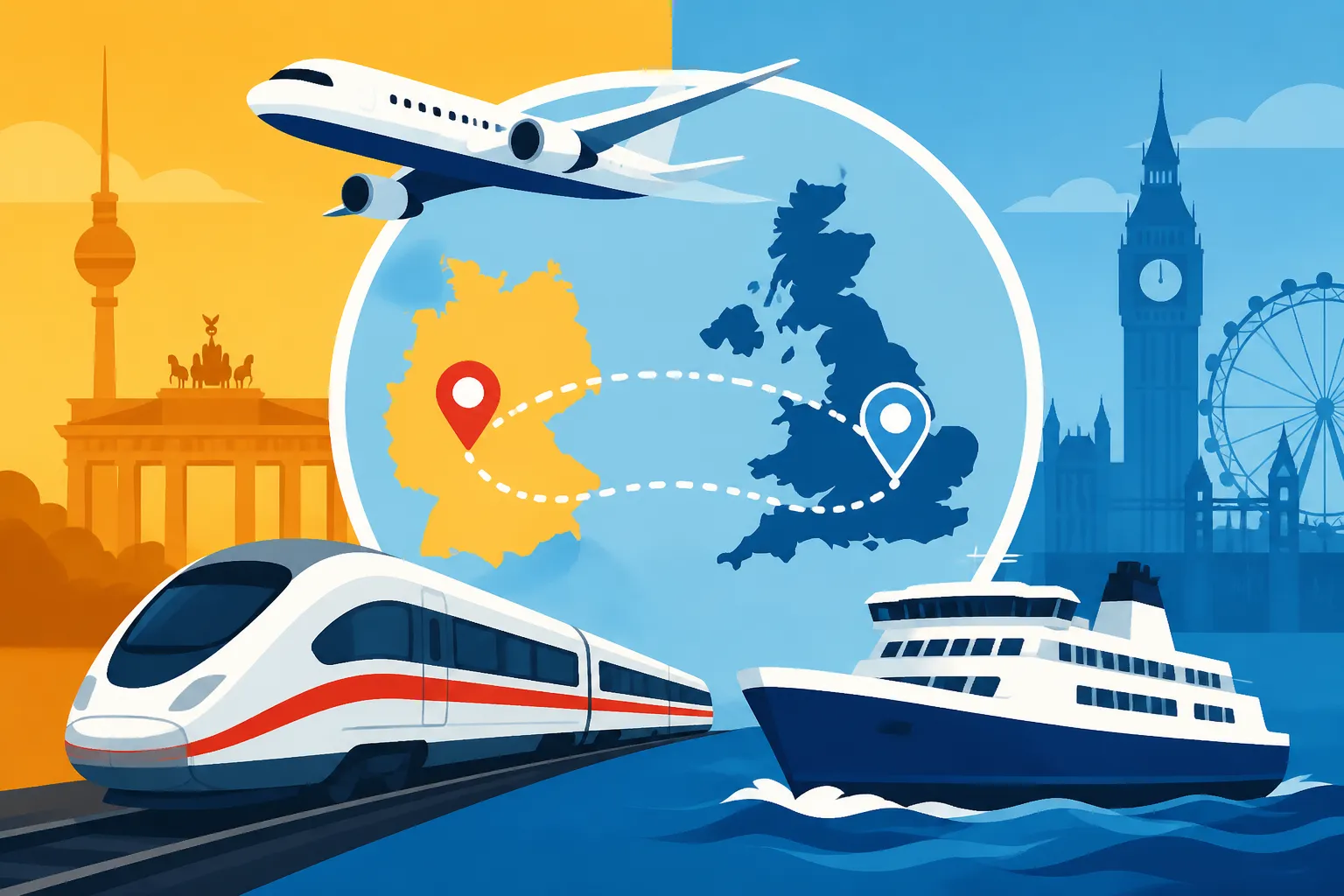
Ultimately, the best way to travel from Germany to the UK depends entirely on your priorities. If speed is paramount, flying is still your best bet, despite the airport rituals. If comfort, scenery, and direct city-centre arrivals are what you're after, the train-and-Eurostar combination is unbeatable. And for those with a car or a preference for a leisurely sea journey, the ferry remains a charming classic. No matter your choice, with a bit of planning and the right tools like Omio, your journey across the channel can be a smooth and enjoyable part of your expat adventure.
Disclaimer
The information provided in this guide is for general informational purposes only and is subject to change. Travel regulations, visa requirements, and public transport schedules can vary. Always verify the latest requirements with official government sources and transport providers before making any travel plans. We recommend checking the websites of the German Federal Foreign Office, the UK Home Office, and specific airlines, train operators (like Deutsche Bahn and Eurostar), and ferry companies for the most up-to-date information.