How Long Are Therapy Waiting Times in Germany?
Finding a therapist in Germany often feels like a full-time job where the only reward is a collection of polite "no" emails. I remember my first winter in Berlin, staring at a list of fifty names, only to be told that the next opening was in late spring of the following year. This guide breaks down exactly why these wait times exist and how you can navigate the system to find help faster.
Disclosure: This post may contain affiliate links. We may earn a commission at no extra cost to you if you make a purchase through these links. Read full disclosure.
The Harsh Reality of Average Wait Times in Germany
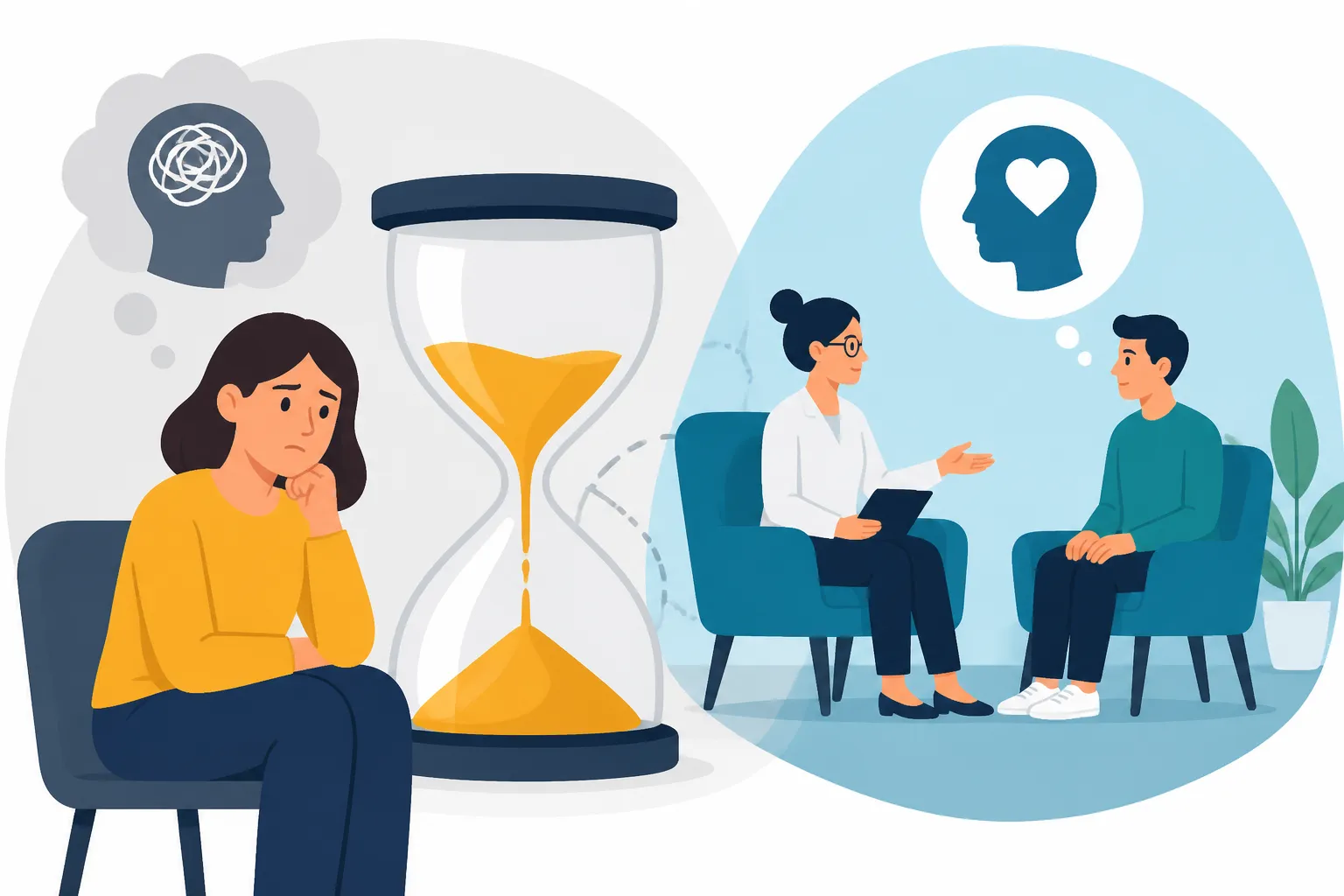
When you first dive into the German mental health system, the statistics can be disheartening. On average, a person with public health insurance waits between three to nine months for a regular therapy spot. This isn't just a minor inconvenience; it is a significant barrier to care that thousands of expats and locals face every year. The timeline varies wildly depending on your location, your insurance type, and the language you need to speak.
If you are living in a major hub like Berlin, Munich, or Hamburg, the demand for English-speaking therapy is astronomical. While there are more therapists in these cities, the ratio of patients to practitioners is skewed. In contrast, if you are in a more rural area, you might find a therapist with a shorter waitlist, but they may only offer sessions in German. This creates a "double-bind" for many in the international community who are already struggling with Healthcare Culture Shock: How Germany’s Medical System Differs from Other Countries.
The wait is usually divided into two stages. First, there is the "Sprechstunde" or initial consultation. By law, you are entitled to this relatively quickly—usually within a few weeks. However, getting that first appointment does not mean you have a permanent spot. It is essentially an assessment to see if you need therapy. The second stage is the wait for the actual "Therapieplatz," which is where the months of silence usually happen.
Why the Wait is So Long Understanding the Kassensitz System
You might wonder why a wealthy country like Germany has such a bottleneck for mental health. The answer lies in a bureaucratic concept called the "Kassensitz." In simple terms, the German government and the association of statutory health insurance physicians (KV) decide how many therapists are allowed to bill public insurance in a specific geographic area. Even if there are thousands of qualified psychologists in a city, only a fixed number can "officially" treat public patients.
This quota system is based on outdated population metrics, often failing to account for the growing number of people seeking help for burnout, anxiety, or depression. Because these licenses are limited and expensive, many younger, highly qualified therapists are forced to work only with private patients. This is why Public Health Insurance (gesetzliche Krankenkasse): What It Covers and Costs users often find themselves on waitlists while those with private coverage can be seen in days.
Furthermore, the administrative burden on therapists is heavy. They have to write extensive reports to justify the need for therapy to the insurance providers. This "Papierkram" limits the number of hours they can actually spend in session with patients. When you are looking for Mental Health Care in Germany: Finding Therapists and Psychologists, you are essentially competing for a very narrow window of time that a licensed therapist has available after they have finished their mandatory documentation.
The Public vs Private Insurance Divide
Your insurance status is the single biggest factor in how long you will wait. If you are with a public provider like TK or AOK, you are bound by the "Kassensitz" limitations mentioned above. However, if you have private health insurance, the doors swing open much faster. Private patients can often find a therapist within one to four weeks because they can access the vast pool of therapists who do not hold a public license.
Digital-first providers like ottonova have become popular among expats specifically for this reason; they streamline the process of finding specialists and often have shorter paths to mental health care. Similarly, companies like Feather Insurance act as intermediaries that help expats choose plans that prioritize mental health access, ensuring you aren't stuck in a six-month queue when you are in a crisis.
For those on a budget or on short-term visas, SafetyWing offers a different kind of safety net, though it is primarily designed for travel and unexpected medical emergencies rather than long-term psychoanalysis. If you are weighing your options, it is worth checking Health Insurance in Germany: Understanding Public vs Private Coverage to see if the higher premiums of private insurance are worth the trade-off for faster mental health support.
| Insurance Type | Average Wait Time | Provider Choice |
|---|---|---|
| Public (GKV) | 3 – 9 Months | Limited to "Kassensitz" holders |
| Private (PKV) | 1 – 4 Weeks | Almost any licensed therapist |
| Self-Pay | 1 – 2 Weeks | Complete freedom of choice |
| Kostenerstattungsverfahren | 4 – 8 Weeks | Private therapists billed to public |
Using the 116117 Service to Speed Up the Process
If you cannot wait months and your situation is deteriorating, the German government provides a central service to help you find an "Erstgespräch" (initial talk). You can call the number 116 117 or use their website to book an appointment. While this service is a lifesaver for some, it has its quirks. Most of the operators speak primarily German, and the appointments they find for you are often with whichever therapist has a gap in their schedule, regardless of whether they speak English.
To use this service effectively, you should ask for a "Vermittlungscode" from your primary care doctor (Hausarzt). With this code, the 116 117 system is supposed to find you a specialist appointment within a few weeks. It is one of the most effective Tips for Getting Faster Healthcare Appointments if you are willing to be flexible about where you travel in the city.
However, a word of caution: the 116 117 service is great for getting your foot in the door, but it doesn't guarantee a long-term spot with that specific therapist. You might get your assessment and then be told, once again, that there is no room for the actual treatment. It is a frustrating part of Navigating Medical Care in Germany: Doctors, Hospitals, and Pharmacies that every expat eventually learns.
The Secret Loophole Kostenerstattungsverfahren
There is a "secret" way to get a public insurance provider to pay for a private therapist. It is called Kostenerstattungsverfahren (cost reimbursement). Under German law, if the public system cannot provide you with "timely" care—usually defined as a wait of more than three months—they are legally obligated to pay for a private therapist to treat you.
This process is not for the faint of heart. It requires meticulous record-keeping. You generally need to:
- Contact at least 5 to 10 public therapists and document their rejections (date, time, and how long their waitlist is).
- Get a "Dringlichkeitscode" (urgency code) from your doctor.
- Find a private therapist who is willing to take you and help you with the application.
- Submit all of this to your Krankenkasse before you start treatment.
I have seen many friends successfully use this route, but it requires a lot of energy at a time when you might have the least amount of energy to give. It is a vital part of Accessing Therapy: Does Insurance Cover Mental Health Services? that isn't always advertised by the insurance companies themselves. If you are feeling overwhelmed by this, searching for How to Find a Therapist Who Works in English in Germany can lead you to platforms that specifically help with the "Kostenerstattungsverfahren" paperwork.
English Speaking Therapy and the Expat Struggle
For many of us, the wait is lengthened by the "language tax." Expressing deep-seated trauma or complex emotions in a second language is exhausting and often ineffective. This means the pool of potential therapists shrinks from "everyone with a license" to "the few people who are comfortable working in English."
In cities like Berlin, there are many "international" therapists who work outside the insurance system entirely. They are usually faster to access but require you to pay out of pocket, often ranging from €80 to €150 per session. If you are Stressed or Burned Out? Mental Health Days and Resources in Germany, this financial pressure can sometimes add to the stress.
If your German is at a B1 level or higher, you might consider trying therapy in German. Many therapists are patient and used to working with non-native speakers. However, if you are specifically looking for Finding English-Speaking Doctors: Resources and Tips for Expats, you should prioritize those who have lived abroad or specialize in "Expat Therapy," as they will better understand the specific nuances of your cultural displacement.
Emergency Options When You Cannot Wait
If you are in an immediate mental health crisis, do not wait for a list or an insurance code. Germany has a robust system for psychiatric emergencies. Every major city has a "Krisendienst" (crisis service) that provides immediate, often 24/7, support. These services are staffed by professionals who can help de-escalate a situation and provide referrals for immediate inpatient care if necessary.
You can also go to the "Notaufnahme" (emergency room) of any hospital with a psychiatric department. They are required to see you. For more information on who to call in these moments, see Medical Emergencies: What to Do and Where to Go in Germany.
While the long-term therapy wait times are a marathon, the emergency system is a sprint. It is designed to keep you safe until a long-term spot opens up. Knowing the Emergency Numbers in Germany: Calling 112, Poison Control, and More is essential, even if you hope you never have to use them.
Final Advice for Navigating the Wait
The best thing you can do is start your search as soon as you feel the need—don't wait until you are in a deep hole. Use platforms like Doctolib or the KV website to filter for English speakers and insurance types. Send out 20 emails in one afternoon rather than one or two a week.
If you are currently shopping for insurance or thinking of switching, look into Private Health Insurance in Germany: Benefits, Costs, and Eligibility to see if the mental health coverage fits your needs. Providers like ottonova or the plans offered via Feather Insurance are often more attuned to the needs of the modern, English-speaking expat than the traditional "Krankenkassen."
Lastly, remember that you are not alone in this frustration. The system is flawed, but it is navigable. Keep your records, be persistent, and don't be afraid to ask for help from friends or expat groups who have "been there." Finding Healthy Living in Germany: Wellness, Fitness, and Mental Health Guide isn't just about the therapy itself; it’s about surviving the bureaucracy to get there.
Disclaimer
This article provides general information for expats moving to or living in Germany and does not constitute professional medical or legal advice. Laws and insurance regulations regarding mental health care can change frequently; always consult with a licensed healthcare professional or your insurance provider for specific guidance regarding your personal health situation.