How to Open a Brokerage Account in Germany
Watching your savings sit in a German Sparkasse account earning 0.01% interest while inflation climbs is a special kind of administrative torture. I remember the paralyzing fear I felt looking at a "Depot" application, worried I’d accidentally sign away my tax residency or trigger a massive fine. This guide clears the fog, showing you exactly how to open a brokerage account in Germany safely and efficiently.
Disclosure: This post may contain affiliate links. We may earn a commission at no extra cost to you if you make a purchase through these links. Read full disclosure.
Understanding the German Brokerage Landscape and the Depot
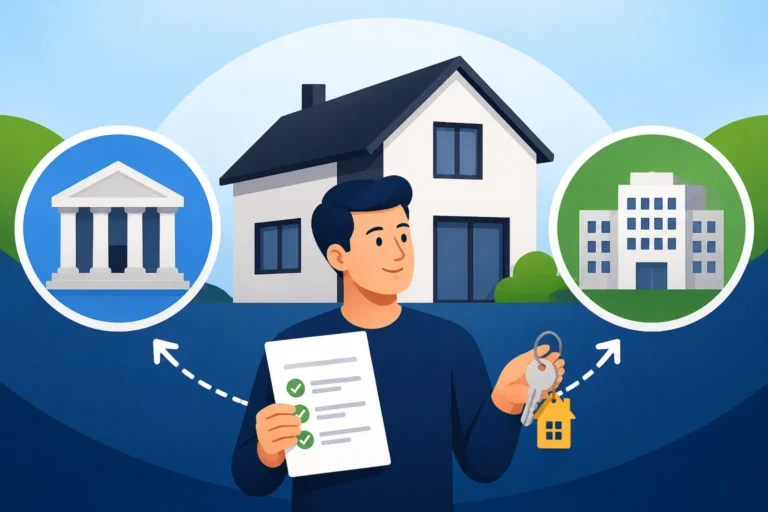
In Germany, you don't just "open a trading account"; you open a Depot. This is the specific term for a securities account where your stocks, ETFs, and bonds live. For a newcomer, the first hurdle is realizing that the German financial system is split between traditional "Filialbanken" (brick-and-mortar banks) and modern "Direktbanken" or "Neo-brokers." When I first arrived, I walked into a local branch only to realize their monthly maintenance fees for a Depot were high enough to wipe out any potential gains from a modest ETF portfolio.
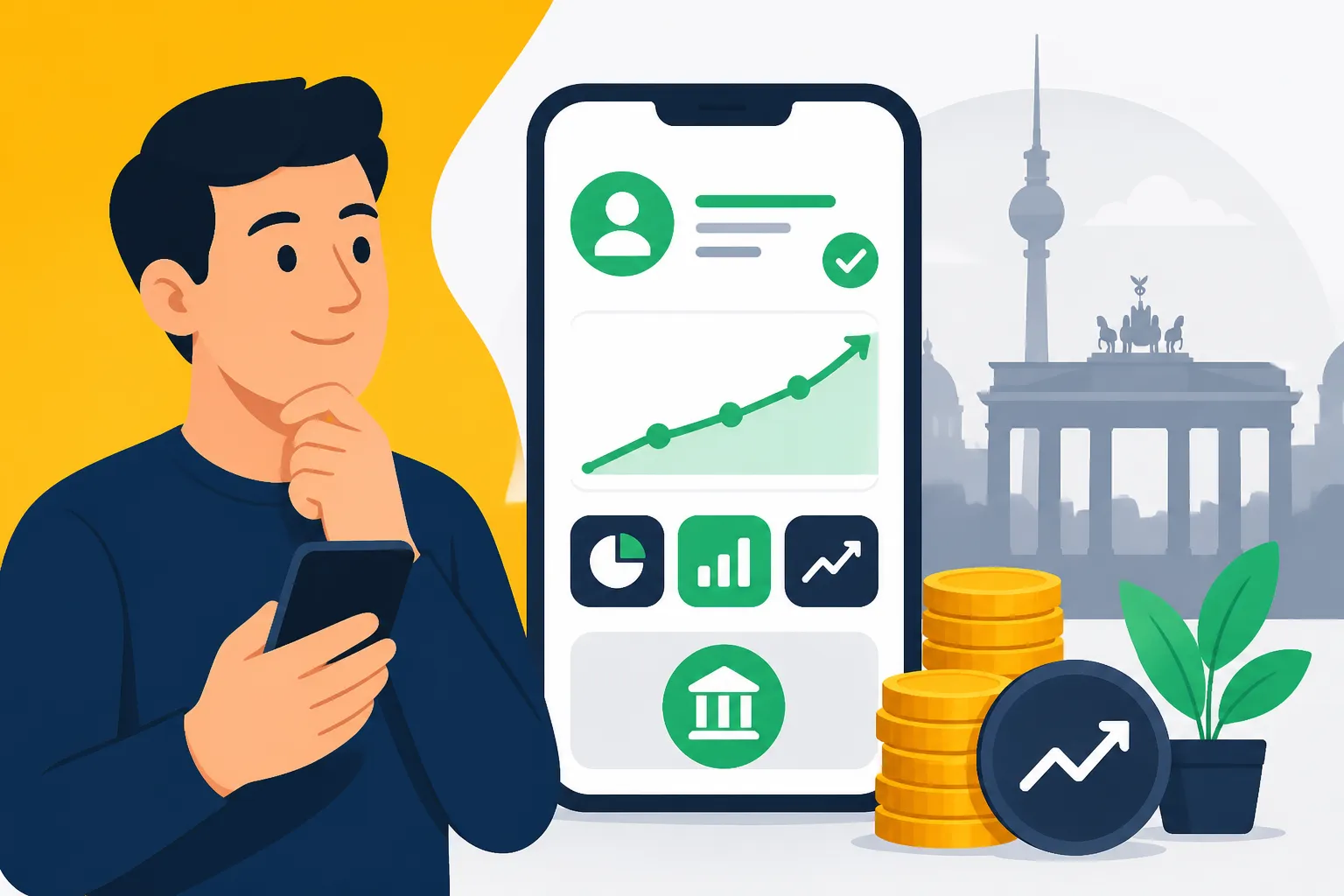
The landscape is changing rapidly. Many expats find that N26 is a great gateway because it offers a simplified investment interface within an app they already use for daily spending. However, if you are looking for a dedicated investment platform, you have to choose between the reliability of a Direktbank like DKB or ING and the ultra-low costs of Neo-brokers like Trade Republic or Scalable Capital.
Traditional banks offer a sense of security and often a wider range of services, but they are notorious for charging a fee per trade that can be as high as €10 or €20. For someone just starting out with a "Sparplan" (savings plan) of €50 a month, those fees are a non-starter. Neo-brokers have revolutionized this by offering trades for €1 or even for free, making it possible for anyone to start Investing and Saving in Germany: Building Wealth as an Expat. The trade-off is often a more limited selection of exchanges and a purely digital customer support experience, which can be stressful if you have a complex question about a dividend payment.
Step-by-Step Guide to Opening Your Depot
The process of opening an account in Germany is deeply tied to your legal residency status. You cannot simply download an app and start trading within five minutes like in some other countries. The German regulator, BaFin, has strict "Know Your Customer" (KYC) requirements. Before you even start the application, make sure you have your Getting Your Tax ID (Steuer-ID) and Tax Class (Steuerklasse) in Germany documents ready. Your 11-digit Tax ID is the most important piece of information you will provide, as it allows the broker to handle your taxes automatically.
Choosing the Right Platform and Starting the Application
Once you’ve selected a broker, the online application will ask for your personal details, your employment status, and your experience with various financial instruments. Be honest about your experience; German law requires brokers to "protect" inexperienced investors by limiting their access to high-risk products like options or leveraged certificates.
After the digital form is submitted, you move to the identification phase. This is where many expats get stuck. Most modern brokers use "VideoIdent." You will enter a video call with an agent who will ask you to tilt your passport in various directions to show the holograms. A pro-tip from my own experience: make sure your lighting is perfect. If the agent cannot see the specific watermarks on your residence permit or passport, they will reject the call, and you'll have to start the queue all over again. If VideoIdent fails, you can use "PostIdent," where you print a coupon and take it to a Deutsche Post branch with your ID. It's slower, but much more reliable if your home internet is spotty.
Funding Your Account and the First Trade
After your identity is verified, it usually takes 2 to 5 business days for the account to be fully activated. You will receive a "Referenzkonto" (reference account) IBAN. This is where you send the money you want to invest. If you are moving money from a non-Euro account, using a service like Wise is often significantly cheaper than a traditional bank transfer, as it avoids the hidden markups on exchange rates. Once the funds land in your Depot, you can set up your first Sparplan. This is a uniquely German and highly effective way to invest, where a set amount is automatically deducted from your bank account every month to buy fractions of an ETF, helping you navigate Budgeting for Life in Germany: Tips to Save Money as an Expat while building long-term wealth.
Navigating German Tax Obligations for Investors
The most significant advantage of opening a local German brokerage account versus keeping one in your home country is the automatic tax handling. Germany uses a system called "Abgeltungsteuer," a flat-rate withholding tax of 25% (plus the Solidaritätszuschlag and potentially church tax) on all capital gains and dividends. If you use a German broker, they calculate this for you and send the money directly to the Finanzamt. This saves you from a massive headache when Filing a Tax Return in Germany: A Guide for Employees and Expats.
Utilizing the Freistellungsauftrag
Every resident in Germany is entitled to a "Sparer-Pauschbetrag," which is a tax-free allowance for investment income. As of 2026, this amount is €1,000 for individuals and €2,000 for married couples filing jointly. You must manually set this "Freistellungsauftrag" within your brokerage app or web portal. If you forget to do this, the broker will tax you from the very first cent of profit you make. I learned this the hard way during my first year and had to wait until my tax return the following year to get that money back. Setting this up is a crucial part of Money Matters in Germany: Complete Financial Guide for Expats.
Complexities with Foreign Dividend Stocks
If you invest in US stocks or other foreign companies, you might encounter "Quellensteuer" (withholding tax) from that specific country. Germany has double taxation treaties with many nations to ensure you aren't taxed twice. Most German brokers handle the paperwork to reduce US withholding tax from 30% to 15% automatically, provided you have filled out the digital equivalent of a W-8BEN form within their platform. If you find these rules confusing, using a tool like Wundertax can help you claim back any overpaid taxes when you file your annual declaration.
| Feature | Traditional Bank (Filialbank) | Neo-Broker (App-based) |
|---|---|---|
| Trading Fees | High (€10 – €25 per trade) | Low (€0 – €1 per trade) |
| ETF Savings Plans | Often €1.50 or 1.5% fee | Usually free or €1 flat |
| Customer Support | In-person and phone | Mostly chat and email |
| Ease of Use | Complex web interfaces | Simplified, mobile-first |
| Tax Handling | Automatic (German brokers) | Automatic (German brokers) |
| Asset Variety | Very wide (Global access) | Sometimes limited to specific exchanges |
Critical Considerations for Non-EU and US Expats
Opening a brokerage account in Germany is not a level playing field for everyone. Your citizenship can play a massive role in which brokers will even allow you to open an account. This is particularly true for US citizens due to the Foreign Account Tax Compliance Act (FATCA). Because of the heavy reporting requirements imposed by the US government on foreign banks, many German Neo-brokers simply refuse to accept US citizens as clients.
If you are an American expat, you will likely need to stick with larger, established Direktbanken like Consorsbank or Comdirect, which have the infrastructure to handle FATCA reporting. Even then, you must be extremely careful about "PFIC" (Passive Foreign Investment Company) rules. Buying a standard European UCITS ETF can lead to punitively high taxes and complex reporting requirements for your US tax return. In these cases, consulting with a specialist like Taxes for Expats is highly recommended to avoid a disastrous IRS audit.
For non-EU citizens from other countries, the main hurdle is often the validity of your residence permit. Most brokers require that your permit be valid for at least another six months at the time of application. If you are on a Job Seeker Visa vs Opportunity Card: Understanding Germany’s Evolving Policies permit that is expiring soon, you might find your application rejected. It is often better to wait until you have a long-term residence permit or an EU Blue Card before applying to ensure a smooth verification process.
Furthermore, consider the "exit tax" implications. If you plan to live in Germany for a few years and then move to another country, you need to know if you can take your Depot with you. While you can usually trigger a "Depotübertrag" (account transfer) to another EU broker, moving your holdings to a non-EU country can be a bureaucratic nightmare. It’s often simpler to sell your positions before you do your Abmeldung: Deregistering When You Leave Germany and Why It Matters, though this will trigger a tax event on your capital gains.
Choosing the right broker is a balance of cost, convenience, and compliance. Whether you are using N26 for a simple start or a dedicated platform for a complex portfolio, taking that first step to move your money out of a stagnant savings account is the most important financial move you can make in Germany.
Disclaimer on Investment and Financial Advice
The information provided in this article is for educational and informational purposes only and does not constitute professional financial, investment, or tax advice. Investing in financial markets involves risk, including the potential loss of principal. Tax laws in Germany are subject to change, and the specific circumstances of your residency and citizenship may affect your obligations. Always conduct your own research or consult with a certified financial advisor or tax professional (Steuerberater) before making significant financial decisions.