How to Reduce Bank Fees in Germany
Few things sting quite like opening your monthly bank statement in Germany only to find a list of "Kontoführungsgebühren" and ATM charges eating away at your hard-earned euros. I’ll never forget the sting of seeing my first German bank statement in Berlin, riddled with small charges for every single SMS-TAN and withdrawal. This guide breaks down exactly how to navigate the German banking system to eliminate these unnecessary costs once and for all.
Disclosure: This post may contain affiliate links. We may earn a commission at no extra cost to you if you make a purchase through these links. Read full disclosure.
Understanding the German Kontoführungsgebühr
In many countries, basic banking is seen as a free utility. In Germany, however, the "Kontoführungsgebühr" (account management fee) is a long-standing tradition that most local banks, especially the ones with physical branches on every corner, refuse to give up. When you first arrive, you might walk into a Sparkasse or a Deutsche Bank because you see their signs everywhere. You assume that a standard account is the way to go, only to find out months later that you are paying anywhere from €5 to €15 every single month just for the privilege of having an IBAN.
These fees often cover the "overhead" of maintaining physical branches and paying staff. While that might have been acceptable in the 1990s, for a modern expat, it is an avoidable drain on your finances. Some traditional banks offer a "free" tier, but they often hide the requirements in the fine print. Usually, you need a minimum monthly deposit (Geldeingang)—often between €700 and €3,000—to waive the fee. If your salary fluctuates or you are a freelancer, missing that threshold by even one euro can trigger the full monthly charge.
Before you sign anything, you need to understand the Understanding the German Banking System: IBAN, SEPA, and More landscape. Many expats fall into the trap of accepting these fees as a "cost of living in Germany," but with the right strategy, you can get that monthly fee down to zero.
Choosing the Right Bank for Your Lifestyle
The most effective way to reduce bank fees is to choose a bank that doesn’t charge them in the first place. Generally, the German banking market is split into two categories: traditional Filialbanken (branch-based banks) and Direktbanken (online-only banks).
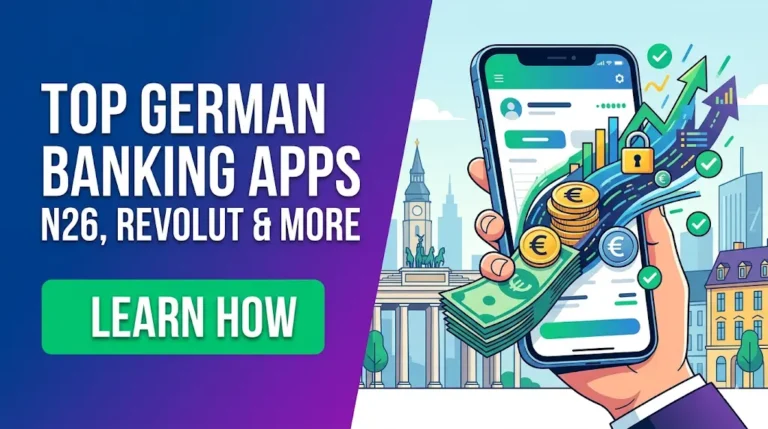
If you rarely need to speak to a person in a suit and are comfortable managing everything via an app, a neobank like N26 is often the gold standard for expats. They offer a basic free account that includes a virtual card and, most importantly, doesn’t charge a monthly maintenance fee regardless of your monthly deposit. This is a massive relief for those still figuring out their How to Read a German Payslip (Gehaltsabrechnung) or waiting for their first paycheck to clear.
However, if you prefer a traditional German bank, you should look for "Online-Konto" options within their portfolio. These are stripped-down versions of their premium accounts. You won't get a dedicated banker, and you’ll likely be charged if you try to perform a transaction at a physical teller window, but the monthly fee will be significantly lower.
| Bank Type | Typical Monthly Fee | Best For | English Support |
|---|---|---|---|
| Traditional (Sparkasse/Volksbank) | €5 – €15 | People who need in-person advice | Very Limited |
| Private (Deutsche Bank/Commerzbank) | €0 – €10 | High-earners or business owners | Moderate |
| Online/Neobanks (N26/DKB) | €0 – €3 | Digital nomads and tech-savvy expats | High |
| Specialized Fintech | €0 (Pay-per-use) | International travelers and freelancers | Excellent |
For many, Best Banks in Germany for Expats: Low Fees and English Support are the ones that balance low costs with a user interface that doesn't require a C1 German certificate to navigate.
Navigating the ATM Jungle and Avoiding Withdrawal Fees
In Germany, cash is still king, even if the pandemic pushed the country toward more card acceptance. You will inevitably find yourself at a kiosk or a small "Kneipe" (pub) that only accepts "Bargeld" (cash). This is where most foreigners lose money without realizing it.
If you have an account with a specific bank, you can usually withdraw money for free from their ATMs. However, if you use an ATM from a different network, you could be hit with a fee of €4.95 or even €7.50 per transaction. To avoid this, you need to understand the ATM collectives:
- The Cash Group: This includes Commerzbank, Deutsche Bank, Postbank, and HypoVereinsbank. If you belong to one, you can use any of the others for free.
- The CashPool: A smaller group including TARGOBANK and Sparda-Bank.
- Sparkassen-Netzwerk: The massive network of red ATMs. They are everywhere, but they only provide free withdrawals for Sparkasse customers.
- Volksbanken und Raiffeisenbanken: Similar to Sparkassen, they have a huge network but are only free for their own members.
A great tip for reducing these fees is to use the "Cashback" service at supermarkets like REWE, Edeka, Penny, or Lidl. If you spend a minimum amount (usually €5 or €10) and pay with your Girocard, you can ask the cashier for "Bargeld auszahlen" and withdraw up to €200 for free. This saves you a trip to a specific ATM and bypasses all withdrawal fees. If you are struggling with Using ATMs in Germany: Tips to Avoid Extra Charges, this supermarket hack will become your best friend.
International Transfers and Currency Exchange
If you are an expat, you likely need to send money back home or pay bills in a different currency. This is where traditional German banks make a massive profit through "hidden" fees. They might claim to have a "flat fee" for international transfers, but they often hide an additional 3% to 5% in a poor exchange rate.
I learned this the hard way when I tried to send my first deposit for a student loan back to the US. My local Sparkasse charged me a €25 "processing fee," and the exchange rate they gave me was nearly 4 cents off the mid-market rate. For a €1,000 transfer, I lost nearly €70 in total.
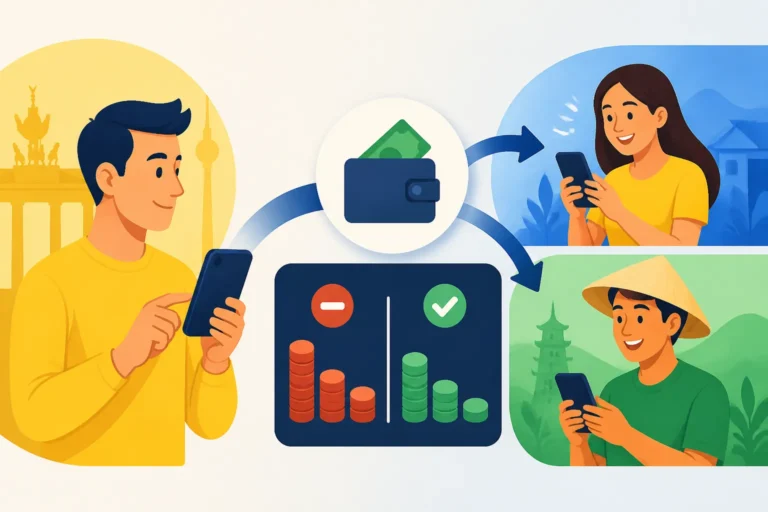
To avoid this, never use your standard German bank for non-EUR transfers. Services like Wise are essential for Transferring Money Internationally: Cheapest Ways to Send Money Abroad. They use the real mid-market exchange rate and charge a small, transparent fee. You simply send a domestic SEPA transfer from your German bank to the service's Euro account, and they handle the rest. This can save you hundreds of euros over a single year.
The Girocard vs. Debit Card Confusion
One unique aspect of German banking is the "Girocard" (often still called an EC-Card). Many expats arrive with a Visa or Mastercard debit card and find it rejected at government offices (Bürgeramt) or small shops. Conversely, many German banks now charge an extra fee—often €1 to €2 per month—if you want a physical Girocard instead of just a standard Debit Mastercard.
While it is tempting to save that €12 a year, living in Germany without a Girocard can be incredibly frustrating. However, you can minimize costs by only having one Girocard per household or using a bank that still includes it for free as part of their "Premium" package if you meet the salary threshold. Understanding Cash vs Card in Germany: What Visitors Should Know is crucial, but as a resident, you need to weigh the "acceptance fee" (the cost of not being able to pay at a shop) against the card fee itself.
Also, keep an eye on "Credit Card" fees. Many German banks will offer you a "Credit Card," but it’s often just a deferred debit card that clears once a month. These often come with a yearly fee of €30 to €60. Unless you specifically need a credit line to help with All About SCHUFA: Building Credit as a Foreigner in Germany, you are better off sticking to a free debit card or a fintech credit card that doesn't have an annual fee.
Bank Fees and Your German Tax Return
Here is a veteran tip that most newcomers miss: many of your bank fees are actually tax-deductible in Germany. If you use your account to receive your salary or pay for work-related expenses, the Finanzamt (Tax Office) allows you to claim a flat rate (Pauschalbetrag) for account management fees.
Currently, you can usually deduct €16 per year without providing any proof of the actual costs. If your fees were higher—for example, if you are a freelancer and your business account costs €15 a month—you can deduct the full amount as a business expense. When you are Filing a Tax Return in Germany: A Guide for Employees and Expats, make sure to include these.
Using a tool like Wundertax or Taxes for Expats can help you identify these small deductions that add up. These platforms are designed for the expat experience and can walk you through the process of reclaiming the money you spent on bank fees, effectively "reducing" them in hindsight. Even if you only save €16, in the world of German bureaucracy, every Euro reclaimed is a small victory.
How to Switch Banks Without the Headaches
If you’ve realized your current bank is a fee-trap, the thought of moving all your "Lastschrift" (direct debits) for rent, internet, and insurance might feel overwhelming. Luckily, German law requires banks to offer a "Kontowechselhilfe" (Account Switching Aid).
When you open a new account, perhaps with a low-fee provider like N26, you can authorize them to contact your old bank. They will automatically pull a list of all your recurring payment partners and notify them of your new IBAN. This service is free and significantly reduces the risk of missing a payment.
Before you close your old account, make sure you have a clear picture of Opening a Bank Account in Germany: Step-by-Step for Newcomers for your new provider. You should keep a small buffer of cash in the old account for at least two months to catch any stray "Lastschrift" that didn't migrate in time. Once you are sure everything is hitting your new, low-fee account, send a formal "Kündigung" (cancellation) letter to your old bank. In Germany, this must usually be done in writing with a physical signature—very old school, but necessary to stop those monthly fees for good.
Summary Checklist for Reducing Fees
- Switch to a "Direktbank" or neobank to eliminate the monthly "Kontoführungsgebühr."
- Ensure your monthly deposit meets the "free" threshold if using a traditional bank.
- Only use ATMs within your bank’s specific network (Cash Group, CashPool, etc.).
- Utilize supermarket "Cashback" for free cash withdrawals.
- Use Wise for any currency exchange or international transfers.
- Check if you are being charged for "Extra" cards you don't use.
- Claim the €16 tax deduction for bank fees on your annual return.
Navigating the Understanding Your German Payslip: Gross vs Net Salary Explained process is hard enough without your bank taking a slice of the pie before you even see it. By being proactive and choosing modern financial tools, you can ensure your money stays where it belongs: in your pocket.
Disclaimer
This article provides general information and personal insights into the German banking system. I am a veteran expat, not a licensed financial advisor or tax consultant. Banking terms, fees, and tax laws in Germany change frequently. Always verify current fees with your specific bank and consult with a professional tax advisor (Steuerberater) for personalized financial or tax advice.