Travel Insurance for Expats: When and How to Use It
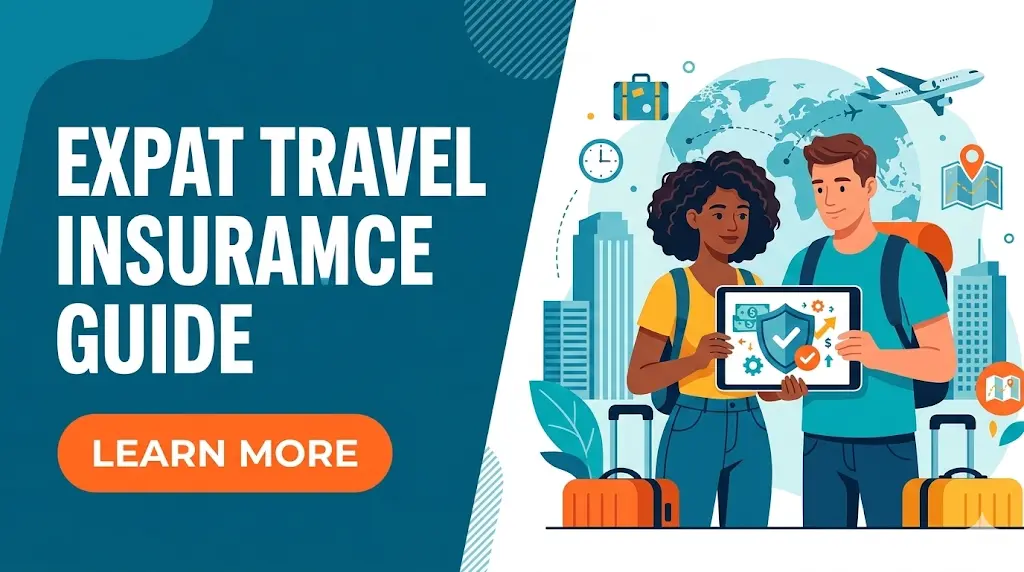
Navigating travel insurance as an expat in Germany involves understanding the distinct gaps between your statutory health coverage and international requirements. This comprehensive guide explores policy selection, coverage nuances, and effective claim strategies for global peace of mind.
Disclosure: This post may contain affiliate links. We may earn a commission at no extra cost to you if you make a purchase through these links. Read full disclosure.
Understanding Travel Insurance Needs for Expats in Germany
The Difference Between Statutory Health Coverage and Travel Insurance
When you relocate to Germany, one of the first and most critical steps is securing local health insurance. The German healthcare system is highly regarded worldwide, offering extensive medical coverage through either public or private providers. However, expats often misunderstand the geographical limits of these domestic policies. Standard German health insurance is designed primarily to cover medical expenses incurred within the borders of Germany. While the European Health Insurance Card provides some level of baseline coverage within the European Union, it is not a substitute for comprehensive travel insurance.
Travel insurance serves a fundamentally different purpose than your standard health policy. While domestic health insurance focuses on routine care, preventative medicine, and long-term treatments, travel insurance is inherently designed for acute, unexpected emergencies that occur outside of your country of residence. This includes sudden illnesses, accidents, and a variety of non-medical travel disruptions. Understanding this distinction is the cornerstone of responsible travel planning for any expat living in Germany. Relying solely on your German health insurance when crossing international borders exposes you to significant financial and logistical risks.
Furthermore, the mechanics of how these insurances operate are quite distinct. In Germany, your statutory health insurance generally uses a direct billing system where your provider settles the costs directly with the hospital or doctor. In contrast, travel insurance often requires you to pay out of pocket initially and seek reimbursement later, especially for minor out-patient treatments. For major emergencies, comprehensive travel insurance providers offer 24-hour assistance hotlines to arrange direct payments, but this requires specialized international networks that domestic German insurers simply do not maintain. For more context on the domestic system, you might want to read about Health Insurance in Germany: Understanding Public vs Private Coverage.
The European Health Insurance Card, issued automatically with your German public health insurance, only covers medically necessary, state-provided healthcare during a temporary stay in another European Economic Area country. It does not cover private healthcare costs, nor does it guarantee that services will be completely free, as the healthcare systems vary wildly from country to country. Travel insurance steps in to bridge these gaps, ensuring that whether you are seeking treatment in a state facility in Spain or a private clinic in Thailand, your financial liability is minimized.
Identifying When Standard German Insurance Falls Short
One of the most critical areas where standard German health insurance falls short is medical repatriation. If you suffer a severe injury or illness abroad and require specialized medical transport back to Germany, the costs can be astronomical. A specialized air ambulance from Asia or the Americas to Germany can easily exceed tens of thousands of euros. Neither the German public health system nor the European Health Insurance Card will cover the costs of medical evacuation or repatriation. This specific vulnerability is a primary reason why travel insurance is an absolute necessity for expats who frequently travel outside of Germany.
Another significant shortfall of domestic insurance relates to non-medical travel emergencies. Standard health policies offer zero protection against the logistical nightmares of travel, such as flight cancellations, significant delays, or lost baggage. For an expat managing a busy lifestyle, a canceled flight can result in missed business meetings, lost pre-paid hotel reservations, and immense stress. Travel insurance provides a financial safety net for these exact scenarios, reimbursing you for non-refundable expenses when your trip is derailed by covered reasons beyond your control. When dealing with these unexpected costs, managing your international funds efficiently through platforms like Wise can be incredibly helpful to avoid steep foreign transaction fees.
Deductibles and co-payments present another area of concern. Even within the European Union, utilizing your European Health Insurance Card means you are subject to the same co-payments and fees as the local residents of the country you are visiting. In some European countries, these out-of-pocket costs can be substantial for certain procedures or hospital stays. A robust travel insurance policy often covers these supplementary costs, ensuring that an unexpected hospital visit does not completely derail your financial planning. This is especially vital for expats who may be traveling on a strict budget.
Lastly, the duration of your trip can severely impact the effectiveness of any domestic coverage. Many German private health insurance policies have strict limitations on how long you can be covered while outside of the country, typically capping at one to three months. If you are an expat taking an extended sabbatical, working remotely from a different continent, or embarking on a long backpacking trip, your domestic policy will eventually lapse in its international validity. Dedicated travel insurance policies can be tailored to cover extended trips, providing continuous protection for the entire duration of your time away from Germany. If you are just starting to understand your domestic options, consider reviewing How to Get Health Insurance in Germany: Step-by-Step for Newcomers.
Scenarios Where Specialized Travel Coverage is Essential
Expats living in Germany often take advantage of the country’s central location in Europe to engage in adventure sports and high-risk activities. Whether it is skiing in the Austrian Alps, scuba diving in the Mediterranean, or mountain biking in Switzerland, these activities carry an elevated risk of injury. Standard German health insurance might cover the medical treatment if the injury occurs within the EU, but it will certainly not cover the costs of a mountain rescue operation or a helicopter airlift from a ski slope. Specialized travel insurance, specifically tailored to include winter sports or adventure activities, is essential for covering these high-cost emergency rescue services.
Another common scenario for expats is traveling back to their home country. Many expats mistakenly assume that because they are a citizen of their home country, they will automatically be entitled to free or subsidized healthcare there. However, residency often dictates healthcare entitlement. Once you establish residency in Germany and transition to the German healthcare system, you may lose your immediate access to public healthcare in your home country. Therefore, when visiting home for the holidays or family events, expats must secure travel insurance to ensure they are covered for any medical emergencies that occur during their visit.
Business travel introduces its own set of unique challenges that necessitate specialized coverage. Expats who travel frequently for work face increased risks of trip interruptions, lost business equipment, and complicated itinerary changes. While some employers provide corporate travel insurance, it is crucial for expats to review these policies carefully to ensure they meet their personal needs. If the corporate policy is insufficient, supplementing it with a personal travel insurance plan is a wise decision to protect personal assets and ensure peace of mind during demanding business trips.
Cruising and traveling to remote locations represent perhaps the most critical scenarios requiring specialized travel insurance. Medical facilities on cruise ships are notoriously expensive and are rarely covered by domestic health plans. Furthermore, if a serious medical emergency occurs at sea, the patient must be evacuated to the nearest suitable land-based hospital, an operation that is exceptionally costly. Similarly, traveling to remote destinations with limited medical infrastructure means that any serious illness will require immediate medical evacuation to a more developed healthcare system. In these situations, comprehensive travel insurance is quite literally a lifesaver.
Key Components of an Effective Expat Travel Policy
Medical Evacuation and Repatriation Benefits
Medical evacuation and repatriation benefits are arguably the most critical components of any travel insurance policy. Medical evacuation refers to the transportation of a patient to the nearest medical facility capable of providing appropriate care when local facilities are inadequate. For expats traveling in developing nations or remote areas, local clinics may lack the necessary equipment or expertise to handle severe trauma or complex illnesses. In these life-threatening situations, the insurance provider coordinates and funds an immediate transfer, often via helicopter or specialized air ambulance, to a facility that can deliver life-saving treatment.
Repatriation, on the other hand, involves transporting the insured individual back to their home country—in this case, their country of residence, Germany—once they are medically stable but require ongoing care or recovery. This process must be meticulously coordinated between the international treating hospital, the insurance company’s medical team, and the receiving medical facility in Germany.
It is also vital to understand the nuances of repatriation of remains. In the tragic event of a death abroad, the bureaucratic and logistical hurdles of returning the deceased to Germany, or their original home country, are overwhelming for grieving families. A comprehensive travel insurance policy handles the intricate coordination with local authorities, embassies, and transport services, while fully covering the exorbitant costs associated with preparing and transporting the remains. This benefit provides immeasurable relief to families during an incredibly difficult time.
When evaluating these benefits, expats must scrutinize the policy wording to understand who makes the final decision regarding evacuation and repatriation. High-quality policies clearly state that the insurance company’s medical director, in consultation with the local attending physician, will determine the necessity and destination of an evacuation. The policy should guarantee that the patient will be transported to a facility capable of providing the required standard of care, rather than simply the closest facility, ensuring the best possible medical outcome.
Trip Cancellation and Interruption Protection
Trip cancellation protection is designed to reimburse you for non-refundable, pre-paid travel expenses if you are forced to cancel your trip before departure due to a covered reason. For expats planning expensive holidays or complex international journeys, a significant amount of capital is often tied up in flights, accommodations, and tour bookings long before the departure date. Covered reasons for cancellation typically include the sudden illness or injury of the insured, a traveling companion, or a close family member, as well as severe weather events or sudden job loss. This financial protection ensures that an unexpected personal crisis does not also result in a devastating financial loss.
Trip interruption coverage functions similarly but applies after you have already departed on your journey. If a covered emergency forces you to cut your trip short and return to Germany prematurely, trip interruption benefits reimburse you for the unused, non-refundable portion of your trip. Additionally, this coverage often covers the elevated costs of purchasing last-minute, one-way tickets back home. This is particularly relevant for expats who may receive urgent news from their home country requiring their immediate return, highlighting the unpredictable nature of living a globally connected life.
It is crucial to carefully review the specific list of covered reasons for cancellation and interruption, as these can vary significantly between insurance providers. Exclusions are common; for instance, canceling a trip simply because you changed your mind or because you are afraid to travel due to a publicized event is rarely covered under standard policies. Some providers offer a premium “Cancel for Any Reason” (CFAR) upgrade, which provides maximum flexibility by allowing you to cancel your trip for literally any reason and receive a partial reimbursement, typically around seventy-five percent of your pre-paid costs.
When filing a claim for trip cancellation or interruption, rigorous documentation is required. Insurance companies will demand official proof of the reason for cancellation, such as a detailed medical certificate from a doctor explicitly advising against travel, or an official notice of termination from an employer. Maintaining meticulous records of all booking confirmations, receipts, and cancellation invoices is essential. Managing these international bookings and potential refunds is often streamlined by utilizing modern digital banking solutions like N26 or Wise, which provide clear, easily exportable transaction histories.
Baggage Loss and Personal Liability Features
Baggage loss, damage, and delay coverage offer a crucial layer of security for expats traveling with valuable personal belongings. If your checked luggage is permanently lost or stolen while under the care of a common carrier, the insurance policy provides reimbursement up to a specified limit to replace your clothing and personal items. Similarly, if your baggage is significantly delayed—usually for more than twelve or twenty-four hours—the policy will reimburse you for the purchase of essential items, such as toiletries and a change of clothes, allowing you to continue your trip with minimal disruption.
Personal liability coverage is an often-overlooked but incredibly important feature of a comprehensive travel policy. This component protects you financially if you accidentally cause bodily injury to a third party or damage to their property while traveling abroad. For example, if you accidentally injure a skier on the slopes in Switzerland or inadvertently damage expensive merchandise in a boutique in Paris, personal liability coverage will cover the legal defense costs and any resulting settlement or judgment against you. This protection is vital, as legal systems and liability laws vary drastically worldwide.
When assessing baggage coverage, expats must pay close attention to the per-item limits and specific exclusions for high-value items. Most standard policies place strict monetary caps on the reimbursement for individual items, which may not fully cover the cost of expensive electronics, jewelry, or professional photography equipment. If you regularly travel with high-value gear, you may need to purchase an additional rider or seek out specialized equipment insurance to ensure full protection. Understanding the limits of your domestic coverage is also helpful; reading Private Health Insurance in Germany: Benefits, Costs, and Eligibility can provide a baseline for your domestic asset protection.
Navigating baggage claims often involves a dual process. You must first file a formal report with the airline or transportation provider and seek maximum compensation directly from them. Travel insurance typically acts as secondary coverage, filling in the financial gaps after the airline has paid its required compensation. Providing the insurance company with the official Property Irregularity Report (PIR) from the airline, along with original purchase receipts for the lost items, is essential for a successful claim.
How to Choose the Right Insurance Provider
Assessing Global Coverage Limits and Exclusions
Selecting the right travel insurance provider begins with a meticulous assessment of the policy’s global coverage limits and specifically documented exclusions. The overarching maximum limit for medical expenses is a paramount consideration. For travel within regions with exceptionally high healthcare costs, such as the United States or Canada, a medical limit of at least one million euros is highly recommended. For travel within Europe or developing nations, lower limits may be acceptable, but expats should err on the side of caution to protect themselves against catastrophic medical bills.
Exclusions are the specific conditions and scenarios that the insurance company explicitly refuses to cover. Pre-existing medical conditions are the most common and complex exclusion. Standard policies generally do not cover medical expenses related to an illness or injury that existed prior to the policy’s effective date. However, many premium providers offer waivers for pre-existing conditions if the policy is purchased within a specific timeframe after the initial trip deposit, provided the insured is medically cleared to travel at the time of purchase. Understanding this nuance is critical for expats managing chronic health conditions.
Geographical exclusions must also be carefully reviewed. Many insurance providers automatically exclude coverage for travel to countries or specific regions that are under active travel warnings or advisories issued by the German Federal Foreign Office (Auswärtiges Amt). If you are an expat traveling to politically unstable regions or areas experiencing natural disasters, your standard travel insurance policy may be completely voided upon entry. Specialized, high-risk travel insurance is required for journeys to these restricted zones.
Furthermore, age limits and activity restrictions play a significant role in policy validity. Many providers have stringent age cut-offs, significantly reducing coverage limits or increasing premiums for travelers over a certain age. Similarly, participation in extreme sports, competitive athletics, or manual labor while abroad is typically excluded from standard policies. Expats must honestly assess their planned itinerary and ensure that all intended activities, from scuba diving to amateur motorcycling, are explicitly covered, purchasing necessary add-ons if required.
Comparing Annual Multi-Trip vs Single-Trip Policies
For expats living in Germany, determining whether to purchase an annual multi-trip policy or a single-trip policy depends entirely on travel frequency and duration. Single-trip policies are precisely what they sound like: they provide coverage for one specific journey from the date of departure until the date of return to Germany. These policies are ideal for expats who take one or two significant, well-planned vacations per year. The premium is calculated based on the exact duration of the trip, the destination, and the age of the traveler, making it a cost-effective option for infrequent travelers.
Annual multi-trip policies, conversely, provide continuous coverage for an unlimited number of trips taken within a twelve-month period. For expats who travel frequently for business, take multiple weekend city breaks across Europe, or regularly visit their home country, an annual policy is remarkably convenient and financially advantageous. It eliminates the administrative burden of purchasing a new policy before every border crossing, ensuring that you are always protected against unexpected travel disruptions and medical emergencies. If you want to dive deeper into the basics of German living, Healthcare in Germany: A Comprehensive Guide for Expats is a good starting point.
| Feature | Single-Trip Policy | Annual Multi-Trip Policy |
| Best For | Infrequent travelers (1-2 trips/year) | Frequent travelers, business expats |
| Cost Structure | Priced per specific trip duration | Flat annual premium |
| Trip Duration Limit | Can cover long, extended single trips | Usually capped per trip (e.g., 30-60 days) |
| Flexibility | Rigid dates required upfront | High flexibility for spontaneous travel |
The financial break-even point between these two options typically occurs around the third or fourth trip of the year. However, a critical limitation of annual multi-trip policies is the maximum duration limit per individual trip. Most annual policies restrict coverage to trips lasting no more than thirty to sixty consecutive days. If an expat plans to take a three-month sabbatical to Southeast Asia, an annual policy will not cover the entirety of that specific journey, necessitating the purchase of a dedicated long-stay or backpacker single-trip policy for that extended absence.
Flexibility is the ultimate advantage of the annual multi-trip policy. Expats in Germany often benefit from affordable flights and excellent train connections across the continent, leading to highly spontaneous travel decisions. With an annual policy securely in place, you can book a last-minute weekend getaway to Rome or a quick business trip to London without the added stress of researching and purchasing travel insurance on short notice. It provides a foundational layer of security for an active, globally mobile lifestyle.
Evaluating the Claims Process and Customer Support
The true value of a travel insurance policy is only realized when you need to file a claim or seek urgent assistance. Therefore, evaluating the provider’s claims process and customer support infrastructure is just as critical as analyzing the coverage limits. A robust, 24/7 international assistance hotline is non-negotiable. In the midst of a medical emergency in a foreign country, you need immediate access to a team of multilingual professionals who can coordinate with local hospitals, arrange direct billing, and provide crucial medical translation services.
Language barriers can significantly complicate emergency situations. Ensure that the insurance provider guarantees access to German or English-speaking representatives, depending on your preference, regardless of the time zone from which you are calling. The ability to communicate clearly and effectively with the insurance company’s medical team ensures that you receive the appropriate standard of care and that all necessary administrative protocols are followed to guarantee coverage.
The efficiency of the actual claims reimbursement process is another major consideration. Modern, forward-thinking insurance providers offer streamlined digital claims platforms, allowing travelers to submit documentation, upload photos of receipts, and track the status of their claims directly through a secure mobile app or online portal. This digital approach is vastly superior to outdated systems requiring the physical mailing of paper documents, which can lead to extended delays and lost paperwork. Having access to your financial accounts seamlessly worldwide is also key, and using a secure connection like NordVPN ensures your banking data remains safe when uploading claims via public hotel Wi-Fi.
Finally, researching independent reviews and the overall reputation of the insurance provider offers valuable insights into their actual performance. Look for feedback specifically regarding how the company handles complex medical evacuations or large trip cancellation claims. A provider that consistently receives praise for fair, transparent, and prompt claims settlements is worth a slightly higher premium compared to a budget provider notorious for denying valid claims based on obscure technicalities.
Navigating the Claims Process While Abroad
Immediate Steps to Take During an Emergency
When a medical emergency strikes while traveling abroad, the immediate priority is always securing your physical safety and seeking appropriate medical attention. Do not delay necessary, life-saving care to contact the insurance company. However, once the situation is stabilized, contacting the insurance provider’s 24/7 assistance hotline must be your very next step. Most policies strictly require that you notify them within a specific timeframe—often 24 to 48 hours—of any hospital admission or significant medical event. Failure to do so can result in a denial of coverage.
The assistance hotline serves as your primary lifeline. The representatives will open a case file, confirm your coverage details, and begin coordinating directly with the treating medical facility. In many cases involving hospital admissions, the insurance company can establish a “Guarantee of Payment” directly with the hospital, ensuring that you do not have to pay exorbitant medical bills out of pocket. This direct billing process is crucial, as hospital costs in many parts of the world can instantly exceed the limits of a personal credit card.
For minor out-patient treatments, such as visiting a local doctor for a severe cold or a minor sprain, direct billing is rarely available. In these instances, you will typically be required to pay the medical provider directly at the time of service and file a claim for reimbursement later. Before leaving the clinic, ensure you collect all necessary documentation, including a detailed medical report containing the diagnosis, an itemized invoice of the services rendered, and official receipts proving payment.
Managing these unexpected out-of-pocket expenses requires reliable access to your financial resources. Expats often utilize modern financial tools and multi-currency accounts to facilitate seamless international transactions. Using platforms such as Wise or Interactive Brokers allows you to manage currency conversions efficiently and pay medical bills without incurring punishing foreign exchange markups from traditional banks. Always ensure you retain the transaction records from these platforms, as they serve as valid proof of payment during the claims process.
Documenting Incidents for Successful Reimbursement
Thorough and meticulous documentation is the absolute foundation of any successful travel insurance claim. Insurance companies operate on the principle of verifiable proof; they cannot reimburse you simply based on your word. For baggage loss, theft, or damage, the most critical document is an official police report. If your belongings are stolen, you must report the crime to the local authorities immediately, typically within 24 hours of the incident, and secure a written copy of the report. Without a police report, theft claims are almost universally denied.
For medical claims, the required documentation is extensive. You must provide the official medical reports detailing the diagnosis and treatment plan, itemized invoices showing the exact cost of each procedure or medication, and the corresponding payment receipts. Furthermore, if you are claiming trip interruption due to a medical emergency, you will need a formal certificate from the attending physician explicitly stating that you are unfit to continue your travels and must return home. Ensure all documents are signed and stamped by the medical facility.
Organizing these files digitally while on the road prevents the loss of crucial evidence. Take clear, high-resolution photographs of every single document, receipt, and report the moment you receive it. Create a dedicated folder on your smartphone or cloud storage specifically for insurance documentation. When accessing banking portals to verify payments via N26 or other financial apps, always utilize a secure connection, such as NordVPN, to protect your sensitive financial data from potential interception on unsecure public Wi-Fi networks.
When submitting the final claim, provide a clear, chronological narrative of the events, referencing the attached documentation. Make it as easy as possible for the claims adjuster to understand what happened, why the expenses were incurred, and how they align with the terms of your policy. Submitting a messy, incomplete, or disorganized claim file will inevitably lead to lengthy delays, requests for additional information, and a significantly higher probability of the claim being contested or denied.
Common Pitfalls That Lead to Claim Denials
Understanding the common pitfalls that lead to claim denials allows expats to proactively avoid these costly mistakes. The most frequent reason for denial is delayed reporting. Insurance policies stipulate strict deadlines for notifying the provider of an emergency, reporting a theft to the police, and filing the final claim documentation. Missing these deadlines, even by a few days, provides the insurance company with grounds to reject the claim entirely, regardless of the validity of the incident itself.
A lack of comprehensive documentation is another leading cause of rejected claims. Submitting a credit card statement showing a payment to a pharmacy is insufficient; the insurance company requires the detailed, itemized receipt from the pharmacy outlining exactly what medications were purchased, alongside the doctor’s prescription necessitating those specific drugs. Similarly, claiming the loss of an expensive laptop without providing the original purchase receipt to prove ownership and value will likely result in a heavily depreciated settlement or outright denial.
Crucially, standard travel insurance policies universally exclude coverage for incidents resulting from reckless behavior or the influence of intoxicating substances. If you are injured in an accident and medical records indicate a high blood alcohol content, or if a police report notes that illegal drugs were involved, the insurance company will categorically deny the medical and liability claims. Policies are designed to protect against unforeseen accidents, not the consequences of intentional risk-taking or impaired judgment.
Finally, seeking non-emergency medical treatment without prior authorization from the insurance provider can lead to complications. While you should never delay life-saving emergency care, for non-urgent procedures or ongoing treatments, the insurance company’s medical team must approve the course of action and the chosen medical facility. Proceeding with elective or non-urgent surgeries abroad without explicit authorization will result in a denied claim, leaving you solely responsible for the entire financial burden.
References
Primary sources (official)
- Federal Foreign Office (Auswärtiges Amt): Provides official travel warnings and safety advice for German residents traveling abroad. https://www.auswaertiges-amt.de/en/
- Federal Ministry of Health (Bundesministerium für Gesundheit): Offers official guidance on statutory health insurance and European Health Insurance Card (EHIC) coverage. https://www.bundesgesundheitsministerium.de/en/en.html
Other helpful sources
- BaFin (Federal Financial Supervisory Authority): The regulatory body overseeing insurance companies operating within Germany, providing consumer protection information. https://www.bafin.de/EN/Homepage/homepage_node.html
- European Commission – EHIC: Detailed rules and limitations regarding the use of the European Health Insurance Card across member states. https://ec.europa.eu/social/main.jsp?catId=559
Disclaimer
The information provided in this article is for general informational and educational purposes only and does not constitute professional financial, legal, or insurance advice. While we strive to provide accurate and up-to-date information tailored for expats in Germany, insurance policies, terms, and conditions vary widely by provider and individual circumstances. Always read the specific terms, conditions, and exclusions of any insurance policy carefully before purchasing. We recommend consulting with a licensed, independent insurance broker to discuss your personal requirements and ensure you have appropriate coverage for your international travels.