What to Do in a Medical Emergency in Germany (112 vs 116117)
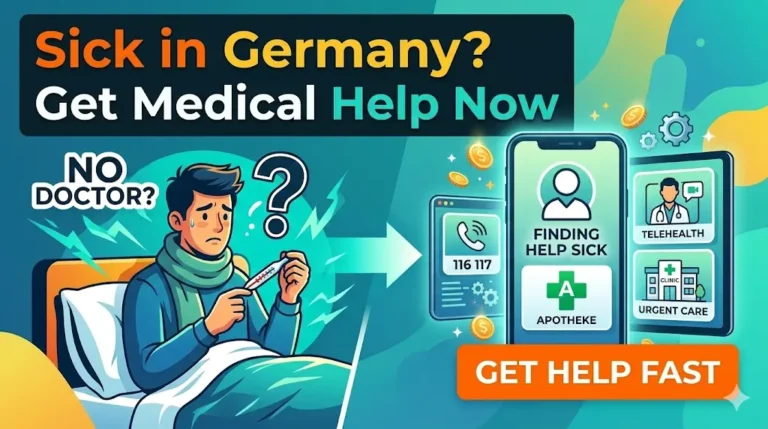
Waking up at 3 AM with searing abdominal pain or a child with a high fever is terrifying enough without the paralyzing fear of navigating the German medical system. I once spent twenty minutes frantically Googling while my partner was doubled over in pain because I didn't want to call the "wrong" number and get a lecture from a dispatcher. This guide clarifies exactly when to use 112 versus 116117 so you can act fast and get the care you need without the unnecessary stress.
Disclosure: This post may contain affiliate links. We may earn a commission at no extra cost to you if you make a purchase through these links. Read full disclosure.
Understanding the Primary Emergency Numbers in Germany
The German healthcare system is incredibly efficient, but it relies on you knowing where you fit into the triage process. Unlike some countries where the emergency room is the "catch-all" for any health issue after 5 PM, Germany has a bifurcated system designed to keep hospital corridors clear for actual life-and-death situations. When you are in a crisis, the first hurdle is deciding which of the two major numbers to dial. Using the wrong one isn't a crime, but it can lead to long wait times or being told to call the other service anyway.
The Life and Death Hotline 112
The number 112 is the universal emergency number across the European Union, and in Germany, it connects you to the Rettungsdienst (emergency medical services) and the fire department. You should dial 112 only when there is an immediate threat to life or limb. This includes scenarios like suspected heart attacks, strokes, severe accidents, heavy bleeding, or unconsciousness. For a deeper look at the logistics, you might want to read about Ambulance and Emergency Services: Understanding How 112 Works.
When you call 112, the dispatcher will ask the "Five Ws": Who is calling, where are you, what happened, how many people are involved, and wait for further questions. Do not hang up until they tell you to. It is a common misconception that 112 is just for "an ambulance." In many cases, if the situation sounds dire, they will dispatch a Notarzt (emergency doctor) in a separate high-speed vehicle to meet the ambulance at your location. This ensures you get physician-level care before you even reach the hospital.
The Non Life Threatening After Hours Service 116117
If your situation is urgent but not life-threatening—think of a nasty flu, a persistent high fever, a painful ear infection, or a minor cut that might need a few stitches—the number to call is 116117. This is the ärztlicher Bereitschaftsdienst (on-call medical service). It is specifically designed for times when your regular Finding a Doctor (Hausarzt) in Germany: How to Choose and Register is closed, such as nights, weekends, and public holidays.
I remember the first time I used 116117; I was surprised to find they could even send a doctor to my apartment if I was too sick to travel. They also maintain a list of How to Use the 116117 Service to Find Care in Germany and can direct you to the nearest "on-call" practice. These are often located near or within hospitals but are separate from the main emergency room. Using this service helps ensure that the actual ER remains available for trauma cases and heart attacks.
When to Choose Which Service
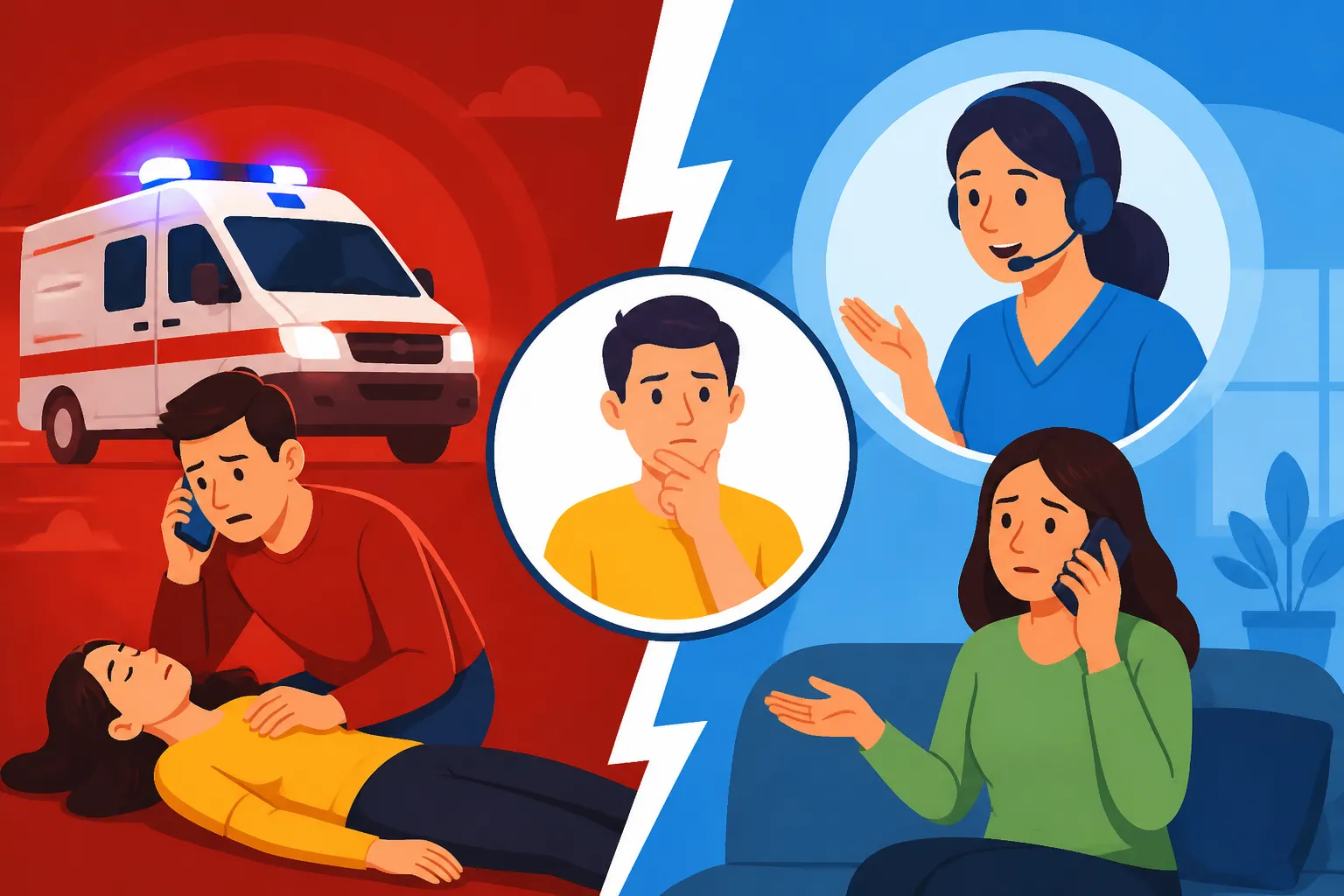
To make this easier to remember when you're in a panic, think of 112 as the "Ambulance/Fire" button and 116117 as the "Doctor on Duty" button. If you could wait until Monday morning to see your GP but the pain is too much to bear right now, 116117 is your friend. If someone is not breathing or is unresponsive, 112 is the only option. Companies like Feather Insurance often emphasize the importance of knowing these distinctions to their members, as it helps streamline the claims process later.
| Feature | 112 (Emergency Services) | 116117 (On-Call Service) |
|---|---|---|
| Urgency | Life-threatening / Critical | Urgent but stable / Non-critical |
| Typical Scenarios | Unconsciousness, Chest Pain, Heavy Bleeding | High Fever, Vomiting, Minor Injuries |
| Response | Ambulance (RTW) and/or Emergency Doctor (NEF) | Advice, referral to on-call clinic, or home visit |
| Cost | Covered by insurance (may have a €10 co-pay) | Covered by insurance (standard doctor visit) |
| Availability | 24/7, Immediate dispatch | 24/7 (focused on after-hours and weekends) |
Navigating the Notaufnahme and On-Call Clinics
If you decide to skip the phone call and head straight to a facility, you need to know where you are going. Driving to the nearest hospital is a natural instinct, but in Germany, not every hospital entrance is the same. The Notaufnahme is the Emergency Department, and it is governed by a strict triage system. If you walk in with a sore throat, you will likely sit in the waiting room for six hours while the staff treats car accident victims and stroke patients.
What to Expect at the Hospital Emergency Room
When you arrive at a Notaufnahme, the first step is usually the "Manchester Triage System." A nurse will assess you within minutes of your arrival and assign you a color code based on your urgency. Red means immediate treatment, while green or blue means you could be waiting for a very long time. For more details on the hospital experience, check out Hospitals in Germany: What to Expect for Inpatient and Emergency Care.
One thing that often shocks expats is the directness of the staff. They aren't being rude; they are just incredibly focused on efficiency. You will need to provide your health insurance card (Gesundheitskarte) immediately. If you have private insurance through a provider like ottonova, you might have access to a digital concierge or a 24/7 hotline that can help translate your symptoms or find the best clinic for your specific needs before you even leave your house.
Finding a Bereitschaftsdienst On Call Clinic
For those situations that aren't life-threatening but need a doctor's eyes today, look for a Notfallpraxis or Bereitschaftsdienstpraxis. These are the physical locations for the 116117 service. They are staffed by local GPs who take turns doing the weekend and night shifts. They are fully equipped to handle most urgent care needs, including basic X-rays or blood tests.
The beauty of these clinics is that they are much faster than the ER for minor issues. I’ve found that using the 116117 app is often the easiest way to find the one closest to you. If you are a traveler or a new arrival using a service like SafetyWing, make sure you keep your policy details handy, as these clinics will still need to know how the visit will be billed. It’s always better to go to a specialized on-call clinic for a sprained wrist than to take up space in a trauma center.
Emergency Pharmacies and the Notdienst
Sometimes the emergency isn't a doctor's visit, but a prescription that needs to be filled on a Sunday when everything in Germany is famously shut down. Every city has a rotating Emergency Pharmacy Finder: Getting Medicine After Hours in Germany system. You can look for the sign in the window of any pharmacy; it will list the addresses of the nearest shops that are open for the "Notdienst" (emergency service).
Be prepared to pay a small "emergency fee" (usually around €2.50) for prescriptions filled during these off-hours. This is a small price to pay for access to medication when you're in a pinch. If you're unsure how to navigate this, Pharmacies in Germany (Apotheke): How to Get Medication and Advice provides a full breakdown of what to look for, including the glowing red "A" sign that signifies a pharmacy.
Practical Tips for Communication and Documentation
One of the biggest hurdles for expats is the language barrier. While many doctors in major cities like Berlin, Munich, or Frankfurt speak excellent English, the paramedics or the receptionists at a busy city hospital might not. In a high-stress Medical Emergencies: What to Do and Where to Go in Germany, your German skills might suddenly evaporate.
Overcoming the Language Barrier in Emergencies
If you don't speak German, try to have a "cheat sheet" on your fridge with your address, your health insurance provider, and a list of any allergies or chronic conditions you have. Phrases like "Ich habe einen Notfall" (I have an emergency) or "Ich brauche einen Krankenwagen" (I need an ambulance) are vital. For more help, see Seeing a Doctor Who Doesn’t Speak English: Tips for Overcoming Language Barriers.
If you are using a tech-forward insurance provider like ottonova, you can often use their app to speak with a doctor in English via video call first. They can tell you exactly what to say to the emergency services or even help facilitate the communication. If you are on your own, don't be afraid to use a translation app, but keep your sentences short and focused on the symptoms: "Schmerzen" (pain), "Blutung" (bleeding), or "Atemnot" (difficulty breathing).
Insurance and Paperwork: What to Bring
In Germany, your health insurance card is your passport to the medical world. Never leave home without it. Even in a dire emergency, the hospital will eventually ask for it. If you have Health Insurance in Germany: Understanding Public vs Private Coverage, the process varies slightly. Public patients just swipe their card. Private patients may be asked to sign a document agreeing to pay the bill, which they then submit to their insurance for reimbursement.
Expats using Feather Insurance often appreciate that the company handles much of the "back-end" bureaucracy, but in the moment of the emergency, you still need to be the one with the documents. If you are a digital nomad on a plan like SafetyWing, make sure you have a printed copy of your insurance certificate or a saved PDF on your phone that clearly shows the policy number and the contact for the "claims administrator."
The Importance of the Arztbrief
Before you leave the hospital or the on-call clinic, make sure you receive an Arztbrief (doctor’s letter). This is a summary of the diagnosis, the treatment you received, and any medications prescribed. You will need to give this to your regular GP so they can follow up on your care. It is also a crucial piece of documentation for your insurance company, especially if you are claiming back costs for an ambulance ride or specialized tests.
Costs and Coverage: Will You Get a Bill
A major point of anxiety for foreigners is the cost. Coming from countries where an ambulance ride can cost thousands of dollars, it is hard to believe that the German system is so protective. If you have a valid reason for calling 112, your insurance (whether public or private) will cover almost the entire cost of the ambulance and the treatment.
Understanding the Co Payment System
If you are in the public system, you will usually receive a small bill in the mail a few weeks later for a co-payment (Zuzahlung). For an ambulance ride, this is typically 10% of the cost, but with a minimum of €5 and a maximum of €10. It is a nominal fee meant to prevent abuse of the system. If you are admitted to the hospital, you will also pay €10 per day for the first 28 days of your stay.
If you are privately insured, you will likely receive the full invoice from the ambulance service or the hospital. Don't panic when you see a bill for €600. You simply scan this into your insurance app, and they will transfer the funds to you (or directly to the provider, depending on your plan). Providers like ottonova are known for very fast reimbursement, which helps keep your out-of-pocket stress to a minimum.
What Happens if it Wasn't a True Emergency
The only time you might face a significant bill is if you call 112 for something clearly trivial—like a splinter or a mild headache—and insist on an ambulance. If the emergency services determine that the dispatch was an "unjustified" use of resources, they have the right to bill you for the full cost of the vehicle and personnel. This is why the 116117 service is so important; it protects you from both the long waits at the hospital and the potential of a "misuse of service" bill.
Emergency Numbers Summary Table
To wrap things up, here is a quick-reference guide for your phone's contacts. I highly recommend saving these now, before you actually need them.
| Scenario | Service | Number |
|---|---|---|
| Fire or Life-Threatening Medical Issue | Fire/Ambulance (Feuerwehr/Rettungsdienst) | 112 |
| Non-Life-Threatening/After-Hours Medical Need | On-Call Doctor (Bereitschaftsdienst) | 116117 |
| Police (Non-Medical Emergencies) | Police (Polizei) | 110 |
| Poisoning Emergencies | Poison Control (Giftnotruf) | Varies by region (e.g., 030 19240 for Berlin) |
| Emergency Pharmacy | Pharmacy on Duty (Apotheken-Notdienst) | 0800 00 22 8 33 (or look for the sign) |
Living in Germany means accepting a certain amount of "system-following," and the medical emergency protocol is no different. By understanding the division between 112 and 116117, you aren't just saving yourself time; you're helping the entire system function for everyone. Trust the process, keep your insurance card handy, and remember that even in the middle of the night, help is only a three-digit or six-digit call away.
Disclaimer
This article is for informational purposes only and does not constitute professional medical or legal advice. In any life-threatening situation, always dial 112 immediately. While we strive to keep our information up to date, medical protocols and insurance regulations in Germany can change. Always consult with your insurance provider and qualified medical professionals regarding your specific health needs and coverage details.