How to Get a German SIM Card and Mobile Plan
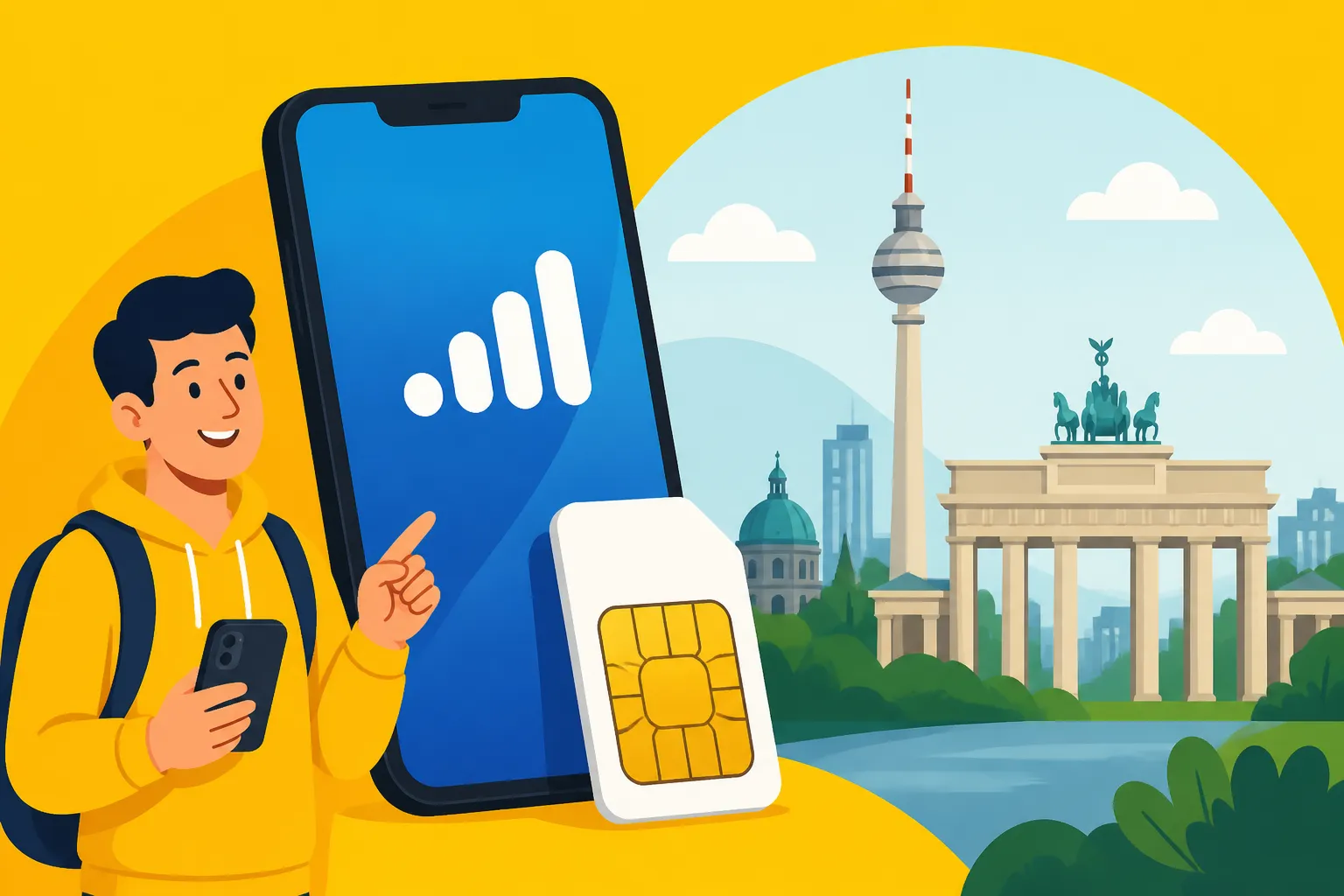
Walking out of the arrivals hall at Frankfurt or Berlin Brandenburg and realizing your phone has no bars—or worse, seeing a "Welcome to Germany" text from your home provider warning you about $15-per-megabyte roaming fees—is a rite of passage no expat enjoys. I remember standing in the drizzle at a bus stop during my first week in Munich, desperately trying to load a map while my signal flickered and died, leaving me feeling completely stranded in a city where I didn't yet know the word for "left turn." This guide is here to ensure you never feel that digital isolation, walking you through every step of securing a German SIM card and a mobile plan that actually fits your life.
Disclosure: This post may contain affiliate links. We may earn a commission at no extra cost to you if you make a purchase through these links. Read full disclosure.
Understanding the German Mobile Market Landscape
The German telecommunications market is famously robust but can be incredibly confusing for someone used to a more streamlined system. There are two main ways to approach mobile service here: the "Vertrag" (a long-term contract) and "Prepaid" (pay-as-you-go). For a newcomer, the choice isn't just about price; it’s about your legal status and how much paperwork you’ve already managed to clear.
In Germany, there are three primary network operators that own the actual physical towers: Deutsche Telekom, Vodafone, and O2 (Telefónica). Telekom is widely regarded as having the best coverage, especially in rural areas, but it is also the most expensive. Vodafone is a strong middle ground, while O2 offers the most competitive pricing but can have "dead zones" once you leave the major metropolitan hubs. However, most expats end up using "Discount" providers or MVNOs (Mobile Virtual Network Operators). These are companies like Blau, Otelo, or Aldi Talk that rent space on the big three networks and sell it to you at a fraction of the cost.
If you are just arriving and staying in temporary accommodation through a service like Wunderflats, you likely won't have the permanent residency documents required for a high-end contract. In these early days, flexibility is your best friend. You need a solution that works while you are still figuring out your Cost of Living in Germany: Budgeting Guide for Expats and before you have a permanent "Meldebescheinigung" (registration certificate).
The Prepaid Path and the Identity Hurdle
For most expats, a prepaid SIM is the first port of call. You can walk into almost any supermarket—think Aldi, Lidl, or Rewe—and pick up a starter pack for around 10 to 15 Euros. This usually includes your SIM card and a starting balance of credit. It sounds simple, but since 2017, Germany has enforced strict anti-terror laws that require every single SIM card to be registered to a verified identity. This is where the "German Bureaucracy Experience" truly begins.
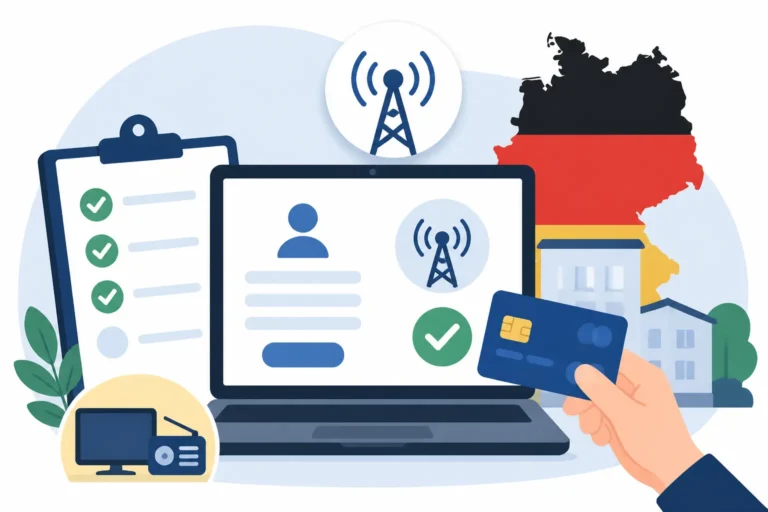
Once you buy your SIM, you cannot just plug it in and start calling. You must complete a process called VideoIdent or PostIdent. VideoIdent involves a video call with a technician where you hold your passport up to your webcam, tilting it to show the holograms and security features. If you have a non-EU passport, this can be notoriously finicky. I’ve spent hours in digital waiting rooms only to be told my passport’s "watermark isn't visible enough" or that the technician doesn't recognize my specific country’s ID format.
If VideoIdent fails, your second option is PostIdent. You take your passport and a printed QR code from your mobile provider to a Deutsche Post branch. The clerk there verifies your identity in person. This is often more reliable for expats, though it adds an extra day of waiting for the SIM to activate. Be aware that you will need to know How to Register Your Address (Anmeldung) in Germany eventually, but for some prepaid providers, a temporary address like a hotel or a flat found via Wunderflats might suffice for the initial registration, depending on the provider's specific terms of service.
Comparison of Popular Prepaid Options in Germany
| Provider | Network | Best For | Typical Monthly Cost |
|---|---|---|---|
| Aldi Talk | O2 | Budget-conscious users | €8 – €20 |
| Lidl Connect | Vodafone | Balance of price and coverage | €8 – €20 |
| Telekom Prepaid | Telekom | Reliable signal in rural areas | €10 – €25 |
| LycaMobile | Vodafone | International calls to home | €10 – €30 |
Navigating the World of Long-Term Contracts
Once you have settled in, opened a bank account, and received your The SCHUFA Credit Score in Germany: How It Works, you might consider switching to a "Vertrag" (long-term contract). These plans often offer significantly more data—sometimes even unlimited—and the option to bundle a brand-new smartphone for a subsidized monthly price.
However, there is a massive caveat: the standard German mobile contract length is 24 months. While new laws have made it easier to cancel contracts after the initial two years, getting out of one early is nearly impossible unless you are moving out of the country (and even then, you’ll need to provide proof of your "Abmeldung" or deregistration).
To sign a contract, you will need:
- A German bank account (for the SEPA direct debit).
- A valid ID or Passport.
- Your "Anmeldung" (Address Registration).
- A positive SCHUFA score.
If you are still in the process of Opening a Bank Account in Germany: Step-by-Step for Newcomers, you should stick to prepaid or "monthly-cancellable" contracts. Companies like WinSim or Simplytel offer contracts that you can cancel with just 30 days' notice. These are the "hidden gems" for expats who want the convenience of a contract without the two-year commitment. If you need a new device but don't want to be tied to a provider, buying an unlocked phone from Amazon Germany and pairing it with a flexible SIM-only plan is often the most financially savvy move.
The Modern Solution: eSIMs and Immediate Connectivity
If you are reading this before you have even boarded your flight to Germany, you have a distinct advantage. The rise of eSIM technology has changed the game for international arrivals. Instead of hunting for a physical SIM card at the airport, you can download a digital profile to your phone and have data the second your plane touches down.
A service like Airalo is incredibly popular among the expat community for this exact reason. You can purchase a "German Data Pack" while you are still in your home country, install the eSIM, and activate it upon arrival. While Airalo is typically a data-only solution (meaning you won't get a German phone number to make local calls), it solves the immediate problem of needing GPS and translation apps. This buys you time to figure out Internet and Mobile Phone Plans in Germany: Getting Connected Fast without the stress of being offline in a new city.
Once you have your data sorted via Airalo, you can take your time visiting different shops or ordering a more permanent SIM from Amazon Germany or a local provider. Remember that having a local German phone number (starting with +49) is eventually essential for things like two-factor authentication on German bank accounts or for landlords to call you back when you are Finding an Apartment in Germany: Portals and Process.
Common Pitfalls and How to Avoid Them
The most common mistake I see new arrivals make is falling for the "Free Smartphone" trap. In Germany, a "free" phone usually means a much higher monthly bill over 24 months that ends up costing you more than if you had bought the phone outright. If you have the capital, it is almost always better to buy your hardware from a retailer like Amazon Germany and then look for a "SIM-only" plan.
Another uniquely German hurdle is the "Kündigung" (cancellation) culture. In many countries, you just stop paying or call to cancel. In Germany, everything is formal. For long-term contracts, if you don't cancel at least one to three months before the contract end date, it might automatically renew. Always keep your cancellation confirmation (Kündigungsbestätigung) in a safe place. You will quickly learn that "keeping the paperwork" is a core part of Living in Germany: Essential Guide to Daily Life for New Expats.
Lastly, be mindful of "Roaming" vs. "International Calls." Thanks to EU regulations, your German SIM card will work in France, Italy, or Spain at no extra cost for data and calls. However, calling from Germany to a country outside the EU (like the US, UK, or India) is not included and can be prohibitively expensive. For these calls, stick to data-based apps like WhatsApp or Signal using your generous German data plan.
Troubleshooting Your Connection
If you’ve inserted your new SIM and it isn't working, the first thing to check is your APN (Access Point Name) settings. While most modern phones will update these automatically when they detect a German SIM, sometimes you have to enter them manually. You can find these settings on your provider's website.
If you are living in an older building with thick stone walls—common in cities like Berlin—you might find that your signal drops the moment you walk indoors. This is where "WiFi Calling" becomes a lifesaver. Ensure your phone and your chosen plan support this feature, as it allows you to send texts and make calls over your home internet connection when the cell signal is weak. This is especially relevant if you are Living in Berlin: Expat Guide to Neighborhoods and Lifestyle where older "Altbau" buildings can act like giant Faraday cages.
Before committing to a provider, ask your neighbors or colleagues which network they use. Because of the way towers are positioned, one street might have perfect Vodafone 5G while the next street over is a total dead zone for everyone except Telekom. A little local intel goes a long way in ensuring you stay connected.
Disclaimer
This guide is for informational purposes only and reflects the personal experiences and research of the author. Telecommunications laws, provider offerings, and contract terms in Germany change frequently. Always read the fine print of any mobile contract or prepaid agreement before signing or purchasing. We are not responsible for any issues arising from your use of these services or for changes in German law regarding identity verification or data usage.