How to Get Hausratversicherung in Germany
Imagine walking into your Berlin Altbau after a long weekend in the Alps only to find your living room floor under three inches of water because a pipe burst behind the wall. I remember the sheer, cold panic of my first major leak in Germany; I stood there in my socks, watching my expensive rug soak up grimy water, wondering if my landlord was responsible for my ruined electronics. This guide solves the confusion around Hausratversicherung, breaking down exactly how to protect your belongings so a single accident doesn't wipe out your savings.
Disclosure: This post may contain affiliate links. We may earn a commission at no extra cost to you if you make a purchase through these links. Read full disclosure.
Defining Hausratversicherung and What It Actually Protects
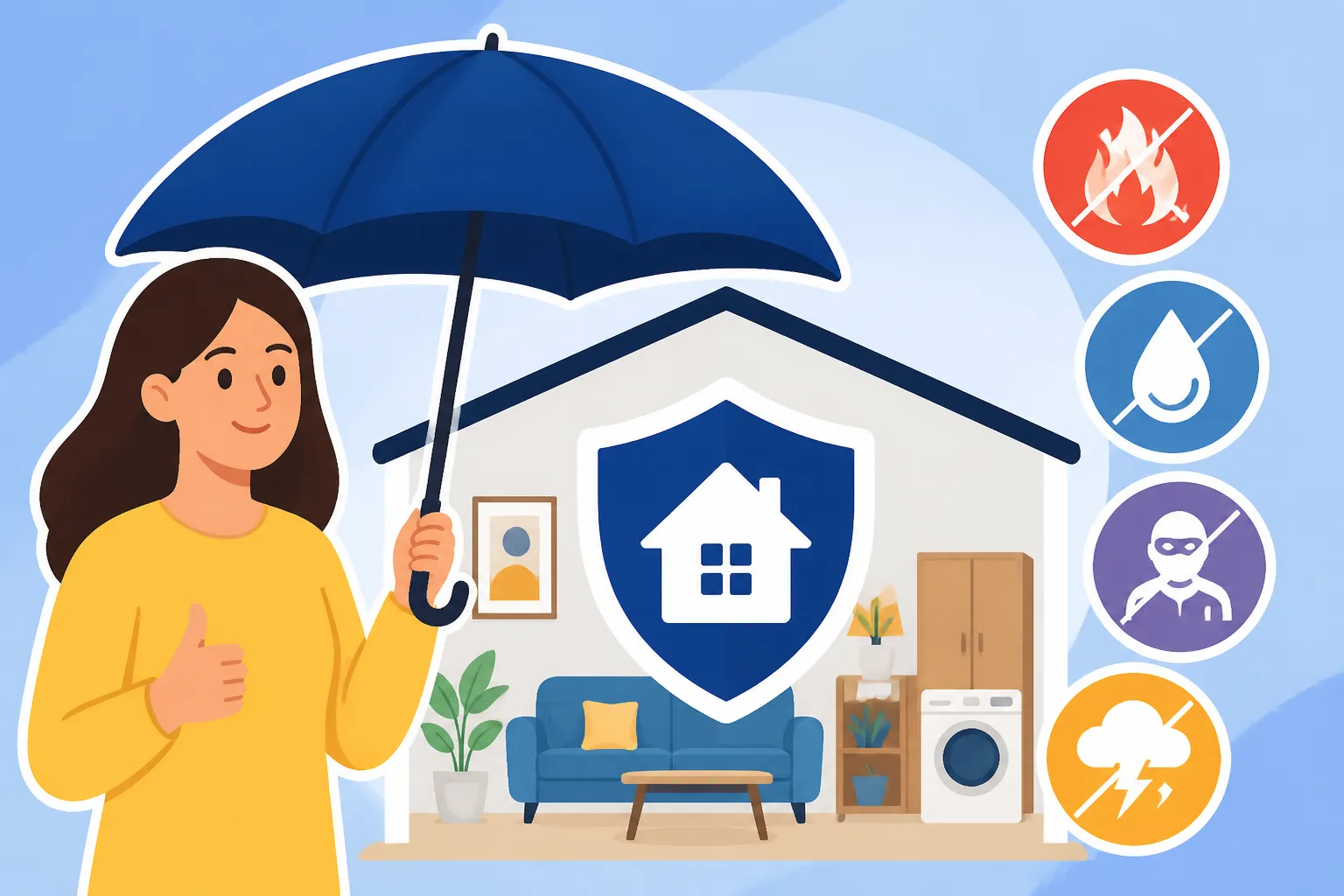
In the complex world of German bureaucracy, Hausratversicherung—or Household Contents Insurance—is often misunderstood by newcomers who are already overwhelmed by the Moving to Germany: Comprehensive Visa & Immigration Guide. Simply put, if you were to take your apartment, turn it upside down, and shake it, everything that falls out is covered by this policy. This includes your furniture, clothes, electronics, kitchen appliances, and even the contents of your fridge. It is distinct from the building insurance (Wohngebäudeversicherung), which is the landlord's responsibility and only covers the physical structure of the apartment.
When I first arrived, I assumed my landlord’s insurance would cover my laptop if a fire broke out. I was wrong. In Germany, the law is quite strict: the person who owns the walls is responsible for the walls, but the person who owns the "stuff" is responsible for the "stuff." Whether you are living in a long-term rental or a temporary furnished apartment found through Wunderflats, ensuring your personal items are protected is your job. This insurance covers damages caused by fire, lightning, explosions, water damage from burst pipes, burglary, and storm or hail damage.
One of the most important concepts to grasp is "Replacement Value" (Neuwert). Most reputable German policies will pay out what it costs to buy your items brand new today, not what they were worth as "used" items. If your five-year-old television is destroyed by a power surge, the insurance should provide enough for a comparable new model. This is a lifesaver for expats who have just spent thousands on Amazon Germany to furnish their new homes and can’t afford to replace everything out of pocket a second time.
Why This Insurance is Non-Negotiable for Expats in Germany
You might think that because Germany is generally a safe country, you can skip the monthly premium. However, the Cost of Living in Germany: Budgeting Guide for Expats should always include a small line item for Hausratversicherung because of the unique way German apartments are rented. Many apartments come completely empty—no lights, no cabinets, and sometimes no stove. This means you are likely investing heavily in hardware that stays with you. If a kitchen fire occurs, the financial hit of replacing a built-in kitchen is massive.
Furthermore, burglary is a reality in major cities like Berlin, Hamburg, or Frankfurt. While violent crime is low, "Einbruch" (burglary) happens, and the police reports required for insurance claims are a standard part of life here. Having a policy in place means that if someone breaks into your fourth-floor flat and steals your camera gear, you aren't just left with a broken window and a heavy heart. You’ll have a clear path to reimbursement, provided you’ve kept your receipts and followed the Registering Your Address (Anmeldung): Step-by-Step Guide to ensure your policy address matches your actual residence.
There is also the "External Protection" (Außenversicherung) clause to consider. Most Hausratversicherung policies extend their coverage to your belongings when you are traveling, usually for up to three months. If your suitcase is stolen from a hotel room in Spain, your German household insurance might actually cover it. This is incredibly helpful for the mobile expat who is constantly exploring Europe. To manage these claims or even just to set up your policy while on the move, having a reliable data connection through Airalo is essential so you aren't hunting for sketchy public Wi-Fi while dealing with the police.
Step-by-Step Guide to Getting Your Coverage
The process of getting insured in Germany has become much more "English-friendly" in recent years, but you still need to be meticulous. The first thing you must do is determine your "Sum Insured" (Versicherungssumme). If you under-insure your home, the provider can reduce your payout proportionally. For example, if you have €50,000 worth of stuff but only insure for €25,000, and you lose €10,000 in a fire, the insurance might only pay you €5,000. To avoid this, most Germans use the "Square Meter Rule," which typically estimates €650 of value for every square meter of living space.
Once you have your square footage ready, use a comparison portal to look at different providers. While you’re doing this, make sure your Internet and Mobile Providers in Germany are stable so you don't lose your progress on a long application form. Look for keywords like "Grobe Fahrlässigkeit" (Gross Negligence). You want a policy that covers you even if you accidentally left a candle burning or the window tilted (auf Kipp) during a burglary. Without this clause, the insurance company has a legal loophole to deny your claim.
After selecting a provider, you will fill out a digital application. You’ll need your bank details for the SEPA direct debit—refer to Opening a Bank Account in Germany: Step-by-Step for Newcomers if you haven’t set this up yet. Once you receive your "Versicherungsschein" (Policy Certificate) via email, keep it in a safe place. I recommend a cloud storage folder that you can access from anywhere. If your apartment burns down, a paper copy of your insurance policy inside that apartment won't do you much good.
| Feature | Basic Policy | Premium Policy |
|---|---|---|
| Gross Negligence | Often excluded or capped | Usually 100% covered |
| Bicycle Theft | Not included (needs add-on) | Often included up to a certain % |
| External Protection | Limited (e.g., 3 months) | Extended (e.g., 6-12 months) |
| Water Damage | Only burst pipes | Includes leaking appliances/aquariums |
| Digital Items | Standard electronics | Includes software and data recovery |
Essential Add-ons and the "Gross Negligence" Trap
When I first signed up, I didn't realize that my bicycle wasn't automatically covered if it was stolen from the street. In Germany, bike theft is a national sport. If you own a decent bike, you must add "Fahrraddiebstahl" (Bicycle Theft) to your Hausratversicherung. Most standard policies only cover the bike if it’s stolen from your locked cellar (Keller). If you want it covered while it's locked outside the supermarket or your office, you need the specific add-on. This usually requires you to use a high-quality lock, so keep the receipt for your lock from Amazon Germany as proof of its security rating.
Another add-on to consider is Glasversicherung (Glass Insurance). This is specifically for large glass surfaces like windows, balcony doors, or ceramic stovetops. Standard contents insurance often excludes glass breakage unless it’s caused by a fire. If you drop a heavy pot on your induction hob and it cracks, only glass insurance will save you from a €600 replacement bill. This is especially relevant if you are in a rental from Wunderflats where you are responsible for maintaining the high-end appliances provided.
Finally, let’s talk about "Grobe Fahrlässigkeit" one more time because it is the number one reason claims get rejected. In many countries, insurance covers you even if you're a bit clumsy. In the traditional German insurance mindset, if you leave your washing machine running while you go to the grocery store and it floods, that’s "grossly negligent." Modern expat-friendly policies usually include a waiver for this, meaning they will pay out even if you made a human mistake. Always check that this waiver is 100% and not capped at a small amount. This peace of mind is worth an extra Euro or two per month on your premium.
Managing Your Policy and Filing a Claim
Getting the insurance is only half the battle; knowing how to use it is what saves your finances. If the worst happens, your first step is "Schadenminderungspflicht"—your duty to minimize the damage. If there's a leak, turn off the water. If there’s a fire, call 112 (see Emergency Numbers in Germany: Calling 112, Poison Control, and More). Once the immediate danger is over, document everything. Take photos and videos from every angle before you start cleaning up. This evidence is crucial when you eventually submit your claim through your provider's app or website.
If you are a victim of theft, you must report it to the police immediately to get an "Aktenzeichen" (case number). The insurance company will not even look at your claim without this police report. While you're at the station, you might find it helpful to have a travel SIM from Airalo active so you can use translation apps if the officer doesn't speak fluent English, though most in big cities do. After filing the police report, contact your insurance provider within 48 hours. Most modern German insurers have English-speaking hotlines or chat functions specifically for expats.
It is also wise to keep a "digital inventory" of your most expensive items. Every time you buy something significant on Amazon Germany, save the PDF invoice to a dedicated folder. For items you brought from home, take photos of them in your current apartment to prove they were actually there. This avoids the "How do we know you actually owned a MacBook?" conversation with the claims adjuster. Dealing with a loss is stressful enough; having your documentation organized in advance turns a potential nightmare into a manageable administrative task.
Final Considerations Before You Sign
Before you commit to a policy, double-check the "Notice Period" (Kündigungsfrist). Traditional German insurers used to lock people into three-year contracts. These days, you should look for policies that can be canceled daily or monthly. This flexibility is vital for expats who might suddenly move to a different country or decide to upgrade their living situation. Also, verify if your policy covers "Cyber Risks" or "Identity Theft," which are becoming increasingly popular additions to household contents packages.
If you are living in a shared flat (WG), things can get a bit tricky. Usually, it is better for each roommate to have their own Hausratversicherung to cover their specific belongings and their share of the common areas. However, some providers allow a "shared" policy for the whole flat. If you go this route, ensure everyone’s name is on the policy, or you might find that only the person who signed the contract is actually covered. This is a common pitfall that I’ve seen many students fall into when trying to save a few Euros.
Finally, remember that Hausratversicherung works best when paired with Haftpflichtversicherung (Private Liability Insurance). While Hausrat covers your stuff, Haftpflicht covers damage you accidentally do to other people's stuff. If your washing machine floods your apartment, Hausrat pays for your ruined rug, but Haftpflicht pays for the neighbor's ruined ceiling below you. Having both is the "gold standard" of protection in Germany. For more details on the other side of this protective coin, check out Home and Liability Insurance in Germany (Haftpflicht and Hausrat).
Disclaimer Regarding Insurance Advice
This article is for informational purposes only and does not constitute professional financial or legal advice. Insurance laws and policy terms in Germany can change frequently. Always read the specific "Allgemeine Versicherungsbedingungen" (General Insurance Conditions) of your chosen provider before signing a contract. It is recommended to consult with a licensed insurance broker or advisor to ensure a policy meets your individual needs and legal requirements.